TED Series, Part VI: Sleep and Mental Health – The Neuroscience of Restoration and Affective Regulation

Daniel Mirea (October 2025)
NeuroAffective-CBT® | https://neuroaffectivecbt.com

Abstract

In this sixth instalment of the TED (Tired–Exercise–Diet) Series, we explore the neuroscience of sleep and its central role in emotional regulation, cognitive function, and mental health. Sleep is not a passive state but a dynamic neurobiological process that restores metabolic balance, consolidates memory, and recalibrates affective and cognitive circuitry. Drawing on advances in neuroscience, psychoneuroendocrinology, and affective regulation, this article outlines how sleep deprivation disrupts the amygdala–prefrontal network, alters neurotransmitter systems, and amplifies emotional reactivity.

Within the NeuroAffective-CBT® (NA-CBT) framework, sleep represents the “T” in TED, the first pillar of biological stability upon which self-regulation and psychological flexibility depend. Practical guidance for integrating sleep education, circadian rhythm alignment, and behavioural sleep interventions into therapy is provided.


Introducing TED within the NA-CBT Framework

The TED model (Tired–Exercise–Diet) integrates neuroscience, psychophysiology, and behavioural science into a cohesive structure for promoting emotional regulation and biological stability. Within NeuroAffective-CBT®, TED forms the foundation of the Body–Brain–Affect triangle, a conceptual map linking physiology, cognition, and emotion (Mirea, 2023; Mirea, 2025).

Earlier instalments explored five key nutritional and metabolic regulators of mood and cognition: Creatine (Part I), Insulin Resistance (Part II), Omega-3 Fatty Acids (Part III), Magnesium (Part IV), and Vitamin C (Part V). This chapter returns to the first pillar, Tired, through the lens of sleep neuroscience, affect regulation, and therapeutic practice.


The Science of Sleep and Emotion

Sleep is a biological necessity, not a luxury. Across more than three decades of research, no psychiatric disorder has been identified in which sleep patterns remain normal (Walker, 2017). Disturbed sleep is both a symptom and a cause of emotional dysregulation, stress vulnerability, and cognitive decline.

A landmark neuroimaging study at the University of California, Berkeley, demonstrated that a single night of sleep deprivation increased amygdala reactivity to negative stimuli by 60% (Yoo et al., 2007). Functional connectivity between the amygdala and the medial prefrontal cortex, the brain’s emotional “brake system”, was significantly weakened. Without restorative sleep, emotional responses become amplified and poorly regulated.

Figure 1. The Emotional Brake System
Healthy sleep strengthens communication between the prefrontal cortex (rational control) and the amygdala (emotional response hub). When sleep is lost, this link weakens, leading to impulsivity and emotional hypersensitivity.

The TED Connection

  • T – Tired: Adequate sleep keeps the emotional “brake system” intact, balancing reactivity with control.
  • E – Exercise: Physical activity enhances sleep quality and increases prefrontal resilience, improving mood regulation.
  • D – Diet: Nutrients like magnesium, omega-3s, and vitamin C support neurotransmission and reduce the stress load on emotional circuits.

Together, sleep, movement, and nourishment maintain the brain’s emotional thermostat, preventing small frustrations from turning into major stress responses.


💡TED Translation: Sleep loss disconnects the brain’s emotional accelerator (the amygdala) from its brakes (the prefrontal cortex). When you’re tired, everyday irritations feel bigger and harder to control. Rest, movement, and balanced nutrition keep your emotional “engine” cool and responsive instead of overheated.


The Circadian Code and Homeostasis

Sleep is governed by two intertwined biological systems that keep the brain and body in rhythmic balance:

  1. The homeostatic drive – the longer you stay awake, the greater the pressure to sleep.
  2. The circadian rhythm – a 24-hour internal clock, regulated by the suprachiasmatic nucleus (SCN), which aligns your sleep–wake cycles with light and darkness.

When these systems are in sync, the brain functions like a finely tuned orchestra, hormones, temperature, energy, and mood all moving in harmony.
But when artificial light, screens, caffeine, or late-night work override these signals, the rhythm becomes distorted. This mismatch between the body’s internal clock and external demands, known as social jet lag, contributes to fatigue, mood disorders, metabolic changes, and stress dysregulation (Wittmann et al., 2006).


The TED Connection

  • T – Tired: Regular sleep and wake times reinforce circadian rhythm and stabilise mood.
  • E – Exercise: Morning or daytime movement strengthens the body’s clock by synchronising temperature, cortisol, and energy cycles.
  • D – Diet: Eating at consistent times and reducing caffeine or heavy meals in the evening helps align metabolic rhythms with the sleep–wake cycle.

When the TED systems are synchronised, the brain maintains homeostasis, a steady state where energy, hormones, and emotions work together in balance.


💡TED Translation: Your sleep–wake system is like a perfectly timed orchestra. Late nights, bright lights, and random meal times throw the conductor off beat, leading to brain fog, irritability, and poor mood regulation. Keep your rhythm steady with consistent sleep, movement, and mealtimes, and your body will play in tune again.


Sleep and Neurotransmitters

Sleep is among the body’s most powerful regulators of neurochemistry. When we lose sleep, the delicate balance of neurotransmitters that govern mood, motivation, and stress becomes disrupted.

  • Serotonin synthesis declines, reducing mood stability and impulse control.
  • Dopamine signalling becomes erratic, impairing motivation, pleasure, and focus.
  • Cortisol levels rise, keeping the body in a state of chronic alertness.
  • GABAergic tone drops, making it harder to relax and fall asleep.

Over time, this imbalance erodes emotional resilience and cognitive clarity. By contrast, adequate and regular sleep restores monoaminergic balance, recalibrates stress hormones, and strengthens the brain’s emotional regulation systems (Goldstein & Walker, 2014).


The TED Connection

  • T – Tired: Consistent, restorative sleep keeps neurotransmitters like serotonin, dopamine, and GABA in harmony — your brain’s emotional “chemistry set.”
  • E – Exercise: Regular movement boosts dopamine and endorphins, reinforcing motivation and supporting healthy sleep–wake cycles.
  • D – Diet: Nutrient-rich foods (omega-3s, magnesium, tryptophan, and B-vitamins) provide the raw materials for neurotransmitter production and recovery.

Together, sleep, movement, and nutrition maintain the neurochemical rhythm that underlies focus, motivation, and mood stability.


💡 TED Translation: When you skip sleep, your brain’s chemistry falls out of tune, more stress, less calm, less focus. Rest, movement, and nourishment reset the brain’s chemical harmony, helping you feel balanced, motivated, and emotionally steady again.


The Immune–Inflammatory Connection

Even partial sleep loss triggers the body’s immune defences as if it were responding to infection. Levels of inflammatory molecules such as interleukin-6 (IL-6) and tumour necrosis factor-alpha (TNF-α) rise, disrupting normal immune balance and leaving the system in a state of chronic, low-grade activation (Irwin & Opp, 2017).

This silent inflammation interferes with neurotransmitters like serotonin and dopamine, fuelling fatigue, irritability, anxiety, and low mood. Over time, a vicious cycle develops: poor sleep increases inflammation, and inflammation in turn further disrupts sleep and emotional regulation.

The TED Connection

  • T – Tired: Adequate sleep lowers inflammatory markers, restoring immune and emotional balance.
  • E – Exercise: Moderate physical activity reduces systemic inflammation and improves immune resilience.
  • D – Diet: Anti-inflammatory foods (omega-3s, magnesium, vitamin C) help counter the stress effects of sleep loss. Alcohol is a highly addictive sedative and a psychological trap, as it convincingly mimics a relaxed state while actually disrupting natural sleep cycles. In contrast, many carbonated (fizzy) drinks act as stimulants, high in glucose and caffeine, which inevitably interfere with restorative sleep.

Together, the TED trio regulates the immune–inflammatory loop, protecting the brain and body from the emotional “wear and tear” of chronic stress and exhaustion.

💡TED Translation: When you don’t sleep enough, your body behaves like it’s under attack. This ongoing silent inflammation drains energy, darkens mood, and keeps your stress system switched on. Rest, movement, and nourishment are your body’s built-in anti-inflammatory medicine.


Sleep, Memory, and Emotional Learning

During REM sleep (Rapid Eye Movement sleep), the brain processes emotional experiences and consolidates learning without reigniting stress responses (van der Helm et al., 2011). This stage of sleep acts as an internal form of overnight therapy, allowing emotional memories to be reactivated, reorganised, and integrated in a calmer physiological state.

Within NeuroAffective-CBT®, this process is vital: therapeutic insights require offline consolidation to transform intellectual understanding into embodied, automatic regulation. In essence, sleep literally “files away” the day’s therapy work, embedding emotional learning into long-term stability.

💡TED Translation: Sleep is therapy’s silent partner. It helps your brain store emotional lessons without reawakening the stress attached to them.
REM sleep is your brain’s emotional reset stage, dream time when the mind replays feelings with the stress dialled down. Think of it as your overnight therapist, quietly helping you process the day, keep the wisdom, and release the worry so you wake up clearer and lighter.

Clinical and TED Practical Guidance

Improving sleep quality is less about effort and more about rhythm, aligning body, brain, and behaviour with the natural cycles that promote restoration. Within the TED framework, each pillar contributes to emotional stability and cognitive resilience through sleep regulation.

T – Tired: Sleep Hygiene and Restorative Rhythm

  • Aim for 7–9 hours of sleep each night, ideally aligned with natural darkness (around 10 p.m.–6 a.m.).
  • Keep a consistent sleep–wake schedule, even on weekends, to stabilise your internal clock.
  • Create a sleep-supportive environment: cool, dark, and quiet spaces enhance deep sleep quality.
  • Practice digital hygiene: avoid screens, bright light, and stimulating activities 60–90 minutes before bed to allow melatonin release.

E – Exercise: Movement as a Sleep Stabiliser

  • Engage in regular physical activity, ideally during daylight hours, to promote circadian alignment.
  • Gentle evening movement such as stretching, yoga or progressive muscle relaxation, can calm the nervous system.
  • Avoid vigorous exercise within two hours of bedtime, as it may elevate arousal and delay sleep onset.
  • Movement also improves slow-wave sleep, supporting memory consolidation and emotional regulation.

D – Diet: Nutritional Support for Rest and Recovery

  • Avoid heavy meals, caffeine, or alcohol within three to four hours of bedtime.
  • Prioritise nutrient-rich foods that support neurotransmitter balance: magnesium, tryptophan, omega-3 fatty acids, and vitamin C.
  • Maintain consistent meal timing, as irregular eating can disturb circadian rhythm and sleep quality.
  • Hydrate well during the day, but reduce fluid intake in the evening to prevent sleep disruption.

Therapeutic Integration

In clinical practice, these habits can be reinforced through cognitive and behavioural interventions for insomnia; techniques such as stimulus control, sleep scheduling, and relaxation training. Within NA-CBT, these methods are integrated with affect regulation, somatic grounding, psychoeducation, and personalised lifestyle adjustments that help clients synchronise biological and emotional rhythms.


💡TED Translation: Good sleep isn’t about trying harder, it’s about working with your body’s natural rhythm. Keep nights dark, meals early, and habits steady. Move during the day, rest at night, and eat in rhythm and your emotional brain will do the rest.


Summary and Outlook

Sleep represents the biological foundation of the TED model; the “T” in Tired, Exercise, Diet. It is the first and most essential pillar supporting affect regulation, learning, and resilience. Within NA-CBT, sleep is viewed as a biopsychological regulator shaping the efficiency of all subsequent therapeutic and behavioural change.

Future TED work should examine how sleep interacts with diet (glycaemic balance, magnesium, vitamin C) and exercise (circadian entrainment, fatigue management), integrating these findings into structured protocols for mood and stress disorders.


Glossary

Amygdala–Prefrontal Network
A key emotional regulation circuit linking the amygdala (the brain’s emotional response centre) and the prefrontal cortex (responsible for rational control and decision-making). Healthy sleep strengthens communication within this network, promoting balanced emotional responses.

Circadian Rhythm
The body’s internal 24-hour biological clock that regulates sleep–wake cycles, hormone release, temperature, and energy levels. It is governed by the suprachiasmatic nucleus (SCN) and synchronised by environmental cues such as light, activity, and mealtimes.

Homeostatic Sleep Drive
The internal biological pressure to sleep that increases the longer one stays awake. Sleep dissipates this pressure, maintaining equilibrium between rest and wakefulness.

NeuroAffective-CBT® (NA-CBT)
A therapeutic framework developed by Daniel Mirea that integrates neuroscience, affect regulation, and cognitive–behavioural methods. It emphasises aligning biological, cognitive, and emotional systems to enhance self-regulation and psychological flexibility.

Progressive Muscle Relaxation (PMR)
A structured relaxation technique that involves tensing and releasing muscle groups throughout the body to reduce physical tension and activate the parasympathetic nervous system. PMR is commonly used to ease anxiety and prepare the body for sleep.

Rapid Eye Movement (REM) Sleep
A distinct phase of the sleep cycle marked by vivid dreaming, rapid eye movements, and heightened brain activity. REM sleep supports emotional processing, memory consolidation, and the integration of affective experiences.

Relaxation Training
A collection of techniques such as, slow breathing, mindfulness, guided imagery, and PMR, designed to reduce physiological arousal and promote calm. Relaxation training activates the body’s “rest-and-digest” system, improving stress recovery and sleep quality.

Sleep Hygiene
A set of behavioural and environmental practices that promote healthy sleep. Core principles include maintaining a consistent sleep–wake schedule, creating a dark and quiet sleep environment, avoiding stimulants before bedtime, and limiting screen exposure in the evening.

Sleep Scheduling
A behavioural intervention for regulating circadian rhythm and improving sleep efficiency. It involves setting fixed bedtimes and wake times, aligning sleep duration with actual sleep need, and gradually adjusting these times to consolidate sleep.

Social Jet Lag
The misalignment between the body’s internal clock and social or work schedules. It commonly arises from late nights, weekend sleep shifts, or irregular meal and activity times, leading to fatigue, mood changes, and metabolic disruption.

Stimulus Control
A behavioural therapy principle aimed at strengthening the association between bed and sleep. It includes going to bed only when sleepy, using the bed solely for sleep and intimacy, rising at the same time daily, and avoiding wakeful activities in bed.

T E D Model (Tired–Exercise–Diet)
An integrative framework within NeuroAffective-CBT® (the third module out of six) linking biological stability with emotional regulation. The model emphasises three foundational pillars, sleep (Tired), movement (Exercise), and nutrition (Diet), as interdependent systems supporting mental health and resilience.

References

Baglioni C et al., 2011. Insomnia as a predictor of depression: A meta-analytic evaluation of longitudinal studies. Journal of Affective Disorders, 135(1–3), pp.10–19.

Goldstein A.N. & Walker M.P., 2014. The role of sleep in emotional brain function. Annual Review of Clinical Psychology, 10, pp.679–708.

Ingram R.E. & Siegle G.J., 2009. Contemporary Issues in Cognitive Therapy. New York: Springer.

Irwin M.R. & Opp M.R., 2017. Sleep health: Reciprocal regulation of sleep and innate immunity. Neuropsychopharmacology, 42(1), pp.129–155.

Mirea D., 2023. Tired, Exercise and Diet Your Way Out of Trouble (TED Model). NeuroAffective-CBT®. Available at: https://neuroaffectivecbt.com [Accessed 27 October 2025].

Mirea D., 2025. TED Series, Part VI: Sleep and Mental Health – The Neuroscience of Restoration and Emotional Regulation. NeuroAffective-CBT®. Available at: https://neuroaffectivecbt.com [Accessed 27 October 2025].

Segal Z.V., Teasdale J.D. & Williams J.M.G., 2018. Mindfulness-Based Cognitive Therapy for Depression. 2nd ed. New York: Guilford Press.

van der Helm E et al., 2011. REM sleep depotentiates amygdala activity to previous emotional experiences. Current Biology, 21(23), pp.2029–2032.

Thayer, J.F. and Lane, R.D., 2000. A model of neurovisceral integration in emotion regulation and dysregulation. Journal of Affective Disorders, 61(3), pp.201–216.

Walker M.P., 2017. Why We Sleep: Unlocking the Power of Sleep and Dreams. London: Penguin Press.

Wells A., 2009. Metacognitive Therapy for Anxiety and Depression. New York: Guilford Press.

Wittmann M et al., 2006. Social jetlag: Misalignment of biological and social time. Chronobiology International, 23(1–2), pp.497–509.

Yoo S.S. et al., 2007. The human emotional brain without sleep – a prefrontal amygdala disconnect. Current Biology, 17(20), pp.R877–R878.


Disclaimer

This article is for educational purposes only and is not a substitute for medical or psychological assessment. Individuals experiencing chronic insomnia or mood disturbances should consult a GP, sleep specialist, or licensed psychotherapist before implementing new interventions.
TED Series, Part V: Vitamin C and Mental Health: Neurotransmitters, Stress, and Emotional Resilience

Daniel Mirea (October 2025)
NeuroAffective-CBT® | https://neuroaffectivecbt.com


Abstract

In this fifth instalment of TED (Tired–Exercise–Diet) series, of the NeuroAffective-CBT® project, we explore the multifaceted role of Vitamin C in mental health. Emerging evidence suggests optimal neurocognitive benefits occur at daily intakes of 200–500 mg. Beyond its reputation as an immune booster, Vitamin C functions as a key modulator of neurotransmitter synthesis, oxidative stress, and immune–brain communication. Drawing on recent research in neuroscience, nutritional psychiatry, and psychoneuroimmunology, this article examines how Vitamin C supports emotional regulation, cognitive performance, and resilience under chronic stress. Integrating this evidence within the NeuroAffective-CBT® (NA-CBT) framework, we highlight Vitamin C as a practical component of lifestyle-oriented psychotherapy, bridging nutrition, physiology, and affect regulation.


Introducing TED in the NeuroAffective-CBT® Framework

The TED model (Tired–Exercise–Diet) synthesises neuroscience, psychophysiology, and behavioural science into an integrated scaffold for emotional regulation and biological stability. Within NeuroAffective-CBT®, TED interventions are introduced early in therapy to restore homeostasis across the Body–Brain–Affect triangle, the physiological foundation of affective regulation, motivation, and self-concept (Mirea, 2023; Mirea, 2025).

Following earlier TED instalments on Creatine (Part I), Insulin Resistance (Part II), Omega-3 (Part III), and Magnesium (Part IV), this chapter focuses on Vitamin C, a micronutrient that bridges diet, stress, immunity, and cognition. Despite being essential to brain and body function, humans have lost the genetic capacity to synthesise Vitamin C, making dietary intake or supplementation critical for maintaining mental and metabolic health.


Evolutionary Context: A Necessary Deficiency

Unlike most mammals, humans lack the gulonolactone oxidase gene required for endogenous Vitamin C synthesis. Evolutionarily, this was likely pruned due to ancestral diets rich in fruits and vegetation (Harrison & May, 2009). Consequently, Vitamin C must be obtained through food, primarily fruits, vegetables, and, more recently, supplementation.

This evolutionary dependency aligns with human dietary anatomy: our dentition and digestive tract are optimised for plant-based, nutrient-dense foods rather than raw animal flesh. Thus, our reliance on Vitamin C-rich diets is biologically hardwired, linking nutrition directly to both immune and psychological resilience.

From a TED perspective, this represents a fundamental Diet–Affect relationship: emotional and physiological stability rely on the consistent intake of nutrients we cannot make ourselves.


Vitamin C and Neurotransmitter Synthesis

Vitamin C plays a pivotal biochemical role in neurotransmitter regulation. It acts as a cofactor for dopamine β-hydroxylase, the enzyme converting dopamine into norepinephrine (adrenaline), essential for motivation, attention, and stress response (Otte et al., 2016). It is also necessary for the metabolism of tryptophan into serotonin, the neurotransmitter most associated with emotional regulation and well-being (Young, 2020).

Low Vitamin C levels have been linked to reduced serotonin and norepinephrine activity, contributing to low mood, fatigue, and anxiety. In turn, adequate Vitamin C enhances the synthesis and stability of these neurotransmitters, improving energy and affective balance.

💡 TED Translation:
Vitamin C acts as a “biochemical connector” in the Tired and Diet domains, fuelling the brain’s ability to convert nutrients into emotion-regulating signals. When Vitamin C is low, dopamine and serotonin pathways slow down, leading to fatigue, irritability, and low resilience under stress.


Stress, Cortisol, and Oxidative Load

Vitamin C is among the most concentrated antioxidants in the brain and adrenal glands, the latter being the body’s cortisol-producing centres. Chronic psychological or physical stress depletes Vitamin C rapidly, while low Vitamin C status impairs the body’s ability to modulate cortisol output (Brody et al., 2002).

Experimental studies show that supplementation can reduce stress-induced cortisol elevations and improve mood under high-pressure conditions, such as academic or occupational stress (de Oliveira et al., 2015). The relationship is reciprocal: stress depletes Vitamin C, and deficiency heightens the physiological stress response.

💡 TED Translation:
This is where Tired meets Diet: stress “burns through” Vitamin C reserves, and depletion feeds back into higher cortisol and anxiety. Maintaining adequate Vitamin C helps keep the stress response efficient rather than overreactive.


Vitamin C, Immunity, and the Gut–Brain Axis

Vitamin C supports both innate and adaptive immunity, promoting leukocyte function, barrier integrity, and antioxidant defence (Carr & Maggini, 2017). Its influence extends to the gut–brain axis, the bidirectional communication between intestinal microbiota and the central nervous system.

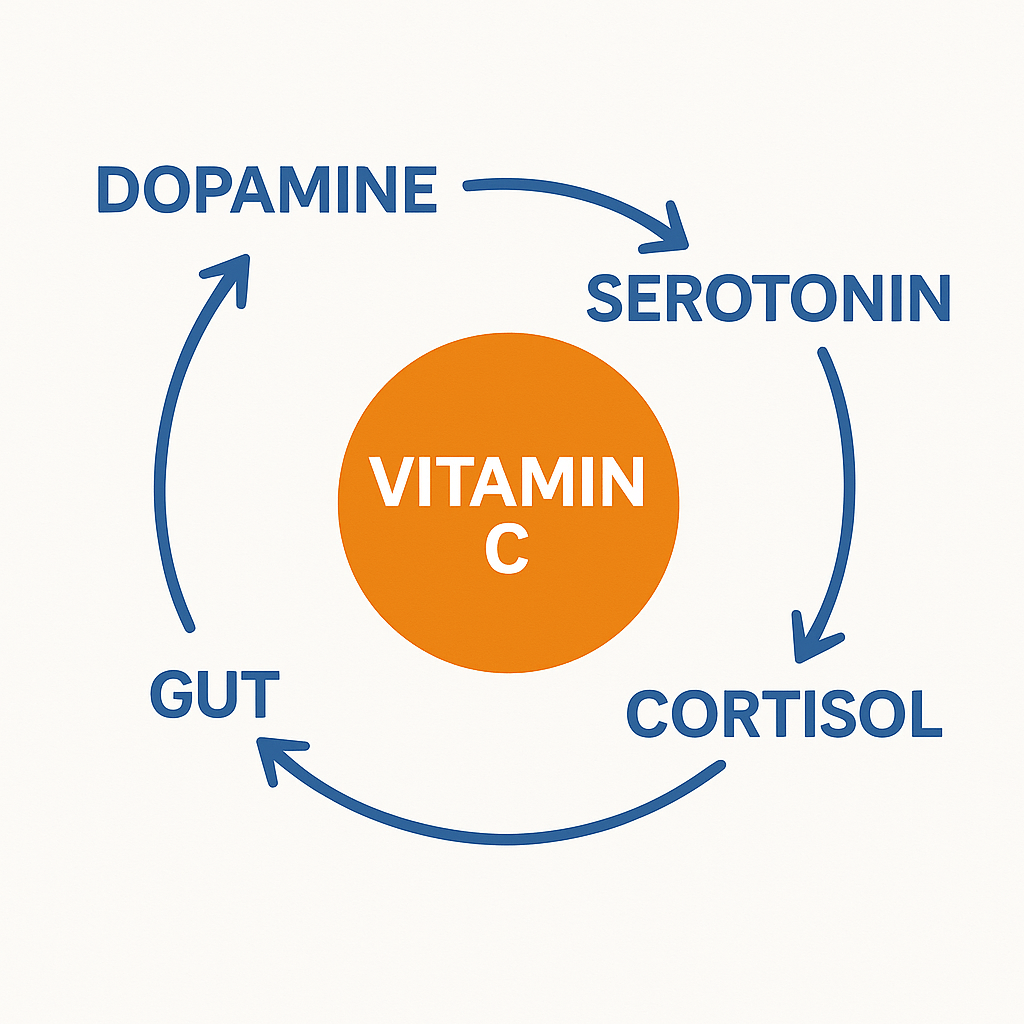
Figure 1: The Vitamin C–Neurotransmitter–Stress Interaction Loop

Deficiency in Vitamin C increases intestinal permeability (“leaky gut”) and systemic inflammation, which can trigger neuroinflammatory cascades linked to depression and anxiety (Otte et al., 2016). Adequate Vitamin C intake may therefore modulate mood indirectly by maintaining gut integrity and reducing inflammatory load.

💡 TED Translation:
Within TED, Vitamin C stabilises both the body and the mind, supporting the “Diet” domain by maintaining gut health and the “Affect” domain by reducing the inflammatory signals that disrupt mood regulation.


Epigenetic and Cognitive Dimensions

Emerging research suggests Vitamin C contributes to epigenetic regulation, influencing DNA methylation and histone modification processes involved in early neurodevelopment and long-term emotional outcomes (de Beni et al., 2021).

High concentrations of Vitamin C are found in the brain and cerebrospinal fluid, particularly in the hippocampus and cortex, regions essential for memory and emotional learning. Even when blood levels fall, the brain retains Vitamin C preferentially, highlighting its role in preserving neurocognitive function under stress.

💡TED takeaway:

Your brain treats Vitamin C like gold, it holds onto it even when the rest of your body runs low. That’s because Vitamin C helps protect brain cells, supports memory, and keeps emotional circuits flexible under stress. New research shows that Vitamin C doesn’t just work in the moment, it may even influence how certain genes involved in brain development and emotional balance get “switched on” or “off.” In simple terms, Vitamin C helps your brain stay adaptable, protecting your mood and mental sharpness over time. In TED language, vitamin C fuels both Diet and Affect, nourishing your brain’s chemistry while helping it handle life’s stress without burning out.


Clinical and TED Practical Guidance

Recommended dietary intake for adults is 75–90 mg/day, but emerging data suggest higher doses (200–500 mg/day) may optimise antioxidant and neurochemical benefits (Carr & Rowe, 2020).

Natural sources:

  • Citrus fruits (orange, lemon, grapefruit)
  • Kiwi, strawberries, papaya
  • Bell peppers, broccoli, spinach, kale

Supplementation:

  • Divide doses (e.g., 250 mg twice daily) for better absorption.
  • Combine with flavonoid-rich foods (e.g., berries, green tea) to enhance bioavailability.
  • Avoid smoking and chronic alcohol use, which accelerate Vitamin C depletion.

💡TED Translation:
Think of Vitamin C as your brain’s “daily maintenance nutrient”, keeping neurotransmitters balanced, inflammation low, and energy steady. Consistent intake, alongside sleep and exercise regulation, reinforces the biological base for emotional stability and therapeutic progress. This is such a vital hormone, clinicians may consider psychoeducating clients on Vitamin C’s stress-buffering role when addressing fatigue or anxiety, integrating nutritional discussions within TED-based behavioural activation plans.


Summary & Outlook

Vitamin C exemplifies the TED principle that emotional health begins with biological balance. It supports neurotransmitter synthesis, moderates stress responses, protects against oxidative damage, and sustains gut and immune integrity. Within NeuroAffective-CBT®, Vitamin C functions as both a preventive and adjunctive intervention, enhancing emotional resilience and amplifying the effects of psychotherapeutic change.

Like Omega-3, Magnesium, and Creatine in earlier TED modules, Vitamin C represents a key neuro-metabolic pathway where diet and mood converge. However, supplementation should never replace clinical care, it must be introduced under professional guidance and viewed as a supportive component of comprehensive mental health treatment.

Emerging evidence suggests that optimal neurocognitive benefits occur at daily intakes of 200–500 mg of slow release (or time release) Vitamin C, the type that stays longer in the system. Future research should explore Vitamin C supplementation within structured TED protocols for mood, stress, and cognitive disorders, bridging nutritional neuroscience with applied behavioural interventions.


⚠️ Disclaimer

These articles are for educational purposes only and do not replace medical or psychological evaluation. Individuals should consult their GP or prescribing clinician before starting supplementation, especially if taking psychiatric or cardiovascular medication.


Series context: Mirea, D. (2025) TED Series, Part IV: Magnesium and Mental Health. NeuroAffective-CBT®. Available at: https://neuroaffectivecbt.com/2025/10/21/ted-series-part-iv-magnesium-and-mental-health/ [Accessed 22 October 2025].

References

Brody, S., Preut, R., Schommer, K. and Schürmeyer, T. (2002) ‘Vitamin C high-dose supplementation reduces anxiety and cortisol levels’, Psychopharmacology, 159(3), pp. 319–324.

Carr, A.C. and Maggini, S. (2017) ‘Vitamin C and immune function’, Nutrients, 9(11), 1211.

Carr, A.C. and Rowe, S. (2020) ‘The emerging role of vitamin C in health and disease’, Nutrients, 12(9), 2736.

de Beni, R. et al. (2021) ‘Vitamin C and epigenetic regulation of brain development and function’, Frontiers in Neuroscience, 15, 690341.

de Oliveira, I.J. et al. (2015) ‘Effects of oral vitamin C supplementation on anxiety in students: A double-blind, randomized, placebo-controlled trial’, Pak J Biol Sci, 18(1), pp. 11–18.

Harrison, F.E. and May, J.M. (2009) ‘Vitamin C function in the brain: vital role of the ascorbate transporter SVCT2’, Free Radical Biology and Medicine, 46(6), pp. 719–730.

Mirea, D. (2023) Tired, Exercise and Diet Your Way Out of Trouble (TED Model). NeuroAffective-CBT®. ResearchGate.

Mirea, D. (2025) TED Series, Part IV: Magnesium and Mental Health. NeuroAffective-CBT®. Available at: https://neuroaffectivecbt.com/2025/10/21/ted-series-part-iv-magnesium-and-mental-health/ [Accessed 22 October 2025].

Otte, C., Gold, S.M., Penninx, B.W. et al. (2016) ‘Major depressive disorder’, Nature Reviews Disease Primers, 2, 16065.

Young, S.N. (2020) ‘Tryptophan metabolism and serotonin synthesis: relevance for psychiatric disorders’, Journal of Psychiatry & Neuroscience, 45(3), pp. 151–161.

TED Series, Part IV: Magnesium and Mental Health – New Research Findings and NeuroAffective-CBT® Implications.


Daniel Mirea (October 2025)
NeuroAffective-CBT® | https://neuroaffectivecbt.com


Abstract

In this fourth instalment of the TED (Tired–Exercise–Diet) Series, we explore magnesium, an essential mineral often overlooked in discussions of mood, stress, and emotional regulation. Drawing from neuroscience, nutritional psychiatry, and the NeuroAffective-CBT® framework, this article examines how magnesium supports brain function, sleep, and affective stability. It highlights evidence linking low magnesium levels to stress sensitivity, anxiety, and depression, and outlines how restoring magnesium balance may enhance emotional resilience, cognitive clarity, and therapeutic responsiveness.


Introducing TED in the NeuroAffective-CBT® Framework

The TED (Tired–Exercise–Diet) model integrates neuroscience, psychophysiology, and behavioural science to restore balance across the Body–Brain–Affect triangle central to emotional health. Within NeuroAffective-CBT®, TED interventions target the biological underpinnings of affective instability, fatigue, sleep disruption, poor diet, and chronic stress (Mirea, 2023; Mirea, 2025).

Following earlier TED instalments on Creatine (Part I), Insulin Resistance (Part II), and Omega-3 Fatty Acids (Part III), part IV turns to Magnesium, the quiet stabiliser of the nervous system. Though often overlooked, magnesium deficiency is widespread and increasingly recognised as a modifiable factor in stress, anxiety, and mood disorders. Despite its importance, subclinical magnesium deficiency affects an estimated 60–70% of adults, with even higher rates observed in those under chronic stress or psychological strain (Maguire, 2018).


Magnesium and the Stress Response

Both physical and emotional stress, common in our multi-tasking, always-connected society, rapidly drain the body’s magnesium stores. Research shows an inverse relationship between cortisol and magnesium levels: the higher the magnesium, the lower the cortisol (Takase et al., 2004). In turn, chronic stress accelerates magnesium loss through the urine and cellular loss, a process that weakens the body’s ability to recover, creating a self-perpetuating loop of tension, fatigue, and anxiety.

In controlled studies, adrenaline infusions have been shown to rapidly and persistently reduce serum magnesium, with levels remaining low even after stress hormones subside (White et al., 1992). Observational data echo this: students under exam stress and soldiers anticipating conflict both show sharp declines in magnesium concentrations, particularly in red blood cells (Takase et al., 2004).

Environmental and sensory stressors such as noise exposure also increase magnesium loss through urine, lasting up to 48 hours post-exposure, suggesting that both psychological and physical stressors drain the same metabolic reserve.

TED translation: This is where Tired meets Diet, stress burns through magnesium, and low magnesium magnifies stress sensitivity, forming a self-perpetuating loop of fatigue and emotional tension.


Mechanisms: How Stress and Sleep Deplete Magnesium

During acute stress, the fight-or-flight response mobilises magnesium from cells into the bloodstream to support energy production and neuromuscular activity. However, prolonged or repeated stress leads to excretion rather than recycling, gradually lowering the body’s magnesium reservoir.

Cortisol intensifies this cycle by stimulating the kidneys to excrete more magnesium, while inflammatory stress hormones further impair intestinal absorption. Over time, this results in lower intracellular magnesium in tissues such as muscle, brain, and heart, correlating with symptoms of tension, irritability, and restlessness.

Chronic sleep loss compounds the problem. Both short-term and long-term sleep deprivation reduce red blood cell magnesium levels, impairing vascular flow and contributing to the “wired but tired” pattern common in anxiety and burnout (Takase et al., 2004).

Magnesium and Mental Health: Depression, ADHD, and Brain Aging

Magnesium and Depression

Epidemiological data from the National Health and Nutrition Examination Survey (NHANES) show that adults with the lowest magnesium intake have significantly higher rates of depression, particularly younger adults (Jacka et al., 2009).

A 2019 meta-analysis of 11 studies found that people with the lowest magnesium consumption were 81% more likely to experience depression than those with the highest (Derom et al., 2019).

Mechanistically, magnesium supports serotonin function, reduces neuroinflammation, and stabilises the excitatory–inhibitory balance of the brain, aligning with TED’s goal of calming hyperaroused affective circuits.

Magnesium and ADHD

Around 90% of individuals with ADHD show suboptimal magnesium levels, which correlate with irritability, restlessness, and sleep issues. Supplementing magnesium glycinate (125–300 mg/day) for 4–6 weeks can reduce symptoms and may even ease stimulant-related side effects.

Magnesium, Cognition, and Brain Aging

Recent research using UK Biobank data (n = 6,000) found that individuals with higher dietary magnesium intake (~550 mg/day) had larger grey matter and hippocampal volumes than those consuming ~350 mg/day, roughly the RDA (Peterson et al., 2023). These structural differences may reflect slower brain aging, roughly equivalent to one year of preserved neural integrity.

Complementary studies link higher magnesium intake to a lower risk of dementia and mild cognitive impairment in older adults, especially women (Yary et al., 2016). Magnesium’s neuroprotective effects likely stem from reducing oxidative stress, enhancing synaptic plasticity, and maintaining mitochondrial efficiency.


Magnesium and Sleep Physiology

Magnesium supports the onset and maintenance of sleep by activating GABAergic pathways and regulating melatonin synthesis. Randomised trials and meta-analyses show mixed outcomes likely due to differences in baseline magnesium status among participants, but studies consistently find that deficient individuals experience improved sleep quality following supplementation (Abbasi et al., 2012).

TED translation: Magnesium supports Tired by enhancing sleep restoration, Exercise by improving muscle relaxation, and Diet by regulating the energy–stress feedback loop that shapes mood and focus.


Forms, Absorption, and Co-Nutrients

Not all magnesium forms are equally effective:

  • Best absorbed: Magnesium glycinate, citrate, malate, and L-threonate.
  • Less effective: Magnesium oxide (low absorption, laxative effect).

Optimise absorption by:

  • Taking magnesium with meals that include healthy fats or carbohydrates.
  • Co-supplementing vitamin D3 and vitamin B6, which enhance uptake.
  • Using divided doses throughout the day.
  • Avoiding enteric-coated capsules that delay intestinal release.

Magnesium L-threonate, in particular, crosses the blood–brain barrier and supports learning, memory, and synaptic density (Slutsky et al., 2010).

⚖️ Dosage and Clinical Application

Target symptomRecommended formTypical dosageNotes
General stress / anxietyMagnesium glycinate or citrate250–400 mg/daySplit doses with meals
Sleep disturbanceMagnesium glycinate or citrate200–300 mg before bedEnhances relaxation
ADHD (children/adolescents)Magnesium glycinate powder125–300 mg/dayGentle, better tolerated
Cognitive performanceMagnesium L-threonate1–2 g/day (elemental Mg ≈ 150 mg)Crosses blood–brain barrier

Therapeutic effects typically take 3–4 weeks as intracellular magnesium levels gradually normalise.

💡 TED Translation

In TED terms:

  • Tired: Magnesium restores cellular energy and supports sleep recovery.
  • Exercise: Adequate magnesium improves muscle performance, oxygen delivery, and recovery.
  • Diet: Replenishing magnesium reduces stress reactivity and emotional fatigue.

Together, these effects stabilise the Body–Brain–Affect system, preventing the physiological overload that fuels shame-based and affective dysregulation.


Summary & Outlook

Magnesium is a cornerstone of emotional and metabolic balance. Chronic stress, disrupted sleep, and processed diets have created widespread deficiency that quietly undermines mental health.

Evidence now supports magnesium as a low-cost, physiologically synergistic intervention for anxiety, ADHD, depression, and stress-related fatigue. Within the NeuroAffective-CBT® framework, it complements psychotherapeutic change by restoring the biological foundations of calm, focus, and resilience. When combined with structured TED interventions, consistent sleep, regular movement, and nutrient-dense meals, magnesium reinforces the physiological stability needed for enduring psychological growth.

Future directions include evaluating magnesium supplementation within integrated TED protocols for mood and stress-related disorders, bridging nutritional neuroscience with applied cognitive-behavioural intervention research.


⚠️ Disclaimer

These articles are for educational purposes and do not replace medical or psychological evaluation. Individuals should consult their GP or prescribing clinician before starting supplementation, particularly if taking psychiatric or cardiovascular medication.


Series context: Mirea, D. (2025) TED Series, Part III: Omega-3 and Mental Health. NeuroAffective-CBT®. Available at: https://neuroaffectivecbt.com/2025/10/18/ted-series-part-iii-omega-3-and-mental-health/ [Accessed 21 Oct 2025].

References

Abbasi, B., Kimiagar, M., Sadeghniiat, K., Shirazi, M.M., Hedayati, M. & Rashidkhani, B. (2012). The effect of magnesium supplementation on primary insomnia in elderly subjects: A double-blind placebo-controlled clinical trial. Journal of Research in Medical Sciences, 17(12), 1161–1169.

Derom, M.-L. et al. (2019). Magnesium and depression: A systematic review and meta-analysis. Nutrients, 11(11), 2473.

Freeman, M.P. et al. (2006). Omega-3 fatty acids: Evidence basis for treatment and future research in psychiatry. Journal of Clinical Psychiatry, 67(12), 1954–1967.

Jacka, F.N. et al. (2009). Association between magnesium intake and depression in adults. Australian and New Zealand Journal of Psychiatry, 43(1), 45–52.

Kirkland, A.E., Sarlo, G.L. & Holton, K.F. (2018). The role of magnesium in neurological disorders. Nutrients, 10(6), 730.

Maguire, M. C. (2018) Challenges in the Diagnosis of Magnesium Status. International Journal of Trace Elements in Medicine and Biology, 50, pp. 7-13. Available at: https://pubmed.ncbi.nlm.nih.gov/30200431/ [Accessed 21 Oct 2025].

Mirea, D. (2023) Tired, Exercise and Diet Your Way Out of Trouble (TED Model). NeuroAffective-CBT®. Available at: https://neuroaffectivecbt.com [Accessed 21 October 2025].

Mirea, D. (2025) TED Series, Part III: Omega-3 and Mental Health. NeuroAffective-CBT®. Available at: https://neuroaffectivecbt.com/2025/10/18/ted-series-part-iii-omega-3-and-mental-health/ [Accessed 21 October 2025].

Slutsky, I. et al. (2010). Enhancement of learning and memory by elevating brain magnesium. Neuron, 65(2), 165–177.

Takase, B. et al. (2004). Influence of chronic stress and magnesium status on cardiovascular function and blood flow. Clinical Cardiology, 27(12), 671–677.

White, J.R. et al. (1992) ‘Adrenaline infusion reduces plasma magnesium concentrations in humans’, Clinical Science, 82(3), pp. 299–303.

Yary, T. et al. (2016) ‘Dietary magnesium intake and the risk of dementia: A longitudinal cohort study’, European Journal of Nutrition, 55(6), pp. 2143–2151.

TED Series, Part III: Omega-3 and Mental Health.

New Research Findings and NeuroAffective-CBT® Implications

In this third instalment of the TED (Tired–Exercise–Diet) Series, we explore how omega-3 fatty acids, particularly EPA and DHA, influence mood, cognition, and emotional regulation. Drawing from neuroscience, nutritional psychiatry, and the NeuroAffective-CBT® framework, this article examines the growing evidence that dietary fats do more than protect the heart, they also nourish the mind. Blending practical TED applications with current clinical research, it offers clinicians and readers accessible strategies for integrating omega-3s into a new lifestyle-based approach to mental health.

Introducing TED in the NeuroAffective-CBT® Framework

The TED (Tired–Exercise–Diet) model brings neuroscience, nutritional psychiatry, psychophysiology, and behavioural science into an integrated framework for emotional regulation and mental health. Within the broader NeuroAffective-CBT® (NA-CBT) programme, TED is introduced early to support self-regulation and biological stability, the “Body–Brain–Affect” triangle that underpins shame-based and affective disorders (Mirea, 2023; Mirea, 2025).

Earlier parts of this series explored the roles of creatine and insulin regulation in mood and cognition. This third instalment turns to omega-3 fatty acids, essential nutrients that play a central role in brain health, mood regulation, and anti-inflammatory balance.


Why Omega-3s Matter: The Brain’s Structural Fat

When people hear the word “fat,” they often think of storage fat the kind that accumulates around the waist or organs. But the brain depends on an entirely different type: structural fat, which makes up the cell membranes of neurons. These membranes control how signals and chemicals move between brain cells, and their flexibility directly affects how efficiently neurons communicate (Huberman, 2023).

Omega-3 fatty acids, primarily EPA (eicosapentaenoic acid) and DHA (docosahexaenoic acid) are the building blocks of these membranes. DHA maintains the structure of neurons, while EPA modulates inflammation and neurotransmission, influencing serotonin and dopamine signalling (Freeman et al., 2006; Mocking et al., 2020).

From a TED perspective, this is where Diet meets Affect: better membrane health and lower inflammation translate into improved emotional regulation, resilience to stress, and more stable mood patterns.

🧬 What Are EPA and DHA? (In Simple Terms)

When we talk about omega-3 fatty acids, we’re mostly referring to two main types that the body uses for brain and heart health:

  • EPA (Eicosapentaenoic Acid): Think of EPA as the firefighter in your system. It helps reduce inflammation, calm overactive stress responses, and balance the brain’s chemical messengers that affect mood. Studies show that getting enough EPA can help lift low mood and reduce symptoms of depression.
  • DHA (Docosahexaenoic Acid): DHA is more like the architect of your brain. It builds and maintains the structure of your brain cells, especially in areas responsible for memory, focus, and emotional stability. It’s crucial for brain development, but also for keeping adult brains flexible and resilient under stress.

Both EPA and DHA work together , EPA helps your brain feel better, and DHA helps it work better. You can get them from oily fish like salmon, sardines, and mackerel, or from algal oil if you follow a plant-based diet.

💡 TED Translation:
EPA supports the Diet part of TED by reducing emotional inflammation, those biochemical “storms” that make you feel tense or flat. DHA supports the Tired part, helping your brain stay sharp and recover faster when you’re mentally drained. Together, they strengthen the brain–body connection that TED and NeuroAffective-CBT® aim to restore. It is important to note that these supplements do not cure mental health conditions but can operate as adjuncts to therapy and medication, supporting recovery and prevention.


🔬 Evidence from Research: Depression, Focus, and Emotional Health

EPA and Depression – What Research Shows

A growing number of studies show that omega-3 supplements rich in EPA (about 1 gram per day) can noticeably reduce symptoms of depression. In some cases, the improvements are similar to those seen with common antidepressant medications in people with mild to moderate depression (Peet & Horrobin, 2002; Martins, 2009; Mocking et al., 2020).

One major study compared 1 gram of EPA to fluoxetine (Prozac), a widely used SSRI antidepressant and found that both worked equally well in improving mood. The group that combined EPA and fluoxetine together did even better, suggesting that omega-3s may enhance the effects of antidepressant treatment (Nemets et al., 2006).

Scientists believe EPA helps mood in several ways. It reduces inflammation in the body and brain (which can interfere with mood-regulating chemicals like serotonin) and keeps brain cell membranes flexible, allowing signals to travel more efficiently between neurons (Su et al., 2018).

💡 TED Translation:
In TED terms, EPA acts like a “mood stabiliser” for the body–brain system, calming internal inflammation, improving brain energy flow, and helping emotions move more smoothly through the day.

DHA and Cognition – The Brain’s Structural Support

While EPA helps regulate mood and inflammation, DHA focuses more on the structure and performance of brain cells. It’s especially concentrated in brain areas responsible for memory, focus, and emotional balance, such as the prefrontal cortex and hippocampus.

Research shows that people who get enough DHA perform better on memory and attention tasks, particularly older adults or those who normally eat little fish or other omega-3 sources (Yurko-Mauro et al., 2010). DHA helps brain cells maintain flexible outer membranes, allowing them to communicate efficiently and adapt to new information, a process linked to learning and resilience.

When DHA levels are low, brain signalling can become sluggish, affecting concentration, motivation, and even emotional stability. Regular intake through food (like oily fish) or supplements can help restore this “neural flexibility.”

💡 TED Translation:
In TED language, DHA supports the Tired and Diet domains, it helps the brain stay sharp, focused, and emotionally steady, especially under mental fatigue or stress. Think of it as giving your neurons the healthy fat insulation they need to keep your thoughts and emotions running smoothly.


⚖️ Dosage, Ratios, and Practical Guidance

Most research suggests that taking between 1,000 and 2,000 mg per day of omega-3 fatty acids, especially formulations higher in EPA, can noticeably improve mood, focus, and general wellbeing (Martins, 2009; Mocking et al., 2020). For depression and emotional balance, experts often recommend that EPA make up at least 60% of the total omega-3 blend.

You can get these healthy fats from both food and supplements:

  • 🐟 Natural sources: oily fish such as salmon, sardines, mackerel, and anchovies.
  • 🌱 Plant-based options: chia seeds, flaxseed, walnuts, and algal oil (a vegan source rich in DHA).
  • 💊 Supplements: choose products that are molecularly distilled or third-party tested for purity and heavy-metal safety.

Because omega-3s are fat-soluble, they are best absorbed when taken with meals that include some healthy fat, such as avocado, eggs, or olive oil.

💡 TED Translation:
Omega-3s are like the high-quality oil in your brain’s engine, helping neurons glide, communicate, and self-repair. For best results, pair consistent intake with the other TED elements: regular sleep (Tired), sports (Exercise), and nutrient-dense meals (Diet).


TED Practical Layer: Combining Nutrition with Behaviour

The TED approach is about how we live, not just what we take. Omega-3s work best when integrated into daily habits that support absorption, brain function, and emotional balance.

Here are a few practical ways to make that happen:

  1. Take omega-3s with meals that contain healthy fats.
    These fats, like those from eggs, olive oil, or avocado, help your body absorb EPA and DHA more efficiently.
  2. Pair with regular movement.
    Exercise increases enzymes that help omega-3s get into brain cells (Dyall, 2014). Even short daily walks or light strength training enhance this process.
  3. Balance omega-6 intake.
    Many modern diets contain too much omega-6 (from seed oils and processed foods), which can block omega-3 benefits. Aim for a lower omega-6 to omega-3 ratio (around 3:1) to reduce inflammation and support mood regulation (Simopoulos, 2016).
  4. Track mood and focus.
    Keep a brief weekly log of your energy, sleep, and emotional stability. Over a month or two, most people notice more mental clarity and steadier mood.

💡 TED Translation:
Small, consistent actions matter. Taking omega-3s in the morning, walking regularly, and eating real, unprocessed foods all work together to open up the body–brain–affect loop, the very system TED aims to strengthen.

TED and NeuroAffective-CBT® Integration

In the NeuroAffective-CBT® (NA-CBT) framework, the TED model (Tired, Exercise, Diet) bridges the gap between the mind and body. Omega-3 supplementation fits naturally within the Diet domain, but its effects ripple across all three.

Low omega-3 levels have been linked to mood dysregulation, impulsivity, and emotional reactivity — all central features of the body–brain–affect triangle that NA-CBT helps regulate (Mirea, 2025). Supporting neuronal health through dietary means therefore complements core CBT processes such as emotional awareness, behavioural activation, and self-compassion.

For clinicians, this integration can be structured through a few evidence-informed steps:

  1. Screen for dietary insufficiency or inflammation markers (e.g., high omega-6 intake, poor diet quality).
  2. Psychoeducate clients on the body–mind connection — explain how stabilising the body’s biochemistry supports cognitive flexibility.
  3. Encourage gradual habit stacking, introducing omega-3s alongside TED routines (sleep hygiene, consistent exercise).
  4. Monitor outcomes, tracking not just mood changes, but energy, focus, and emotional resilience.

💡 TED Translation:
Think of omega-3s as emotional lubricants, subtle but powerful agents that help the brain’s communication systems run smoothly, making it easier for CBT tools to “click.” Combined with good sleep and movement, they form part of a whole-person therapy that builds physiological and psychological balance from the inside out.


Summary & Outlook

The evidence around omega-3 fatty acids, particularly EPA and DHA, continues to grow, positioning them as safe, low-cost, and biologically plausible adjuncts for improving mood, cognition, and emotional regulation. In depression, EPA-dominant formulations (~1 g/day) have demonstrated antidepressant effects comparable to SSRIs in mild-to-moderate cases (Nemets et al., 2006; Mocking et al., 2020). DHA, on the other hand, plays a structural and neuroprotective role, supporting long-term cognitive resilience.

From the TED viewpoint, omega-3s bridge physiology and psychology. They not only support neuronal efficiency but also improve the emotional flexibility required for therapeutic change — embodying TED’s principle that lifestyle science and psychotherapy are most effective when integrated.

Within the TED (Tired–Exercise–Diet) framework, omega-3s exemplify how dietary micro-interventions can amplify psychotherapeutic outcomes. Combined with good sleep, consistent exercise, and emotional processing, the three TED pillars, they help restore the physiological stability necessary for deeper psychological change.

For clinicians, the takeaway is practical:

  • Screen for dietary quality and omega-3 intake early in assessment.
  • Encourage balanced omega-3 to omega-6 ratios.
  • Integrate nutritional strategies alongside CBT interventions.
  • Track progress using both subjective (mood, focus) and objective (diet logs) measures.

💡 Final Thought (TED Translation):
Omega-3s don’t just feed the body, they fuel the brain. When woven into the TED lifestyle and NeuroAffective-CBT® framework, they help restore energy, sharpen thinking, and smooth the emotional landscape, supporting the long-term goal of mind–body regulation.


⚠️ Disclaimer

These articles do not replace medical or psychological assessment. Regular health checks, including blood lipid and inflammatory markers, are recommended. Always consult your GP or prescribing clinician before starting supplementation, particularly if taking psychiatric medication or anticoagulants.


🧾 References

Allen, P.J., D’Anci, K.E. & Kanarek, R.B. (2024) ‘Creatine supplementation in depression: bioenergetic mechanisms and clinical prospects’, Neuroscience & Biobehavioral Reviews, 158, 105308.
Dyall, S.C. (2014) ‘Long-chain omega-3 fatty acids and the brain: A review of the independent and shared effects of EPA, DHA and ALA’, Frontiers in Aging Neuroscience, 6, 52.
Freeman, M.P. et al. (2006) ‘Omega-3 fatty acids: Evidence basis for treatment and future research in psychiatry’, Journal of Clinical Psychiatry, 67(12), pp. 1954–1967.
Huberman, A. (2023) Food and Supplements for Mental Health. The Huberman Lab Podcast, Stanford University.
Martins, J.G. (2009) ‘EPA but not DHA appears to be responsible for the efficacy of omega-3 supplementation in depression’, Journal of Affective Disorders, 116(1–2), pp. 137–143.
Mirea, D. (2023) Tired, Exercise and Diet Your Way Out of Trouble (TED Model). NeuroAffective-CBT®. ResearchGate.
Mirea, D. (2025) TED Series, Part III: Omega-3 and Mental Health. NeuroAffective-CBT®. Available at: https://neuroaffectivecbt.com/2025/10/18/ted-series-part-iii-omega-3-and-mental-health/ [Accessed 18 October 2025].
Mocking, R.J.T. et al. (2020) ‘Meta-analysis and meta-regression of omega-3 polyunsaturated fatty acid supplementation for major depressive disorder’, Translational Psychiatry, 10, 190.
Nemets, B., Stahl, Z. & Belmaker, R.H. (2006) ‘Addition of omega-3 fatty acid to maintenance medication treatment for recurrent unipolar depressive disorder’, American Journal of Psychiatry, 163(6), pp. 1098–1100.
Simopoulos, A.P. (2016) ‘An increase in the omega-6/omega-3 fatty acid ratio increases the risk for obesity and metabolic syndrome’, Nutrients, 8(3), 128.
Su, K.P. et al. (2018) ‘Omega-3 fatty acids in major depressive disorder: A preliminary double-blind, placebo-controlled trial’, European Neuropsychopharmacology, 28(4), pp. 502–510.
Yurko-Mauro, K. et al. (2010) ‘Beneficial effects of docosahexaenoic acid on cognition in age-related cognitive decline’, Alzheimer’s & Dementia, 6(6), pp. 456–464.

TED Series, Part II: Insulin Resistance and Mental Health

Introducing TED in the NeuroAffective-CBT® Framework

The TED (Tired-Exercise-Diet) model is more than just theory. Daniel Mirea first introduced TED in NeuroAffective-CBT® publications such as “Tired, Exercise and Diet Your Way Out of Trouble”, where it is presented as a core module within the NA-CBT schema linking body, brain, and affect (Mirea, 2023; Mirea, 2025).

Within the broader NeuroAffective-CBT® programme, comprising of six modules, TED is embedded early, supporting psychotherapeutic work targeting chronic internalised shame, self-loathing, self-regulation, and affective vulnerabilities (Mirea, 2023). The underlying principle is that lifestyle modification can enhance and stabilise psychotherapeutic gains (Firth et al., 2020; Lopresti, 2019).

TED integrates insights from neuroscience (e.g., gut–brain signalling, reward pathways), nutritional psychiatry, psychophysiology (e.g., sleep deprivation), and behavioural science (habit formation, conditioning). By framing these domains, sleep, movement, and diet, under one umbrella, TED provides clinicians and clients with a flexible, evidence-informed scaffold for lifestyle-oriented intervention.

If Part I of the TED series explored creatine’s interface with brain energetics and mood (Candow et al., 2022; Allen et al., 2024), Part II turns to a more widespread metabolic challenge: insulin resistance. What are its links to mental health, and how might TED’s lifestyle levers help?


Insulin Resistance & Mental Health: Why It Matters

Epidemiology & Hidden Burden

The World Health Organization estimates over one billion people globally live with diabetes or prediabetes, conditions rooted in chronic insulin resistance. Though early stages may lack dramatic physical symptoms, substantial evidence ties insulin resistance to mood disturbances: irritability, poor sleep, low motivation, brain fog, diminished self-confidence, depression, and anxiety.

Clinically, many mental health practitioners begin treatment for depression or anxiety without ordering metabolic labs, thereby potentially missing a root driver. Treating symptoms without addressing underlying insulin dysregulation may limit long-term efficacy.

Dietary Drivers & Dopamine Links

Modern diets, usually rich in refined sugars, starches, and processed carbohydrates, easily produce repeated glucose spikes. These not only tax metabolic systems but elicit strong dopamine responses, reinforcing cravings and behaviours analogous to substance addiction (Smith & Robbins, 2020). Sugar “addiction” is increasingly framed as a real phenomenon, with parallels to addictive substances in neurobiology and behaviour (Kempton et al., 2024).

Excess glucose that is not immediately utilised is stored as fat, contributing to chronic inflammation, glycation (a form of molecular “aging”), and metabolic stress. Over time, these processes damage organs, accelerate aging, and intersect with psychiatric vulnerability.

Mechanistic Cascade: From Glucose Spikes to Neural Dysregulation

When glucose surges, the pancreas secretes insulin to clear it from the bloodstream into liver, muscle, and fat tissue. In insulin resistance, muscle and liver cells become less responsive, so insulin must work harder. Over time, insulin’s compensatory drive fails, and fat accumulation accelerates—especially visceral adiposity. Because skeletal muscle has high metabolic demand, individuals who train or have greater lean mass may buffer this process somewhat, but they are not immune.

In insulin resistance, cells degrade signalling pathways. One key culprit is diacylglycerol (DAG): metabolic overflow in muscle and liver leads to DAG accumulation, which impairs insulin receptor signalling (Schulman et al., 2019). Imagine an insulin “key” (insulin molecule) trying to unlock a blocked “car door” (GLUT4 transporter) but the signal pathway is jammed by DAG sludge.

From a TED viewpoint, knowingly or unknowingly, many people live in this metabolic state: they feel fatigue or fogginess after meals, gain “stubborn” fat, crave sweets, and feel stuck. Their cells are refusing insulin’s “key,” causing chronic internal stress that can manifest in mood, cognition, and energy dysregulation.

Prevalence & Clinical Relevance

In a striking study of 18 to 44-year-olds, 44.8 % were estimated to have insulin resistance; notably, half of them were not obese, demonstrating the “thin-outside, fat-inside” phenotype. That means many lean individuals may silently carry metabolic dysfunction. Importantly, several studies suggest insulin resistance is a stronger predictor of cardiovascular disease than LDL cholesterol (Reaven, 2011; Wang et al., 2022).

As insulin resistance worsens, elevated glycation, oxidative stress, inflammatory markers, and microvascular dysfunction set in. In the brain, these intersect with neuroinflammation, microglial activation, and compromised mitochondrial function, pathways implicated in depression and cognitive decline (Morris et al., 2017; Louie et al., 2023).


Intervention Levers: What TED Can Do (and What the Research Suggests)

Below is a revised structure of actionable insights, rooted in emerging metabolic neuroscience, that align well with the TED domains.

1. Postprandial Movement: The Manual “Tesla Door” Activation

A 10 to 20 minute walk after meals activates AMPK signalling. Adenosine monophosphate-activated protein kinase – an enzyme that helps your body use energy more efficiently and draw sugar from the blood into muscles, thus allowing glucose to enter muscle cells independently of insulin. In this metaphor, walking acts as a manual opener of the automatic Tesla door, granting access when the remote control (or the insulin) fails. This simple, low-risk strategy is well supported by metabolic research (Hawley & Holloszy, 2009; Richter & Hargreaves, 2013).

2. Carbohydrate Timing & Contextual Use

Use fast-digesting carbohydrates selectively (e.g. white rice or ripe bananas) during periods of high energy demand, such as intra-workout or immediately post-exercise, when insulin sensitivity is highest. This ensures glucose is directed into active muscle tissue rather than exacerbating systemic dysregulation. In other words, this refers to rare, strategic use in small amounts, only when the body can efficiently utilise glucose for fuel.

Two good examples of fast-digesting carbohydrates, often called high-glycaemic index carbs, are:

  1. White rice – breaks down quickly into glucose, providing a rapid spike in blood sugar and energy.
  2. Bananas (ripe) – contain simple sugars like glucose and fructose that are quickly absorbed, making them ideal before or during exercise.

👉 Other common examples include white bread, honey, dextrose, sports drinks, or small amounts of fruit juice. This guidance, however, does not apply to individuals on a strict weight-loss programme. In such cases, the goal is to reduce overall glucose exposure and promote fat metabolism, meaning fast-digesting carbohydrates are best avoided.

👉Emerging evidence suggests that consuming a small amount of vinegar, around one teaspoon diluted in water, before a high-carbohydrate or sweet meal can help moderate postprandial (after-meal) glucose spikes by slowing gastric emptying and improving insulin sensitivity (Johnston et al., 2004; Mitrou et al., 2010). This simple intervention, often highlighted by metabolic educators such as “Jesse the Glucose Goddess”, aligns with the TED model’s focus on practical, low-cost strategies to stabilise energy and mood through metabolic regulation.

3. Rate-limiting Absorption: Protein + Soluble Fibre

By combining carbs with protein and soluble fibre (e.g. psyllium, chia, pectin), you slow the influx of glucose, turning a firehose into a gentle stream. This helps prevent peaks and DAG formation. This method is well supported in glycaemic control literature (Wolever et al., 2008; Jenkins et al., 2018).

🥣 Example: Oatmeal Power Bowl

Carbohydrate: Rolled oats (complex carbs that digest steadily)

Protein: Greek yoghurt or a scoop of whey protein mixed in

Soluble fibre: Chia seeds or ground flaxseeds (both rich in soluble fibre)

Healthy fats (optional): A few almonds or a teaspoon of nut butter

Extras: Add sliced banana or berries for natural sweetness

🥗 Alternative savoury example

  • Carbohydrate: Quinoa or sweet potato
  • Protein: Grilled salmon, chicken, or tofu
  • Soluble fibre: Steamed vegetables (broccoli, carrots) + half an avocado or lentils

💡 TED says: his combo reduces post-meal glucose peaks, supports satiety, and keeps insulin responses smooth, exactly what TED aims for.

4. Sludge Clearance & Mitochondrial Support

  • Trimethylglycine (TMG): May enhance methylation, support mitochondrial function, and assist in DAG clearance pathways (Ueland et al., 2019).
  • Cinnamon: Contains insulin mimetic compounds; small trials suggest improved glycaemic control and insulin sensitivity when used judiciously (Khan et al., 2003).
  • Carnosine: Serves as a buffer and antiglycation agent, intercepting reactive sugar moieties before they damage tissues (Hipkiss, 2009).

5. Master Reset: Intermittent Fasting / Time-Restricted Eating

Caloric restriction or “fasting” regimes although not always recommended if one suffers from high-blood pressure (e.g. 16:8, 24-h fasts) can however flip metabolic switches: lower insulin, upregulate autophagy (cellular cleanup), and reduce DAG accumulation. Animal and human studies show fasting improves insulin sensitivity, clears metabolic “sludge,” and supports mitochondrial health (Longo & Panda, 2016; de Cabo & Mattson, 2019).

6. Synergy of TED: Sleep, Exercise, Diet & Metabolic Hygiene

  • Sleep deprivation impairs insulin sensitivity and raises cortisol, further dysregulating glucose control (Spiegel et al., 1999).
  • Resistance and aerobic exercise enhance insulin receptivity and mitochondrial density (Hawley & Lessard, 2008).
  • Diet quality (minimally processed foods, low glycaemic load) is central to preventing glucose surges.

7. Gut–Brain Signalling & Cravings

Emerging research identifies neuropod cells in the gut lining that respond to nutrients (e.g. glucose, amino acids) and send electrical signals to the brain, influencing cravings, reward, and hedonic experience (Kaelberer et al., 2020). This offers a mechanistic bridge: diet choices influence not only metabolism but “what feels good” and how the brain interprets internal states.


Implications for Clinical Practice & Research

  • Incorporate full blood works and/or metabolic screening including fasting insulin, HbA1c, lipid profile, and inflammatory markers into the psychological assessment process to identify underlying metabolic dysfunctions that may contribute to fatigue, irritability, or mood instability. Recognise insulin resistance as a psychometabolic driver of fatigue, irritability, and depressive symptoms. Training implications for education providers.
  • Integrate TED-aligned behavioural tools post-meal walks, fibre pairing, fasting or other nutritional protocols early in therapy.
  • TED-based interventions (post-meal movement, dietary pacing, fibre, cyclical fasting) could be integrated early in therapy, personalised, and monitored.
  • Controlled clinical trials are needed:
    • Does metabolic correction improve mood/anxiety outcomes?
    • What is the interaction between metabolic change and CBT efficacy?
    • Can neuropod modulation mediate craving reduction?

Summary & Outlook

  • Insulin resistance is more than a metabolic disease, it likely contributes to mood dysregulation, fatigue, cravings, and cognitive dysfunction.
  • Within the TED lens, lifestyle levers (movement, meal pacing, fibre, fasting) offer promising adjuncts to psychotherapeutic work.
  • The gut–brain axis, cellular signalling (e.g. DAG accumulation), and mitochondrial health form mechanistic bridges between metabolism and mental health.
  • Future work should test TED-driven metabolic interventions in clinical populations, ideally with objective biomarker endpoints (insulin, inflammatory markers, MRS imaging).

💊Biochemical Terms with Plain-Language Clarifications

AMPK adenosine monophosphate-activated protein kinase (an enzyme that acts as the body’s “energy switch,” helping cells burn fuel efficiently and move sugar from the bloodstream into muscles)

GLUT4 glucose transporter type 4 – a “doorway” protein that opens to let glucose enter muscle and fat cells when activated by insulin or exercise

DAG diacylglycerol – a fat-like molecule that builds up inside cells and “jams” insulin signals, making it harder for the body to use glucose properly

Autophagy – a natural “cellular recycling” process where old or damaged cell parts are broken down and reused to keep cells healthy

Glycation – a chemical process where excess sugar sticks to proteins and tissues, accelerating ageing and inflammation)

Mitochondria – tiny “power stations” inside cells that turn food into usable energy and are essential for brain and muscle function)

Neuropod cells – specialised sensory cells in the gut lining that communicate directly with the brain via electrical signals, influencing hunger, cravings, and mood

Carnosine – a naturally occurring compound found in muscle and brain tissue that helps protect cells from sugar-related damage and oxidative stress

TMG (Trimethylglycine) – a compound derived from beets that supports liver and mitochondrial function, helping cells process fats and sugars more effectively

⚠️Disclaimer

Important: This article is not a substitute for professional medical or psychological assessment and care. Regular health checks and blood tests with your GP or family physician are essential, including from adolescence onward given rising rates of metabolic conditions (e.g., pre-diabetes, diabetes). Where appropriate, seek guidance from qualified professionals such as a GP, psychiatrist, registered nurse or nutritionist, or indeed a NeuroAffective-CBT® therapist, who can interpret your health data and support sustainable lifestyle changes. Supplements and behavioural strategies discussed here cannot and should not replace prescribed psychiatric or medical treatments; they function as potential adjuncts within a supervised care plan. Used responsibly, TED-aligned interventions may enhance wellbeing and resilience, but responses vary and should always be monitored by a healthcare professional.

🧾References

Allen, P.J., D’Anci, K.E. & Kanarek, R.B., 2024. Creatine supplementation in depression: bioenergetic mechanisms and clinical prospects. Neuroscience & Biobehavioral Reviews, 158, 105308. https://doi.org/10.1016/j.neubiorev.2024.105308

Candow, D.G., Forbes, S.C., Chiang, E., Farthing, J.P. & Johnson, P., 2022. Creatine supplementation and aging: physiological responses, safety, and potential benefits. Nutrients, 14(6), 1218. https://doi.org/10.3390/nu14061218

de Cabo, R. & Mattson, M.P., 2019. Effects of intermittent fasting on health, aging, and disease. New England Journal of Medicine, 381(26), 2541–2551. https://doi.org/10.1056/NEJMra1905136

Firth, J. et al., 2020. A meta-review of lifestyle psychiatry: the role of exercise, smoking, diet and sleep in mental disorders. World Psychiatry, 19(3), 360–380. https://doi.org/10.1002/wps.20773

Hawley, J.A. & Holloszy, J.O., 2009. Exercise: it’s the real thing! Nutrition Reviews, 67(Suppl 2), S172–S178. https://doi.org/10.1111/j.1753-4887.2009.00170.x

Hawley, J.A. & Lessard, S.J., 2008. Exercise training-induced improvements in insulin action. Acta Physiologica, 192(1), 127–135. https://doi.org/10.1111/j.1748-1716.2007.01783.x

Hipkiss, A.R., 2009. Carnosine and its possible roles in nutrition and health. Advances in Food and Nutrition Research, 57, 87–154. https://doi.org/10.1016/S1043-4526(09)57003-1

Jenkins, D.J.A. et al., 2018. Effects of high-fibre foods on glycaemic control. Lancet Diabetes & Endocrinology, 6(10), 794–807. https://doi.org/10.1016/S2213-8587(18)30135-0

Johnston, C.S., Kim, C.M. & Buller, A.J., 2004. Vinegar improves insulin sensitivity to a high-carbohydrate meal in subjects with insulin resistance or type 2 diabetes. Diabetes Care, 27(1), pp.281–282.

https://doi.org/10.2337/diacare.27.1.281Kaelberer, M.M. et al., 2020. Gut neuropod cells: sensory transducers that couple the gut to the brain. Cell, 182(4), 947–949. https://doi.org/10.1016/j.cell.2020.07.035

Khan, A. et al., 2003. Cinnamon improves glucose and lipids of people with type 2 diabetes. Diabetes Care, 26(12), 3215–3218. https://doi.org/10.2337/diacare.26.12.3215

Kempton, M.J., Fusar-Poli, P. & Allen, P., 2024. Neurobiology of food reward and addiction. Trends in Neurosciences, 47(2), 112–126. https://doi.org/10.1016/j.tins.2023.11.003

Longo, V.D. & Panda, S., 2016. Fasting, circadian rhythms, and time-restricted feeding in healthy lifespan. Cell Metabolism, 23(6), 1048–1059. https://doi.org/10.1016/j.cmet.2016.05.001

Lopresti, A.L., 2019. A review of lifestyle factors that contribute to important pathways in depression: diet, sleep and exercise. Journal of Affective Disorders, 256, 38–44. https://doi.org/10.1016/j.jad.2019.05.066

Louie, A.M., Ramos-Loyo, J. & Ketter, T.A., 2023. Insulin resistance and depression: shared pathways and implications. Frontiers in Psychiatry, 14, 1123657. https://doi.org/10.3389/fpsyt.2023.1123657

Mirea, D., 2023. Tired, Exercise and Diet Your Way Out of Trouble (T.E.D.) model. NeuroAffective-CBT®. Available at: https://www.researchgate.net/publication/382274002_Tired_Exercise_and_Diet_Your_Way_Out_of_Trouble_T_E_D_model_by_Mirea [Accessed 17 Oct 2025].

Mirea, D., 2025. Why your brain makes you crave certain foods (and how “TED” can help you rewire it…). NeuroAffective-CBT®, 17 September. Available at: https://neuroaffectivecbt.com/2025/09/17/why-your-brain-makes-you-crave-certain-foods/ [Accessed 17 Oct 2025].

Mitrou, P., Petsiou, E., Papakonstantinou, E., Maratou, E., Lambadiari, V., Dimitriadis, P. & Raptis, S.A., 2010. Vinegar consumption increases insulin-stimulated glucose uptake by the forearm muscle in humans with type 2 diabetes. European Journal of Clinical Nutrition, 64(8), pp.871–877. https://doi.org/10.1038/ejcn.2010.102

Morris, G., Berk, M., Carvalho, A.F. et al., 2017. The role of mitochondria in mood disorders. Bipolar Disorders, 19(7), 577–596. https://doi.org/10.1111/bdi.12534

Reaven, G.M., 2011. Insulin resistance: the link between obesity and cardiovascular disease. Medical Clinics of North America, 95(5), 875–892. https://doi.org/10.1016/j.mcna.2011.06.002

Richter, E.A. & Hargreaves, M., 2013. Exercise, GLUT4, and skeletal muscle glucose uptake. Physiological Reviews, 93(3), 993–1017. https://doi.org/10.1152/physrev.00038.2012

Schulman, G.I. et al., 2019. Diacylglycerol activation of PKCε mediates hepatic insulin resistance. Physiological Reviews, 99(2), 511–536. https://doi.org/10.1152/physrev.00061.2017

Smith, D.G. & Robbins, T.W., 2020. The neurobiological basis of obesity and binge eating. Physiology & Behavior, 222, 112978. https://doi.org/10.1016/j.physbeh.2020.112978

Spiegel, K., Leproult, R. & Van Cauter, E., 1999. Impact of sleep debt on metabolic and endocrine function. Lancet, 354(9188), 1435–1439. https://doi.org/10.1016/S0140-6736(99)01376-8