Trauma treatment challenges

“What happened to you is not your fault, but your future is your responsibility”

Trauma is like a window into a distressing, even terrifying past. It is tough to look through that widow right into your traumatic event whether recent or historical. And internalised shame, guilt, self-loathing, self-blame are all experiences once you do. But the topic of ‘trauma’ is much more interesting from a scientific point of view, than one would imagine because it offers us an opportunity to understand ourselves better. Research tends to indicate that approximately 25% of people who have experienced a significant trauma go on to develop post-traumatic stress disorder symptoms or PTSD, but that percentage varies. Based on the nature of the trauma those rates are going to be higher, for example for someone who’s experienced rape or sexual assault more like 50% or lower for other kinds of traumatic events like for example a fireman dealing with a fire. An interesting question following on from this data, would be centred around the 25 to 50% people that resume their normal activities, symptoms free after a frightening incident. Such a significantly high percentage might suggest that therapists are presented with an interesting opportunity during treatment, if and when therapy focus is re-directed towards a key aspect of trauma recovery – RESILIENCE. Dr Meichenbaum, one of the CBT pioneers, aka the Freud of CBT, has been talking about this area for decades. Therefore, a justified question would be, how do the up to 75% people deal with their symptoms post-trauma in order to not develop chronic PTSD? And if resilience is at least one of the answers then what helps improve resilience during treatment?

Whilst there is no agreed definition on what ‘resilience’ means, it is clear that being resilient could describe an individual’s ability to bounce back in face of adversity and according to Dr Meichenbaum it is also relating to an individual’s inner resources and outer immediate support network. His conclusions are backed up by neuroaffective research which describes resilience as the capacity to deal with external challenges, also called ‘exteroception’ or sensitivity to external stimuli, by managing any resulting internal changes, also known as interoception or the perception of internal sensations. Dr Meichenbaum posits that trauma symptoms and resilience engendering behaviours can coexists. The data must not be misinterpreted; it is not that the 75% do not develop some symptoms of PTSD but victims evidence the ability to bounce back and cope with ongoing challenges as such with time symptoms can subside. Moreover, people can be resilient in one area of their lives and not in others. As Bonanno (2022) highlights in his book “The end of trauma”, a key feature of the 75% that are impacted but who engage in resilient engendering behaviours is that they have developed a resilient mindset, a set of optimism and self-efficacy and have ongoing social support (Meichenbaum Roadmap to Resilience).

In cognitive-behavioural terms the implications for treatment are significant; although there is no magic bullet and there seem to be multiple ways to developing resilience, these findings could be translated into high levels of psychological flexibility and adaptability, good problem-solving skills, and an ability to learn and implement new coping strategies which would have to be rehearsed under pressure and in real life experiments.

Trauma characteristics

So, if being resilient is one of the ingredients that could help almost 75% of people exposed to different levels of threat, not to develop symptoms of trauma, how do we identify the remaining 25% ?

When it comes to the label of trauma, much like depression, it seems the over-use of the term itself becomes problematic. The label ‘trauma’ is commonly used to describe a range of situations and experiences that might not fall under that definition.

A traumatic experience may be defined by five main characteristics.  

  1. An experience that is far beyond what may be considered a normal human experience and during which a person feels a significant risk to self or even death; intense fear or helplessness during an attack may also be part of this experience
  2. This experience would extend to witnessing an event where someone is threatened with serious injury or death
  3. This experience is followed by extensive reexperiencing and significant changes to memory
  4. This experience is also followed by increased and frequent states of hyper-arousal
  5. The negative arousal is associated with safety-seeking and other avoidant behaviours

Such experiences are more complex than the stress one would experience during a driving test which might have even resulted in failure and subsequent self-criticism. As upsetting as that can be, it does not amount to a traumatic experience, not unless you had a serious car crash during your test and subsequently kept reexperiencing scenes of the crash, you had become hypervigilant in traffic, and this had also led to avoidance or even social isolation. Waiting for two hours in line at the petrol station during the petrol crisis would not qualify as a traumatic event. Not unless you saw someone get attacked and hurt while waiting in line.

The inconvenience can create distress, but most events we go through daily are not traumatic. One might argue that, to qualify everyday occurrences or even major inconveniences as traumatic is to minimise and trivialise the experience of people who are living with PTSD every day and whose lives were turned upside down by past horrific experiences. It is therefore important to watch over the use of the term because it misses the boat by miles, on how much trauma affects people both psychologically and physiologically.

Another common issue would be convenient access to a lot of online information at a time when unfortunately, not all online resources are legitimate sources of information. The answer is often a lot simpler. It is wise to try to access a professionally trained clinician or therapist, preferably a trauma specialist. Even though many schools of psychotherapy reject the medical model the evidence stands out. According to Dr Meichenbaum, trust in the therapist, in the therapist’s expertise and in the therapeutic method used, is associated with positive treatment outcomes (link to Therapist Core Skills by Dr Meichenbaum 2022, BABCP competencies – see BABCP website).

Irrespective of their school of thought, psychotherapists need to familiarise themselves with the psychopathology of trauma, the risks and maintenance factors and feel confident in delivering a variety of therapy methods in response to a traumatic experience or else they are faced with a situation where the blind is leading the blind. In this regard, it seems that choosing the right therapist can be a challenge since a lot of psychotherapists are often led by their personal beliefs or what they might consider healthy scepticism and miss out, on the real symptomatic impact that a traumatic experience can have on an individual (Mirea, 2012). 

Understanding the symptoms of trauma and how these symptoms are being maintained can also facilitate the process of psychoeducation which is yet another important aspect of the trauma treatment. Recovered trauma patients frequently report that if they knew what trauma meant and how it ‘worked’ they would have chosen the right support a lot sooner, they would have had faster results, they would have saved money on treatments and would have resumed their normal lives a lot faster.

Misdiagnosing trauma is surprisingly common for a variety of reasons, not least comorbidity. It seems that 8 out of 10 people with PTSD are more likely to have a comorbidity such as, another anxiety or depressive disorder, or a substance use disorder. Cognitive intrusions and reexperiencing are common across a range of disorders including PTSD, OCD, schizophrenia, or even bipolar disorder, this is where having the skills and the correct training would help therapists peel back all the complex layers of a mental disorder.

It is important to remember that memory recall in a state of high emotion can increase the arousal to the point of overload sending new sensory impressions in the amygdala. In other words, upgrading the memory with more traumatic material, which might have a negative effect.

An interesting trauma myth is that trauma is only defined by something happening directly to you. You have to be assaulted or raped or something bad has to happen to you. In fact, trauma can also be defined by witnessing something violent like a crime, an assault, a rape or a murder. Common beliefs associated with this type of guilt or shame-based trauma are loud with a strong internal critical or blaming tone: “I’m being ridiculous… I must be weak… I could have done more… How dare I say I have trauma… I am not the real victim here”

Trauma re-experiencing and processing methods

Going through a traumatic experience can lead to a very confused memory data base. At the time when the trauma occurs the individual does not get a chance to fully process the event and therefore a range of problems would rise from there. On an ordinary day, memories are coded and laid down in specific structures of the brain, specifically via the hippocampus, and the neocortical system, best viewed as our long-term memory storage. Here we have access to an event in a narrative format, something one can talk about comfortably, distant stories from our past, which eventually would fade with time.

During a traumatic event this natural process is interrupted by a narrowed and focused attention onto the threatening stimulus, facilitated by high levels of cortisol and adrenaline. The traumatic memory is managed by our internal alarm system called the amygdala, a peanut size brain structure located just anterior to the hippocampus in the medial temporal lobe. The amygdala is a different kind of data storage, in charge with our safety but also with rewards, a less known fact but clinically relevant, and therefore, responsible for keeping us alerted to new similar threats. This is basically part of our fight-flight-freeze system, essential to our survival. Because of this, memories about threats or dangers, do not fade with time. Such memories capture all sensory modalities, they feel real, current and relevant. Traumatised victims would find it difficult to share memories of trauma even decades later.

So, traumatic memories are saved in the amygdala ready to be activated at a moment’s notice, if a similar emergency should arise again. With assistance from the Autonomous Nervous System (ANS), all mammals have the ability to re-orient attention toward a potential threat and scan the database in 0.025 seconds. This would lead to an immediate series of reactions designed to preserve life.

Unfortunately, the ANS is far from perfect and impacted on by a variety of unhelpful habits very well-rehearsed by other parts of our brain, such as the tendency to ruminate and worry over unpleasant or scary events. Ruminations and worries in particular seem to confuse our internal processing systems and therefore memories are generalised and constantly updated with more threatening material. As a result, the amygdala would get frequent imprints and the sympathetic response gets easier and easier activated by a variety of sensorial triggers.  For example, a lady who was raped by a bald man, years later, she would feel threatened by all bald men she would come in contact with, irrespective of ethnicity, age or size. At least 25-50% of people exposed to a threat describe flashbacks of the traumatic events as a frightening experience, they feel they are right back there, reliving the traumatic experience. As such, significant efforts would go into suppressing and neutralising flashbacks as well as avoiding places or situations that act as reminders and might trigger the flashbacks.

How to safely integrate traumatic memories

Evidence-based psychological treatments such as the family of CBT therapies rely on a few strong principles such as ACT: Assess, Conceptualise and Treat. We have already understood how important it is to be able to separate trauma symptoms from other unpleasant or stressful experiences that do not come under the same umbrella. Therapy alliance, psychoeducation, new learning, problem solving, installing new coping skills, exposure programmes are all essential and well evidenced approaches across the range of CB therapies.

However, with PTSD cases, traumatic memory processing plays a distinct role. The theory that lies behind memory processing focuses on the influence of the Autonomous Nervous System (ANS) our main survival mechanism which gets activated when we are faced with a threat. The ANS has an ON switch called the sympathetic response which leads to arousal and an OFF switch which is called the parasympathetic response that encourages de-arousal or a calming relaxed response. This sounds great, however one of the problems is that we are not able to consciously switch the system On and Off, as we would more than likely prefer, hence the label ‘autonomous’.

With the risk of over-simplifying a process that is otherwise very complex, it might be easier to understand by separating the hardware from the software components of our brain. It may be important to remind our brain’s hardware which includes structures such as the amygdala, hippocampus, the thalamus and the neocortex. Part of the software include sensorial processing, memories processing and the role of attention-orientation.   The software communicates via different hardware components with the help of neurotransmitters, such as adrenaline and noradrenaline in the case of a threat, via neuropathways or brain circuits that all together create our autonomous nervous system.

The role of the amygdala is to analyse and collect data about threats in order to alert us and keep us safe when necessary. For example, the amygdala would correctly alert us through the emotion of fear, that “snakes are dangerous” if we come across a snake on a mountain trail but in fact, not all snakes are dangerous in all situations and as such memory upgrading becomes relevant in relation to threat recognition and threat identification.

Ironically, for at least 25% of the victims exposed to trauma the system seems to be even less effective and therefore this is the category that requires trauma memory processing and better integration in the longer-term memory systems (hippocampus and neocortex), so that eventually when memories are recalled the threat system will not be unnecessarily activated and instead past events simply turn into stories or narratives from our past.

Updating trauma memories involves going over the traumatic event and identifying specific moments that create the highest level of distress during this detailed recall through imaginal reliving.  Next, identifying positive or hopeful messages, symbols or even other people that add new information and meaning to the event. 

In NeuroAffective-CBT at this stage, attention is also directed towards feelings and physiological reactions by encouraging a focus on the location and the intensity of the distress within the body. This is followed by clear but gentle instructions at every step to keep track of the intensity of the distress and self-regulate through breathing and progressive muscle relaxation, in parallel with the memory recall.

It is important to remember that memory recall in a state of high emotion can increase the arousal to the point of overload sending new sensory impressions in the amygdala. In other words, upgrading the memory with more traumatic material, which might have a negative effect.

As such, a precursor to this exercise would be a strong bond and a trusting relationship with the therapist, which facilitates down regulation and self-soothing during heighten states of arousal or dissociative states. Grounding techniques, attention training techniques, practising safe place, progressive muscle relaxation and body scanning are proven tools that help with self-regulation.

Safe place or grounding imagery can be introduce at different times in order to establish distance and a sense of safety for example: ‘you are safe now travelling on a train looking at the passing scenery, your memories are just passing scenery…or… you are in your own private cinema, it feels safe, comfortable and distant, you are watching your own memories unfold on the screen, just like a movie, scene, after scene..’.  

All the above present-focused exercises are essential, since trauma recall is reported to dissociatively bring online a sense of being back during the event that caused the trauma in the first place, even if/when this took place decades earlier.  Grounding exercises, safe place, bilateral tapping used in NA-CBT or any other sensorial bilateral stimulation used in EMDR are all meant to downregulate and create a sense of ‘hear-and-now’ by distributing, widening and re-orienting attention during the recall (EMDR article Mirea, 2012).

One of the most common reliving exercises in trauma-focused CBT is writing down and reading out the traumatic episode, though with such cases, there is always the risk of retraumatising without specific memory upgrading and creating the right interpersonal safety. According to Clark and Ehlers (NICE recommends their model for PTSD treatments within NHS) negative appraisals of the trauma poses a special challenge as much of the patient’s evidence for the problematic appraisals stems from what they remember about the trauma. Thus, work on appraisals of the trauma needs to be closely integrated with work directly on specific traumatic memories. The disjointed intentional recall of the trauma in PTSD makes it difficult to assess the problematic meanings by just talking about the trauma, and has the effect that insights from cognitive restructuring may not be sufficient to produce a large shift in affect and those are a precursor to what is know as re-traumatisation.

Understanding trauma triggers is equally important. The aim here, would be to break the link between the triggers and the trauma memory. This could be achieved in several ways, including teaching the patient to distinguish between the past (‘then’) and the present (‘here & now’); i.e., the patient learns to focus on how the present triggers and their context (or the ‘here & now’), are different from the trauma (or ‘then’). This can be facilitated by carrying out actions such as movements or bringing to mind positive images or touching objects that grounds and connects the patient within present moment. Patients would practice these strategies in their natural environment during sessions. When reexperiencing occurs, they remind themselves that they are responding to a memory, and this is not the current reality. They could focus their attention on how the present situation is different from the trauma and may carry out actions that would have not been possible during the trauma.

In NeuroAffective-CBT, imaginal reliving is not presented as an intervention aimed at enhancing emotional habituation to a painful memory but instead this is a moment-to-moment detailed reliving, which could and often should be time framed. This helps to identify specific traumatic memories, highly dissociative moments, which would be addressed through cognitive and somatic processing. Bilateral stimulation does not have to be used, not least because tapping is an unusual technique and for some people even inappropriate, as long as attention training, memory upgrading, and cognitive restructuring is carried out in parallel with emotional regulation with the scope of achieving a renewed sense of distance between the traumatic episode and the present moment. Comments such as, ‘I now feel this happened a few weeks (or years ago) and I am no longer in danger… that moment is less clear…’, ought to be the principle aim with this type of processing.

In summary…

Trauma processing is just a small part of the treatment protocol for trauma, a constant focus on therapeutic alliance, problem solving skills and new coping skills ought to be part of the repertoire that enhances individuals’ resilience.  Cognitive and Behavioural therapies have a range of methods and interventions available. For the newly trained CBT therapist, it is important to study as many as possible, and work under CBT supervision with various interventions, constantly developing and refining their ability to tailor the treatment to each individual’s needs, abilities, learning style and personal values.

This article is focused on traumatic memory processing and only briefly outlines other essential interventions. A comprehensive trauma treatment would have to address all mechanisms that predispose, precipitate and perpetuate symptoms of PTSD but not at the expense of all existing protective factors. This suggests that a series of bio-psycho-social traps would have to be identified and disrupted. Dr Donald Meichenbaum noticed that positive outcomes are further enhanced by developing resilience rooted in individuals’ culture, personal values and strengths. He reminds us, in his unique manner, that we are not only “homo-sapiens” but also “homo-narrans“, story tellers or narrators, therefore the stories that traumatised individuals tell us will determine whether the victimised will fall in, either the 25% or 75% category (Meichenbaum, lecture notes 2022).

For online training in trauma with either Dr Donald Meichenbaum or Daniel Mirea please click on this link

REFERENCES

Hackmann A, Ehlers A, Speckens A, Clark DM. Characteristics and content of intrusive memories in PTSD and their changes with treatment. J Traumatic Stress. 2004; 17:231–40.(30).

Ehlers A, Clark DM, Hackmann A, McManus F, Fennell M. Cognitive therapy for PTSD: Development and evaluation. Behav Res Therapy. 2005; 43:413–31.(32).

Ehlers A, Steil R. Maintenance of intrusive memories in posttraumatic stress disorder: a cognitive approach. Behavioural & Cognitive Psychotherapy. 1995; 23:217–49

Meichenbaum D (2022). Lecture notes donated by author.

Meichenbaum D (2012). Roadmap to resilience: a guide to military, trauma victims and their families. Available on Kindle Amazon and on the websites: UKCHH and Melissa Institute.

Meichenbaum D (2004). Stress Inoculation Training. Pergamo.

Mirea D (2012). How to stress yourself when you are already stressed.

Mirea D (2012). EMDR, not just another therapy with a funny name.

Bonanno G (2021). The end of trauma: How the new science of resilience is changing how we think about PTSD. Amazon book sales

Download article :

https://www.academia.edu/81351271/Trauma_Treatment_Challenges

Fight SAD with “S-A-D”: A Practical Guide to Seasonal Affective Disorder

If winter reliably knocks your mood and energy, you’re not alone and you’re not broken. This NeuroAffective-CBT guide reframes Seasonal Affective Disorder as a manageable seasonal pattern, offering practical strategies to prepare for winter rather than dread it.

Chapter 1: When “SAD” isn’t just sad

Every year, somewhere between late October and early January, the same thought quietly appears in thousands of minds: “Here we go again…!” The days shorten, the light fades, motivation dips, sleep changes, and suddenly everything feels heavier. Many people call this “SAD,” sometimes accurately, sometimes loosely, sometimes with a mix of humour and despair.

But here is the first important distinction. In this article, sad (lowercase) refers to a common affective state — a normal emotional response to loss, stress, fatigue, or even the bleak poetry of a British winter. SAD (uppercase), by contrast, denotes Seasonal Affective Disorder: a recurrent pattern of depressive symptoms that predictably emerges at specific times of year and subsequently remits. Official diagnostic systems (DSM-5) currently list “seasonal pattern” as a specifier within major depressive disorder or bipolar disorder, meaning the seasonal timing of episodes is part of diagnosis rather than a standalone illness.

A third, and in many respects the most clinically relevant meaning, also appears in this article: S–A–D, an acronym describing the self-regulation framework developed within NeuroAffective-CBT®, distinct from both everyday emotional sadness and the clinical diagnosis of SAD.

Confusing these meanings often leads to unnecessary self-blame. If winter mood change is interpreted as personal weakness rather than a predictable interaction between biology and environment, individuals end up fighting themselves rather than the problem.

This article is about doing the opposite.


Chapter 2: What Seasonal Affective Disorder actually is

Seasonal Affective Disorder is best understood not as a separate illness, but as a seasonal pattern of depression. In diagnostic terms, it now appears as a specifier, with seasonal pattern, within major depressive disorder or bipolar disorder.

The key word here is pattern.

People with SAD are not depressed all year. They are often well-functioning, engaged, and emotionally stable for months at a time. Then, with remarkable regularity, a particular season brings changes in mood, energy, sleep, appetite, motivation, and social behaviour.

For most, this occurs in autumn and winter; for a smaller group, symptoms appear in spring or summer. The form differs, but the predictability is striking.

And predictability is good news, because what is predictable can be anticipated, planned for, and softened.


Chapter 3: Is SAD “real”? Yes.. and also nuanced

SAD has had a complicated scientific history. On the one hand, many individuals describe a clear seasonal signature to their mood, and treatments such as light therapy and behavioural activation show consistent benefit.

On the other hand, large population studies sometimes fail to find strong average seasonal effects on mood. This has led to understandable scepticism and headlines suggesting that SAD may be overstated.

Both things can be true.

At the population level, seasonal mood effects can look subtle or inconsistent. At the individual level, a meaningful subgroup experiences recurrent, impairing seasonal depression that responds to targeted intervention. mediaweb.kirotv.com+1

Clinical work happens at the individual level.

If winter reliably disrupts your sleep, energy, mood, and functioning, you don’t need a philosophical verdict on SAD’s existence. You need a strategy.


Chapter 4: How common is it in the UK?

UK estimates vary depending on definitions (strict diagnosis vs. milder seasonal changes). The Royal College of Psychiatrists commonly cites around 3 in 100 people experiencing significant winter seasonal depression. And then there’s the much larger group with subclinical winter mood dips—not necessarily a disorder, but still very real in lived experience.

Translation: you’re not “dramatic.” You’re in a very large club, and none of you asked for the membership card.


Chapter 5: Why seasonal depression doesn’t have to dominate your year

The most damaging feature of seasonal depression is often not the low mood itself, but the story people tell about it:

  • “I’m weak in winter.”
  • “I can’t cope like other people.”
  • “There’s no point trying until spring.”

NeuroAffective-CBT takes a different view. Seasonal mood shifts are treated as brain–body adaptations to changing environmental cues, not moral failures or personality defects.

When you stop expecting winter to feel like summer, you can stop fighting reality and start working with it. This is where a different kind of S-A-D enters the picture.


Chapter 6: Fight SAD with “S-A-D.”

Having clarified what SAD denotes clinically, we now turn to S-A-D, the practical NeuroAffective-CBT® self-regulation framework designed to counter seasonal vulnerability.

S — Sleep (and the anti-hibernation principle)

Winter-pattern SAD often brings a paradox: sleeping more while feeling less restored. Longer nights, reduced morning light, and lower daytime activity all push the nervous system toward a semi-hibernation mode. The instinctive response—sleeping longer, withdrawing more—often worsens the problem.

The goal is not heroic early mornings or sleep deprivation. It is rhythm.

Key principles that consistently help:

  • A fixed wake-up time, including weekends
  • Morning light exposure, ideally outdoors (even grey light counts)
  • Avoiding excessive time in bed when it increases lethargy rather than rest

A helpful reframe:
You are not trying to maximise sleep. You are trying to stabilise your circadian signal.

If you feel tired earlier in winter, going to bed earlier is sensible. Propping yourself up with sugar or caffeine late in the day usually backfires. Sleep works best when it follows biology, not negotiation.


A — Anticipate (instead of being ambushed)

Seasonal depression often feels overwhelming partly because it is treated as a surprise each year, even when its return is entirely predictable. Within NeuroAffective-CBT®, anticipation is therefore one of the most powerful therapeutic tools.

Mapping one’s seasonal pattern can be transformative. Individuals are encouraged to identify:

  • when symptoms typically begin,
  • when they peak,
  • the early warning signs that signal deterioration, and
  • what consistently helps—even a little.

This information enables intervention before motivational collapse occurs.

Planning for winter is not pessimism; it is realism. Effective anticipatory planning emphasises:

  • shorter, more frequent activities rather than overly ambitious goals,
  • routines that require fewer decisions,
  • social contact that is consistent but low-pressure, and
  • regular movement rather than heroic effort.

Mood rarely improves first; behaviour usually leads. Anticipation therefore supports realistic goal-setting, reduces decision fatigue, and sustains engagement in movement, social contact, and daily structure. Practically, this may involve the development of seasonal mapping worksheets, early warning sign checklists, pre-winter self-regulation plans, and “If–Then” implementation intentions (for example, “If my mood drops below 4/10 for three consecutive days, then I re-establish my morning light routine, resume structured outdoor movement, and increase planned social contact”).

From a behavioural perspective, SAD commonly generates a self-perpetuating cycle of lethargy → inactivity → lowered mood → further lethargy. Behavioural activation techniques therefore play a central role, including activity monitoring, weekly scheduling, values-based goal planning, “minimum viable action” strategies, and the use of pleasure–mastery ratings to strengthen engagement with rewarding activities.

Anticipation also involves cognitive preparation. Individuals with SAD frequently develop harsh internal narratives such as “I’m lazy”, “I should be coping better”, or “This always ruins everything.” Cognitive restructuring provides alternative meaning-making frameworks through thought records, compassionate reattribution, behavioural experiments, and cognitive defusion strategies—for instance, reframing winter-related changes as “seasonal physiology” rather than personal failure.

Finally, anticipatory intervention encourages graded engagement with winter rather than progressive withdrawal from it. Structured re-engagement hierarchies, winter avoidance mapping, and “opposite action” plans support maintenance of functioning rather than seasonal constriction of life. Self-compassion becomes a protective regulatory tool, with compassionate coping statements, externalising language (“this is my winter brain physiology”), and self-validation scripts helping to stabilise psychological self-relating during periods of seasonal vulnerability.

D — Vitamin D (supportive, not magical)

In the UK, public-health guidance recommends that most adults consider a daily vitamin D supplement during autumn and winter, when sunlight exposure is insufficient for reliable skin synthesis. The commonly cited maintenance dose is 10 micrograms (400 IU) daily, which is considered adequate for the general population.

At the same time, more recent research and clinical practice suggest a wider safety margin than was historically assumed. For some individuals—depending on factors such as baseline vitamin D status, age, body composition, limited sun exposure, or certain chronic health conditions – higher doses may be appropriate, often in the range of 1,000–5,000 IU daily, and occasionally more when correcting a documented deficiency.

Two academic footnotes, without killing the vibe:

First, vitamin D deficiency is common, particularly at northern latitudes and during prolonged periods of low sunlight. Vitamin D plays a role in general physical health, immune function, and indirectly, brain health and energy regulation.

Second, dosing beyond standard public-health guidance should be individualised. Blood testing and clinical input are advisable when higher doses are being considered, especially for people with medical conditions, those taking certain medications, or during pregnancy.

The key reframe is this:
Vitamin D is not a mood cure or a personality upgrade. It is best understood as reducing physiological friction, supporting baseline health so that other interventions (sleep, light exposure, activity, and psychological strategies) have a better chance of working.

That modest but meaningful role is enough to justify its place in a thoughtful seasonal plan.


Chapter 7: A brief winter story

Consider “Daniel,” a composite example. Every November his energy dips, gym attendance collapses, and he starts sleeping nine hours while feeling exhausted. By January he’s convinced he’s failing at adulthood.

This year, Daniel treats winter as a predictable season rather than a personal flaw. He fixes his wake time, walks outdoors most mornings, shortens workouts instead of abandoning them, plans social contact that doesn’t rely on feeling enthusiastic, and starts his vitamin D in October.

The result is not joy. It’s something more realistic: containment.
Winter still feels like winter—but it no longer derails his year.


Chapter 8: When to seek extra support

This article is reassuring by design, but it isn’t dismissive.

Professional support is important if:

  • symptoms are severe or worsening,
  • functioning is significantly impaired,
  • suicidal thoughts are present,
  • or there is a history of major depression or bipolar disorder.

Seasonal patterns are treatable, but they don’t need to be managed alone. psychiatry.org+1


Final Chapter: Conclusion: How “S-A-D” connects with TED in NeuroAffective-CBT

As we’ve seen throughout this article, understanding and managing Seasonal Affective Disorder doesn’t have to be a yearly struggle of shock and surprise. By reconceptualising SAD through S-A-DSleep, Anticipation, and Vitamin D support — we place agency, biology, and self-regulation at the centre of the experience. This shift moves us from blame and bewilderment toward predictability and purpose.

What many readers might not immediately notice is how deeply these ideas overlap with the TED model within the NeuroAffective-CBT® framework — a model designed to stabilise the Body–Brain–Affect triangle by reinforcing three core biological regulators: Tired (sleep/rest), Exercise (movement), and Diet (nutrition).

In NeuroAffective-CBT®, TED operates on the understanding that emotional regulation emerges not in isolation, but from coherent physiological regulation:

  • Sleep and circadian alignment support affective stability and cognitive flexibility.
  • Movement and physical activation buffer stress reactivity and enhance mood regulation.
  • Nutrition and metabolic health influence neurotransmission, energy balance, and resilience.

When we map S-A-D onto TED, we see that:

  • S (Sleep) directly echoes the Tired pillar of TED — attending to sleep quality and rhythms as a foundational step in stabilising mood and neural prediction systems.
  • A (Anticipate) mirrors TED’s emphasis on preparatory regulation — building routines around movement, behavioural activation, and metabolic steadiness before mood dips deepen.
  • D (Vitamin D — and broader nutritional support) sits comfortably within the Diet pillar, reminding us that metabolic inputs matter for emotional systems and that targeted nutrient support can reduce physiological friction.

Viewed through this lens, Seasonal Affective Disorder isn’t a seasonal mystery or a psychological oddity. It is, instead, a predictable interaction between environment, physiology, and affective regulation, a pattern that TED and NeuroAffective-CBT explicitly address by linking sleep, movement, and diet with emotional wellbeing.

In other words, the same self-regulation scaffolding that helps someone build resilience against panic, shame, or low motivation also helps us understand why Denmark’s winter affects sleep, mood, and behaviour and, crucially, how to respond before winter feels overwhelming.

So the takeaway is simple but powerful:

Seasonality doesn’t need to own your year. When you build routines around sleep, anticipate your mood patterns, and support your body with nutrition and movement, you are not just surviving winter, you are regulating your body–brain system with intention. This is not seasonal luck, it’s seasonal preparation.

*****

Practical Takeaways: Using the S-A-D Framework

S – Sleep (stabilise circadian rhythm)

  • Keep wake-up times consistent (including weekends).
  • Get early-day outdoor light exposure, regardless of weather.
  • Limit time in bed when it increases lethargy rather than rest.

A – Anticipation (plan before winter hits)

  • Map your seasonal pattern: typical onset, peak, early warning signs.
  • Create a pre-winter self-regulation plan (sleep, movement, social contact, light exposure). Use this link to read the TED (tired-exercise-diet) series – a self-regulation module part of NeuroAffective-CBT.
  • Use “If–Then” plans (e.g., “If mood < 4/10 for 3 days, then resume morning light, outdoor movement, and planned contact.”).
  • Challenge self-critical winter narratives; reframe as “seasonal physiology, not personal failure.”

D – Vitamin D (reduce physiological friction)

  • Follow public-health guidance on vitamin D supplementation.
  • Check for deficiency and discuss dosing with a healthcare professional.
  • Treat vitamin D as an adjunct to, not a replacement for, evidence-based SAD treatments.

When to seek extra help

  • If symptoms are severe, progressive, or associated with suicidal thoughts or major functional impairment, seek professional assessment. Self-regulation strategies complement but do not replace clinical care.

*****

Clinical Disclaimer: The information in this article reflects current understanding of Seasonal Affective Disorder and seasonal mood patterns, but it is not intended to diagnose, treat, or replace professional assessment or care. Individual experiences vary, and treatment decisions should always be discussed with a qualified healthcare professional. If symptoms are severe, progressive, significantly impair functioning, or include suicidal thoughts, urgent professional support is recommended.

The Use of Lifestyle Interventions in Psychotherapy

Why Sleep, Movement, and Metabolic Stability Matter in NeuroAffective-CBT®

Many clients enter psychotherapy believing their distress is “all in the mind”. From a NeuroAffective-CBT® (NA-CBT®) perspective however, this assumption is incomplete. Mind and body form a single regulatory system, and emotional suffering often emerges from how physiological states interact with learned affective patterns.

NA-CBT® is grounded in the idea that the brain’s core function is prediction and protection. The nervous system constantly asks: Am I safe? What is about to happen? How bad could it be? These predictions are shaped not only by thoughts and beliefs, but by bodily signals—sleep, movement, metabolic stability, and neurochemical balance.

When physiology is unstable, prediction systems become more threat-sensitive. Neutral events are more easily experienced as dangerous, shame responses are triggered faster, and emotions escalate more quickly and last longer. This is why NA-CBT® integrates TEDTiredness (sleep/rest), Exercise (movement/fitness), and Diet (metabolism/nutrition)—as a core stabilisation framework within psychotherapy.

TED is not a wellness add-on. It is often the foundation that allows cognitive, emotional, and relational work to become tolerable and effective.


NeuroAffective-CBT® and the emerging “fourth wave”

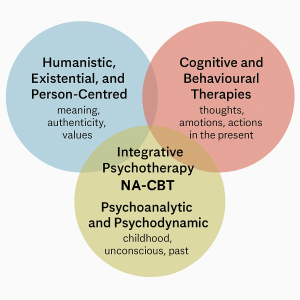
Within the broader CBT tradition, NA-CBT® can be understood as part of an emerging, process-based fourth wave, integrating neuroscience, physiology, lifestyle science, and embodied experience into psychological treatment.

While earlier waves of CBT focused on behaviour, cognition, and acceptance, NA-CBT® places affective underlayers such as shame, self-loathing, and internal threat, at the centre of formulation and intervention. Affect is treated as precognitive, fast, and survival-driven; cognition is the meaning-making layer built on top of it.

Central to this model is the Body–Brain–Affect triangle:

  • physiological states shape emotional and cognitive processes,
  • emotions influence thoughts and behaviour,
  • thoughts and behaviours, in turn, reshape physiology.

Within this system, TED functions as the physiological regulation arm of NA-CBT®, reducing background volatility so deeper psychological learning can occur.

Therefore, the central aim of NA-CBT® is helping clients distinguish between:

  • raw affect (the body’s immediate threat or pain signal), and
  • interpretation (the meaning the mind assigns to that signal)

When these collapse into one another, clients experience emotions as overwhelming, self-defining, or dangerous. TED helps slow this process down by first asking: what is the body signalling right now, and is the reaction accurately calibrated?


Why lifestyle belongs inside psychotherapy

When sleep is poor, movement is minimal, or blood glucose is unstable, clients often experience:

  • heightened anxiety or irritability
  • emotional reactivity and rumination
  • intensified shame and self-criticism
  • reduced tolerance for exposure, uncertainty, or intimacy

From an NA-CBT® perspective, these are not failures of willpower or insight. They are signs that the nervous system is operating under strain.

TED aims for sufficiency rather than optimisation. The goal is not perfect habits, but a stable internal environment that reduces threat sensitivity and supports emotional regulation as exemplied in the three case studies below.

Case examples (TED in action)

Case 1: Anxiety amplified by fatigue and metabolic instability

A client with panic-like anxiety noticed that their most intense fear spikes occurred late morning after poor sleep, skipped breakfast, and significantly increased caffeine and sugar intake. Using the TED self-check, they recognised that the fear was only partly warranted and heavily fuelled by tiredness and metabolic volatility. Addressing these factors first—reducing caffeine and sugar, introducing appropriate vitamins and minerals where indicated, and adding a daily morning walk—made later exposure work possible rather than overwhelming.

Case 2: Shame-driven depression softened through movement

Another client with chronic self-loathing noticed that shame spikes reliably followed long sedentary days. Short “exercise snacks” were introduced not as fitness goals, but as identity repair behaviours (“I am someone who cares for my nervous system”). Tracking the relationship between movement, mood, and self-attacks led to reduced shame intensity before deeper cognitive restructuring was attempted.

Case 3: Relationship reactivity reduced through physiological regulation

A client experiencing explosive arguments discovered that intense reactions often followed long workdays, exhaustion, poor sleep, and minimal movement. The TED self-check helped distinguish warranted relational frustration from unwarranted threat amplification, enabling repair conversations instead of escalation.


Assessment and formulation: the Pendulum-Effect model in context

NA-CBT® assessment extends beyond symptoms and surface cognitions to explore developmental affective learning.

A common pattern seen in clients with chronic shame, anxiety, or perfectionism involves early experiences such as: parents were hard to satisfy; poor school results or mistakes led to angry remarks, humiliation, withdrawal of warmth, or visible disappointment.

Over time, the child learns that performance determines safety and acceptance.

Core affect installed: shame

In this environment, a core affect of shame becomes installed. Shame functions as a predictive alarm: “If I fail, I will be exposed, rejected, or humiliated.”

This learning is not primarily cognitive. It is subcortical, embodied, and anticipatory. As adults, these individuals often experience shame spikes before anything has gone wrong. Situations involving evaluation, feedback, uncertainty, or rest activate the same prediction system.

Trigger pattern: most situations where failure is predicted (i.e., imaginal), not necessarily occurring, activate shame and internal threat.


The Pendulum-Effect: how shame maintains distress

NA-CBT® uses the Pendulum-Effect formulation to map how clients attempt to manage shame. Three poles typically emerge:

  • Overcompensation:
    Perfectionism, overworking, people-pleasing, hyper-preparation, harsh self-criticism as “motivation”.
  • Capitulation:
    Low mood, hopelessness, self-loathing, “What’s the point?”, giving up.
  • Avoidance:
    Social or professional withdrawal, procrastination, numbing behaviours, reassurance-seeking, distraction, emotional withdrawal.

Although these strategies look different, they share the same function: protecting against the felt experience of shame. Over time, however, they reinforce it.

Physiological vulnerabilities—poor sleep, low movement, metabolic instability—often increase the amplitude of the pendulum, making swings more intense and harder to interrupt. This is where TED becomes clinically central.


The TED Self-Check

A 30-second reset you can use anytime emotions start to spike

When you feel anxious, irritable, flat, overwhelmed, or stuck in self-criticism, pause. Before analysing yourself or the situation, gently run through these steps—without judgement.

1. What hurts right now — and where?

What is the actual pain signal in this moment?

Name the felt experience, not the story:

  • tight chest
  • heat in the face
  • drop in the stomach
  • lump in the throat

This separates raw affect from interpretation.


2. Is this emotional reaction warranted, unwarranted, or warranted to a degree?

Given the situation, does this intensity fit the facts—or is threat being amplified?

You are not asking “Is this emotion bad?”
You are asking “Is my nervous system accurately calibrated right now?”

Example:

  • Event: My boss says the presentation needs more work.
  • Interpretation: “This is terrible. I can’t tolerate this. I’m being shamed.”
  • Affect: Sharp shame spike, threat response.
  • Warrant check:
    • Some discomfort is warranted (feedback can sting).
    • The intensity of shame is only partly warranted.
    • A shame underlayer is amplifying the reaction.

This step creates psychological space without invalidating emotion.


3. TED check: what might be fuelling the spike?

T — Tiredness
How rested am I right now?

E — Exercise
How much have I moved today?

D — Diet
How steady is my energy and nourishment?

When the body is steadier, emotional calibration improves, and meaning-making becomes fairer!


Behavioural experiments and exposure work (with physiological support)

In NA-CBT®, exposure is framed as updating predictions, not forcing fear away.

For shame-based threat systems, exposure often involves:

  • allowing imperfection,
  • tolerating feedback without immediate self-attack,
  • staying present while shame sensations rise and fall.

TED is crucial here. When physiology is unstable, exposure can feel overwhelming or retraumatising. When the system is steadier through regular exercise, improved diet and sleep, clients can remain succesfully within the window of tolerance, allowing corrective learning to occur.

Behavioural experiments might include:

  • submitting work that is “good enough,”
  • asking a question without over-preparing,
  • delaying reassurance-seeking,
  • allowing small mistakes without immediate repair.

Each experiment tests the old prediction: “If I’m not perfect, I’ll be shamed or rejected.”


Shame and self-loathing repair

Because shame is the core affect, NA-CBT® does not rely on cognitive restructuring alone. Repair occurs across multiple levels:

  • Affective: staying with bodily shame sensations without collapse or attack
  • Narrative: identifying internalised parental voices and shame-based meanings
  • Relational: experiencing being seen without humiliation
  • Physiological: reducing baseline threat sensitivity through TED

Over time, clients develop a non-shaming internal regulator—an Integrated Self capable of noticing shame without obeying it.


Relapse prevention and self-regulation planning

Relapse prevention in NA-CBT® focuses on recognising early signs of pendulum acceleration, not eliminating emotion.

Clients learn to notice:

  • rising perfectionism or avoidance,
  • faster shame activation,
  • disrupted sleep, reduced movement, irregular eating.

Here, the TED self-check becomes a long-term inner compass. Returning to TED (i.e., the fundamentals – better sleep, exercise, better diet) during periods of stress often prevents full relapse by stabilising physiology before old affective loops take over.

Setbacks are reframed as signals, not failures: “My nervous system is under strain; what support does it need right now?”


Conclusion

Within NeuroAffective-CBT®, lifestyle regulation, affective formulation, exposure, and identity repair are not separate tracks. They are interlocking components of a single system aimed at recalibrating threat, softening shame dominance, and restoring psychological flexibility. TED does not replace depth work, in fact it makes deeper work possible. As such, the TED and Pendulum-Effect formulation modules in particular, can be used in conjunction with any school of psychotherapy, as illustrated in the case examples above. They offer a transdiagnostic framework for understanding how physiology, affect, and behaviour interact to maintain or reduce psychological distress.

NA-CBT®, is not necessarily a short-term protocol but a lifelong self-regulation compass. When emotions surge, clients are encouraged to return to three simple questions:

  • How tired am I?
  • How much have I moved?
  • How steady is my nourishment?

By repeatedly stabilising physiology first, clients gain greater freedom in how they think, feel, and act—supporting deeper emotional regulation, reduced shame, and more integrated identity over time.

Medical and Nutritional Disclaimer

The information on this page is provided for educational and therapeutic context only and is not intended as medical, nutritional, or prescribing advice. NeuroAffective-CBT® practitioners do not diagnose medical conditions or prescribe supplements outside of a comprehensive assessment and only if individual core profession allows it. As such, any discussion of nutrition, micronutrients, or lifestyle factors is offered as part of a psychological assessmnet formulation and should not replace consultation with a qualified medical professional. Clients are encouraged to discuss supplements, medications, and health concerns with their GP or relevant healthcare provider.

TED in NeuroAffective-CBT®: An Applied Self-Regulation Framework for Enhancing Emotional Well-Being through Sleep, Movement, and Nutrition

Daniel Mirea (10 December 2025)
NeuroAffective-CBT® | https://neuroaffectivecbt.com


Abstract

TED is a lifestyle-based self-regulation model within NeuroAffective-CBT® (NA-CBT®), designed to stabilise the Body–Brain–Affect triangle by targeting three powerful yet frequently neglected regulators of emotion: sleep, movement, and diet/metabolism. Framed both as a memorable acronym and as an imaginal “inner friend”, TED translates complex neuroscience into accessible, everyday actions that help individuals regulate mood, reduce cravings, strengthen self-esteem, and calm chronic threat responses.

Rather than replacing the medical–disease model, TED complements it by highlighting underrepresented biological and behavioural factors in psychotherapy: sleep quality, physical activity, metabolic health, and gut–brain communication (Goldstein & Walker, 2014; Jacka, 2017; Kandola et al., 2019). These are conceptualised as neuroaffective regulators that shape dopamine and serotonin function, circadian rhythms, inflammatory pathways, and vagal signalling (Slavich & Irwin, 2014).

Across the previously published TED series, eight instalments explored key pillars and adjuncts in depth (Creatine, Insulin Resistance, Omega-3 Fatty Acids, Magnesium, Vitamin C, Sleep, Exercise, and Nutrition). This final article integrates those findings into a coherent, applied framework, illustrating how TED can be used in assessment, formulation, treatment planning, and ongoing monitoring within NA-CBT®. While summarising converging evidence from neuroscience, nutritional psychiatry, and exercise physiology (Jacka et al., 2017; Stathopoulou et al., 2006; Craft & Perna, 2004), it also identifies priorities for future empirical research.

NeuroAffective-CBT® and TED are presented as part of an emerging, neuroscience-informed “fourth wave” of CBT that is cognitive, behavioural, affective, and deeply embodied.

Keywords: NeuroAffective-CBT; TED model; sleep; exercise; diet; emotional regulation; lifestyle science; neuroaffective psychotherapy.


Clinician Summary

What is TED?
TED (Tired–Exercise–Diet) is a lifestyle-based self-regulation framework at the heart of NeuroAffective-CBT®. It targets three key neuroaffective regulators: sleep and rest (Tired), movement and physical strengthening (Exercise), and diet/metabolism (Diet).

How is TED used?
TED operates in three interlocking ways:

  • as a checklist for physiological contributors to distress (“How tired am I? How much have I moved? What have I eaten and drunk today?”)
  • as an imaginal inner coach that reminds clients to “Tired–Exercise–Diet your way out of trouble” in moments of overwhelm, shame, or hopelessness
  • as a framework for integrating sleep, movement, and nutrition into assessment, formulation, treatment planning, and relapse prevention

Why does TED matter?
By improving sleep, movement, and diet, TED reduces physiological volatility, supports more stable dopamine and serotonin function, and calms threat and prediction systems. This embodied stability makes it easier for clients to benefit from core CBT techniques such as behavioural activation, cognitive restructuring, and exposure.

How does TED relate to medical care?
TED is not a replacement for medical care, pharmacotherapy, or other specialist input. It offers a practical, neuroscience-informed way for clinicians to bring lifestyle science into therapy while working collaboratively with GPs, psychiatrists, endocrinologists, and nutrition professionals.

Introduction: From Cinema TED to Clinical TED

In the adult comedy TED, a handsome yet emotionally struggling “alpha-male” forms an unlikely but deeply supportive bond with a small, wisecracking teddy bear, also called Ted. Despite his colourful vocabulary, Ted the bear becomes a reliable guide through crises, a companion the protagonist relies on when life becomes chaotic and overwhelming. He is flawed, humorous, sometimes inappropriate, but ultimately loyal and protective.

The TED model in NeuroAffective-CBT® borrows from this metaphor. TED is introduced as an imaginal trusted friend or inner coach who reminds us to “Tired–Exercise–Diet your way out of trouble” when emotions feel overwhelming. Clinically, TED operates in three interlocking ways:

  1. As a checklist – a rapid screen of sleep, movement, and diet/metabolism:
    How tired am I? How much have I moved? What have I eaten and drunk today?
  2. As an imaginal inner coach – a supportive internal friendly figure (e.g. could be, Ted the friendly teddy bear) who nudges clients toward self-care when the mind is flooded with shame, fear, or hopelessness.
  3. As a structured framework – a systematic method for integrating sleep, movement, and nutritional factors into assessment, formulation, intervention, and relapse-prevention work, ensuring that key physiological regulators of affect are addressed alongside cognitive and emotional processes.

Before describing TED in detail, it is helpful to situate it within the broader context of NeuroAffective-CBT® and an emerging fourth wave of CBT.

Beyond the Medical-Disease Model: Context and Rationale

The dominant approach to psychopathology for many decades has been the medical–disease model, which frames conditions such as depression and anxiety primarily in terms of disorders of brain chemistry. In this view, dysregulation of neurotransmitters like serotonin, norepinephrine, and dopamine is considered central, and treatment often focuses on pharmacological interventions designed to increase their availability or modify their signalling.

Psychiatrically prescribed medication can be life-saving and remains an essential part of treatment for many individuals struggling with mental illness. However, this model has clear limitations. It tends to downplay psychosocial, lifestyle, and environmental contributors to mental health; it risks reinforcing a passive identity (“my brain chemicals are broken”) and under-emphasising agency, context, and learning; and it often neglects the emerging evidence around gut–brain communication (Mirea, 2024), inflammation (Slavich & Irwin, 2014), glucose metabolism (Inchauspe, 2023), and physical activity (Kandola et al., 2019) as major determinants of emotional regulation.

For example, approximately 95% of the body’s serotonin is produced in the gut rather than the brain. The gut microbiome can produce GABA, a key inhibitory neurotransmitter that supports calm and relaxation. Gut health and mental health are therefore intimately linked, and interventions such as increased intake of natural pre- and probiotic foods (Greek yoghurt, kefir, garlic, green bananas, sauerkraut and others) can influence emotional states in ways that are not merely “psychological” but physiologically grounded (Jacka, 2017; Marx et al., 2017).

At the same time, converging evidence indicates that sleep deprivation, physical inactivity, and diets high in refined carbohydrates and added sugars profoundly affect mood, cognition, and affect regulation (Baglioni et al., 2011; Walker, 2017; Lassale et al., 2019). NA-CBT® and the TED model arise from the need to bring these lifestyle dimensions to the centre of psychotherapy, rather than treating them as optional “wellbeing tips” or peripheral lifestyle advice. TED proposes that in order to understand emotional dysregulation, and to support sustainable change, we must consider how a person sleeps, moves, and eats as integral components of case formulation and treatment.

NeuroAffective-CBT® and the Emergence of a Fourth Wave

NeuroAffective-CBT® is an integrative, transdiagnostic model that remains rooted in the evidence base of CBT while extending it in several important ways. As an extension of evidence-based CBT (Hofmann et al., 2012), NeuroAffective-CBT® integrates affective neuroscience and lifestyle science to address physiological and emotional regulation more comprehensively. It focuses explicitly on subclinical affective underlayers such as shame, self-loathing, and internal threat, which often cut across diagnostic categories and are central to chronic distress (Mirea, 2018a; Mirea, 2018b). It is grounded in a neuroaffective perspective that views the brain’s core function as prediction and protection (McEwen, 2007). Cognition and affect are understood as inseparable: affect acts as the organism’s rapid error-signalling system, whereas cognition forms the interpretative and meaning-making layer built upon it.

NA-CBT® emphasises the Body–Brain–Affect triangle, recognising that physiological states shape emotional and cognitive processes and that emotions, thoughts, and behaviours in turn shape physiological states. Within the broader CBT tradition, NA-CBT® and TED can be seen as part of an emerging fourth wave:

  • First wave: behavioural conditioning and observable learning.
  • Second wave: cognitive restructuring and the link between thoughts and emotions.
  • Third wave: contextual and acceptance-based models such as ACT, DBT, and mindfulness-based approaches.
  • Fourth wave (emerging): neuroscience-informed, transdiagnostic, and embodied CBT that integrates brain, body, lifestyle science, and authentic living (e.g., NeuroAffective-CBT®, Hypno-CBT®, Strength-based CBT, Process-based CBT).

This fourth wave synthesises and extends earlier CBT developments and incorporates insights from neuroscience, physiology, metabolism, and lifestyle science (Jacka, 2017; Kandola et al., 2019; Walker, 2017). It also examines macro-level contextual factors such as digitalisation and the increasing presence of AI, and how these shape attention, craving, emotional regulation, and interpersonal connection (Yang et al., 2016). NA-CBT® positions itself at this intersection, with TED serving as the practical lifestyle-regulation arm.

Beyond the TED framework, NeuroAffective-CBT® contributes several distinctive features to the emerging fourth wave of CBT. It places affective underlayers such as shame, self-loathing, and internal threat at the centre of formulation and intervention, offering a level of affective precision not typically found in traditional or third-wave models. Its Pendulum-Effect formulation provides a dynamic map of overcompensation, avoidance, and capitulation patterns, linking them directly to core affect and physiological states. NA-CBT® uniquely integrates subcortical affective neuroscience, positioning precognitive affect, not cognition, as the first layer of experience. Its prediction–protection model reframes symptoms as miscalibrated survival strategies rather than distortions or deficits. Through modules such as the Integrated Self, it emphasises identity consolidation and self-repair, complementing but extending beyond ACT or mindfulness-based work. Finally, NA-CBT® offers a deeply embodied perspective through the Body–Brain–Affect triangle, using physiological stabilisation as a prerequisite for cognitive and emotional change. Together, these contributions position NA-CBT® as a distinctive and fully articulated example of fourth-wave CBT.

Affect, Emotion and Regulation in NA-CBT®

Affect regulation refers to the ability to influence more primitive feeling states and bodily arousal using skills such as cognitive reappraisal, mindfulness, imagery, grounding, expressive work, and soothing behaviours (Palmer & Alfano, 2017). Emotion regulation, in contrast, involves the capacity to notice, label, interpret, and intentionally modulate specific emotions as they arise, integrating appraisal, meaning-making, and deliberate behavioural choices in response to internal or external cues.

Within NeuroAffective-CBT®, these processes are understood through the prediction–protection model. The brain is constantly predicting threat or safety, using prior learning to anticipate what will happen next and how dangerous it might be. The body’s signals would heavily shape what the brain predicts. When physiological systems become dysregulated, because of poor sleep, low movement, glucose instability, or inflammatory dietary patterns, the brain becomes more sensitive to threat cues and more prone to false alarms. Neutral events begin to feel dangerous, interpersonal signals are more easily misinterpreted, and emotional reactions tend to rise faster and hit harder.

TED was introduced more than fifteen years ago as a module within NA-CBT® precisely to stabilise these underlying physiological contributors to emotional volatility. By focusing on three lifestyle domains with particularly strong evidence bases, sleep/rest, physical activity, and diet/metabolism (Baglioni et al., 2011; Craft & Perna, 2004; Jacka et al., 2017), TED offers a practical route for reducing physiological volatility and supporting emotional steadiness. It provides both a language and a structure that clinicians and clients can use together to understand why emotional regulation sometimes fails and how it can be strengthened.

Hormones, Neurotransmitters, and Emotional Regulation

Hormones exert a significant influence on how reactive, energised, and emotionally sensitive we feel. Cortisol and adrenaline shape stress readiness; thyroid hormones regulate metabolic pace and cognitive clarity; and sex hormones such as oestrogen and testosterone contribute to mood stability, drive, and motivation. Yet hormones form only one layer of a much wider regulatory system that also includes neurotransmitters, neural circuits, lifestyle patterns, and learned psychological skills.

A simple way to explain this to clients is that hormones set the stage, neurotransmitters run the reactions, and thoughts, behaviours, and lifestyle influence both. Hormones establish the background level of sensitivity and reactivity, while neurotransmitters such as serotonin, dopamine, GABA, and glutamate govern moment-to-moment emotional responses, motivation, reward, soothing, learning, and intensity (Panksepp, 1998). These biological systems are then shaped and reshaped by experiences, relationships, and daily habits operating from “above” (thinking, interpretation, meaning) and “below” (body, physiology, affect) simultaneously.

Within NeuroAffective-CBT®, emotional regulation is understood as emerging from the interaction between these interconnected levels. At the neural level, the prefrontal cortex supports planning, perspective-taking, and self-control; the amygdala detects threat and salience; and the hippocampus encodes context and meaning. These structures interact through networks of neurotransmitters—serotonin supporting emotional steadiness, dopamine driving motivation and reward learning, GABA providing inhibitory calming, and glutamate facilitating excitation and learning (Panksepp, 1998; Serafini, 2012).

Hormonal systems modulate these neural processes by altering baseline arousal, sensitivity to stress, and metabolic readiness. Lifestyle factors such as sleep, movement, nutrition, blood sugar regulation, shape both hormonal and neurotransmitter environments. Learned psychological skills, such as cognitive restructuring, self-talk, mindfulness, and compassion, help individuals interpret and respond to internal and external events in ways that either escalate or soften emotional arousal.

Hormones therefore influence emotional life, but they do not dictate it. When cortisol is high, for instance, the body enters a stress-ready state; yet whether a person calms themselves, reframes the situation, seeks support, or spirals into panic depends on their skills, histories, and existing neural pathways, not cortisol alone. This perspective is central to NA-CBT®: it reduces a sense of biological fatalism and invites clients to see emotional regulation as a system they can influence rather than a fate imposed by hormones.

Within this model, affect originates in evolutionarily older systems. Jaak Panksepp’s (1998) work on primary affective systems suggests that mammals share basic circuits such as RAGE (anger), FEAR, PANIC/GRIEF (sadness), LUST, CARE, SEEKING, and PLAY (joy). These are precognitive, rapid, and deeply embodied. Once their signals enter awareness, they move into the domain of emotion, where the prefrontal cortex and associated networks interpret, label, and contextualise them in light of memory, beliefs, and social learning. Shame and guilt, for example, are not primary affects but secondary, cognitively mediated emotions, as they require self-reflection and social evaluation.

This distinction is clinically important. It helps therapists and clients recognise that intense feelings often reflect rapid, subcortical affective activations rather than “irrationality” or “character flaws”. It also underscores that emotional regulation must work in both directions: bottom up, through body, affect, and physiology, and top down, through cognition, meaning, and narrative (Palmer & Alfano, 2017).

TED targets this integrated system primarily from the bottom up. By stabilising sleep (Walker, 2017), movement (Craft & Perna, 2004), and nutrition (Jacka et al., 2017), TED reduces physiological volatility, supports more predictable affective responses, and makes higher-order emotional skills easier to access and practise in therapy.

The TED Model: Structure, Metaphor, and Mechanisms

Within NeuroAffective-CBT®, TED occupies a central position. The standard six-module structure of NA-CBT® comprises: Assessment and the Pendulum-Effect formulation; Psychoeducation and Motivation; TED (Tired–Exercise–Diet); the Integrated Self; Coping Skills; and Relapse Prevention. Although presented as discrete modules, the middle sections are conceptualised as intersecting and interchangeable; clinicians are encouraged to move fluidly between them according to client readiness, therapeutic timing, and clinical priorities. The only fixed elements are that therapy begins with a comprehensive assessment and concludes with relapse-prevention planning.

TED is formally introduced in Module 3, but its principles are woven throughout Modules 3 to 6, supporting emotional regulation, cognitive flexibility, and long-term resilience (see Figure 2). Clinically, TED can be summarised in a single phrase: “Tired–Exercise–Diet your way out of trouble.” Yet behind this apparently simple slogan lies a structured framework.


Figure [1]

TED sits at the centre of the model because stabilising sleep, movement, and nutrition provides the physiological foundation required for deeper cognitive, emotional, and behavioural change across all later modules.


There are three main ways in which TED operates. It functions as a checklist: Has this person slept? How well? Have they moved today? What, when, and how have they eaten and drunk? It functions as a personal guide or inner friend: the internal TED who nudges us towards healthier choices when the mind feels overwhelmed or hopeless. And finally, it functions as a framework for assessment, formulation, and intervention, integrating physiological, emotional, and cognitive levels into a coherent plan.

The empirical foundation for TED rests on a substantial body of research showing that sleep quality, physical activity, and diet consistently predict mental health outcomes, including mood, cognitive function, and stress resilience. Studies in student, adult, and clinical samples repeatedly highlight that these “big three” health behaviours are strongly associated with emotional well-being. TED’s contribution is to translate this knowledge into a simple, clinically actionable structure that fits naturally within CBT practice.

With this backdrop, we can turn to the three pillars of TED in more detail.

The “T”: Tired – Sleep and Rest

“T” stands simultaneously for being physically tired and emotionally exhausted. It signals the need to attend to basic sleep hygiene and rest, and it can also carry a motivational subtext: “Aren’t you tired of feeling this way? Let us sleep, exercise, and diet our way out of this.”

Sleep deprivation is now recognised as a central risk factor for a wide range of mental health problems (Baglioni et al., 2011; Mauss et al., 2013). Across decades of research, no major psychiatric condition has been found in which sleep is consistently normal. Everyday experience aligns with this: a parent who has slept poorly commonly reports a “short fuse”, heightened irritability, and emotional reactivity the next day.

Neuroscientific work, including studies from the University of California, Berkeley, has helped clarify why this occurs. When well rested, medial prefrontal regions maintain robust connections with the amygdala, acting as a rational, context-sensitive control system for emotional responses (Goldstein & Walker, 2014). Under sleep deprivation, this connection weakens or “decouples”, leaving the amygdala hyper-reactive and more likely to misinterpret neutral or mildly unpleasant stimuli as threatening (Ben Simon et al., 2020). As a result, individuals become more emotionally volatile with reduced regulatory capacity.

Despite this evidence, sleep is still often under-assessed in psychotherapy. NA-CBT® and TED place sleep at the centre of affect regulation work. Clinically, this includes not only encouraging approximate targets such as eight hours of sleep per night, aligned as far as possible with natural circadian rhythms and dark hours, but also exploring beliefs and emotions around sleep itself. Many clients experience shame and performance anxiety about their sleep, viewing it as another area of failure. Non-punitive sleep logging, focusing on patterns and benefits rather than self-criticism, becomes an important intervention. Psychoeducation based on accessible resources, such as the work of Matthew Walker (Walker, 2017), supports behavioural changes and provides a compelling rationale for prioritising sleep.

TED also draws attention to behaviours that undermine sleep: heavy meals or late strength training close to bedtime, late-night screen use, excessive caffeine, alcohol effects on sleep architecture, and unregulated napping. Addressing these patterns often yields surprisingly rapid improvements not only in fatigue but also in mood, cognitive clarity, concentration, and stress tolerance (Palmer & Alfano, 2017).

Sleep is therefore not a peripheral wellbeing tip but a central determinant of emotional regulation. Within the TED model, stabilising sleep is treated as a primary intervention that reduces baseline physiological volatility, allowing clients to access higher-order cognitive and emotional skills more effectively during therapy.

The “E”: Exercise – Movement and Strength

E” represents exercise, or more broadly movement and physical strengthening. Regular physical activity is one of the most robust non-pharmacological interventions for mental health (Craft & Perna, 2004; Stathopoulou et al., 2006; Kandola et al., 2019). It supports immune function and hormonal regulation, increases neuroplasticity and brain-derived growth factors, enhances protein synthesis and brain repair, reduces stress hormones, and improves mood. Importantly, it also strengthens self-efficacy and body confidence, which are highly relevant in work with shame and self-loathing.

From an evolutionary perspective, human bodies and brains developed in environments that demanded varied physical activity, not sedentary, screen-based living combined with high-sugar food availability. Our species’ curiosity, resilience, and physical robustness historically supported exploration and survival; TED reintroduces these ingredients in a modern therapeutic context, not as idealised athletic targets but as realistic, sustainable movement practices that support emotional regulation.

Within TED and NA-CBT®, exercise is always tailored to the individual’s age, sex, health status, cultural context, and physical ability. The emphasis falls on daily, sustainable movement, not perfection or performance. Therapy may involve alternating between strengthening and relaxation-focused modalities: for example, combining resistance training, walking, or team sports with practices such as yoga, breath-based techniques, or Progressive Muscle Relaxation (PMR).

PMR, first described by Edmund Jacobson (Jacobson, 1974), is particularly relevant in NA-CBT®. Clients sequentially tense and relax muscle groups while practising diaphragmatic breathing and focused attention. Over time, they learn to distinguish “tense” from “relaxed” internal states, identify where stress is held in the body, and actively release muscular tension. This somatic awareness often becomes an anchor in emotional regulation work, especially for individuals who struggle to notice early signs of escalation.

Condition-specific approaches can also be used judiciously. Martial arts may support people with low confidence or assertiveness difficulties, providing a structured, embodied context for practising boundaries and power. Team sports can evolve into graded-exposure opportunities for those with social anxiety, allowing contact and cooperation in a meaningful, non-clinical context. In contrast, bodybuilding may be contraindicated for some clients with body dysmorphic disorder where it risks reinforcing preoccupation and compulsive checking. In each case, the task is to co-design a movement plan that honours the client’s values, identity, and health, while gently expanding their sense of agency.

Beyond emotional regulation, exercise directly affects metabolic and reward systems. Regular movement increases muscle mass and therefore glucose-storage capacity, making metabolic stability easier to achieve (Kandola et al., 2019). As insulin sensitivity improves, emotional fluctuations and cravings often reduce. Exercise also influences dopamine pathways associated with motivation, anticipation, and reward learning (Phillips, 2017), contributing to reductions in rumination, anhedonia, and stress reactivity.

In this way, the exercise pillar of TED becomes more than a behavioural recommendation; it is a neuroaffective intervention that shapes physiology, emotion, and cognition simultaneously.

The “D”: Diet – Nutrition, Metabolism, and the Body–Brain-Affect Axis

D” stands for diet, encompassing both eating and drinking. The link between diet and mental health is surprisingly direct and increasingly well-documented, yet historically it has been underexamined within psychological practice. Food is not simply fuel or a matter of “healthy” versus “unhealthy” choices. It is deeply cultural, embedded in rituals, celebrations, and identity; it is emotional, tied to comfort, attachment, and memories; it is social and sometimes spiritual, woven into community life, values, and fasting practices.

TED recognises this complexity while focusing on the core biological mechanisms through which diet influences emotional regulation, cognition, and motivation. Modern diets in many contexts are high in refined carbohydrates and added sugars. This pattern produces repeated glucose spikes that contribute to increased fat storage, low-grade systemic inflammation, accelerated tissue ageing through glycation, and insulin resistance that can progress to type 2 diabetes. Crucially, early metabolic dysregulation often presents with psychological symptoms such as irritability, anxiety, low motivation, disturbed sleep, reduced libido, fluctuations in mood, and emotional reactivity. It is not uncommon for individuals to be treated for anxiety or depression without screening for metabolic contributors.

Insulin is central to this picture, transporting glucose into liver and muscle cells and, once those are saturated, into fat cells. Regular exercise increases muscle mass and therefore increases glucose-storage capacity, illustrating the synergy between the exercise and diet pillars of TED (Craft & Perna, 2004). As insulin sensitivity improves, blood sugar levels become more stable, and emotional fluctuations and cravings often reduce (Inchauspe, 2023).

From a neurobiological standpoint, sugar dependence can be genuinely difficult to shift. Repeated sugar intake drives dopamine release and reinforces reward learning in patterns that resemble other habit-forming or addictive patterns (Stathopoulou et al., 2006; Wise et al., 2016). Over time, a paradox often emerges: people feel less energised but more dependent on sugar, even as health consequences accumulate.

Emerging research on the gut–brain axis extends this understanding beyond microbiome composition alone. Work by researchers such as Maya Kaelberer has identified specialised neuropod cells in the gut that detect nutrients like glucose and amino acids and convert this detection into fast electrical signals to the brain (Kaelberer et al., 2018). This suggests that the gut can detect genuine metabolic reward and communicate it within milliseconds, helping explain why organisms consistently prefer sugar-water to certain artificial sweeteners even when both taste equally sweet. For clients, this underscores that cravings are not purely “in the mind”; they reflect learned neurobiological patterns linking gut detection, dopamine, and prediction.

Diet quality also interacts with inflammation and depression. Mediterranean-style diets rich in vegetables, fruits, fibre, fish, and healthy fats are associated with reduced depressive symptoms and improved emotional resilience (Jacka et al., 2017; Opie et al., 2018; Lassale et al., 2019). Conversely, ultra-processed, high-sugar diets increase systemic inflammation, a robust predictor of depression, anxiety, and metabolic disorders (Slavich & Irwin, 2014). Diets rich in micronutrients—including B-vitamins, folate, omega-3 fatty acids, vitamin D, magnesium, and vitamin C—support neuroplasticity and new learning, which are central to emotional flexibility in CBT (Serafini, 2012; André et al., 2008).

TED therefore treats diet as a neuroaffective process rather than a purely behavioural one. In clinical work, this may involve exploring not only what people eat but why, when, and how. Beliefs such as “Food is good if it tastes good”, “Eating this makes me a good or bad person”, or “I deserve this after a hard day” are explored gently. Through mindful eating and cognitive reframing, clients learn to soften rigid narratives, reduce guilt, stabilise eating patterns, and cultivate a more compassionate approach to self and nourishment.

Psychological Assessment and Bloodwork Analysis

Although TED is a lifestyle-first framework, it recognises that specific micronutrients can provide meaningful support for mood, energy, and emotional balance when used appropriately. Vitamin C contributes to the synthesis of key neurotransmitters involved in stress and well-being (Serafini, 2012); magnesium supports sleep, muscle relaxation, and anxiety regulation (Palmer & Alfano, 2017); omega-3 fatty acids reduce inflammation and support brain health (Marx et al., 2017); vitamin D plays a central role in immunity and mood stability, particularly in winter months (Lassale et al., 2019); and creatine enhances cellular energy, with emerging evidence for its role in stress tolerance and cognitive functioning (Juneja et al., 2024).

TED does not promote supplements as substitutes for sleep, movement, nutrition, or appropriately prescribed treatment. Rather, it emphasises careful physiological assessment at the outset of therapy, so that these foundational systems can be supported and improved. Many experiences that are often interpreted as purely psychological, fatigue, irritability, low mood, mental fog, anxiety, can in fact arise from underlying physiological issues such as dysregulated blood glucose or early insulin resistance (Jacka, 2017; Inchauspe, 2023), vitamin D deficiency (Lassale et al., 2019), iron deficiency (particularly in women), vitamin B12 insufficiency, magnesium depletion, thyroid dysfunction, or other metabolic irregularities.

For this reason, NeuroAffective-CBT® encourages routine bloodwork early in therapy where possible, alongside collaborative working with GPs, endocrinologists, nutritionists, and even personal trainers when appropriate. CBT psychotherapists, clinical psychologists, and other doctoral-level therapists are not expected to function as nutritionists or physicians. Nevertheless, a working knowledge of the neurobiology of sleep, exercise, and nutrition is increasingly important—not only because these domains interface with the medical–disease model, but because disruptions in these systems are directly relevant to psychological treatment rather than peripheral “wellbeing advice.” Routine blood tests frequently reveal co-occurring issues such as low vitamin D, iron, or B-vitamin levels, as well as untreated or under-treated thyroid dysfunctions (Jacka, 2017). Recognising these patterns does not turn the psychotherapist into a medical prescriber, but it does allow for more informed questioning, clearer integration within case formulation and treatment planning, improved liaison with medical professionals, and compassionate normalisation for clients who struggle to understand why their emotional system may feel chronically overtaxed.

As Figure [2] illustrates, hormones exert a significant influence on how reactive, sensitive, and energised we feel. Cortisol and adrenaline underpin both acute and chronic stress states (McEwen, 2007), shaping irritability, hyper-alertness, and emotional overwhelm. Thyroid hormones, together with dopamine, regulate energy, drive, vitality, and cognitive clarity (Phillips, 2017), while sex hormones such as oestrogen and testosterone play central roles in emotional stability, motivation, confidence, and overall well-being. When these systems drift out of balance, whether through chronic stress, metabolic disturbance, or natural hormonal fluctuations, emotional sensitivity often increases and mood becomes more vulnerable to rapid shifts. Hormonal balance therefore contributes meaningfully to emotional regulation, although it is only one component within a broader regulatory system that also includes neurotransmitters such as serotonin (Serafini, 2012), lifestyle factors such as sleep, movement, and diet (Walker, 2017; Kandola et al., 2019), and learned psychological skills.


Figure [2]

Hormonal balance clearly shapes emotional sensitivity and reactivity.
Hormones are only one part of the regulatory system.


Within the TED model, micronutrients are therefore conceptualised as strategic adjuncts rather than foundations. When they are clinically indicated, medically monitored, and integrated into a comprehensive therapeutic plan, they can help stabilise the physiological terrain on which psychological intervention takes place. By pairing targeted micronutrient science with the core pillars of sleep, movement, and nutrition, TED supports a biologically grounded, holistic approach to emotional health that honours the body–brain integration at the heart of NeuroAffective-CBT®.

Ultimately, this integrated approach helps therapists distinguish between primarily psychological processes and biologically driven symptoms, and to incorporate both levels into their case formulation. Addressing relevant physiological imbalances alongside psychological work often makes treatment more efficient, precise, and sustainable, and offers clients a more coherent explanation for their difficulties and their recovery.

Implementation of TED within NeuroAffective-CBT®

As noted earlier, TED is the third therapy module within the six-module NA-CBT® structure: Assessment and Pendulum-Effect; Psychoeducation and Motivation; TED; the Integrated Self; Coping Skills; and Relapse Prevention. Although presented as separate headings, NA-CBT® conceptualises the middle modules as overlapping and interchangeable. Clinicians are invited to move back and forth between them according to clinical priorities and the client’s readiness. The only fixed points are a thorough assessment at the start and a considered relapse-prevention phase at the end.

The Pendulum-Effect case formulation, introduced during assessment (Mirea, 2018a; Mirea, 2018b), is particularly relevant to TED. It conceptualises self-sabotaging strategies such as, comfort eating, excessive drinking, withdrawal, or overworking, as reinforcing patterns of self-neglect rather than failures of willpower. The formulation maps the dynamic interactions between core affect (e.g., shame, guilt, fear, anger, or disgust), shame-based beliefs and self-loathing narratives, and the maladaptive compensatory strategies of overcompensation, avoidance, and capitulation. It also highlights physiological vulnerabilities such as overeating and metabolic instability (Jacka, 2017), disrupted sleep from rumination (Mauss et al., 2013), and chronically low movement (Kandola et al., 2019). TED is woven through this formulation as both a target of change and a stabilising resource, addressing the physiological factors that maintain the pendulum’s swing. A typical example might be: I overeat alone because it makes me feel better (overcompensation); nobody wants to see me anyway (capitulation); so I might as well stay home and avoid answering invitations or reaching out (avoidance). Over time, these oscillating patterns reinforce the very shame and self-loathing from which they originally attempted to protect.

In early sessions, assessment extends beyond symptoms and cognition to examine sleep patterns and circadian disruption (Walker, 2017), movement levels and physical conditioning (Craft & Perna, 2004), dietary habits and cravings (Inchauspe, 2023), and available medical information such as bloodwork and metabolic markers (Jacka et al., 2017). Given the rising incidence of metabolic difficulties across age groups, NA-CBT® encourages collaborative relationships with healthcare providers and does not restrict itself to a purely psychological lens.

The psychoeducation and motivation module introduces clients to the Brain-Core Function model of prediction and protection (Mirea, 2018a), the Body–Brain–Affect triangle, and the role of sleep, movement, and diet in shaping emotional reactivity, cravings, and cognitive clarity (Walker, 2017; Kandola et al., 2019; Jacka, 2017). TED is framed as an inner friend or supportive internal coach who prompts daily self-checks (“How tired am I?”, “How much have I moved today?”, “What have I eaten and drunk today?”). This externalises self-regulation in a non-shaming, accessible way and helps clients gradually internalise healthier habits.

Goals are then set collaboratively and intentionally kept small, concrete, and measurable. Adjusting bedtime by even twenty or thirty minutes, adding a brief daily walk, bringing forward the last meal of the day, or reducing one marked source of daily glucose spikes can all serve as early steps. These steps are framed as experiments rather than rigid rules, reducing pressure and allowing curiosity and learning to guide change.

Clients are encouraged to track sleep, movement, diet, mood, and cravings between sessions. These logs strengthen self-efficacy and help link physiological changes with emotional and cognitive patterns, supporting the collaborative empiricism at the heart of CBT (Hofmann et al., 2012). TED is then integrated with core CBT interventions such as behavioural activation, cognitive restructuring, exposure and response prevention, and mindfulness or compassion-based practices. As physiological stability improves, clients often find that cognitively and emotionally challenging work becomes more tolerable and more effective.

Applied Practice Examples

Clinical case material helps illustrate how TED operates in practice. One client presenting with volatile mood swings and intense shame spirals showed notable improvement after consistent work on sleep hygiene, including earlier bedtimes, a reduction in evening screen time, lighter evening meals, and increased daylight exposure in the morning. As sleep stabilised, emotional volatility decreased, and the client described feeling “less on edge” and more able to engage with cognitive restructuring.

In another case, a client sought therapy for work-related stress and depression. Their pattern of skipping breakfast, relying on late-night dinners, and consuming multiple teas and coffees during the day contributed to fragmented sleep and reduced workplace efficiency. Tailored psychoeducation, alongside structured changes in sleep routine and meal patterns, led to markedly improved daytime productivity and better stress regulation within weeks. The client’s sense of self-efficacy also increased, making them more willing to address deeper beliefs about worth and failure.

TED’s exercise pillar also plays a role in craving regulation. Regular movement, even at modest levels such as brisk walking or light resistance training, often reduces sugar cravings and ruminative thinking within days. As insulin sensitivity improves and dopamine signalling becomes more stable, the learned association between emotional distress and sugary foods weakens. Clients report feeling less “pulled” towards certain foods and more capable of choosing alternatives that align with their values and health goals. Unplanned benefits often arise: modest weight loss, improved muscle tone, and enhanced physical confidence, all of which support self-appreciation and self-esteem. These early wins are framed not as pressure to “do more” but as evidence of the client’s growing strength and capacity to care for themselves.

Diet-related case examples also highlight the role of beliefs and expectations. In one instance, bloodwork revealed significant iron deficiency in a female client who had labelled her longstanding exhaustion, cognitive fog, and menstrual migraines as “depression.” Psychoeducation about mood, physiology, and the impact of blood loss, combined with appropriate iron supplementation and dietary adjustments, led to marked improvements in energy, anxiety, and confidence over a relatively short period. A problem that had been experienced as a fixed psychological defect was reframed as a largely correctable biological imbalance embedded within a broader emotional context.

TED is particularly helpful in work with shame and self-loathing. In early sessions, clinicians explore these core affects and the resultant self-sabotaging strategies, framing them non-judgementally as understandable, historically adaptive patterns that once protected the client. Comfort eating, for example, may function as a pendulum-like oscillation between overcompensation and capitulation: “I eat to feel better and I stay at home, safely away from people who I believe dislike me anyway.” Excessive drinking, withdrawal, and overworking can operate through similar mechanisms of self-protection that inadvertently become self-neglect. TED enters here as a gentle, embodied pathway into change. When the “mind and heart” feel overwhelmed or intractable, TED redirects attention to the body, which can often be supported more immediately and predictably.

For clients apprehensive about trauma-focused work or deep exploration of shame, TED offers a stabilising starting point. As physiological dysregulation settles and concrete changes accumulate, more complex work, trauma processing, addressing entrenched shame, challenging self-loathing, or revising internalised narratives, becomes safer and less overwhelming. Clients begin to experience themselves as capable of caring for their bodies, which strengthens self-respect, reduces shame, and nurtures a more compassionate relationship with the self.

Implications for Psychotherapy Practice

The TED model offers a range of practical and conceptual advantages for clinicians seeking to integrate lifestyle science into psychotherapeutic work. By positioning sleep, movement, and diet as core regulatory mechanisms rather than secondary lifestyle factors, TED provides a clear framework for understanding how physiological states shape affect, cognition, and behaviour.

First, TED facilitates genuine lifestyle–mental health integration. It invites clinicians to bring questions about sleep, activity, and diet into the heart of case formulation, particularly in cases where emotional dysregulation, chronic shame, or persistent anxiety have not responded sufficiently to cognitive or behavioural strategies alone. By stabilising the body–brain system through targeted lifestyle adjustments, clients often become more receptive to therapeutic interventions and experience improvements in mood, concentration, and resilience that would be difficult to achieve through cognitive work alone.

Second, TED reframes cravings, whether for sugar, carbohydrates, emotional eating, alcohol, or even digital media, as learned, prediction-driven responses rooted in the brain’s reward and metabolic systems. This reframing allows clinicians to normalise cravings rather than judge or pathologise them. Clients learn to see cravings as modifiable neuro-behavioural habits shaped by past learning and current physiology. Behavioural tools such as exposure, response prevention, and habit reversal can then be applied, alongside cognitive strategies for reappraising urges and anticipating triggering contexts, and physiological strategies for stabilising sleep and blood sugar.

Third, TED provides accessible psychoeducational language that demystifies complex neuroscience. Terms such as “tired brain”, “hungry amygdala”, “glucose crash”, “all over the place hormones”, brain predicting threats”, or “inner TED coach” help clients visualise how their physiological state influences their emotional reactions. This clarity typically reduces self-blame, increases motivation, and strengthens the therapeutic alliance. For many clients, TED becomes a daily reference point for self-regulation outside sessions.

Fourth, TED naturally supports motivational work by emphasising small, achievable, and trackable changes. Adjusting bedtime slightly, adding short movement breaks throughout the day, bringing a meal forward, or reducing a single high-glucose food can all be framed as experiments that accumulate into meaningful change. These micro-behaviours provide early wins that reinforce self-efficacy, particularly helpful for clients who feel overwhelmed, hopeless, or stuck in patterns of avoidance and self-criticism.

Fifth, TED aligns seamlessly with third-wave therapies such as ACT, DBT, mindfulness-based interventions, and compassion-focused approaches. It provides the physiological grounding for concepts like acceptance, values-based action, distress tolerance, present-moment awareness, and self-compassion. By stabilising physiological states, TED enhances clients’ capacity to engage in exposure, mindfulness exercises, grounding techniques, and metacognitive work, making psychological flexibility more accessible. At the same time, its explicit integration of neuroscience, lifestyle science, and biologically informed self-regulation positions TED, and NA-CBT® more broadly, not only as compatible with third-wave approaches but as part of a developing fourth wave of CBT in which cognitive, behavioural, affective, and embodied interventions are more fully synthesised.

Finally, TED offers a framework for understanding and responding to the challenges of digital life. Sleep patterns, attention, cravings, and emotional processing are increasingly shaped by screens, notification systems, food delivery ecosystems, and AI-driven attention-capturing loops. TED enables clinicians to help clients explore how digital environments interact with the three pillars: late-night screen use disrupting sleep, sedentary work reducing movement, food delivery apps increasing access to high-glucose foods, and constant online stimulation affecting reward sensitivity and craving. In this way, TED remains relevant to emerging cultural and technological realities.

Using TED in Your Therapy Practice

Early Sessions: Assessment and Hypothesis Building
Dedicate some session time to a structured TED assessment. Map sleep patterns, movement levels, and dietary routines alongside internalised shame, self-loathing, overwhelming affect, and the client’s compensatory, avoidant, or capitulating strategies. Begin developing a hypothesis, such as the Pendulum-Effect formulation, linking physiological dysregulation with emotional volatility and behavioural coping.

Socratic dialogue should be gentle, curious, and function-focused, helping clients discover the purpose behind their patterns rather than defending against judgement. Useful questions include:

  • “What does overeating or drinking give you in the short term?”
  • “If this behaviour is an overcompensation, what might it be protecting you from feeling?” (overcompensation)
  • “When you withdraw or drink alone, what emotion are you moving away from?” (avoidance)
  • “Is there a part of you that believes you deserve to feel bad or shouldn’t ask for support?” (capitulation)
  • “Where do you see yourself on the pendulum—pushing hard, giving up, or avoiding?”
  • “How does poor sleep or unstable blood sugar shape your emotional reactions?”

These questions help uncover the oscillation between overcompensation, capitulation, and avoidance, and set the stage for how TED can stabilise the physiological base that supports emotional regulation.

Early–Middle Sessions: Co-Creating Small, Concrete Experiments Introduce one small, achievable change in each TED pillar, tailored to the client’s readiness, needs, and physical ability. Collaboratively set goals and provide brief psychoeducation that links these changes to emotional regulation, metabolic stability, and bloodwork findings when available. Examples include:

  • Bringing bedtime forward by 20–30 minutes, adapted to the client’s lifestyle, routines, and sleep challenges.
  • A 10-minute daily walk, structured movement break, or sports activity, chosen in line with the client’s interests, physical ability, and therapeutic goals.
  • Moving the last main meal earlier in the day, tailored to the client’s schedule and eating patterns, supported by psychoeducation about glucose regulation and relevant bloodwork findings.
  • Taking clinically appropriate supplements indicated by bloodwork (e.g., vitamin D, iron, omega-3, magnesium), always under medical guidance.
  • Reducing one predictable source of daily glucose spikes, such as sugary snacks, sugary drinks, or late-night eating.

Encourage the use of simple tracking tools, sleep logs, movement logs, food logs, or continuous/flash glucose monitors where appropriate, to build insight into how physiological shifts influence mood, cravings, and cognitive clarity. These tracking measures support collaborative empiricism and help normalise the link between daily habits and emotional regulation.

Middle Sessions: Linking Physiology to Emotion and Cognition
As clients log sleep, movement, diet, and cravings, use these patterns to illustrate how physiological stability supports emotional steadiness and cognitive flexibility. Help clients notice:

  • how improved sleep strengthens emotional tolerance
  • how regular movement reduces cravings and rumination
  • how steady glucose levels soften shame spirals and urgency
  • how nutritional changes affect mood, fatigue, and motivation

Socratic questions deepen insight:

  • “What do you notice happens to your mood on days when you sleep better?”
  • “How does movement affect the intensity or duration of difficult feelings?”
  • “What patterns do you see between your eating rhythms and your triggers?”

TED then becomes a living part of the formulation, showing how stabilising physiology enhances the effectiveness and tolerability of behavioural activation, cognitive restructuring, and exposure work.

Relapse Prevention: Embedding TED as a Long-Term Inner Coach
In the final phase, TED becomes a personalised self-regulation checklist and internal companion. Clients learn to ask themselves:

  • “How tired am I?”
  • “How much have I moved today?”
  • “What have I eaten or drunk that might affect my mood?”

TED is framed as an inner guide—protective, stabilising, and compassionate—rather than a set of behavioural rules. Some clients benefit from using a literal teddy bear or symbol to anchor this internalisation.

In this way, TED supports long-term resilience by strengthening embodied awareness, preventing physiological drift, and sustaining the emotional stability needed for continued psychological growth.

Additional Socratic Questions

The following questions can be adapted depending on the client’s history, readiness, and goals.

Exploring Function and Purpose:

  • “What does this behaviour give you in the short term?”
  • “What does it help you avoid emotionally?”
  • “What happens internally just before the behaviour starts?”
  • “If the behaviour could talk, what would it say it is trying to protect you from?”

Exploring Shame and Self-Loathing Underlayers:

  • “What does this behaviour say about how you see yourself?”
  • “Is there an old belief or story about yourself that gets activated here?”
  • “If someone you cared about struggled in this way, how would you interpret their behaviour?”

Exploring the Pendulum-Effect:

  • “Where do you notice yourself on the pendulum—pushing hard, giving up, or avoiding?”
  • “What triggers a shift from one end of the pendulum to the other?”
  • “What would a more balanced middle position look like for you?”

Linking TED to Emotional Patterns:

  • “How does your sleep or lack of sleep influence how quickly you reach this behaviour?”
  • “Do cravings or urges feel stronger on days when you’ve eaten in a certain way?”
  • “When your energy is low, which part of the pendulum do you tend to move toward?”

Building Insight and Motivation:

  • “What would change if you had 10% more sleep or energy this week?”
  • “Which TED pillar feels easiest to adjust first?”
  • “What small shift could help the pendulum swing less violently?”
  • “Which of these would feel like the smallest possible step forward?”
  • “What would a 10% improvement look like this week?”
  • “How will we know if this experiment is helping?”

Limitations and Future Research

While TED is grounded in clinical practice and supported by an existing evidence base drawn from multiple disciplines, dedicated empirical evaluation of TED as a specific framework is still emerging. Future research should include randomised controlled trials comparing standard CBT with NA-CBT® incorporating TED, as well as longitudinal studies tracking lifestyle changes and emotional outcomes over time (Hofmann et al., 2012). Mediation analyses exploring pathways such as improved sleep leading to reduced emotional reactivity (Mauss et al., 2013; Ben Simon et al., 2020) and enhanced self-esteem, or dietary change reducing inflammation and improving mood and cognition (Slavich & Irwin, 2014; Jacka et al., 2017), would be particularly valuable.

Cross-cultural and developmental studies are needed to examine the generalisability of TED across different age groups, cultural contexts, and health systems. Dose–response investigations could clarify the intensity and duration of sleep, exercise, and dietary changes required to produce clinically meaningful improvements (Kandola et al., 2019; Walker, 2017). Mechanistic studies incorporating biomarkers such as inflammatory markers (Slavich & Irwin, 2014), insulin sensitivity indices (Jacka, 2017), microbiome profiles (Marx et al., 2017), and neuroimaging would help map the physiological pathways through which TED exerts its effects. Finally, further work is needed to evaluate micronutrients and supplements as adjuncts, rather than replacements, to psychotherapy and medication within an integrated neuroaffective framework (Marx et al., 2017; Juneja et al., 2024).

Conclusion and Clinical Caveats

NeuroAffective-CBT® remains firmly anchored in the evidence-based strengths of traditional CBT. Its cognitive and behavioural techniques, long proven effective across a wide range of disorders (Hofmann et al., 2012), continue to form the backbone of therapeutic change. TED extends these foundations by highlighting a simple but often overlooked truth: psychological suffering does not occur independently of biology, and emotional healing does not unfold in isolation from the body’s regulatory systems.

Hormones, neurotransmitters, metabolic processes, and sleep–wake rhythms continuously influence how individuals feel, think, and relate. Cortisol affects stress sensitivity (McEwen, 2007); adrenaline heightens fear and readiness; oxytocin fosters bonding and trust. Thyroid hormones, oestrogen, and testosterone support mood stability, motivation, and energy (Phillips, 2017). At the same time, the brain’s regulatory circuits, the prefrontal cortex, amygdala, hippocampus, and associated networks, govern moment-to-moment emotional responses through neurotransmitters such as serotonin, dopamine, GABA, and glutamate (Serafini, 2012). Within this landscape, TED fills a critical therapeutic gap by providing a framework that honours the dynamic interplay between biological foundations, affective patterns, learned psychological habits, and behavioural skills.

TED reminds us that hormones may set the stage, neurotransmitters may shape moment-to-moment emotional reactions, and thoughts and habits continually influence both. Emotional regulation arises from the integration of all these systems, not from any single one. By stabilising physiology, improving sleep quality, increasing movement, and optimising nutrition, clients gain access to greater cognitive flexibility, emotional steadiness, and healthier behavioural patterns. This embodied stability allows deeper therapeutic work to take root, including trauma processing, shame reduction, and the reshaping of entrenched beliefs.

As metabolic disturbance, sleep dysregulation, sedentary lifestyles, and nutritional deficiencies increase globally, psychotherapy can no longer afford to ignore the body. The future of effective mental health intervention lies at the intersection of brain, body, affect, and behaviour, exactly where TED is positioned. By integrating lifestyle science with neuroaffective principles, NeuroAffective-CBT® represents an emerging “fourth wave” of CBT: neuroscience-informed, embodied, and responsive to the realities of modern living and one that may be understood philosophically as a movement towards more authentic living.

At the same time, it remains essential to emphasise that TED and related lifestyle interventions do not replace medical care or psychiatric treatment. Routine health checks and bloodwork, especially from adolescence onwards, are vital given rising rates of diabetes, metabolic disorders, and nutritional deficiencies. Supplements should remain adjunctive, ideally used under medical guidance, rather than replacing prescribed medication. TED is best understood as a self-regulation framework that invites clinicians and clients alike to recognise that meaningful psychological change is not purely cognitive; it is profoundly physiological.

By attending to how we sleep, move, and eat, we cultivate not only emotional resilience but also a more compassionate, empowered relationship with the Self. TED offers a concise yet comprehensive way of weaving sleep, movement, and diet into psychotherapy. It bridges neuroscience, lifestyle medicine, and cognitive–behavioural interventions in ways that are accessible to both clinicians and clients. Ultimately, TED encourages us to view physiology as the fertile soil in which psychological change grows, reminding us that lasting transformation is not only a matter of thought but of the whole embodied person.


Clinical Disclaimer
The TED framework and NeuroAffective-CBT® concepts described here are for educational and clinical training purposes only. They do not constitute medical advice, diagnosis, or treatment. Clinicians should work collaboratively with medical professionals when addressing sleep difficulties, metabolic conditions, nutritional deficiencies, or medication. Individuals seeking help for mental or physical health difficulties should consult their GP, psychiatrist, or other appropriate healthcare provider.


References:

André, R.B., Lopes, M. & Fregni, F., 2008. A systematic review and meta-analysis of clinical studies on major depression and BDNF levels: Implications for the role of neuroplasticity in depression. International Journal of Neuropsychopharmacology, 11, pp.1169–1180.
DOI: https://doi.org/10.1017/S1461145708009015

Baglioni, C. et al., 2011. Insomnia as a predictor of depression: A meta-analytic evaluation of longitudinal epidemiological studies. Journal of Affective Disorders, 135(1–3), pp.10–19.
DOI: https://doi.org/10.1016/j.jad.2011.01.011

Ben Simon, E., Oren, N. & Walker, M.P., 2020. Sleep loss and the waning of affective control. Current Opinion in Behavioral Sciences, 33, pp.1–6.
DOI: https://doi.org/10.1016/j.cobeha.2019.12.003

Conner, T.S., Brookie, K.L., Richardson, A.C. & Polak, M.A., 2017. On carrots and curiosity: Eating fruit and vegetables is associated with greater flourishing in daily life. British Journal of Health Psychology, 22(2), pp.321–335.
DOI: https://doi.org/10.1111/bjhp.12245

Craft, L.L. & Perna, F.M., 2004. The benefits of exercise for the clinically depressed. Primary Care Companion to the Journal of Clinical Psychiatry, 6(3), pp.104–111.
URL: https://www.ncbi.nlm.nih.gov/pmc/articles/PMC474733/

Crum, A.J., Corbin, W.R., Brownell, K.D. & Salovey, P., 2011. Mind over milkshakes: Mindset influences how the body responds to food. Health Psychology, 30(5), pp.424–429.
DOI: https://doi.org/10.1037/a0023467

Duman, C.H. & Duman, R.S., 2015. Spine synapse remodeling in the pathophysiology and treatment of depression. Neuroscience Letters, 601, pp.20–29.
DOI: https://doi.org/10.1016/j.neulet.2015.01.022

Goldstein, A.N. & Walker, M.P., 2014. The role of sleep in emotional brain function. Annual Review of Clinical Psychology, 10, pp.679–708.
DOI: https://doi.org/10.1146/annurev-clinpsy-032813-153716

Hofmann, S.G. et al., 2012. The efficacy of cognitive behavioral therapy: A review of meta-analyses. Cognitive Therapy and Research, 36(5), pp.427–440.
DOI: https://doi.org/10.1007/s10608-012-9476-1

Inchauspe, J., 2023. The Glucose Goddess Method. [Kindle edition].

Jacka, F.N. et al., 2010. Association of Western and traditional diets with depression and anxiety in women. American Journal of Psychiatry, 167(3), pp.305–311.
DOI: https://doi.org/10.1176/appi.ajp.2009.09060881

Jacka, F.N., 2017. Nutritional psychiatry: Where to next? EBioMedicine, 17, pp.24–29. DOI: https://doi.org/10.1016/j.ebiom.2017.02.020

Jacka, F.N. et al., 2017. A randomised controlled trial of dietary improvement for adults with major depression (the SMILES trial). BMC Medicine, 15, p.23.
DOI: https://doi.org/10.1186/s12916-017-0791-y

Jacobson, E. (1974). Progressive Relaxation. Chicago: University of Chicago Press.

Juneja, K., Malik, I., Roy, K., Singh, A., Basu, A., Yadav, R. & Singh, S., 2024. Creatine supplementation in depression: A review of mechanisms, efficacy, clinical outcomes and future directions. Journal of Affective Disorders Reports, 19, p.100592.

Kaelberer, M.M., Buchanan, K.L., Klein, M.E., Barth, B.B., Montoya, M.M., Shen, X. & Bohórquez, D.V., 2018. A gut-brain neural circuit for nutrient sensory transduction. Science, 361(6408), eaat5236.
https://doi.org/10.1126/science.aat5236

Kalmbach, D.A., Pillai, V., Roth, T. & Drake, C.L., 2018. The interplay between daily affect and sleep: A 2-week study of young women. Journal of Sleep Research, 27(1), e12502. DOI: https://doi.org/10.1111/jsr.12502

Kandola, A., Ashdown-Franks, G., Hendrikse, J., Sabiston, C.M. & Stubbs, B., 2019. Physical activity and depression: Towards understanding the antidepressant mechanisms. Neuroscience & Biobehavioral Reviews, 107, pp.525–539.
DOI: https://doi.org/10.1016/j.neubiorev.2019.09.040

Kang, H.J. et al., 2012. Decreased expression of synapse-related genes and loss of synapses in major depressive disorder. Nature Medicine, 18(9), pp.1413–1417.
DOI: https://doi.org/10.1038/nm.2886

Lai, J.S. et al., 2014. Dietary patterns and depression in community-dwelling adults: A systematic review and meta-analysis. American Journal of Clinical Nutrition, 99(1), pp.181–197.
DOI: https://doi.org/10.3945/ajcn.113.069880

Lassale, C. et al., 2019. Healthy dietary indices and depressive outcomes: Systematic review and meta-analysis. Molecular Psychiatry, 24(7), pp.965–986.
DOI: https://doi.org/10.1038/s41380-018-0237-8

Lubans, D.R. et al., 2016. Physical activity for cognitive and mental health in youth: A systematic review of mechanisms. Pediatrics, 138(3), e20161642.
DOI: https://doi.org/10.1542/peds.2016-1642

Marx, W. et al., 2017. Nutritional psychiatry: The present state of the evidence. Proceedings of the Nutrition Society, 76(4), pp.427–436.
DOI: https://doi.org/10.1017/S0029665117002025

Mauss, I.B., Troy, A.S. & LeBourgeois, M.K., 2013. Poorer sleep quality is associated with lower emotion-regulation ability. Cognition and Emotion, 27(3), pp.567–576.
DOI: https://doi.org/10.1080/02699931.2012.727783

McEwen, B.S., 2007. Physiology and neurobiology of stress and adaptation: Central role of the brain. Physiological Reviews, 87(3), pp.873–904.
DOI: https://doi.org/10.1152/physrev.00041.2006

Mirea, D., 2018a. NeuroAffective-CBT®: Advancing the frontiers of CBT. NeuroAffective-CBT.
URL: https://neuroaffectivecbt.com/2018/07/24/describing-na-cbt/

Mirea, D., 2018b. The Underlayers of NeuroAffective-CBT. Academia.edu.
URL: https://www.academia.edu/40996196/The_underlayers_of_NeuroAffective_CBT_by_Mirea_D

Mirea, D., 2018c. NeuroAffective-CBT for Clinical Perfectionism. ResearchGate.
URL: https://www.researchgate.net/publication/382254468

Mirea, D., 2024. If My Gut Could Talk to Me, What Would It Say? NeuroAffective-CBT.
URL: https://neuroaffectivecbt.com/2024/07/12/if-my-gut-could-talk-to-me-what-would-it-say/

Mirea, D., 2025. Why Your Brain Craves Certain Foods (and How TED Can Help You Rewire It…). NeuroAffective-CBT.
URL: https://neuroaffectivecbt.com/2025/09/17/why-your-brain-makes-you-crave-certain-foods/

Mirea, D., 2025. TED Series – Part VII: Physical Exercise, Sports Science and Mental Health. NeuroAffective-CBT. Available at: https://neuroaffectivecbt.com/2025/10/31/ted-series-part-vii-physical-exercise-sports-science-and-mental-health/ [Accessed 27 November 2025].

Opie, R.S., O’Neil, A., Jacka, F.N., Pizzinga, J. & Itsiopoulos, C., 2018. A modified Mediterranean diet for major depression: Feasibility and protocol from the SMILES trial. Nutritional Neuroscience, 21(7), pp.487–501.
DOI: https://doi.org/10.1080/1028415X.2017.1411320

Panksepp, J. (1998) Affective Neuroscience: The Foundations of Human and Animal Emotions. New York: Oxford University Press.

Palmer, C.A. & Alfano, C.A., 2017. Sleep and emotion regulation: An organising review. Sleep Medicine Reviews, 31, pp.6–16.
DOI: https://doi.org/10.1016/j.smrv.2015.12.006

Phillips, C., 2017. Physical activity and neuroplasticity in mood disorders. Neural Plasticity, 2017, Article 7014146.
DOI: https://doi.org/10.1155/2017/7014146

Rush, A.J. et al., 2006. Acute and longer-term outcomes in depressed outpatients: A STAR*D report. American Journal of Psychiatry, 163(11), pp.1905–1917.
DOI: https://doi.org/10.1176/ajp.2006.163.11.1905

Schlitt, J.M., Downes, M., Young, A.I. & James, K., 2022. The “Big Three” health behaviours and mental health in university students. The Canadian Review of Social Studies, 9(1), pp.13–27.
URL: https://thecrsss.com/index.php/Journal/article/view/298

Serafini, G., 2012. Neuroplasticity and major depression: The role of antidepressants. World Journal of Psychiatry, 2(3), pp.49–57.
DOI: https://doi.org/10.5498/wjp.v2.i3.49

Slavich, G.M. & Irwin, M.R., 2014. From stress to inflammation and depression: A social signal transduction theory. Psychological Bulletin, 140(3), pp.774–815.
DOI: https://doi.org/10.1037/a0035302

Stathopoulou, G., Powers, M.B., Berry, A.C., Smits, J.A.J. & Otto, M.W., 2006. Exercise interventions for mental health: A review. Clinical Psychology: Science and Practice, 13(2), pp.179–193.
DOI: https://doi.org/10.1111/j.1468-2850.2006.00021.x

Walker, M.P., 2017. Why We Sleep: Unlocking the Power of Sleep and Dreams. London: Penguin Books.

Wise, P.M., Nattress, L., Flammer, L.J. & Beauchamp, G.K., 2016. Reduced sugar intake alters sweet taste intensity but not pleasantness. American Journal of Clinical Nutrition, 103(1), pp.181–189.
DOI: https://doi.org/10.3945/ajcn.115.113605

Yang, C.C. et al., 2016. State and training effects of mindfulness meditation on brain networks. Neural Plasticity, 2016, Article 9504642.
DOI: https://doi.org/10.1155/2016/9504642

TED Series – Part VIII: The Hidden Conversation: How Nutrition Shapes Emotional States


Daniel Mirea (October 2025)
NeuroAffective-CBT® | https://neuroaffectivecbt.com


Abstract

In this eighth instalment of the TED (Tired–Exercise–Diet) Series, we turn to the neuroscience of food and drink, how what we consume shapes emotional regulation, cognitive performance, and overall mental health. Food is not merely fuel; it is information – biochemical data moving continuously from gut to brain and back again, influencing motivation, focus, mood, and even how we learn and relate.

Introducing TED within the NA-CBT® Framework

Within the NeuroAffective-CBT® framework, TED (Tired, Exercise, Diet) functions as the biologically grounded scaffold of self-regulation that stabilises the Body–Brain–Affect triangle. Here, “D” for Diet is not a list of prohibitions or lifestyle prescriptions. It represents a set of neuro-behavioural levers capable of modulating dopamine, serotonin, immune signalling, circadian rhythm, and the vagus-mediated gut–brain axis, the intricate “wiring loom” that connects body and mind (Mirea, 2023; Mirea, 2025).

Earlier instalments in this series examined the key physiological regulators that underlie emotional and cognitive balance:

Creatine – cellular energy and motivation (Part I)
Insulin Resistance – metabolic flexibility and mood (Part II)
Omega-3 Fatty Acids – neuronal membrane integrity (Part III)
Magnesium – stress buffering and neural inhibition (Part IV)
Vitamin C – antioxidant defence and neurotransmitter synthesis (Part V)
Sleep – the neurobiology of fatigue and recovery within the Tired pillar (Part VI)
Exercise, Sport Science and Movement – strength and resilience (Part VII)

This final chapter focuses on Diet, how nutrition interacts with the emotional brain and how eating can steady the mind, foster neuroplasticity, and restore a coherent dialogue between body and affect. Each meal sends molecular messages, amino acids, fatty acids, micronutrients that speak directly to our emotional circuitry. If sleep restores and movement activates, diet sustains, it provides the biochemical landscape on which both rest and action depend.

Understanding this hidden conversation allows us to view nutrition not as restriction, but as regulation – a way of cultivating emotional steadiness and cognitive vitality through biochemical literacy. Within NeuroAffective-CBT®, such literacy transforms eating from an automatic behaviour into an intentional act of self-alignment.

Important: TED articles complement, not replace, medical advice! Always discuss changes to diet, supplements, or treatment with your GP or qualified health professional.


When Food Became Feeling

The Evolutionary Roots of Emotional Nutrition

The connection between what we eat and how we feel seems obvious at first glance. Food is survival, and the brain, nature’s master regulator of survival, is inevitably obsessed with what we ingest. To keep us alive, it rewards us for consuming what nourishes and warns us against what harms. In that sense, emotions are communication tools: they push or pull us toward or away from things essential to survival. Pleasure tells us to approach; disgust tells us to avoid.

Emotions are central to every moment of our lives, shaping perception, decision, and meaning. Yet despite their importance, few of us truly understand where emotions come from or how deeply they intertwine the brain and body. Emotion is not a phenomenon that happens in the head alone; it is a full-body event, a conversation between neural circuits, hormones, muscles, and sensory organs (Huberman, 2023).

The scientific story of emotion stretches back centuries, from Darwin’s early theories of universal emotional expression to modern neuroscience. Darwin (1872) proposed that emotions evolved as adaptive action programs, biologically embedded to guide behaviour and secure survival. This idea has since found robust confirmation in neuroimaging and behavioural research (Panksepp, 1998).

According to Dr Andrew Huberman, Professor of Neurobiology at Stanford University, the two most robust and universal emotional responses are approach and avoidance. When we encounter something we like for instance, a pleasant smell or taste, the correspondent behaviour is to lean in, inhale, and expand our posture to take in more of it. When we encounter something we dislike, our default behavioural response or instinct is to lean back, turn away, or even hold our breath, a remnant of ancient mechanisms that once protected us from ingesting toxins or inhaling pathogens (Huberman, 2023).

These primitive body movements reflect the underlying logic of emotion itself: a biological push–pull system that regulates approach and aversion. Deep brain structures such as the basal ganglia contain “go” circuits that promote action and “no-go” circuits that inhibit it – mechanisms that operate beneath conscious awareness yet determine much of our emotional behaviour (Mirea, 2023; Huberman, 2023).

From this perspective, emotions are the brain’s predictions about necessary actions in any given moment. They are not arbitrary feelings but dynamic signals that prepare the body to move, toward nourishment or away from threat. Food, therefore, sits precisely at this decision point. Taste, smell, interoception, and posture converge to produce motivation and choice.

Since the dawn of our species, emotion and nourishment have been partners in survival. The infant’s first emotional learning arises through feeding: hunger, relief, pleasure, comfort. Long before we had words, flavour was communication. Even today, every bite still speaks to the nervous system – an unbroken dialogue between physiology and feeling.

In NeuroAffective-CBT®, emotion is described as a body–brain–affect circuit. The body gathers sensory and chemical data; the brain interprets that data into feeling; affect then drives behaviour – approach or avoidance. Food is part of that loop. Each meal is both nutrition and information.

TED Takeaway: We do not just eat to live; we live through what we eat. Food is our first emotional language. Design your environment so that “move-toward” cues lead you to the foods that truly support you. Make the right choice the easy choice!


The Gut: A Second Brain with Its Own Voice

How the Microbiome Speaks the Language of Emotion

Inside your abdomen lives a civilisation of roughly 39 trillion microorganisms, weighing about as much as your brain. Together, they form the gut microbiome, an ecosystem that digests food, manufactures vitamins, regulates immunity, and produces neuroactive chemicals such as serotonin and GABA, both of which directly influence mood, calmness, and emotional tone (Wei et al., 2022; Appleton, 2018).

Astonishingly, about 95% of the body’s serotonin, often called the “happy chemical”, is synthesised not in the brain, but in the gut’s enterochromaffin cells (Wei et al., 2022). When this microbial community thrives, serotonin and GABA levels rise, helping the brain register safety and satisfaction. When inflammation, stress, or poor diet disturb the microbiome, the system tips into imbalance, and emotional symptoms often emerge as irritability, anxiety, or low mood (Appleton, 2018).

This intricate conversation between the gut and the brain travels along the vagus nerve, the body’s longest cranial nerve, connecting the brain to nearly every major organ. It meanders from the brainstem through the chest to the intestines, touching the heart, lungs, and liver along its route. It is, in effect, the biological internet cable linking your internal organs to your emotional life. When the gut releases inflammatory or distress signals, the vagus nerve carries those alarms upward to the brain; when we breathe slowly, hum, sing, or chew mindfully, it transmits calm signals in the opposite direction (Lu et al., 2024).

But this communication is not purely chemical. Within the gut wall lies a network of neuropod cells, remarkable sensory units discovered by Dr Maya Kaelberer and colleagues at Duke University. These cells are equipped with electrical synapses that can detect nutrients such as glucose, amino acids, and fatty acids, and then send rapid signals directly to the brain (within milliseconds), to shape perception, emotion, and appetite (Kaelberer et al., 2018).

This discovery explains why the gut is sometimes referred to as the “second brain.” It does not merely digest; it perceives. The gut continuously samples the external world through food, drink, and bacteria and, informs the brain about what is safe, satisfying, or potentially harmful. It helps explain cravings, aversions, and the emotional resonance of eating. When you enjoy a morning coffee with a biscuit, the gut’s chemical sensors are already communicating with your midbrain reward circuits, producing the pleasurable surge that fuels alertness and comfort.

In NeuroAffective-CBT®, this gut–brain dialogue embodies the biological foundation of interoceptive awareness, also known as, the ability to sense internal bodily states. When we practise mindfulness or direct calm, non-judgemental attention inward, we become more attuned to these subtle signals. Over time, this practice refines emotional regulation by aligning bodily feedback with cognitive understanding (Goldin and Gross, 2010; Mirea, 2024).

From the rectum to the oesophagus, this 9–10 metre canal is not only our largest internal organ but arguably our most socially connected one, continually interpreting the external world through what we ingest and how we feel. As we begin to appreciate this complexity, we can see that mental health is not confined to the brain. It is a networked experience, a dialogue between neurons, microbes, and meaning.

TED Takeaway: When your gut talks, your brain listens. Nourish that conversation!


Good Bacteria, Bad Mood: The Microbiome and Depression

When Emotional Health Depends on Microbial Harmony

The phrase “gut feeling” has never been more literal. In recent years, neuroscience has confirmed what intuition long suspected, that our mental health depends not only on the chemistry of the brain but also on the ecology of the gut. The bacteria, fungi, and viruses that inhabit our intestines do far more than digest food; they influence emotion, immunity, and even identity. When that internal ecosystem becomes imbalanced, mood often follows.

Research has shown that people suffering from depression or chronic anxiety tend to have less diverse gut microbiomes, alongside a higher concentration of bacterial species that produce inflammatory metabolites (Kelly et al., 2016; Foster et al., 2021). These molecules can cross the blood–brain barrier, altering neurotransmitter balance and disrupting neural circuits involved in mood regulation. In a striking series of animal experiments, transferring gut bacteria from a depressed mouse to a healthy one was enough to induce depressive behaviours in the recipient (Zheng et al., 2016).

Early human studies echo these findings. In small clinical trials, faecal microbiota transplants (FMT) from non-depressed donors temporarily improved depressive symptoms in treatment-resistant patients (Valles-Colomer et al., 2019). While the idea of “transplanting happiness” remains more metaphorical than practical, these results demonstrate a powerful biological truth: our emotional wellbeing is influenced by the microbial conversations happening below the diaphragm.

When the microbiome loses diversity, certain gut bacteria begin releasing pro-inflammatory cytokines, immune messengers that signal distress throughout the body. The brain interprets these signals as threat or fatigue, activating neural circuits associated with low mood, lethargy, and loss of pleasure. In this way, inflammation acts as a bridge between gut imbalance and emotional imbalance (Miller and Raison, 2016).

Conversely, cultivating a healthy and varied microbiome supports resilience. Factors that enhance microbial diversity include:

A fibre-rich, plant-based diet with fermented foods and minimal ultra-processed ingredients.
Regular aerobic exercise, which increases microbial species richness.
Consistent sleep patterns, since gut flora follow circadian rhythms of their own.

The connection between gut health and depression is not just theoretical. The landmark SMILES trial (Jacka et al., 2017) demonstrated that a Mediterranean-style diet, rich in whole grains, legumes, vegetables, and olive oil, reduced depressive symptoms by about 30% within twelve weeks. Importantly, these improvements were independent of social support, confirming that what we eat can influence mood directly through biological pathways.

This evolving field, sometimes called nutritional psychiatry, reframes mental health as an ecosystem problem rather than a purely chemical one. As the NeuroAffective-CBT® model suggests, emotional regulation is an embodied skill, a dialogue between body, brain, and affect (Mirea, 2023). The gut microbiome, communicating through the vagus nerve and immune signalling, is an active participant in that dialogue.

When we eat poorly, we’re not just starving our bodies; we’re silencing billions of microscopic allies whose job is to keep our minds in balance. Rebuilding that internal community is therefore not just a digestive act, it is an act of self-care, a physiological form of emotional literacy.

TED Takeaway: A healthy mind begins in a healthy gut. Diversity in your diet builds diversity in your emotions. Feed the bacteria that help you feel alive.


Feeding the Mind from the Inside Out

How Nutrition Speaks the Language of Emotion

If the gut is a second brain, then every meal is a message. What we eat doesn’t just fill us, it informs us, shaping mood, motivation, and resilience through a constant biochemical dialogue between microbes and mind. In the NeuroAffective-CBT® model, this represents the living interface between body, brain, and affect: the nutritional conversation that regulates how we feel and function (Mirea, 2023).

When we eat well, the gut microbiome flourishes. Beneficial bacteria such as Lactobacillus and Bifidobacterium convert dietary fibre and complex carbohydrates into short-chain fatty acids like butyrate, which reduce inflammation and support the integrity of the gut lining (Cryan et al., 2019). These molecules also cross into the bloodstream, where they influence brain chemistry, increasing serotonin and BDNF (brain-derived neurotrophic factor), both critical for stable mood and cognitive flexibility.

By contrast, processed foods rich in refined sugar and saturated fats feed inflammatory microbes, producing cytokines that weaken the gut barrier and signal distress to the brain (Miller and Raison, 2016). The emotional fallout can manifest as irritability, fatigue, and a sense of mental fog – the psychological shadow of biological inflammation.

The Role of Prebiotics and Probiotics

Two categories of food play an especially important role in nurturing the gut–brain connection: prebiotics and probiotics.

Prebiotics are the fibres that feed beneficial bacteria, found abundantly in garlic, onions, oats, bananas, walnuts, and polyphenol-rich foods like olive oil, berries, and red grapes. Regular consumption of these foods maintains a diverse microbial population, strengthening the body’s immune and emotional defences (Gibson et al., 2017).

Probiotics, by contrast, are the bacteria themselves, living microorganisms that, when consumed in sufficient quantities, support the health of the microbiome. These are found in fermented foods such as yoghurt, kefir, sauerkraut, miso, tempeh, and kombucha. When ingested regularly, probiotics can influence the production of neurotransmitters like GABA, the calming chemical that reduces anxiety and promotes relaxation (Sarkar et al., 2016).

Because of their measurable effect on mental health, some clinicians now call these organisms psychobiotics, living agents that support psychological wellbeing through the gut–brain axis (Dinan et al., 2013).

Timing, Movement, and Mindfulness

Timing matters too. Probiotic capsules and fermented foods are most effective when taken on an empty stomach or before a light meal, allowing beneficial bacteria to pass through the stomach’s acidic environment without being destroyed (Appleton, 2018).

Movement also plays a part. Aerobic exercise, brisk walking, cycling, swimming, improves microbial diversity, enhances vagal tone, and increases BDNF, reinforcing both mental and emotional resilience (Biddle et al., 2019). Likewise, consistent sleep supports microbial rhythms that align with the circadian cycle, anchoring energy and emotional stability.

Finally, mindfulness serves as the behavioural amplifier of this entire system. Paying attention to what and how we eat, slowing down, tasting, and breathing, activates the parasympathetic nervous system via the vagus nerve, enhancing digestion and emotional regulation. Mindful eating isn’t a trend; it’s neurobiology in action (Goldin and Gross, 2010).

The Emotional Ecology of Eating

Each meal is both nourishment and feedback. The brain interprets the gut’s chemical and mechanical signals, fullness, acidity, nutrient quality, and translates them into emotion. When the body says safe, the mind feels calm. When the body says threat, the mind feels uneasy. Over time, the foods we choose either reinforce stability or erode it.

In this sense, food is not just nutrition; it’s participation in a living ecosystem, one that rewards diversity, balance, and attention. The microbiome is not a silent partner; it is a dynamic community that mirrors how we live. A chaotic diet creates inner noise. A mindful one restores harmony.

TED Takeaway: Care for your microbes as you would a garden: feed them, move with them, let them rest. They return the favour with energy, clarity, and emotional balance. Mindfulness is not a trend; it’s neurobiology in action.


Diet and Depression: What the SMILES Trial Taught Us

How Food Became a Form of Therapy

For decades, the relationship between food and mood has been treated as secondary, a lifestyle footnote rather than a therapeutic pathway. Yet emerging evidence now places diet at the centre of mental health. The food on your plate can influence neurotransmitters, inflammation, neuroplasticity, and ultimately, your emotional resilience.

The clearest demonstration of this came from Australia in 2017, when Professor Felice Jacka and her team published the landmark SMILES Trial (Supporting the Modification of lifestyle in Lowered Emotional States). The study asked a deceptively simple question:
“Could changing one’s diet treat depression as effectively as conventional therapies?”.

A New Kind of Antidepressant

The researchers recruited adults diagnosed with major depressive disorder and divided them into two groups. One group received regular social support sessions, conversation, connection, and empathy. The other met with a dietitian who guided them through a modified Mediterranean diet, rich in vegetables, fruits, legumes, whole grains, fish, and olive oil, while minimising processed foods, sugar, and refined carbohydrates (Jacka et al., 2017).

After twelve weeks, the results were striking. The diet group showed a 32% reduction in depressive symptoms, compared to only 8% in the social-support group. Roughly one in three participants in the dietary intervention achieved full remission from depression, without medication changes.

Follow-up research (Opie et al., 2018; Lai et al., 2013) replicated these findings: when we nourish the brain with anti-inflammatory foods and micronutrients that enhance serotonin, dopamine, and BDNF, mood stabilises and cognition sharpens. The Mediterranean diet wasn’t simply helping people feel better; it was changing their biology.

Why It Works: Inflammation and Neuroplasticity

The mechanism is now clearer. Diets high in refined sugar, processed fats, and artificial additives trigger systemic inflammation, increasing pro-inflammatory cytokines that interfere with neurotransmitter metabolism (Miller and Raison, 2016). Chronic inflammation dampens neuroplasticity, the brain’s ability to form and strengthen neural connections, especially in regions like the hippocampus and prefrontal cortex, both vital for motivation and emotional regulation.

In contrast, Mediterranean-style diets are anti-inflammatory. They deliver omega-3 fatty acids, polyphenols, antioxidants, folate, and B-vitamins, all of which support synaptic growth, mitochondrial health, and neurotransmitter balance (Marx et al., 2017). Within days, high-quality nutrition can raise levels of BDNF, a protein that acts as fertiliser for neurons, improving learning, memory, and emotional flexibility (André et al., 2008).

In NeuroAffective-CBT®, this biological process mirrors the therapeutic one: both involve rewiring, re-establishing communication between disrupted neural circuits. When inflammation drops and BDNF rises, the emotional brain becomes more responsive to therapy, mindfulness, and behavioural change (Mirea, 2023). Diet doesn’t replace psychotherapy; it prepares the terrain for it.

Food as Behavioural Change

From a behavioural perspective, modifying diet is itself a neuroaffective intervention. Choosing whole foods over processed ones engages the prefrontal cortex, the brain’s executive centre, and strengthens self-regulation circuits. This is the same cognitive–emotional skill that therapy trains: recognising impulses and acting intentionally. Each meal becomes an opportunity to practise regulation, reward delay, and self-care.

Moreover, eating well reinforces a positive feedback loop. Balanced blood sugar and nutrient-rich foods stabilise the autonomic nervous system, calming the vagus nerve and reducing emotional reactivity. Over time, people report not only better mood but also a greater sense of clarity and motivation, biological calm translating into psychological coherence.

The SMILES trial and subsequent studies remind us that emotional healing can begin with something as ordinary as lunch. A colourful plate may be the most accessible form of neurochemistry we possess.

TED Takeaway: Changing what’s on your plate can change what’s on your mind. Food is the most consistent, self-administered antidepressant you’ll ever take.


Inflammation, Neuroplasticity, and the Healing Brain

How the Body’s Chemistry Shapes the Mind’s Resilience

For most of the twentieth century, depression was described as a chemical imbalance, a deficiency of serotonin, dopamine, or noradrenaline that could be corrected with medication. That model helped reduce stigma and offered effective treatments for many, but it left out something crucial: why those chemical imbalances occurred in the first place.

Over the past two decades, neuroscience has reframed this understanding. We now know that depression and anxiety are not simply deficits in neurotransmitters but disorders of connectivity and plasticity. In other words, the problem lies not only in the chemicals themselves, but in the wiring that allows brain cells to communicate (Duman and Duman, 2015; Serafini, 2012).

The Fire Within: How Inflammation Shapes Emotion

Inflammation is the body’s ancient alarm system; a protective mechanism designed to fight infection and heal injury. But when the immune system becomes overactive through chronic stress, poor diet, or environmental toxins, this inflammation becomes systemic. Pro-inflammatory cytokines like IL-6 and TNF-α flood the bloodstream and reach the brain, where they disrupt neurotransmission, reduce serotonin availability, and interfere with energy metabolism in neurons (Miller and Raison, 2016).

This inflammatory “fog” particularly affects the hippocampus and prefrontal cortex, regions crucial for motivation, memory, and self-reflection. Inflammation shrinks dendritic spines, weakens synapses, and slows the birth of new neurons, a process called neurogenesis (Kang et al., 2012). The result is a brain less capable of flexibility, learning, and emotional recovery.

But here lies the hopeful paradox: if the brain can become unwell through maladaptive plasticity, it can also heal through adaptive plasticity. The very circuits that fall silent under inflammation can reignite when nourished, exercised, and engaged through therapy.

Food as Neural Fertiliser

Anti-inflammatory diets, particularly Mediterranean-style nutrition, provide the building blocks for neuroplasticity. Omega-3 fatty acids, B-vitamins, folate, and antioxidants all contribute to the production of Brain-Derived Neurotrophic Factor (BDNF), a protein that promotes the growth and repair of synaptic connections (André et al., 2008).

In both humans and animals, increased BDNF correlates with reduced depressive symptoms and enhanced learning capacity (Duman and Duman, 2015). Even more striking, changes in BDNF can occur within days of improving diet, exercise, or sleep patterns (Serafini, 2012). Antidepressant medications, mindfulness training, and aerobic activity all elevate BDNF through similar pathways, demonstrating that biological and psychological interventions converge on the same neural mechanisms (Yang et al., 2016).

This overlap helps explain why the NeuroAffective-CBT® model emphasises a multi-system approach: emotion, cognition, and physiology are not separate domains but parallel feedback loops. When diet reduces inflammation, therapy becomes more effective. When therapy enhances self-regulation, it reduces physiological stress. The brain heals through both bottom-up and top-down signals, food and thought working in tandem.

The Practice of Rewiring

In clinical terms, neuroplasticity means that the brain can literally change its structure in response to experience. New synapses form as we learn, and old, unused ones dissolve. This principle, “neurons that fire together wire together”, describes both learning and healing.
Every act of mindful eating, exercise, or reframed thought in therapy strengthens certain circuits and weakens others. Over time, these microscopic changes accumulate into a macroscopic shift in emotional stability. Healing is not a switch; it’s a training process, a gradual re-sculpting of the brain’s networks through repeated experience.

From Inflammation to Integration

Understanding depression as an inflammatory and connectivity disorder allows us to see recovery as a process of integration, not correction. The goal is not to “fix” a broken brain but to create the conditions, nutritional, psychological, and relational, in which it can heal itself.

When inflammation subsides, BDNF rises, and neuroplasticity reawakens, the brain regains its natural rhythm of adaptation. The world begins to look different not because it has changed, but because the neural machinery perceiving it has been renewed.

TED Takeaway: Depression isn’t just in your mind it’s in your wiring. Reduce inflammation, nourish your brain, and practise new ways of thinking: that’s how neurons learn hope.


Energy, Glucose, and the Emotional Roller-Coaster

How Blood Sugar Shapes Behaviour and Mood

Every emotion has a metabolic signature. The brain’s ability to focus, regulate mood, or recover from stress depends on a steady supply of energy, and that energy runs almost entirely on glucose. Yet, like a child on a sugar high, our modern diets deliver glucose in erratic bursts rather than balanced waves.
The result is what many of us recognise intuitively: the mid-morning energy crash, the irritability that accompanies hunger, or the brain fog after a sugary lunch. These are not signs of weak willpower but of metabolic turbulence – fluctuations in blood sugar that the brain interprets as emotional instability.

The Brain’s Hunger for Balance

Although the brain represents only about 2% of body weight, it consumes nearly 20% of all glucose available in the bloodstream (Mergenthaler et al., 2013). Because it cannot store much energy, even brief drops in blood sugar can trigger fatigue, distractibility, or irritability. Conversely, sharp glucose spikes from refined carbohydrates or sweetened drinks cause transient dopamine surges followed by cortisol rebounds, leading to the emotional equivalent of a sugar hangover (Ludwig, 2002).

These rapid fluctuations affect the prefrontal cortex – the region responsible for self-control, focus, and emotional regulation. When glucose levels fall too low, this part of the brain becomes less efficient, and impulsive, reactive behaviours take the lead (Gailliot and Baumeister, 2007). In NeuroAffective-CBT® terms, this is when cognitive regulation gives way to affective overwhelm, when physiology outpaces psychology.

The Glucose–Mood Connection

Clinical evidence supports this link. People with insulin resistance or poorly controlled blood sugar show higher rates of depression and anxiety, while those who stabilise glucose through diet and exercise experience improved mood and cognitive function (Luo et al., 2022). Chronic glucose variability increases oxidative stress and inflammatory cytokines, which impair both neuronal health and neurotransmitter balance — especially serotonin and dopamine, the “mood messengers” that govern motivation and reward (Treadway and Zald, 2011).
In practical terms, mood stability often mirrors glucose stability. A diet rich in whole grains, fibre, protein, and healthy fats slows digestion and moderates glucose absorption. This prevents extreme highs and lows, sustaining steady energy to the brain throughout the day. The difference may feel subtle, fewer cravings, clearer thinking, a calmer baseline, but over time, these micro-adjustments translate into significant emotional resilience.

How to Flatten the Curve

Small, mindful habits can smooth the emotional and metabolic roller-coaster:

Start the day savoury. A protein-based breakfast (e.g., eggs, yoghurt, or nuts) reduces morning glucose spikes and keeps dopamine stable through the first stressors of the day.
Eat vegetables before starch. Fibre and phytonutrients slow carbohydrate absorption, flattening post-meal glucose peaks (Jovanovic et al., 2009).
Walk for ten minutes after meals. Even light physical movement enhances insulin sensitivity and improves glucose uptake, translating into a calmer nervous system.
Avoid “naked carbs.” Pair carbohydrates with protein or fat to delay glucose release and prevent sharp insulin responses.

These strategies are not merely nutritional tricks, they are self-regulation tools. They train the body to maintain equilibrium, and the brain to interpret safety instead of scarcity.

From Sugar Spikes to Emotional Stability

When blood sugar stabilises, the body–brain–affect loop settles into coherence. The vagus nerve signals calm, the limbic system reduces alarm responses, and the prefrontal cortex resumes executive control. In this synchrony, the emotional brain becomes less volatile and more available for reflection, empathy, and learning, the core functions of psychological growth.

From a NeuroAffective-CBT® perspective, managing glucose is a form of embodied mindfulness: paying attention to the body’s energy patterns and adjusting behaviour to sustain internal balance. It’s not a diet; it’s emotional literacy in biochemical form.

TED Takeaway: Flat glucose curves make flat emotional seas. Balance your blood sugar to balance your behaviour, stability in biology creates stability in being.


The Body Remembers What the Mind Forgets

Integration as the Final Language of Healing

By now it is clear that mental health is not confined to the skull. The mind is not a separate entity floating above the body; it is a conversation within it — a continuous feedback loop between cells, organs, microbes, and meaning. Every thought has a heartbeat. Every emotion has a chemical echo.

In NeuroAffective-CBT®, we call this the body–brain–affect triangle, a living system of regulation in which physiology, cognition, and feeling inform one another. When that dialogue is coherent, we experience emotional balance and clarity. When it breaks down through exhaustion, poor diet, or chronic stress, the body begins to speak in symptoms the mind may not yet understand.

The Biology of Memory and Emotion

The body remembers what the mind forgets because experience is not stored in words but in networks: of neurons, hormones, and sensations. Emotional memories, joy, fear, loss, are distributed across the nervous system, woven into posture, breathing, digestion, and sleep. Chronic inflammation, unstable glucose, or poor gut health can reactivate these circuits, producing what feels like psychological distress but is, in fact, physiological dissonance.

Conversely, when we restore the biological foundations of safety, balanced nutrition, restorative sleep, consistent movement, the same networks become available for reprocessing through therapy and reflection. The emotional brain can only heal when the body feels safe enough to listen.

This is why the TED framework (Tired, Exercise, Diet), is more than a lifestyle checklist. It is a neurobiological protocol for emotional coherence. By regulating fatigue, movement, and nutrition, we restore the stability that allows higher cognition – empathy, creativity, and self-awareness, to flourish (Mirea, 2023).

From Self-Regulation to Self-Understanding

Healing begins with self-regulation but matures into self-understanding. Each meal, each breath, each night of sleep becomes a message to the nervous system: You are safe enough to grow. When inflammation recedes, BDNF rises, and neural connections strengthen, therapy deepens. Mindfulness becomes easier. The world feels less like a threat and more like an invitation.

In this light, diet is not only about nutrients; it is about relationship with one’s body, with the environment, and with others. Sharing food, preparing it mindfully, and consuming it with gratitude engage ancient neural pathways of belonging and calm. The microbiome thrives not just on fibre and polyphenols but on human connection itself.

The Integration of Knowing and Feeling

Modern neuroscience and ancient wisdom converge on the same insight: we cannot think our way out of a dysregulated body. Emotional regulation begins in the viscera, in the gut that senses, the heart that signals, the breath that synchronises. The task of psychotherapy, then, is not to escape biology but to integrate it, to build bridges between inner experience and outer awareness.
When the mind listens to the body, and the body trusts the mind, coherence emerges. This is the moment when therapy, nutrition, and neuroscience meet, not as separate disciplines, but as languages of the same truth: that to feel well, we must live in alignment with what our biology has always known.

TED Takeaway: The state of your gut is the tone of your thoughts. Heal one, and the other learns to sing again.


References

André, R.B., Lopes, M. and Fregni, F. (2008) ‘A systematic review and meta-analysis of clinical studies on major depression and BDNF levels: Implications for the role of neuroplasticity in depression’, International Journal of Neuropsychopharmacology, 11(8), pp. 1169–1180.
Appleton, J. (2018) ‘The gut–brain axis: influence of microbiota on mood and mental health’, Clinical Psychopharmacology and Neuroscience, 16(2), pp. 76–83.
Biddle, S.J.H., Mutrie, N. and Gorely, T. (2019) ‘Physical activity and mental health: Evidence is growing’, World Psychiatry, 18(2), pp. 123–124.
Craig, A.D. (2009) ‘How do you feel now? The anterior insula and human awareness’, Nature Reviews Neuroscience, 10(1), pp. 59–70.
Cryan, J.F., O’Riordan, K.J., Cowan, C.S.M., Sandhu, K.V., Bastiaanssen, T.F.S., Boehme, M., Codagnone, M.G., Fulling, C., Golubeva, A.V., Guzzetta, K.E., Jaggar, M., Long-Smith, C.M., Lyte, J.M., Martin, J.A., Moloney, G., Morelli, E., Morillas, E., O’Connor, R., Cruz-Pereira, J.S., Peterson, V.L., Rea, K., Ritz, N.L., Sherwin, E., Spichak, S., Teichman, E.M., van de Wouw, M., Ventura-Silva, A.P., Wallace-Fitzsimons, S.E., Hyland, N.P. and Dinan, T.G. (2019) ‘The microbiota–gut–brain axis’, Physiological Reviews, 99(4), pp. 1877–2013.
Damasio, A. (2021) Feeling and Knowing: Making Minds Conscious. New York: Pantheon Books.
Darwin, C. (1872) The Expression of the Emotions in Man and Animals. London: John Murray.
Dinan, T.G., Stanton, C. and Cryan, J.F. (2013) ‘Psychobiotics: A novel class of psychotropic’, Biological Psychiatry, 74(10), pp. 720–726.
Duman, C.H. and Duman, R.S. (2015) ‘Spine synapse remodeling in the pathophysiology and treatment of depression’, Neuroscience Letters, 601, pp. 20–29.
Foster, J.A. and Neufeld, K.-A.M. (2021) ‘Gut–brain axis: How the microbiome influences anxiety and depression’, Trends in Neurosciences, 44(9), pp. 762–776.
Gailliot, M.T. and Baumeister, R.F. (2007) ‘The physiology of willpower: Linking blood glucose to self-control’, Personality and Social Psychology Review, 11(4), pp. 303–327.
Gibson, G.R., Hutkins, R., Sanders, M.E., Prescott, S.L., Reimer, R.A., Salminen, S.J., Scott, K., Stanton, C., Swanson, K.S., Cani, P.D., Verbeke, K. and Reid, G. (2017) ‘The concept of prebiotics and their role in the microbiome–gut–brain axis’, Nutrients, 9(11), p. 1021.
Goldin, P.R. and Gross, J.J. (2010) ‘Effects of mindfulness-based stress reduction (MBSR) on emotion regulation in social anxiety disorder’, Emotion, 10(1), pp. 83–91.
Huberman, A. (2023) ‘The Science of Emotions and the Brain–Body Connection’, The Huberman Lab Podcast, Episode 85. Stanford University School of Medicine. Available at: https://www.hubermanlab.com/episode/the-science-of-emotions-and-the-brain-body-connection [Accessed 10 November 2025].
Jacka, F.N. et al. (2017) ‘A randomised controlled trial of dietary improvement for adults with major depression (the “SMILES” trial)’, BMC Medicine, 15(1), p. 23.
Jovanovic, A., Gerrard, J. and Taylor, R. (2009) ‘The effect of meal composition on postprandial glycaemia’, Clinical Nutrition, 28(6), pp. 659–663.
Kaelberer, M.M., Buchanan, K.L., Klein, M.E., Barth, B.B., Montoya, M.M., Shen, X. and Bohórquez, D.V. (2018) ‘A gut-brain neural circuit for nutrient sensory transduction’, Science, 361(6408), eaat5236.
Kang, H.J. et al. (2012) ‘Decreased expression of synapse-related genes and loss of synapses in major depressive disorder’, Nature Medicine, 18(9), pp. 1413–1417.
Kelly, J.R. et al. (2016) ‘Transferring the blues: Depression-associated gut microbiota induces neurobehavioural changes in the rat’, Journal of Psychiatric Research, 82, pp. 109–118.
Lai, J.S. et al. (2014) ‘A systematic review and meta-analysis of dietary patterns and depression in community-dwelling adults’, American Journal of Clinical Nutrition, 99(1), pp. 181–197.
Lu, S. et al. (2024) ‘The communication mechanism of the gut–brain axis and mental diseases’, Therapie. [Online] Available at: https://doi.org/10.xxxx/therapie2024 [Accessed 10 November 2025].
Ludwig, D.S. (2002) ‘The glycemic index: Physiological mechanisms relating to obesity, diabetes, and cardiovascular disease’, JAMA, 287(18), pp. 2414–2423.
Luo, Y., Xie, L., Jin, W. and Li, M. (2022) ‘Association between glycemic variability and depression in adults: A systematic review’, Frontiers in Psychiatry, 13, 832065.
Marx, W. et al. (2017) ‘Nutritional psychiatry: The present state of the evidence’, Proceedings of the Nutrition Society, 76(4), pp. 427–436.
Mergenthaler, P., Lindauer, U., Dienel, G.A. and Meisel, A. (2013) ‘Sugar for the brain: The role of glucose in physiological and pathological brain function’, Trends in Neurosciences, 36(10), pp. 587–597.
Miller, A.H. and Raison, C.L. (2016) ‘The role of inflammation in depression: From evolutionary imperative to modern treatment target’, Nature Reviews Immunology, 16(1), pp. 22–34.
Mirea, D. (2023) NeuroAffective-CBT®: “Tired, Exercise and Diet Your Way Out of Trouble: TED is Your Best Friend!” NeuroAffective-CBT®. Available at: https://neuroaffectivecbt.com/2023/07/18/teds-your-best-friend/ [Accessed 10 November 2025].
Mirea, D. (2024) If My Gut Could Talk to Me, What Would It Say? NeuroAffective-CBT®. Available at: https://neuroaffectivecbt.com/2024/03/22/if-my-gut-could-talk-to-me-what-would-it-say/ [Accessed 10 November 2025].
Opie, R.S., O’Neil, A., Jacka, F.N., Pizzinga, J. and Itsiopoulos, C. (2018) ‘A modified Mediterranean dietary intervention for adults with major depression: dietary protocol and feasibility data from the SMILES trial’, Nutritional Neuroscience, 21(7), pp. 487–501.
Panksepp, J. (1998) Affective Neuroscience: The Foundations of Human and Animal Emotions. New York: Oxford University Press.
Radjabzadeh, D. et al. (2022) ‘Gut microbiome-wide association study of depressive symptoms’, Nature Communications, 13, p. 7128.
Sarkar, A., Lehto, S.M., Harty, S., Dinan, T.G., Cryan, J.F. and Burnet, P.W.J. (2016) ‘Psychobiotics and the manipulation of bacteria–gut–brain signals’, Trends in Neurosciences, 39(11), pp. 763–781.
Serafini, G. (2012) ‘Neuroplasticity and major depression: The role of modern antidepressant drugs’, World Journal of Psychiatry, 2(3), pp. 49–57.
Time Magazine Editors (2025) ‘Your Gut Could Be Affecting Your Mood’, TIME Magazine. [Online] Available at: https://time.com/gut-brain-mood/ [Accessed 10 November 2025].
Treadway, M.T. and Zald, D.H. (2011) ‘Reconsidering anhedonia in depression: Lessons from translational neuroscience’, Neuroscience and Biobehavioral Reviews, 35(3), pp. 537–555.
Valles-Colomer, M. et al. (2019) ‘The neuroactive potential of the human gut microbiota in quality of life and depression’, Nature Microbiology, 4(4), pp. 623–632.
Wei, L. et al. (2022) ‘Enterochromaffin cells–gut microbiota crosstalk: implications for gastrointestinal serotonin homeostasis’, International Journal of Molecular Sciences, 23(13), p. 7180.
Yang, C.C. et al. (2016) ‘State and training effects of mindfulness meditation on brain networks reflect neuronal mechanisms of its antidepressant effect’, Neural Plasticity, 2016, p. 9504642.
Zheng, P. et al. (2016) ‘Gut microbiome remodeling induces depressive-like behaviors through a pathway mediated by the host’s metabolism’, Molecular Psychiatry, 21(6), pp. 786–796.


TED Series – Part VII: Physical Exercise, Sports Science and Mental Health

Daniel Mirea (October 2025)
NeuroAffective-CBT® | https://neuroaffectivecbt.com


Abstract

In this seventh instalment of the TED (Tired–Exercise–Diet) Series, we explore the neuroscience of physical exercise and its central role in emotional regulation, cognitive function, and mental health.

Within the NeuroAffective-CBT® (NA-CBT) framework, exercise represents the “E” in TED – the second pillar of biological stability upon which self-regulation and psychological flexibility depend.

This chapter presents both theoretical foundations and practical guidance for integrating physical and relaxation training, circadian rhythm alignment, and behavioural activation into therapeutic practice.

Drawing from sports science, neuroendocrinology, and behavioural neuroscience, it outlines evidence-based applications for enhancing biological resilience and emotional regulation.

Ultimately, this instalment concludes the biological foundations of the TED model, offering clinicians a cohesive framework for embedding exercise-related interventions into the NeuroAffective-CBT® therapeutic process.

A glossary of key terms is provided at the end of the article to support comprehension and deepen the reader’s learning experience.


Introducing TED within the NA-CBT® Framework

The TED model (Tired–Exercise–Diet) integrates neuroscience, psychophysiology, and behavioural science into a cohesive structure for promoting emotional regulation and biological stability. Within NeuroAffective-CBT®, TED forms the foundation of the Body–Brain–Affect Triangle, a conceptual model linking physiology, cognition, and emotion (Mirea, 2023; Mirea, 2025).

Earlier instalments in this series examined six primary regulators of mood and cognition:

Creatine (Part I)
Insulin Resistance (Part II)
Omega-3 Fatty Acids (Part III)
Magnesium (Part IV)
Vitamin C (Part V)
Sleep (Part VI) – the neurobiology of fatigue and recovery within the Tired pillar

This chapter extends the model to the “Exercise” component, the dynamic driver of both physical and psychological resilience, while revisiting Tired through the lens of sleep neuroscience and affect regulation to underscore their interdependence within NeuroAffective-CBT®.


The “E” – Exercise as the Biological Catalyst

E” stands for Exercise, a symbol of physical strengthening and a reminder that movement is integral to human adaptability and emotional balance. Evidence consistently demonstrates that regular physical activity not only boosts immunity but also regulates hormones, enhances protein synthesis (similarly to sleep), and supports the management and prevention of a wide range of mental health conditions (Nieman, 2018; Mahindru, 2023; Mennitti et al., 2024; Strasser, 2015; Deslandes, 2014).

The forthcoming section, “D”, will explore the relationship between muscle size and glucose regulation, providing further evidence that muscle-strengthening activity exerts measurable effects on both body and mind. This connection is deeply evolutionary. Humans were not designed for sedentary living or sugar-rich diets but for creative movement, exploration, and endurance. It was this unique blend of curiosity, resilience, and physical vitality that allowed humans to survive, innovate, and thrive.

TED Takeaway:
Movement restores synchrony between body, brain, and affect.
• Exercise is not ancillary to therapy; it is a biological stabiliser and an emotional educator.


Exercise, Adaptation, and Individualisation

To sustain motivation and promote long-term adherence, physical strengthening programmes should always be individualised, taking into account differences in age, sex, current physical condition, as well as personal preferences and cultural values.

Research consistently shows that when physical activity is enjoyable and personally meaningful, when it connects to an individual’s goals, such as improved strength, confidence, or self-image, both physical and psychological outcomes are significantly enhanced. A foundational paper in Self-Determination Theory by Deci and Ryan (2000) demonstrated that intrinsic motivation – the sense of enjoyment, personal meaning, and autonomy, predicts adherence and well-being across multiple domains, including physical activity, while a comprehensive review by Teixeira et al. (2012) further confirmed that autonomous motivation and enjoyment are key predictors of both exercise adherence and psychological benefit.

Within the NeuroAffective-CBT® framework, exercise recommendations integrate both muscle activation (tensing or strengthening) and muscle relaxation practices. What contracts must also release – this natural cycle of tension and relaxation supports recovery, balance, and emotional regulation.

This principle is exemplified in Progressive Muscle Relaxation (PMR), first introduced by Edmund Jacobson in the 1930s (Jacobson, 1938). PMR combines focused attention with abdominal breathing, guiding individuals through cycles of tensing and releasing specific muscle groups. Over time, this practice develops interoceptive awareness – the ability to sense and modulate bodily tension, recognise signs of stress, and release it through mindful breathing. More recent research shows that enhancing interoceptive awareness can also improve attentional control, focus, learning capacity, and ultimately cognitive flexibility, key components of adaptive emotional regulation and psychological resilience (Farb, Segal and Anderson, 2013; Schulz, 2016).

  • Martial arts training supports individuals struggling with confidence, assertiveness, or low self-esteem, blending controlled power with discipline and focus.
  • Team sports are often beneficial for those with social anxiety, providing gradual social exposure within structured, cooperative settings.
  • Yoga: effective for stress regulation and interoceptive awareness, with added benefits for mobility and strength depending on style (e.g., Hatha/Iyengar for alignment and control; Vinyasa/Ashtanga for conditioning). Can be prescribed on its own or as an adjunct to any of the above. Consider trauma-sensitive formats when relevant; introduce load and range progressively, and use care with generalised hypermobility (prioritise stability and pain-free ranges).
  • Culturally rooted movement practices, such as Capoeira in Brazil, Tai Chi in East Asia, or traditional dance forms found in many Indigenous and Mediterranean cultures, can serve as powerful, identity-affirming exercises. These activities not only promote physical health but also reinforce cultural belonging, foster feelings of acceptance, and build community connection. Such practices can be particularly beneficial for individuals experiencing social isolation or depression, as they combine movement, rhythm, and shared meaning — all of which strengthen emotional resilience and a sense of self within a social context (Koch et al., 2019; Li et al., 2012).
  • For clients with Body Dysmorphic Disorder (BDD), bodybuilding requires careful framing and monitoring; appearance-driven goals can reinforce maladaptive self-evaluation, whereas performance-based strength training may be safer.

Modern therapeutic approaches such as Grounding, Mindfulness-Based Stress Reduction (Kabat-Zinn, 2003), or Mindfulness-Based Cognitive Therapy (Segal, Williams, and Teasdale, 2002) share this same purpose: enhancing body awareness, recalibrating neurophysiological responses, and strengthening emotional self-regulation.

Ideally, when physical health permits, one should train daily, alternating between activation (strength or resistance training) and relaxation (PMR, Grounding or Mindfulness) to maintain both physical tone and emotional equilibrium.

TED Takeaway:
Pair strength with release (PMR/yoga/mindfulness) to preserve the physiological rhythm of activation–recovery.
• Practical cadence (health permitting): train most days, alternating activation (20–40 min) and relaxation (10–20 min) to maintain tone and equilibrium.
• Enjoyment and meaning are not optional; they are mechanisms of adherence and benefit.


Condition-Specific Exercise: Matching Movement to Mind

Certain exercise modalities align particularly well with specific emotional or cognitive profiles, provided they are introduced with gradual exposure and incremental goals that promote both physical and psychological growth.

Therapeutic exercise selection should always remain person-centred, attuned to both psychological needs and affective drivers of behaviour, while respecting individual and cultural identity.

TED Takeaway:
Match the modality to the mechanism you want to train (confidence, social approach, cultural belonging, stress regulation).
• Keep exposure graded and goals process-focused; adjust style and dose to the person.


NA-CBT Tools for Performance Priming

  1. Breathing, Attention & Arousal Regulation:

Your breathing pattern is one of the fastest ways to change how alert, focused, or calm your body feels, it’s a direct link between the body, brain, and emotions. In simple terms, how you breathe sends a signal to your nervous system about whether it’s time to perform or recover.

When you need to up-regulate, that is, increase alertness, focus, and readiness before a challenging effort, try short, sharp inhales or slightly constrained exhales.
This kind of breathing activates your body’s sympathetic nervous system (the get up and go system), increasing blood flow, oxygen delivery, and mental sharpness.

For example:

• Before a sprint, lift, or high-intensity set, take two or three quick inhales through the nose and one strong exhale through the mouth.
• You’ll feel your heart rate rise and your focus sharpen, your body preparing to perform.

Then, between sets or after the workout, you want to down-regulate, to shift into recovery mode. This is when you lengthen your exhales or practise relaxation methods such as Progressive Muscle Relaxation (PMR) or breathing and stretching. Long, slow breaths stimulate the parasympathetic nervous system, your “rest and repair” mode, lowering heart rate, easing muscle tension, and improving focus for the next round.

In essence, your breath acts like a volume dial for your nervous system:

Faster or shallower breathing turns up the system for performance.
Slower, deeper breathing turns it down for recovery and calm.

Learning to consciously move between these two physiological states – activation and recovery – strengthens both performance and resilience. These principles align closely with findings in applied sport psychology, where self-regulation of attention and arousal is central to maintaining consistent, high-level performance (Weinberg and Gould, 2019).

Over time, this skill becomes a cornerstone of self-regulation training within the NeuroAffective-CBT® framework, linking movement, breath, and attention into one coherent system for emotional and physical balance.

2. High-Signal Tools: Music, Caffeine, and Nootropics

Tools such as caffeine, motivational music, or cognitive enhancers (nootropics) can provide a powerful mental and physical boost before exercise. However, the nervous system adapts quickly to these high-signal aids. When they are used in every session, their effects diminish over time, and motivation can begin to depend on them rather than arise naturally.

To prevent this tolerance effect, reserve high-signal tools for key or demanding training days rather than routine sessions. This aligns with the signal-to-noise principle in neuroscience: when stimulation (the signal) becomes constant, the brain starts to tune it out (increasing noise).

TED Takeaway: Using these tools strategically preserves their potency and supports the development of intrinsic focus and self-regulation. Typical caffeine guidance is around 1–3 mg per kilogram of body weight, avoiding late-evening doses. Always consider potential interactions or contraindications (e.g., anxiety, hypertension, pregnancy, or psychotropic medication use).

3. Boundaries that Prime Intent and Focus

Setting a physical or mental threshold before training, such as drawing a line on the floor, standing at the gym door, or taking a moment before stepping onto a platform, can significantly improve performance. This small ritual tells the brain, “I’m about to begin something important“.

Crossing that boundary only when mentally ready acts like a psychological switch, heightening attention, intention, and effort quality. It helps athletes transition from everyday distraction into a state of focused readiness, where the body and mind align for optimal performance.

In practice, this is less about superstition and more about neuro-behavioural priming, conditioning the brain to associate a specific action (crossing the line) with focus and engagement. Over time, this can strengthen self-regulation and consistency, even on low-motivation days.

TED Takeaway:
Faster, shallower breathing → performance state.
• Slower, longer-exhale breathing → recovery state.
• Save high-signal tools for important sessions to preserve their potency and your intrinsic drive.
• A brief pre-set boundary ritual improves consistency and effort quality.


Body Temperature & Performance

The body’s ability to maintain an optimal temperature range influences far more than endurance — it also affects motivation, muscle efficiency, and mental focus.

A lesser-known but fascinating fact is that glabrous skin – the hairless, thick skin found on the palms, soles, and parts of the face (such as the lips and nasal area) – plays a key role in thermoregulation. These regions are rich in arteriovenous anastomoses (AVAs), specialised blood vessels that allow rapid heat exchange. This is why the hands, feet, and face are particularly effective for cooling or warming the body.

This understanding may also shed light on certain ancestral behaviours, such as the instinctive human tendency to touch natural surfaces or another person’s skin to gauge warmth, comfort, or safety, an evolutionary remnant of how we once regulated both physical and emotional connection through touch.

Research shows that palmar cooling (cooling the hands between sets or during endurance exercise) can substantially increase work output in hot conditions, while reducing thermal fatigue and improving recovery (Grahn, Cao & Heller, 2005; Heller, 2010).

Interestingly, Dialectical Behaviour Therapy (DBT), a third-wave CBT approach developed by Marsha Linehan, also uses temperature-based interventions for emotional regulation. During states of high emotional arousal, clients are taught to cool the body rapidly using ice packs on the face or brief facial immersion in cold water. This activates the mammalian dive reflex, which lowers heart rate and stimulates the parasympathetic nervous system, producing a powerful calming effect (Linehan, 2014).

When the body overheats, muscles work less efficiently, excessive heat disrupts energy production. As temperature rises, the chemical reactions that generate energy through adenosine triphosphate (ATP) begin to falter. A key enzyme in this process, pyruvate kinase, which helps convert fuel into usable energy, slows down or even stops functioning properly. The result is simple: overheated muscles fatigue faster, lose power, and overall performance declines.

Conversely, controlled cooling helps sustain endurance and recovery by maintaining thermal balance. The palms, soles, and face act as natural radiators through their AVAs, enabling rapid heat dissipation and stabilising core temperature.

Simple practical methods include holding cool (not ice-cold) objects or briefly immersing the hands or feet in cool water between training bouts. This straightforward approach can lower perceived effort, extend training capacity, and accelerate post-exercise recovery.

These findings reinforce the importance of temperature regulation as part of recovery and emotional self-regulation within the TED framework.

TED Takeaway:
Gentle cooling after exercise helps the body shift more quickly into recovery mode by supporting the parasympathetic nervous system, which governs rest, repair, and relaxation.
• Rinsing the hands, feet, or face with cool water after exercise stabilises heart rate and calms the body within 30–60 minutes, improving recovery and emotional balance.
• Excessive or immediate full-body cold exposure — such as jumping straight into an ice bath — can interfere with the body’s mTOR repair signalling, slowing muscle growth and adaptation.
• In short: a little cooling helps the body recover faster, but too much too soon can blunt the benefits of training.
Safety note: Cold immersion should be avoided in cases of unmanaged cardiovascular disease, severe Raynaud’s, or neuropathy; seek medical guidance if unsure.


Cortisol isn’t the enemy: time it, don’t flatten it

Because cortisol often rises during stress or anxiety, it’s sometimes misunderstood as purely harmful. In reality, short-term cortisol spikes after training are vital, they mobilise fuel, drive adaptation, and signal recovery.


The goal is rhythmic spikes that return to baseline, not chronic elevation.
Blunting cortisol too early, through overuse of supplements, anti-inflammatories, or excessive carbohydrates, can impair muscle repair. Instead, allow cortisol to rise during exertion and fall gradually post-training. Strategically timed carbohydrate intake can facilitate this recovery phase by naturally lowering cortisol while replenishing glycogen stores and improving sleep quality.

Heart rate (HR) and heart rate variability (HRV) help monitor stress–recovery balance. Low HRV or chronically elevated HR may signal overtraining, poor sleep, or psychological stress. Moderate, consistent exercise combined with rest, hydration, and mindfulness restores autonomic balance and resilience.

TED Takeaway:

Evening or post-training carbohydrates (prefer minimally processed, starchy sources) can assist cortisol down-shifting, support sleep, and replenish glycogen.
• Avoid overuse of “cortisol blockers” heavy alcohol, or sedative strategies, as they can impair adaptation and sleep architecture.


Mirrors, Interoception, and Motor-learning

Technological aids such as mirrors or video feedback can be useful in the early stages of learning new movements. They help individuals understand form and alignment, but the ultimate goal is a felt sense of movement, awareness that comes from within, rather than dependence on external feedback.

Hypertrophy focus (muscle growth and strengthening): Using a mirror occasionally or posing between sets can improve body awareness and help engage the target muscles more effectively during training.

Speed or skill learning (e.g., Olympic lifts, sprints): Avoid mirrors, as they shift attention outward and reduce interoceptive awareness, the ability to sense and adjust body position and movement internally.

TED Takeaway:

Mirrors and video feedback can support early learning, but lasting skill comes from internal awareness.
• Develop a felt sense of movement – coordination and control without reliance on external cues.


Train Recovery and Relaxation: The Pathway to Physiological Resilience

Like any other skill, the ability to switch off, relax, and recover can be trained. Recovery is not fixed, it can be strengthened over time. Just as you build muscle through progressive challenge, you can train your recovery systems by occasionally pushing slightly beyond what feels comfortable (in a safe and controlled way). Each small, well-managed challenge helps your body and mind learn to adapt to stress more effectively.

To build this kind of resilience, focus on the fundamentals:

  • Keep your sleep regular. Get morning light to wake your system and dim evening light to prepare for rest.
  • Eat well. Make sure you’re getting enough energy, protein, and hydration to help your body repair itself.
  • Use temperature wisely. Short, gentle exposures to heat or cold (with enough rest between) train your body to adapt to different environments.
  • Stay connected and mindful. Supportive relationships, journaling, mindfulness, or relaxation exercises such as Progressive Muscle Relaxation (PMR) all help keep your nervous system flexible and balanced.

This rhythmic cycle of effort and restoration forms the biological basis of resilience within the TED framework, teaching the body to recover as deliberately as it performs.

TED Takeaway:

Use graded, manageable challenges to expand capacity — always with control and recovery.
• In NeuroAffective-CBT®, this reflects a core principle: gradual, intentional exposure to small challenges increases the ability to cope with stress while maintaining emotional balance and self-regulation.


Conclusion

Exercise is more than physical conditioning; it is a biological and emotional regulator – a living interface between movement, emotion, and cognition. Behavioural principles long recognised this: Lewinsohn’s model linked reduced engagement with loss of reinforcement; Behavioural Activation (Jacobson, Martell & Dimidjian, 2001) reinstated purposeful activity; Beck’s cognitive therapy integrated behavioural experiments, graded tasks and activity scheduling (Beck et al., 1979).

Within the NeuroAffective-CBT® model, the “E” in TED symbolises this central truth: emotional stability and cognitive clarity arise not in isolation, but through the synchrony of body and mind.

The TED framework demonstrates that emotional regulation is not achieved through thought alone, but through the rhythmic cooperation of the body’s systems, when we are tired, exercised, and nourished in balance. In essence, exercise functions both as a biological stabiliser and an emotional educator, a continuous dialogue between movement, mood, and meaning.

The TED model reminds us that resilience is not a fixed trait but a rhythm, cultivated through synchrony, when the body rests, moves, and restores itself in harmony.

In the forthcoming and final section, “D”, we will complete the TED model by exploring Diet, the biochemical cornerstone of mental health, and its interdependent relationship with exercise, sleep, and emotional regulation.


Ten TED Takeaways: Physical Exercise and Mental Health

  1. Movement is Medicine. Exercise is a biological necessity that supports immunity, hormone balance, protein synthesis, and emotional regulation.
  2. Cortisol is adaptive, not destructive. It should rise during exertion and fall during recovery.
  3. Evolution Favouring Motion. Human physiology is designed for activity. Movement restores the natural synchrony between body, brain, and affect.
  4. Balance Between Tension and Release. Strength must coexist with recovery. PMR, yoga, and mindfulness sustain this physiological rhythm.
  5. Exercise as Emotional Education. Physical training teaches the body–mind connection, transforming tension into awareness and control.
  6. Personalised Movement and Training. Match the type or exercise modality to the person: martial arts for confidence, team sports for social anxiety; use caution with appearance-driven training in BDD.
  7. Embodied Self-Regulation. Within NeuroAffective-CBT®, exercise is the “E”, the biological catalyst linking movement with mood and self-regulation.
  8. Use “high-signal” tools sparingly. Keep caffeine, music, and stimulants for key days to maintain their effect.
  9. Intentional boundaries prime the mind. Physical thresholds before training enhance focus and effort quality.
  10. Integration, Not Isolation. Emotional stability requires synergy between Tired, Exercise, and Diet – rest, movement, and nourishment.

References

Biddle, S.J.H. and Asare, M. (2011) ‘Physical activity and mental health in children and adolescents: a review of reviews’, British Journal of Sports Medicine, 45(11), pp. 886–895.

Blumenthal, J.A. et al. (2012) ‘Exercise and mental health: integrating behavioural medicine into clinical psychology’, Annual Review of Clinical Psychology, 8, pp. 545–576.

Deci, E.L. and Ryan, R.M. (2000) ‘The “what” and “why” of goal pursuits: human needs and the self-determination of behaviour’, Psychological Inquiry, 11(4), pp. 227–268.

Deslandes, A.C. (2014) ‘Exercise and mental health: What did we learn?’, Frontiers in Psychiatry, 5, Article 66.

Farb, N.A.S., Segal, Z.V. and Anderson, A.K. (2013) ‘Mindfulness meditation training alters cortical representations of interoceptive attention’, Social Cognitive and Affective Neuroscience, 8(1), pp. 15–26.

Grahn, D.A., Cao, V.H. and Heller, H.C. (2005) ‘Heat extraction through the palm of one hand improves aerobic exercise endurance in a hot environment’, Journal of Applied Physiology, 99(3), pp. 972–978.

Heller, H.C. (2010) ‘The physiology of heat exchange: glabrous skin and performance enhancement’, Stanford University Human Performance Laboratory White Paper, Stanford, CA.

Jacobson, E. (1938) Progressive Relaxation. Chicago: University of Chicago Press.

Kabat-Zinn, J. (2003) ‘Mindfulness-based interventions in context: past, present, and future’, Clinical Psychology: Science and Practice, 10(2), pp. 144–156.

Koch, S.C., Riege, R.F., Tisborn, K., Biondo, J., Martin, L. and Beelmann, A. (2019) ‘Effects of dance movement therapy and dance on health-related psychological outcomes: A meta-analysis update’, Frontiers in Psychology, 10, Article 1806.

Li, F., Harmer, P., Fitzgerald, K. and Eckstrom, E. (2012) ‘Tai Chi and postural stability in patients with Parkinson’s disease’, New England Journal of Medicine, 366(6), pp. 511–519.

Mahindru, A. (2023) ‘Role of Physical Activity on Mental Health and Well-Being’, Frontiers in Psychiatry, Article 9902068.

Linehan, M.M. (2014) DBT Skills Training Manual. 2nd edn. New York: Guilford Press.

Mennitti, C., Che-Nordin, N., Meah, M.R., Poole, J.G. and González-Alonso, J. (2024) ‘How Does Physical Activity Modulate Hormone Responses?’, Biomolecules, 14(11), p. 1418.

Mirea, D. (2023) NeuroAffective-CBT®: ‘Tired, Exercise and Diet Your Way Out of Trouble: TED is Your Best Friend!’. NeuroAffective-CBT®. Available at: https://neuroaffectivecbt.com/2023/07/18/teds-your-best-friend/ [Accessed: 30 October 2025].

Mirea, D. (2025) NeuroAffective-CBT®: NeuroAffective-CBT®: Advancing the Frontiers of Cognitive-Behavioural Therapy. London: NeuroAffective-CBT® [Accessed 30 October 2025]

Nieman, D.C. (2018) ‘The compelling link between physical activity and the body’s defence system’, British Journal of Sports Medicine, 52(13), pp. 789–790.

Ratey, J.J. and Loehr, J.E. (2011) ‘The positive impact of physical activity on cognition and brain function’, Journal of Applied Sport Psychology, 23(4), pp. 373–394.

Salmon, P. (2001) ‘Effects of physical exercise on anxiety, depression, and sensitivity to stress: a unifying theory’, Clinical Psychology Review, 21(1), pp. 33–61.

Schulz, S.M. (2016) ‘Neural correlates of heart-focused interoception: implications for neurovisceral integration in emotion regulation’, Frontiers in Psychology, 7, Article 1119.

Segal, Z.V., Williams, J.M.G. and Teasdale, J.D. (2002) Mindfulness-Based Cognitive Therapy for Depression: A New Approach to Preventing Relapse. New York: Guilford Press.

Strasser, B. (2015) ‘Role of physical activity and diet on mood, behaviour, and cognition’, Neuroscience & Biobehavioural Reviews, 57, pp. 107–123.

Stonerock, G.L., Hoffman, B.M., Smith, P.J. and Blumenthal, J.A. (2015) ‘Exercise as treatment for anxiety: systematic review and analysis’, Annals of Behavioral Medicine, 49(4), pp. 542–556.

Teixeira, P.J., Carraça, E.V., Markland, D., Silva, M.N. and Ryan, R.M. (2012) ‘Exercise, physical activity, and self-determination theory: a systematic review’, International Journal of Behavioral Nutrition and Physical Activity, 9, Article 78.

Weinberg, R.S. and Gould, D. (2019) Foundations of Sport and Exercise Psychology. 8th edn. Champaign, IL: Human Kinetics.

World Health Organization (2020) Physical Activity Factsheet: Mental Health Benefits of Exercise. Geneva: WHO.

Further Reading & Clinical Resources

NeuroAffective-CBT® Framework:

• Mirea, D. (2025) NeuroAffective-CBT®: NeuroAffective-CBT®: Advancing the Frontiers of Cognitive-Behavioural Therapy. London: NeuroAffective-CBT® [Accessed 30/10/2025]
• Official website: https://neuroaffectivecbt.com

Exercise and Mental Health:

• Weinberg, R.S. and Gould, D. (2019) Foundations of Sport and Exercise Psychology. 8th edn. Champaign, IL: Human Kinetics.
• World Health Organization (2020) Physical Activity Factsheet: Mental Health Benefits of Exercise. Geneva: WHO.
• Harvard Medical School (2021) The Exercise Effect: How Physical Activity Boosts Mood and Mental Health. Cambridge, MA: Harvard Health Publishing.
• Ratey, J.J. (2008) Spark: The Revolutionary New Science of Exercise and the Brain. New York: Little, Brown and Company.

Relaxation and Mindfulness Practices:

• Kabat-Zinn, J. (2013) Full Catastrophe Living. New York: Bantam.
• Jacobson, E. (1938) Progressive Relaxation. Chicago: University of Chicago Press.

Therapeutic Integration:

• Beck, J.S. (2021) Cognitive Behavior Therapy: Basics and Beyond (3rd ed.). New York: Guilford Press.
• Linehan, M.M. (2015) DBT® Skills Training Manual. 2nd edn. New York: Guilford Press.
• Davis, M., Eshelman, E.R. and McKay, M. (2019) The Relaxation and Stress Reduction Workbook. 7th edn. Oakland, CA: New Harbinger Publications.


About the TED Series
The TED (Tired–Exercise–Diet) Series within NeuroAffective-CBT® explores the biological foundations of emotional regulation. Each instalment connects neuroscience, physiology, and cognitive-behavioural practice to create a unified framework for self-regulation, resilience, and psychological flexibility.
• Part I – Creatine and Cognitive Energy
• Part II – Insulin Resistance and Emotional Stability
• Part III – Omega-3 Fatty Acids and Neural Plasticity
• Part IV – Magnesium and Stress Recovery
• Part V – Vitamin C and Neuroprotection
• Part VI – Sleep and the Neurobiology of Fatigue (Tired)
• Part VII – Physical Exercise, Sports Science and Mental Health (Exercise)
• Part VIII (forthcoming) – Diet and the Biochemistry of Emotion

Glossary and Key Terms:

Behavioural activation is a CBT approach that helps people improve their mood by reconnecting with meaningful, goal-directed activities, especially when they feel low or unmotivated. When someone is depressed or anxious, they often withdraw from daily life and lose motivation, which makes them feel even worse. Behavioural activation works by re-introducing positive routines, encouraging gradual re-engagement in small, rewarding, or purposeful actions such as exercise, social contact, or creative tasks. In the TED framework, behavioural activation supports both the “Exercise” and “Diet” pillars by re-energising the body, increasing motivation, and helping to rebuild emotional stability through movement and engagement.

Circadian Rhythm
Your circadian rhythm is the body’s natural 24-hour internal clock that controls when you feel awake, sleepy, and even how your mood, hormones, and energy levels change throughout the day. It’s regulated mainly by light and darkness, sunlight in the morning tells your brain it’s time to be alert, while darkness at night signals that it’s time to rest. Keeping this rhythm regular (for example, by getting morning light, avoiding late-night screens, and sleeping at consistent times) helps improve sleep quality, mood, focus, and recovery.

Cognitive Corollary
A related mental or thinking process that accompanies a physical or biological change. For example, a cooler body temperature can make effort feel easier, improving focus and learning.

Cortisol
A natural hormone released by the adrenal glands, often called the “stress hormone.” It helps regulate metabolism, inflammation, and the body’s response to stress. Healthy cortisol levels rise in the morning to energise you and drop in the evening to help you rest.

HR (Heart Rate)
The number of times your heart beats per minute. Resting heart rate tends to be lower in fitter individuals and can rise with stress, dehydration, or illness.
HRV (Heart Rate Variability). A measure of the small variations in time between heartbeats. High HRV usually means your body can adapt well to stress; low HRV can indicate fatigue, overtraining, or poor recovery.

Hypertrophy Stimuli
Anything that triggers muscles to grow larger and stronger, such as resistance training, mechanical tension, or specific metabolic stress during exercise.

mTOR Repair Pathway
Short for “mechanistic Target of Rapamycin”, mTOR is a key biological pathway that helps the body grow and repair cells, especially muscle tissue. After exercise, this pathway acts like a “construction manager”, signalling the body to build new proteins, repair tiny muscle tears, and grow stronger tissue. If this process is interrupted for example, by too much cold exposure immediately after training, muscle recovery and growth can slow down.

Neuropathy
Damage or dysfunction of the nerves, often causing tingling, numbness, weakness, or pain, most commonly in the hands and feet. It can result from diabetes, injury, infections, or certain medications.

NSAIDs (Non-Steroidal Anti-Inflammatory Drugs)
A class of medications, such as ibuprofen, naproxen, and aspirin, used to reduce pain, inflammation, and fever. Overuse can sometimes irritate the stomach or affect kidney (renal) and liver (hepatic) function.

Protein synthesis – body’s process of building new proteins, which are essential for repairing tissues, producing hormones, and supporting growth and recovery, particularly after exercise. It’s how your muscles rebuild and strengthen following physical activity, and it also plays a role in brain health, helping support learning, memory, and mood regulation. This process depends on good nutrition, regular exercise, and adequate sleep, all of which are central to the TED model.
In essence, protein synthesis is the body’s repair and renewal system, keeping both mind and body in balance.

Raynaud’s / Vascular Disorders / Neuropathy
Conditions that alter blood flow or nerve function – consider when prescribing temperature strategies. Raynaud’s is a condition where blood vessels in the fingers and toes become overly sensitive to cold or stress, causing them to temporarily narrow. This limits blood flow and can make the skin turn white or blue and feel numb or painful.

Renal / Hepatic
“Renal” refers to the kidneys, which filter waste and maintain fluid balance. “Hepatic” refers to the liver, which processes nutrients, hormones, and drugs. Both organs are vital for detoxification and energy metabolism.

Tolerance – refers to the body’s process of adapting to a substance or stimulus over time, which makes its effects weaker or shorter-lasting.
For example, if someone regularly uses caffeine, certain medications, or motivational tools (like loud music or pre-workout stimulants), the body and brain gradually become less responsive to them. This means that more of the same stimulus is needed to achieve the same effect, or it stops working altogether.
In the context of the TED model, tolerance explains why “high-signal” tools, such as caffeine, nootropics, or intense motivation strategies, should be used sparingly, to prevent over-reliance and maintain natural motivation and balance.