
TED Series, Part I: Could Creatine Play an Important Role to Mental Health?

Abstract

The TED (Tiredโ€“Exerciseโ€“Diet) model within the NeuroAffective-CBTยฎ (NA-CBT) framework integrates lifestyle-based interventions with affect-focused psychotherapy to support emotional regulation, particularly in shame-based and affect-dysregulated disorders. This article presents a narrative, theory-integrative review exploring the emerging role of creatine supplementation as a potential neurometabolic adjunct within this model. Traditionally associated with muscular performance, creatine has gained neuroscientific attention for its role in cerebral energy metabolism, mitochondrial function, and stress resilience. Evidence from animal studies, neuroimaging research, and early-stage human trials suggests that creatine supplementation may enhance brain bioenergetics, attenuate cognitive deficits under metabolic stress, and augment established treatments for depression when used adjunctively. Of particular relevance, a recent randomized, double-blind, placebo-controlled pilot trial reported greater reductions in depressive symptoms when creatine was combined with cognitive-behavioural therapy compared to therapy alone. While findings remain preliminary and heterogeneous, they support a neuroaffective perspective in which metabolic support may enhance the brainโ€™s capacity for emotional learning and regulation. The article situates creatine within the TED framework, emphasising its potential as a supportive, individualised, and ethically integrated lifestyle intervention, while underscoring the need for larger, well-controlled clinical trials before routine clinical implementation.

Keywords: NeuroAffective-CBTยฎ, TED model, creatine supplementation, lifestyle interventions, affect regulation, shame-based disorders, depression, cognitive-behavioural therapy, brain energy metabolism, mitochondrial function, sleep deprivation, affect dysregulation

The TED Series: Introduction

This article forms part of a TED (Tiredโ€“Exerciseโ€“Diet) series comprising eight articles examining supplements and lifestyle-related factors that may influence mental health. Across the series, each instalment focuses on a specific nutritional compound, behavioural factor, or physiological mechanism relevant to mental health, emotional regulation, nutrition, exercise, and sleep, with the overarching aim of clarifying how these elements interact to define practical, evidence-informed lifestyle interventions.

In this first instalment of the TED series, the article explores the intriguing possibility that creatine supplementation, long associated with sports performance, may also play a role in mental healthโ€”particularly in disorders rooted in shame, self-hatred, self-criticism, and broader affect dysregulation. Subsequent articles will extend this framework to other supplements and lifestyle variables, progressively building an integrated model of how sleep, movement, and nutrition can be leveraged to support psychotherapeutic change within the NeuroAffective-CBTยฎ framework.

Introducing TED in the NeuroAffective-CBTยฎ Framework – Mireaโ€™s Contribution

The TED model (Tired-Exercise-Diet) synthesises insights from neuroscience (e.g., gutโ€“brain signalling, reward pathways), nutritional psychiatry, psychophysiology (e.g., sleep deprivation), and behavioural science (habit formation, conditioning). By organising these findings into three core domains, sleep, exercise, and diet, TED provides an accessible, flexible, and evidence-informed structure for lifestyle-oriented intervention.

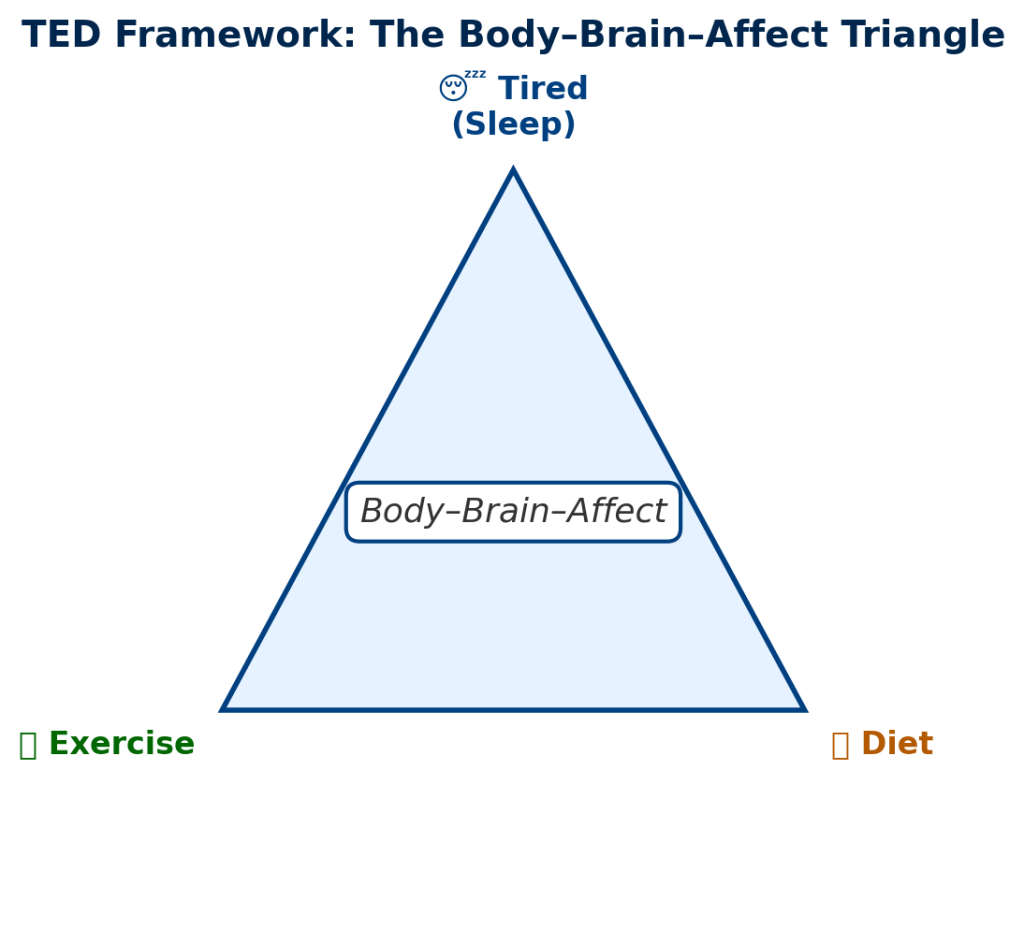
But TED is not just theoretical: it is publicly presented and described by Daniel Mirea in the NeuroAffective-CBTยฎ literature. Mireaโ€™s โ€œTired, Exercise and Diet Your Way Out of Troubleโ€ (TED model) is available via ResearchGate, Academia, and the NA-CBT site as a leaflet and white-paper introduction to emotional regulation through lifestyle (Mirea, 2023). In his description, the TED module is positioned centrally within the NA-CBT method, linking body, brain, and affect, the Bodyโ€“Brainโ€“Affect triangle (Mirea, 2025).

Within the larger NeuroAffective-CBTยฎ programme (comprising six modules), TED is introduced early, immediately after assessment and conceptualisation. NA-CBT specifically targets shame-based disorders such as self-loathing, self-disgust, and low self-esteem, which often underpin psychopathologies like major depressive disorder and anorexia (Mirea, 2023). Addressing lifestyle factors may augment traditional CBT approaches (Firth et al., 2020; Lopresti, 2019).

Empirical evidence shows that improving sleep, increasing physical activity, and enhancing diet quality yield synergistic benefits for emotional regulation, reduction of maladaptive cravings, and improvement of self-esteem (Kandola et al., 2019; Irwin, 2015).

For clinicians, TED offers a concrete tool: integrate lifestyle domains early, personalise interventions, and use TED to amplify CBT. For researchers, it highlights testable mechanisms and opportunities for controlled trials.

This first part focuses on a lesser-known nutritional agent now attracting neuroscientific attention: creatine, a compound with emerging evidence linking it to neuroenergetics and mental health (Candow et al., 2022; Allen et al., 2024).

Why Creatine? What the Evidence Suggests (and Doesnโ€™t..)

Drawing on emerging neuroscience and clinical psychology research, Dr Wendy Suzuki has highlighted creatineโ€™s shift from a narrowly defined โ€œgym supplementโ€ to a promising neurometabolic support under conditions of brain stress. Although the liver and brain synthesize small endogenous amounts of creatine, supplementation appears most relevant during periods of elevated cognitive demand, sleep deprivation, depression, or neurodegenerative vulnerability, states marked by energetic strain, inflammation, and oxidative stress. While low-dose creatine (โ‰ˆ5 g/day) effectively supports muscular performance, studies from European and North American laboratories indicate that higher doses (โ‰ˆ10 g/day or more) may be required to meaningfully elevate brain creatine levels once muscular stores are saturated. Experimental sleep-deprivation models further suggest that acute high-dose creatine can reverse cognitive deficits, and in some cases restore performance beyond well-rested baselines, pointing to rapid effects on cerebral energy metabolism rather than slow structural adaptation. Of particular relevance to NeuroAffective-CBT, a recent Harvard-affiliated randomised, double-blind, placebo-controlled pilot trial found that individuals with depressive symptoms who received creatine monohydrate (5 g/day) alongside cognitive-behavioural therapy experienced significantly greater reductions in PHQ-9 depression scores than those receiving CBT alone, without increased adverse events (Sherpa NN et al., 2025). While preliminary animal and early human studies also suggest anti-inflammatory and neuroprotective effects, along with small pilot signals in conditions such as Alzheimerโ€™s disease, the evidence base remains emergent. Taken together, current findings support a neuroaffective framework in which creatine may enhance the brainโ€™s energetic resilience, potentially amplifying psychotherapeutic efficacy under stress, while underscoring the need for larger, well-controlled trials before broad clinical recommendations are made.

The Rationale: Bioenergetics, Oxidative Stress, and Brain Demand

Creatine helps the body make and recycle energy quickly. It acts like a backup battery for your cells, keeping them charged when energy demand is high. While we often think of creatine as something that helps muscles perform better, the brain also uses a huge amount of energy, about one-fifth of everything the body burns at rest.

In people experiencing depression or anxiety, studies suggest that the brainโ€™s mitochondria (the cellโ€™s โ€œpower stationsโ€ that turn food into usable energy) often donโ€™t work as efficiently. This can lead to higher levels of oxidative stressa kind of cellular โ€œwear and tearโ€ caused by unstable oxygen molecules that damage cells over time (Morris et al., 2017).

Taking creatine as a supplement may help the brainโ€™s mitochondria work more efficiently, reduce oxidative stress, and stabilise the brainโ€™s energy balance (Allen et al., 2024). Animal studies show that creatine can reduce stress in brain cells and even decrease depression-like behaviours (Zhang et al., 2023). Research in humans is still early, but the results so far are promising.


๐Ÿ’ก In simple TED terms:
Why Creatine Might Help the Brain: Energy and Stress Balance! Creatine may help the brain produce cleaner, steadier energy, while reducing the internal โ€œrustโ€ that builds up from stress and poor metabolism, both of which are key targets in emotional regulation.

Human Evidence: Mood, Cognition, and Stress Conditions

Mood and Depression

Early studies suggest that creatine may help boost the effects of antidepressant medication. In one carefully controlled trial, women who took 5 grams of creatine monohydrate per day alongside their usual SSRI antidepressant showed faster and stronger improvements in mood than those taking a placebo (Lyoo et al., 2012).

Several reviews of this research confirm that creatine seems most effective as an add-on rather than a stand-alone treatment (Allen et al., 2024; L-Kiaux et al., 2024). In other words, creatine may make existing treatments work better, but it is not yet proven to work on its own.

Although there have been no large human trials testing creatine by itself for depression or PTSD, brain-imaging studies show that creatine supplementation increases the brainโ€™s phosphocreatine levels (the stored form of cellular energy). This may help restore low brain-energy levels often found in people with mood disorders (Dechent et al., 1999; Rae & Brรถer, 2015).

๐Ÿ’ก TED translation: Creatine may act like an energy booster for the brain, helping antidepressants โ€œcatchโ€ faster and work more effectively. Within the TED framework, this fits the Diet domain, using nutrition to support energy stability and emotional regulation and, complements therapeutic work in the Affect domain.

Cognition, Memory, and Sleep Deprivation

Research also shows that creatine can help the brain think and react more effectively, especially when it is under pressure. Systematic reviews indicate that creatine can enhance memory, focus, and processing speed in conditions of metabolic stress, such as sleep deprivation, oxygen deprivation, or prolonged mental effort (Avgerinos et al., 2018; McMorris et al., 2017).

In one notable experiment, people who stayed awake all night performed better on reaction-time tasks and reported less mental fatigue after taking creatine (McMorris et al., 2006). These benefits appear strongest in older adults or individuals whose brains are already energy-challenged, for example, due to stress, ageing, or poor sleep (Dolan et al., 2018). In contrast, young, well-rested participants often show little or no change (Simpson & Rawson, 2021).

๐Ÿ’ก TED translation: Creatine seems to protect the brain when energy is low during exhaustion, stress, or lack of sleep. This is what we call a reactive emtional state (reactive amygdala). It doesnโ€™t make a healthy, rested brain โ€œsmarter,โ€ but it helps a tired brain function more efficiently. In TED terms, it bridges the Tired and Diet domains: improving sleep quality indirectly and supporting cognitive endurance under pressure.

Key Questions & Considerations

Dose, Duration, and Uptake

A few muscle studies, led by Dr. Darren Candow, show that taking 3โ€“5 grams of creatine monohydrate per day is enough to maintain muscle levels once stores are full. To load the system faster, some use about 20 grams per day for 5โ€“7 days, which quickly saturates muscle tissue (Candow et al., 2022; Kreider et al., 2017).

However, the brain takes longer to absorb creatine. Imaging studies suggest that at least 10 grams per day for several weeks may be needed to raise brain levels meaningfully (Dechent et al., 1999; Rae & Brรถer, 2015). Because around 95% of the bodyโ€™s creatine is stored in muscle, the brain receives its share more slowly, which may explain why mood or cognitive effects sometimes take weeks to appear.

๐Ÿ’ก TED translation: Creatine needs time to โ€œcharge the systemโ€. Like building savings in a bank, the longer and more consistently you invest, the better the returns. Within TED, this reflects the Tired and Diet domains, combining steady supplementation with sleep and nutrition for sustained brain energy.

Sodium and Electrolyte Co-Ingestion

Creatine is carried into cells by a sodium-chloride transporter (called SLC6A8) (Tachikawa et al., 2013). This means that electrolytes, especially sodium, help creatine get where it needs to go. While not yet proven for brain outcomes, pairing creatine with a small amount of electrolyte water or a balanced meal containing sodium may improve absorption.

๐Ÿ’ก TED translation: Think of sodium as a helper molecule, like a key that lets creatine into the cell. In TED language, this links Diet with Physiology: hydration, electrolytes, and nutrition work together to optimise energy flow.

Dietary Status

People who eat little or no animal protein, such as vegetarians or vegans, often start with lower creatine stores and therefore show a greater response to supplementation (Candow et al., 2022; Antonio et al., 2021). Interestingly, brain creatine levels appear to stay relatively stable across diet types, which suggests the brain has its own built-in regulation system (Rae & Brรถer, 2015).

๐Ÿ’ก TED translation: Your baseline diet changes how quickly you benefit from creatine. If you avoid animal foods, your muscles may โ€œfill upโ€ faster when you supplement but the brain keeps itself balanced. This reflects TEDโ€™s Diet principle: individualisation matters.

Safety and Misconceptions

Decades of studies confirm that creatine monohydrate is safe for healthy adults. No evidence links standard doses (3โ€“5 g/day) to kidney or liver problems (Kreider et al., 2017; Harvard Health Publishing, 2024). Increases in serum creatinine after supplementation simply reflect higher turnover, not kidney damage.

The often-mentioned hair-loss claim remains unsupported (Antonio et al., 2021). However, clinicians should note that in rare cases, individuals with bipolar disorder have reported manic switching after starting creatine (Silva et al., 2013). These cases are very uncommon but worth monitoring in sensitive populations.

๐Ÿ’ก TED translation: Creatine is one of the safest, best-studied supplements in both sport and health science. Still, as with all lifestyle tools, TED encourages personalisation and medical oversight, particularly in those with complex mental-health or metabolic conditions.

Implications for TED and NeuroAffective-CBTยฎ

In clinical contexts, creatine should be understood as a supportive, adjunctive tool rather than a substitute for established psychotherapeutic or pharmacological treatments. Its value lies in its potential to stabilise metabolic and energetic foundations that may facilitate emotional learning and regulation. Accordingly, creatine supplementation should be implemented thoughtfully, within a broader clinical formulation, and under appropriate medical supervision.

Practical Guidelines

Screen and personalise
Prior to supplementation, assess renal function, dietary patterns, and potential interactions with prescribed medications. Additional caution is warranted in individuals with pre-existing renal, metabolic, or psychiatric vulnerabilities.

Adjunctive use only
Creatine should complementโ€”not replaceโ€”psychotherapy or pharmacological treatment. Supplementation is best undertaken with oversight from a GP or psychiatrist, particularly when active mental health treatment is required.

Dosing strategy
A short loading phase of approximately 20 g/day for 5โ€“7 days, or a more gradual titration of 10โ€“20 g/day over four weeks, may be followed by a maintenance dose of 3โ€“5 g/day, depending on tolerance and clinical response (Candow et al., 2022).

Timing considerations
Creatine may be most beneficial during periods of sleep disruption, sustained cognitive demand, or emotional exhaustion, when cerebral energy requirements are elevated.

Integration within TED
For optimal benefit, supplementation should be integrated with the other TED domainsโ€”sleep hygiene, structured physical activity, and a nutrient-dense dietโ€”to support synergistic effects on emotional regulation and cognitive resilience (Firth et al., 2020).

Monitoring and documentation
Clinicians and clients are encouraged to systematically monitor mood, cognitive clarity, sleep quality, and physical functioning. Dosing may be adjusted empirically, and anonymised observations can contribute to practice-based evidence and future research.

๐Ÿ’ก TED translation: Creatine fits naturally within the Tiredโ€“Exerciseโ€“Diet framework as a form of metabolic support for emotional regulation. Rather than functioning as a โ€œpill for a problem,โ€ it is best conceptualised as one component of a whole-lifestyle system in which sleep, movement, and nutrition work together to reinforce psychological recovery.


Summary & Outlook

  • The TED model (sleep, exercise, diet) offers a practical bridge between psychotherapy and lifestyle science, especially for conditions rooted in shame, self-criticism, and affect dysregulation (Firth et al., 2020; Lopresti, 2019).
  • Creatine demonstrates strong scientific plausibility and early clinical promise for improving mood, cognition, and resilience under metabolic stress (Allen et al., 2024; Candow et al., 2022).
  • The next step for researchers is to conduct large, placebo-controlled clinical trials testing creatine as an adjunct to CBT for depression and anxiety โ€” ideally with neuroimaging to confirm its effects on brain energy metabolism.

๐Ÿ’ก TED translation: Creatine may one day become a recognised โ€œnutritional allyโ€ for the brain, enhancing therapy outcomes by helping clients feel less tired, more focused, and more emotionally stable. For now, it serves as a valuable prototype of how lifestyle science can empower both clinicians and clients to target emotional health from the body upward.

โš ๏ธ Disclaimer:
A final and important reminder: these articles are not intended to replace professional medical or psychological assessment and/or treatment. Regular blood tests and health check-ups with your GP or a private family doctor are essential throughout adult life, in fact increasingly relevant from adolescence onward, given the rising incidence of metabolic and endocrine conditions such as diabetes among young people. It is strongly recommended to seek guidance from qualified professionals, for example, a GP or a psychiatrist, depending on your personal goals and needs a registered nutritionist, indeed a certified NeuroAffective-CBTยฎ practitioner, who can help interpret your health data (including blood work) and help you understand how your lifestyle, daily habits, and nutritional choices influence your mental and emotional wellbeing.

References:

Allen, P.J., Dโ€™Anci, K.E. & Kanarek, R.B., 2024. Creatine supplementation in depression: bioenergetic mechanisms and clinical prospects. Neuroscience & Biobehavioral Reviews, 158, 105308. https://doi.org/10.1016/j.neubiorev.2024.105308

Antonio, J. et al., 2021. Common questions and misconceptions about creatine supplementation: what does the scientific evidence really show? Journal of the International Society of Sports Nutrition, 18(1), 13โ€“27. https://doi.org/10.1186/s12970-021-00412-z

Avgerinos, K.I., Spyrou, N., Bougioukas, K.I. & Kapogiannis, D., 2018. Effects of creatine supplementation on cognitive function of healthy individuals: a systematic review of randomized controlled trials. Experimental Gerontology, 108, 166โ€“173. https://doi.org/10.1016/j.exger.2018.04.014

Braissant, O., 2012. Creatine and guanidinoacetate transport at the bloodโ€“brain and bloodโ€“cerebrospinal-fluid barriers. Journal of Inherited Metabolic Disease, 35(4), 655โ€“664. https://doi.org/10.1007/s10545-011-9415-6

Candow, D.G., Forbes, S.C., Chiang, E., Farthing, J.P. & Johnson, P., 2022. Creatine supplementation and aging: physiological responses, safety, and potential benefits. Nutrients, 14(6), 1218. https://doi.org/10.3390/nu14061218

Dechent, P., Pouwels, P.J.W., Wilken, B., Hanefeld, F. & Frahm, J., 1999. Increase of total creatine in human brain after oral supplementation of creatine monohydrate. American Journal of Physiology โ€“ Regulatory, Integrative and Comparative Physiology, 277(3), R698โ€“R704. https://doi.org/10.1152/ajpregu.1999.277.3.R698

Dolan, E., Gualano, B., Rawson, E.S. & Phillips, S.M., 2018. Creatine supplementation and brain function: a systematic review. Psychopharmacology, 235, 2275โ€“2287. https://doi.org/10.1007/s00213-018-4956-2

Firth, J. et al., 2020. A meta-review of โ€œlifestyle psychiatryโ€: the role of exercise, smoking, diet and sleep in mental disorders. World Psychiatry, 19(3), 360โ€“380. https://doi.org/10.1002/wps.20773

Harvard Health Publishing, 2024. What is creatine? Harvard Medical School. Available at: https://www.health.harvard.edu/staying-healthy/what-is-creatine

Irwin, M.R., 2015. Why sleep is important for health: a psychoneuroimmunology perspective. Annual Review of Psychology, 66, 143โ€“172. https://doi.org/10.1146/annurev-psych-010213-115205

Kandola, A., Ashdown-Franks, G., Hendrikse, J., Sabiston, C.M. & Stubbs, B., 2019. Physical activity and depression: toward understanding the antidepressant mechanisms of physical activity. Neuroscience & Biobehavioral Reviews, 107, 525โ€“539. https://doi.org/10.1016/j.neubiorev.2019.09.040

Kreider, R.B. et al., 2017. ISSN position stand: safety and efficacy of creatine supplementation in exercise, sport, and medicine. Journal of the International Society of Sports Nutrition, 14, 18. https://doi.org/10.1186/s12970-017-0173-z

L-Kiaux, A., Brachet, P. & Gilloteaux, J., 2024. Creatine for the treatment of depression: preclinical and clinical evidence. Current Neuropharmacology, 22(4), 450โ€“466. https://doi.org/10.2174/1570159X22666230314101523

Lopresti, A.L., 2019. A review of lifestyle factors that contribute to important pathways in depression: diet, sleep and exercise. Journal of Affective Disorders, 256, 38โ€“44. https://doi.org/10.1016/j.jad.2019.05.066

Lyoo, I.K. et al., 2012. A randomized, double-blind clinical trial of creatine monohydrate augmentation for major depressive disorder in women. American

Journal of Psychiatry, 169(9), 937โ€“945. https://doi.org/10.1176/appi.ajp.2012.11081259

McMorris, T. et al., 2006. Creatine supplementation and cognitive performance during sleep deprivation. Psychopharmacology, 185(1), 93โ€“103. https://doi.org/10.1007/s00213-005-0269-8

McMorris, T., Harris, R.C., Howard, A. & Jones, M., 2017. Creatine, sleep deprivation, oxygen deprivation and cognition: a review. Journal of Sports Sciences, 35(1), 1โ€“8. https://doi.org/10.1080/02640414.2016.1156723

Mirea, D., 2023. Tired, Exercise and Diet Your Way Out of Trouble (T.E.D.) model. NeuroAffective-CBTยฎ Publication. Available at: https://www.researchgate.net/publication/382274002_Tired_Exercise_and_Diet_Your_Way_Out_of_Trouble_T_E_D_model_by_Mirea [Accessed 17 October 2025]

Mirea, D., 2025. Why your brain makes you crave certain foods (and how โ€œTEDโ€ can help you rewire itโ€ฆ). NeuroAffective-CBT, 17 September. [online] Available at: https://neuroaffectivecbt.com/2025/09/17/why-your-brain-makes-you-crave-certain-foods/ [Accessed 17 October 2025].

Morris, G., Berk, M., Carvalho, A.F. et al., 2017. The role of mitochondria in mood disorders: from pathophysiology to novel therapeutics. Bipolar Disorders, 19(7), 577โ€“596. https://doi.org/10.1111/bdi.12534

Rae, C. & Brรถer, S., 2015. Creatine as a booster for human brain function. Neurochemistry International, 89, 249โ€“259. https://doi.org/10.1016/j.neuint.2015.07.009

Silva, R. et al., 2013. Mania induced by creatine supplementation in bipolar disorder: case report. Journal of Clinical Psychopharmacology, 33(5), 719โ€“721. https://doi.org/10.1097/JCP.0b013e3182a60792

Simpson, E.J. & Rawson, E.S., 2021. Creatine supplementation and cognitive performance: a critical appraisal. Nutrients, 13(5), 1505. https://doi.org/10.3390/nu13051505

Sherpa, N.N., De Giorgi, R., Ostinelli, E.G. et al. (2025). Efficacy and safety profile of oral creatine monohydrate as an add-on to cognitive-behavioural therapy in depression: an 8-week pilot, double-blind, randomized, placebo-controlled feasibility and exploratory trial in an under-resourced area. European Neuropsychopharmacology, 90, pp. 28โ€“35.

Tachikawa, M., Fukaya, M., Terasaki, T. & Ohtsuki, S., 2013. Distinct cellular expression of creatine transporter (SLC6A8) in mouse brain. Journal of Cerebral Blood Flow & Metabolism, 33(5), 836โ€“845. https://doi.org/10.1038/jcbfm.2013.6

Zhang, Y., Li, X., Chen, S. & Wang, J., 2023. Creatine and brain health: mechanisms and therapeutic prospects. Frontiers in Neuroscience, 17, 1176542. https://doi.org/10.3389/fnins.2023.1176542
Why Your Brain Makes You Crave Certain Foods

and How ‘TED’ can Help You Rewire It…

Why do some foods feel irresistible, while others barely tempt you? It is tempting to think cravings are just about taste, sweet, salty, sour, bitter, but the truth runs much deeper. Your brain and gut are in constant conversation, sending signals that shape not only what you like to eat, but what you want to eat again and again. But hereโ€™s the twist: those preferences arenโ€™t fixed! With the right strategies, you can actually retrain your brain to crave healthier foods. One of the most practical tools for doing this is ‘TED‘ short for Tired, Exercise, Diet. Within the NeuroAffective-CBT approach, TED is one of the most compelling self-regulation frameworks. It uses the idea of an ‘imaginal friend‘, a life-coach or inner guide that can help you stay focused on daily choices which support meaningful lifestyle changes. These changes strengthen both physical health and immunity while also building psychological resilience, self-appreciation, and self-love.

Each component of TED – Tiredness (sleep), Exercise, and Diet, has strong empirical links to emotional and cognitive wellbeing. First introduced to the psychotherapy world nearly 20 years ago by behaviourist Daniel Mirea (Mirea, 2023), TED has become a cornerstone of the NA-CBT approach. At its core, TED highlights the Bodyโ€“Brainโ€“Affect triangle, showing how rest, movement, and nutrition work together to regulate cravings, balance mood, and improve overall health.

So, let’s think of TED as your inner coach and personal trainer, totally on your side but tough and fair, a voice you can hear all the time:

  • Tired โ†’ how well you rest shapes hunger, hormones, and food choices.
  • Exercise โ†’ physical activity resets dopamine and balances stress.
  • Diet โ†’ what you eat trains your gut and brain to prefer certain foods.

And now… with TED in mind, letโ€™s examine how cravings really work and how to rewire them.

The Three Layers of Food Preference

Scientists generally point to three systems that explain why we like certain foods:

1. Taste Buds (Diet in Action)

The tongue is the first gatekeeper of food preference. It detects sweet, salty, sour, bitter and, umami (savory, meaty flavour), behaviourally guiding us toward energy-rich or protein-rich foods. This happens because specialised neurons on the tongue can detect sweetness, saltiness, sourness, bitterness, and umami. They give us that instant โ€œyumโ€ or โ€œyuckโ€. But taste alone isnโ€™t the full story. What you repeatedly eat conditions your taste buds. A diet heavy in ultra-processed foods can dull sensitivity to natural flavors, while a shift to whole foods can make simple tastes more rewarding within 7โ€“14 days (Wise, P. et al., 2016; Turner S et al., 2022).

๐Ÿ‘‰ What does TED say? This is where D for Diet comes in: by choosing nourishing foods consistently, you retrain both your taste buds and your reward circuits. But also, E for Exercise: by changing habits and replacing eating with exercise rewiring occurs even faster and the brain is much more likely to ‘demand and accept’ protein-based products useful for muscle development.


2. Gutโ€“Brain Signaling (The Sleep & Diet Link)

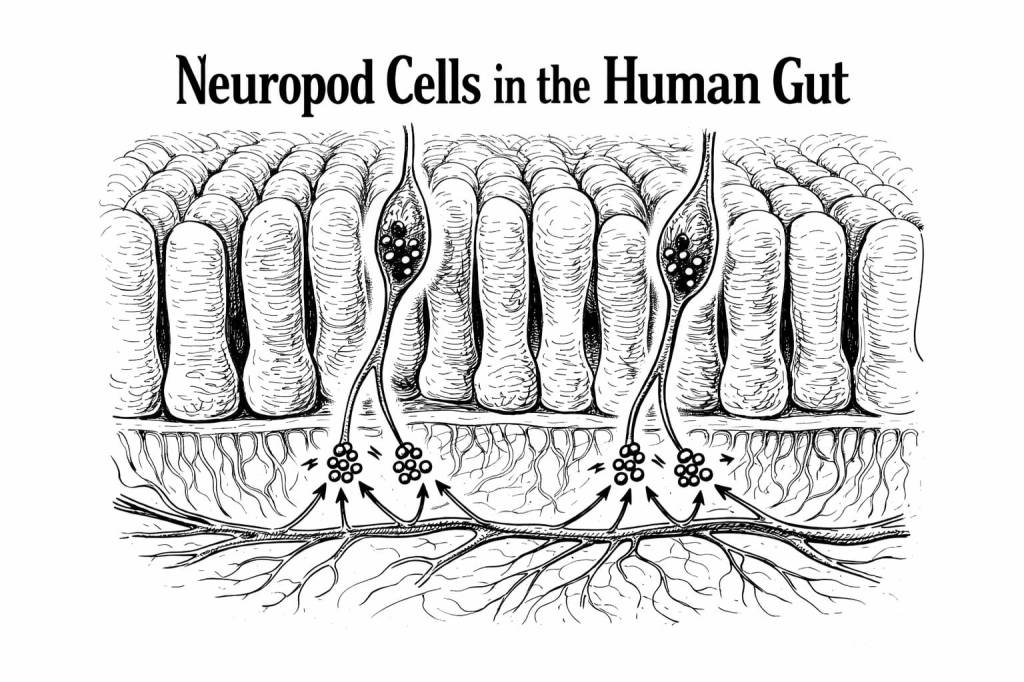
As food travels down the digestive tract, neurons detect its texture, temperature, and nutrients. Specialised โ€œneuropod cellsโ€ are tuned to sense amino acids, sugars, and fats. These cells send electrical signals through the nodose ganglion straight into the brain, triggering dopamine, the neurotransmitter of motivation and reward Bohรณrquez et al., 2015. In other words, when sugar, fat, or amino acids hit the gut, they trigger dopamine release, shaping cravings at a subconscious level.

And hereโ€™s the worse news: poor sleep (The T from TED – Tired) makes these signals even stronger. Lack of rest ramps up ghrelin (the hunger hormone) and dampens leptin (the satiety hormone), pushing you toward high-calorie foods. At the same time, a diet rich in fiber, protein, and complex carbs strengthens gutโ€“brain communication in healthier ways.

๐Ÿ‘‰ TED takeaway: better sleep and diet quality work hand in hand to keep cravings in check.


3. Learned Associations (Exercise as a Reset Button)

The brain is able to link the flavour of food with its aftereffects, like blood sugar rise and dopamine rise after a sweet snack. Over time, these associations become powerful drivers of preference de Araujo et al., 2008.

As such, our brain learns fast to link specific flavours with specific metabolic outcomes. As in the earlier example, sweet taste plus a rise in blood glucose teaches the brain to crave sugar.

And even though artificial sweeteners and many fruits contain little or no glucose, when paired with high-carbohydrate foods (e.g., low-sugar jam with a croissant or fruit with cornflakes), the brain links their sweet taste to the subsequent glucose surge. Over time, this conditioning strengthens the craving pathway at both behavioural and neural levels.

However, regular and intensive Exercise (The E out of TED) helps break this loop. Movement not only burns energy but also improves insulin sensitivity and modulates dopamine pathways, making it easier to โ€œresetโ€ reward associations. People who exercise regularly often find it easier to shift away from addictive food patterns.

๐Ÿ‘‰ TED takeaway: put together, these systems explain why food isnโ€™t just fuel. Itโ€™s a constant feedback loop, where your body teaches your brain what to want. You can use movement to retrain your brainโ€™s learned food-reward pathways.


Your Gut Is Training You

We tend to think of the gut as just a digestion machine. But in reality, itโ€™s a sensory system. As food moves through the stomach and intestines, neurons are watching closely. They respond to stretch (how full your gut is), texture, spiciness, and even temperature.

The most fascinating players are those neuropod cells. They act like food sensors, tuned to the chemistry of whatever you eat. The moment they detect sugars, fats, or amino acids, they send electrical signals to the brain in milliseconds Kaelberer et al., 2018. The brain responds by releasing dopamine, making you feel motivated to seek out more of that food.

This whole process is subconscious. You donโ€™t โ€œdecideโ€ that chocolate cake is rewarding. Your gut tells your brain before you even realize it.


Sweetness and the Dopamine Trap

Sweet taste gives us the clearest example of how these systems interact. Humans are naturally wired to like sweet things โ€” especially children. Sweetness signals calories, which the brain rewards with dopamine.

So what about artificial sweeteners? Why are those still problematic? As explained earlier, sugar reliably increases blood glucose and dopamine. Non-caloric sweeteners taste sweet but donโ€™t raise blood glucose. And at first, dopamine doesnโ€™t budge. But here is the twist: with repeated exposure, artificial sweeteners do start to trigger dopamine. Why? Because your brain learns to expect that sweet taste to mean โ€œenergy incomingโ€ Tellez et al., 2016.

And as already mentioned things get even more complicated when you pair diet drinks (sweet but calorie-free) with a burger and fries (calorie-dense). Over time, your brain begins to link the sweet taste with a metabolic effect. Later, even diet fizzy drink alone can change your insulin response, as if it contained sugar Swithers, 2013.

๐Ÿ‘‰ A practical tip from TED? If you enjoy a diet or low-calorie drink, it is probably better to drink it separately from high-carb meals. Otherwise, you may condition your body to release insulin in ways that throw off blood sugar control. But of course, it would be ideal to avoid sugar or sweetener rich drinks all together especially if your meal is equally rich in carbs and instead… simply replace it with water!


The Psychology of Belief

Itโ€™s not just biology at play. Your mindset about food can literally change how your body reacts. Stanford University professor Alia Crum ran a striking study: participants were given the exact same milkshake but told two different stories about it. Some were told it was โ€œindulgent, high-calorie, rich and satisfying.โ€ Others were told it was โ€œlight, low-calorie, and healthyโ€. The results? The โ€œindulgentโ€ shake produced bigger rises in insulin, ghrelin (a hunger hormone), and blood glucose. People also reported feeling more satisfied Crum et al., 2011. The same drink or shake but a totally different body response, based only on belief.

This is not the classic placebo effect. It is a belief effect: our expectations about food shape our physiology!


Rewiring Your Cravings

Hereโ€™s the good news: your food preferences arenโ€™t set in stone. Scientists describe them as soft-wired, flexible and open to change. Studies show that if you consistently eat a food for 7โ€“14 days, especially when paired with enjoyable or energizing foods, your brain starts to assign more value to it. Translation: it literally tastes better over time (Wise, P. et al., 2016; Turner S et al., 2022; Small et al., 2019).

This is why people in different dietary war-camps like keto, vegan, Mediterranean, etc. Often feel so passionate about their way of eating and fight each other in research facts. Their brains have been conditioned to find their chosen foods the most rewarding.

And you can use the same principle to your advantage. Want to enjoy more leafy greens? Pair them with foods that give you a metabolic boost. Over time, your brain will start rewarding you for those choices.


The Bigger Picture

At the deepest level, your brain isnโ€™t chasing sweetness, salt, or even dopamine. What it really wants is energy for neurons. Food preference is just the surface expression of this survival mechanism.

The catch? In todayโ€™s food environment, ultra-processed and hyper-palatable foods hijack this system. They deliver intense dopamine spikes that make ordinary, healthier foods seem bland by comparison Johnson & Kenny, 2010.

But the opposite is also true: by gradually shifting your diet toward whole, nutrient-rich foods, your dopamine system adapts, and those foods become genuinely more rewarding.


Final Thoughts

Food is far more than fuel. Itโ€™s a dialogue between taste buds, gut neurons, brain chemistry, and even your beliefs. Together, these systems decide what you crave, what satisfies you, and what you keep reaching for.

Perhaps a useful analogy would be to view food preferences as being both hard-wired and soft-wired. Hard-wired circuits push us toward energy-rich foods. Soft-wired associations, however, can be reshaped through repeated exposure and lifestyle choices. And this is where TED truly shines:

  • Tired โ†’ Sleep enough to regulate hunger and strengthen decision-making.
  • Exercise โ†’ Move daily to reset dopamine and insulin sensitivity.
  • Diet โ†’ Feed your gut and brain with nutrient-rich foods that train cravings. Add products like vinegar, lemon, kefir to your diet in order to keep the glucose spike down.

Modern processed foods hijack dopamine pathways, but TED offers a counterweight. With small, consistent shifts, better rest, regular movement, and smarter eating, you can rewire your cravings and restore balance. In a well-known study, participants drank the same milkshake but were told it was either โ€œindulgentโ€ or โ€œlow-calorieโ€. The indulgent version triggered stronger hormonal and metabolic responses, showing that belief changes physiology – so the mindset matters.

This is where TED would demand from you a renewed and improved attitude and mindset:

Diet: Choosing whole foods builds a narrative of self-care that strengthens psychological reward.

Tired: A good sleep and regular rest bites improve emotional regulation, making you less vulnerable to comfort eating and in general emotions are more manageable due to a less reactive amygdala.

Exercise: This list is very long – builds muscle, burns fat, deals with insuline resistance and overall boosts confidence and reinforces positive self-beliefs about health.


โœจ In short: TED isnโ€™t just a checklist; it is a neuroscience-backed guide for aligning your lifestyle with the way your brain and gut actually work. By honoring the ‘big three‘, sleep, exercise, and diet, you can gradually teach your brain to want specific activities and foods that fuel health and wellbeing.

Recommended Reading

If youโ€™d like to explore the science behind food preference and reward systems in more depth, here are a few excellent resources:

If my gut could talk to me, what would it say ?

Introducing Jamesโ€ฆ

James is a successful banker enjoying significant authority and respect at work. Being into sports and a healthy lifestyle, he is tall and handsome, he has a beautiful wife and two children. On paper all is well, and so he would be taken by surprise every weekend when visiting his parentsโ€™ home for Sunday lunch, by the experience of intense, discomforting, and painful butterflies, in anticipation of this recurring event. He is left confused, without an explanation.

Allowing for an earlier narrative to unfold within the first few hours of therapy, childhood experiences were revealed, where he experienced similar painful feelings, generated by a critical and highly demanding father, the kind of parent that would be difficult to please. His mother never interfered and to James, this was as bad as his fatherโ€™s attitude. His childhood was dotted with various episodes of unfavourable comparisons with a younger and brighter sister. 

Despite his success and handsome appearance, he sees himself as ugly, unattractive, unwanted, enjoying some professional success through sheer luck, an impostor, and a trickster. He remained hypervigilant throughout the years around his father and eager to be validated. He gets overwhelmed with anticipatory anxiety before every single meeting with his parents.

When gently exposed to these issues during therapy, he acknowledged a connection with early experiences right away, he realised that he feels the same way around other men or women in authority, and yet he remained equally confused and troubled by these dominant, painful gut-feelings1.

******

โ€˜I can feel it in my gut‘ or โ€˜trust your gutโ€™ we often say to ourselves or each other, perhaps for very good reasons. Scientists have recently established clear links between our gut and the brain, not necessarily through an analysis of the diversity of the microbiome that exists within our gut, although this turns out to be equally relevant (Skonieczna-Zydecka K et al., 2018), but also by paying attention to the actual structure of the gut at a cellular level (Kaelberer M et al., 2020).

The biological dimension

Dr Kaelberer and colleagues identified a direct pathway from the gut to the brain, that essentially allows sensing of what is happening in the gut, in order to inform specific emotions whether pleasure or disgust, and the resulting behaviours. This would, at least in part, explain cravings and associated compulsive actions, and furthermore, it helps explain why the regular practising of mindfulness or paying calm, non-judgemental attention inwards, could lead to a shift in feelings and better emotional-regulation (Golding and Gross, 2010).

The gut-brain communication happens through versatile and adaptable neuropod cells with electrical sensors within the gut structure, which are able to select and specialise in various essential chemicals like glucose, proteins or amino acids. These cells can program to organise digestion and send information via electrical signals straight to the brain, which will make further informed decisions on what to feel and how to respond to certain products, in a given situation. Although not the only sensorial command centre, it does appear that, the human 9- to 10-meter-long gut, could be the largest internal organ with immediate access to the external world.  Running through the upper body, from the rectum to the esophagus, and in constant communication with the brain, the gut is able to provide an individual, with a fuller experience of what it means to engage with useful edible products, like enjoying a coffee with a cookie in the morning, where the individual is likely to experience both pleasure and a sudden increased in energy. Seems ‘the gut’ may indeed be one of the biggest organs inside our body, but reaching as far as the external or the social world, is not something psychologists would have taken into account until now.

Inside the gut something equally fascinating takes place, which further strengthens the relationship between the human gut and the brain. Our intestine has about 39 trillion microorganisms called microbiome and it consists mostly of bacteria, viruses and fungi – the microbiome produces chemicals which can send messages to the brain through the vagus nerve. This nerve starts in the brainstem, it travels down the neck and alongside the carotid arteries and into the chest branching out towards internal organs, as a result it can manage gut contractions (peristalsis) and heart rate – this makes the vagus nerve relevant when it comes to the human relaxation response.

We now know, that people who suffer from chronic stress have very different microbiomes and โ€˜badโ€™ bacteria that produce inflammation, as opposed to a healthy individual who would have a diverse population of bacteria strains. This has serious clinical implications and recent research has in fact shown, that levels of depression would improve when injected with a specific bacteria (faecal). Although these bacteria is proving difficult to reproduce artificially in a lab, the link between the gut micorbiome and the brain explains why certain diets, like the Mediterranean diet, and foods (like pre/probiotics) would have a direct impact on the mood. A healthy diet is associated with a 30% reduction in depression.

Good gut health means good overall health !

The psychosocial dimension

Humans like most other mammals have rituals around eating, drinking and socialising. Such events are usually inter-linked and incredibly important to evolution. Those are ideal occasions to get to know one another, to court each other, to test our emotions, bond and reproduce. Often a potential partner is treated to a freshly cooked meal with a personal touch. This enhances the possibility of having a relationship. Social rituals such as feeding a child, courtship or even kissing, demonstrate how the gut is constantly interacting with the brain and through a perfect symphony of electrical signals, enzymes, and various chemicals, it assists with social bonding, and the selection of the most appropriate partner. This is where the notion of โ€˜butterflies in the stomachโ€™ takes a completely different meaning when two lovers meet, versus two people shouting at each other in extreme anger. All individuals involved in these very different scenarios, would report experiencing butterflies in the stomach with different levels of intensity. This turns out to be nothing short of cells and electricity at work, dutifully completing their shift. Just another day in the office.

Through stories we reach the world around usโ€ฆ

 Homo-sapiens are also โ€˜homo-narransโ€™ (Meichenbaum D, 2017). We have an innate ability to observe our own thoughts, to think about our thinking in vivid images, pictures, or even short video clips, and ultimately describe with various details, the content of our thoughts and conclusions. This is what we label as โ€˜storiesโ€™. In fact, we rarely think in clear and brief thoughts, but instead our minds, seem to be dominated by stories involving all sensory modalities, a pleasant memory of a sensual encounter has sounds, smells and tastes, alongside vivid video-reels which unconsciously lead to arousal.

  โ€˜The early bird catches the wormโ€™.

We grow up ‘feeding’ on stories, symbols and metaphors; most of us will remember with great pleasure childhood messages and proverbs repeated to exhaustion by our parents and grandparents, in the hope that we would learn to behave more appropriately, in line with our social context and culture. The messages we remember the most, have an interesting narrative behind them, rich in details and sensorial pleasures. The teacher that inspired us during school years, was most likely, the best storyteller. Story telling is a natural gift often unexplored and unnourished.

Stories we tell ourselves reflect earlier experiences and are used as a learning platform. They have to make contextual sense of the world we live in, and as such, our personal narratives, are influenced and adapted over time in order to fit in, with continuously evolving circumstances (Hickes and Mirea, 2012). This would of course, in turn, ensure survivability and psychological resilience over the course of lifetime. Failure to update old narratives can create psychological rigidity, which leads to internal distress and therefore, predispose individuals to mental illness.

Indeed, this fascinating oval-shape mass of grey, which we refer to, as the โ€˜brainโ€™, is plastic. In other words, it has the ability to biologically modify itself and adapt to new circumstances (another area the conscious mind1 is not consulted about), with only one important mission that supersedes everything else – keeping us alive! Therefore, the stories we tell ourselves are not designed to generate feelings of happiness or sadness, since those are not essential to our survival. Although we know this is at times possible, the brainโ€™s main priority is to keep the organism or the body as a whole, functional and alive.

The cognitive-behavioural dimension

 When the gut communicates with the brain, it is purposeful, and it demands an immediate reaction. Intense emotions lead to compulsive behaviours, bypassing the mind completely, e.g., when one is hungry, the resulting senses, known as cravings or feelings of pain and discomfort in the gut area, lead to an urgency to find something to eat, the mind is simply trying to resolve this problem by going to previously memorised solutions.

Therefore, cognitions are products of an extremely busy brain with no time off. Best understood as essential components of a regulatory system informed by thought, experience, memory, language, sensorial data or felt-sense2, and deeply-rooted beliefs3. It may not always be easy, but it is possible to override oneโ€™s felt-sense or gut-feelings, if we start engaging our prefrontal abilities by reframing the experience and simply view DRBs as, the dialectical expression of a felt-sense. This can be achieved through new learning, and new experiences. Humans, unlike other mammals, do this all the time, we are very good at convincing ourselves that something is good for us, through repetition or rehearsal, when in fact, our gut is telling us that the opposite is true. For example, eating lots of sugar, drinking alcohol or smoking. In a different context, it could be argued that learning how to override painful gut-feelings, might be the very purpose of a psychotherapeutic treatment specifically, helping individuals overcome painful gut-feelings, or felt-senses which internally suggest they are flawed or not good enough.

Deeply-rooted beliefs might be best understood as the first layer of defence, a deeper screening or filtering system that helps an individual navigate through the complexities of life, in spite of a dominating gut-feeling that he is not good enough. These types of senses are reminders of previous experiences and nothing short of โ€˜brain statementsโ€™ or brainโ€™s best possible interpretation of early life experiences. Whether frequent exposure to extended periods of affection, or at the other end of the spectrum exposure to neglect, characterised by intense pain signals and experienced mostly by the gut, and felt within the upper body regions. Since our brain does not use language per se, to โ€˜shout outโ€™ warnings to the mind, various electrical signals are sent back and forth between brain structures and different parts of the gut, on every single occasion we find ourselves in a situation that points toward a reward or indeed a threat (i.e., neglect). Sensorial signals alerting an individual of a potential reward or threat, depending on the developmental stage, could be processed linguistically and translated into deeply-rooted beliefs of lovability (pleasure) or unlovability (rejection), but this is rarely needed outside of a therapy session. And of course, lack of awareness and language speeds up the process of getting a reward or running away from neglect or threat. Once the Mind gets involved, everything slows down and is investigated with the curiosity of a scientist.

We have now understood that DRBs are not seen or heard but felt deep inside the body at a gut level and they are not interpreted by a mind which does not even fully develop before the age of two. Therefore, not only that language is not needed when chasing a reward or running away from a threat, but DRBs have no immediate linguistic correspondent, since the gut-brain axis is bypassing the temporal lobe responsible for language processing. Studies suggest that the prefrontal cortex, or the ‘mind’, starts developing within the first two years of life, since basic brain structure and connectivity is present by this age (Huttenlocher & Dabholkar, 1997), but continues until the mid-twenties, which marks an end to our adolescent stage and a slowing down of brain neuroplasticity (Siegel D, 2020). 

Attachments and emotional neglect

British developmental psychologist and psychiatrist John Bowlby is one of the most recognisable names associated with attachment research (1988). His evolutionary theory suggests that children come into the world biologically pre-programmed to form attachments with others, since this will help them survive. Indeed, a child that has been emotionally neglected by one of his main caregivers, might not have been a victim of a physically or sexually aggressive parent, nonetheless the child would internalise the absence of warmth and physical affection as threatening, incredibly painful, confusing and difficult to navigate. A child depends for many years on his parents, in order to survive and thrive. And therefore, to a child, the prospect of disappointing a parent is a risky business. Chronically it would be painful, with many types of manifestations and physiological symptoms, like muscle spasms or butterflies inside the body. Not being able to process the experience of rejection or make any sense of it, the gut-brain axis constantly makes decisions on what is healthy and what is not. Eventually these decisions are introduced into our contextual world via stories that we imagine and tell ourselves. These early narratives have implicit deeply-rooted beliefs, not yet linguistically formulated but with clear sensorial messages and themes centred around unlovability, rejection, unworthiness or unacceptability. When finally expressed or spoken โ€˜out loudโ€™, the language is as varied as individualsโ€™ backgrounds, largely subjected to individualsโ€™ culture, education, imagination and linguistic skills.

Perceived social threats such as criticism and rejection or the prospect of living alone, can be frightening because the gut does not like neglect or going without. Emotional neglect is a real threat in childhood, because it is synonymous with deprivation of essentials, including food and ultimately death. Humans bond to survive. The threat of being alone is basically unbearable to the gut and body by extension.

Deeply-Rooted Beliefs and Contextual-Acceptance

When He says, He is ugly, He also means โ€˜โ€™The world does not like Meโ€™โ€ฆ and this is the part that really frightens.

 It could be speculated that emotional neglect is more impactful on the gut because of the physiological deprivation suffered by the organism. Deprivation of positive affection is associated with lack of appetite or compensatory appetite which leads to the production of specific enzymes and hormones. Whereas, with other types of exerted aggression, the gut suffers less organic deprivation, refocuses on healing, and learns to reprogramme itself allowing for adaption of the whole organism (Kaelberer M, et al., 2020). This could explain why in certain cultures, where physical discipline is widely spread, the actual โ€˜physical abuseโ€™ does not lead to post-traumatic stress, and it has little or no impact on the immunity and physical health. This type of parenting is not perceived as abusive within the community at large because biologically, it is not significantly harmful, and the emotional dimension is invisible and easier to ignore. The parenting model is therefore normalised, perceived as efficient and often replicated by other families. These sophisticated lines of defence could be viewed as a type of socio-homeostatic process or organismโ€™s attempt to repair and adapt itself through the practice of cultural values and contextual-acceptance.

 Deeply-rooted beliefs therefore, may have a regulatory purpose and essentially teach the organism, or the body to adapt.

โ€˜My dad was a little hard on me yesterday, sorry I could not meet you but, I was in a bit of a stateโ€™โ€ฆ Friend replies: โ€˜your dad is fine, you should meet mineโ€ฆ but to be fair, I still hate my homework and love to sneak out for a smokeโ€™.

In a practical sense, to survive and even thrive in, what could be perceived as a harsh environment, requires normalising and acceptance of external living conditions, also coined in this paper, as โ€˜contextual-acceptanceโ€™. Whilst seeing the world through myopic unlovability lenses, James has to adapt to various contexts and whatever else life throws at him, in order to continue to survive and grow in spite of, a dominating felt-sense which strongly suggests he is unappreciated, and likely to be rejected.

โ€˜Since nobody likes me, I have to make more effort than anyone else and behave in ways that will ensure I am safe – despite what everyone really thinks of meโ€™James would often think to himself, during moments of self-reflection. This type of contextual-acceptance can override the dominating gut-feeling, it leads to psychological adaptation and resilience. When contextual-acceptance is denied, an episode of emotional crisis would be inevitably triggered.

 The regulatory quality of deeply-rooted beliefs, also means that they can be accompanied by both negative and positive affective experiences. Someone falling in love or desiring someone sexually feels an acute pain inside the body, within areas of the gut, but this is not registered in a negative manner by the brain and, since it is not a threat, it does not activate fear and avoidance.

By contrast, just thinking about food when hungry can lead to secreting specific enzymes and further compulsive eating behaviours. Going for a driving test can lead to feeling sick in spite of being well prepared.  At times, people throw up when faced with social fears and other times they avoid a challenging test all together. It all seems to depend on the lenses the individual uses, because sure enough, when individuals look at the outside world through their unlovability lenses, the whole world would appear likely to reject them, no matter how well behaved they are. It takes effort and motivation to override the gut-feeling. Deeply-rooted beliefs therefore, create myopic lenses but contextual-acceptance heals the pain that comes with it.

Conclusions

Deeply-rooted beliefs have been characterised in the psychotherapeutic literature as schemas by Jeffrey Young (2003) and Paul Salkovskis (1996), core organising principles, often sounding like a code of honour, which the individual cannot afford to break, the cost would be too high, and yet consciously unknown. As such, Jamesโ€™ life was rigidly governed and guided by his unlovability and worthlessness telescope-type lenses

DRBs are the lenses through which we see the world and ourselves. Supported and confirmed by the gut and with help from specific brain structures, they act as deeply rooted filters, allowing into our consciousness only what the gut-brain-axis feels is relevant to our survival. And as we have already established, the human gut and brain, are not concerned with our happiness or material wealth.

However, the axis is capable of both good and evil and can be persuaded to change and reprogramme the lenses through which we see our life, through an ample process of education and self-awareness, new learning and new coping practices, all key aspects of change. It appears that, just like with any other muscle, all organs inside our body need retraining with consistency over time. 

There is nothing more captivating than an authentic story which can send clear motivational messages about meaningful changes and potential solutions. People have been preoccupied with sharing their ideas, personal stories, discoveries, and inventions for thousands of years.  Historical writings and drawings on the cave walls are testimony to that fact. Telling ourselves and each other stories, is so embedded within our psychological framework, it has become an essential part of our existence, for where would we be, if it was not for our stories? We tell stories to confirm and justify our very existence. 

It appears that stories are very likely, part of our genetical make up and therefore it is not much of stretch to consider that internal storytelling or the narratives we repeat to ourselves, are not only generated, but also perpetuated by our felt-senses or gut-feelings, designed to cement beliefs about who we are, how we could fit into our world, how we need to behave, and what our future prospects are.

Some of our gut decisions are truly worthy of our trust, but we have demonstrated how at times, the gut is misinformed by neglect and emotional deprivation. It falls onto the therapist to guide the patient4 with sensitivity, kindness and compassion, through the sea of vast, often stormy narratives, in order to make sense of the deeply-rooted beliefsโ€™ images, sounds and smells, covert meanings and values.

Perhaps because deeply-rooted beliefs are primarily supporting a survival instinct, those are not always in sync with ideal and current personal values, generated by a fast pacing, ever-changing society. The modern world, the speed of development supported by human creativity, forces us to constantly work on redefining what authentic living means, based on contextual-acceptance.

Whatever this means for each individual, it can only be achieved by constantly refocusing the lenses through which we see ourselves and others, and override deeply-rooted beliefs that support an older way of living or dated values. Charles Darwin, a passionate evolutionary biologist, and author of โ€˜The origins of speciesโ€™ (1859) might have been among the first to note that organisms, much like the human organisms with all their guts and brains, would never fail to either adapt or die. It is simply a question of survival.

The โ€˜Gut – Brain – Affectโ€™ triangle: paving the way to future research and development

Traditionally, psychotherapists have been more interested in the interplay between mind, feelings and actions that lead to โ€˜psychological painโ€™ often without being able to answer questions about the subjective feeling of โ€˜sufferingโ€™. Where is all the ‘suffering’coming from, and what are its main characteristics?

  The notion of โ€˜deeply-rooted beliefsโ€™ attempts to answer this dilemma by proposing an investigation into the fascinating world of the ‘gut-brain-affect’ triangle. Searching for answers in an area, that has not been fully explored by psychology just yet, is more than challenging and leads to more questions than answers. At the same time, new and older research studies from physiology, nutrition, attachments, and neuroaffective-biology seem to open a world of therapeutic possibilities.  

If the gut and the brain are in constant and autonomous communication (or outside of our awareness), and they make behavioural decisions for us all the time, then it is safe to assume that nutritional and other daily occupational habits, such as the proverbial rest, work, and play, could impact more significantly on our mental health, than ever anticipated (Mirea, 2023). We have always known this instinctively, but the bio-psycho-social processes operating in the background remain a mystery.

This review barely scratches the surface of an intricate world of internal highways of communication, hidden within the human infrastructure, which ultimately leads to behavioural and social decisions, every moment, of every single day. Decisions that ultimately, impact on our wellbeing, quality of life and overall existance.

The article certainly raises more questions than answers, we do not seem to fully understand all the mechanisms that support gutโ€™s constant communication with the brain. But if indeed โ€˜we are what we eatโ€™ then, psychologists and psychotherapists need to start paying more attention to how nutrition is impacting on our mental health, not just the physical health. Perhaps it falls on the domain of evidence-based psychology to align itself with relevant research from the fields of nutrition, physiology, or neuroscience, in order to better understand the individualsโ€™ relationship with food, digestion, hormones and mental health as well as the environmental impact.

Some progress has been noted in understanding the links between the gut microbiome and depression, but much remains undiscovered and sadly, the psychotherapy community continues to remain silent and uninvolved.  This article therefore assumes the risk of going into unchartered territories, potentially exposing many gaps within psychotherapy research. It points toward the sophisticated inner technology of the gut-brain-affect axis with significant implications for mental health treatments. Letโ€™s consider for instance, the relationship between our integumentary system5, emotions, sensations of pain, pain management and mental health. This is an area insufficiently explored within psychology outside of the CBT and Hypno-CBT6 arena.

An example much closer to the subject discussed in this article, would be the potential value of investigating the intestinal chemical formula, that informs us when and if, a product is good for us, and as such, is it worth pursuing in the future. Products consumed are only good, when they are not poisonous for the system, but also when the situation or the context is favourable, in other words, where and when these are consumed. An example would be, when a serious meat eater goes to a new vegetarian restaurant in town that serves an almost too ‘adventurous’ menu for him. On paper this should be a failed event but the ‘context’ takes over completely and so if the individual is in good company, like a date or with someone he actually likes to spend time with, the affective-response changes to joy and pleasure. Through associated learning, a product becomes even more rewarding, and the experience is more likely to be repeated, if the place where the product was discovered, as well as the company kept at the time, were equally rewarding. Culture, existential and personal values, conditioning and social learning theories, memory and language processing, neuroscience, biology and nutrition, all these research domains come into this one simple social experience, which is repeated by tens of thousands of humans every day. Learning theories only partly explain these social decisions and bonding events because, there is an entire domain of the digestive and sensory system that we haven’t even began to articulate in this paper. The same could be said about the links between the digestion system, memory, and language processing. How we describe linguistically an experience, impacts on how we feel about it!

Developing psychotherapy tools such as NeuroAffective-CBT (NA-CBT), which successfully integrates research from all of above mentioned domains, could pave the way for a fourth-wave7 of evidence-based psychotherapy practices (Mirea, 2012). NA-CBT is a transdiagnostic approach, which means that it does not rely on a psychiatric diagnosis and a prescribed treatment protocol, that integrates successfully nutritional advice, physical strengthening programmes, sleep training, and bloodwork analysis (i.e., the TED model, Mirea 2005/2023) alongside traditional behavioural and cognitive interventions. Similarly, future fourth-wave schools of Integrative-CBT8 would aim to improve self-efficacy and enhance individualsโ€™ ability to listen to their bodies, essential skills that claim control over immunity and health overall.

No longer separating the mind from the body in at least, some of the research, might be an obvious step in the right direction.  And, perhaps accepting the inevitable – the practice of positive, evidence-based psychology, may be in total contradiction with what we are taught by society that we need, in order to be high achieving and forward moving in life. Modern culture is about learning to override the signals from the body though it seems, at least some of the time, the exact opposite is what humans need. Learning to listen to the signals from the body might be the one of the keys that open the door to healthier living.

Glossary:

1The Mind, or the conscious mind, these terms simplistically refer to higher structures of the brain including the prefrontal cortex (PFC), the section of the brain located behind the forehead; this particular area may be responsible for decision making and finding solutions.

2Felt-Sense, Gut-Sense, Gut-Feelings are senses which act as reminders of previous experiences, designed to alert us of a potential reward or indeed, a threat. These terms are used interchangeably through the paper.

3DRBs: abbreviation for Deeply-Rooted Beliefs. DRBs could be defined as the dialectical expression of (internally experienced) felt-senses, which are translated linguistically later in life when language becomes available, those could in fact, be (verbally) expressed as late as adulthood, often during therapy for the first time. DRBs forge a rigid identity within individuals at an earlier stage in their lives and therefore are harder to modify outside of the therapeutic environment, evidence against DRBs is disregarded through mechanisms like mental filters, described in detail in this paper.

4Patient or Client are the same terms, used interchangeably through the article, usually depends on the situational context or where the therapist is likely to have a practice, at times we refer to our clients as patients or vice-versa.

5Integumentary system refers to the human skin and its structures, the other largest human organ, besides the human gut, which makes up to 16% of the body weight, and also interacts with the external world and further communicates with different parts of the nervous system constantly and autonomously.  

6Hypno-CBT โ€“ Cognitive Behavioural Hypnotherapy, a transdiagnostic third-wave CBT approach introduced by Donald Robertson and further developed by Mark Davis. Training in Hypno-CBT is offered online and can be accessed here.

7Fourth-wave CBT or the fourth-wave of evidence-based psychotherapy practice refers to the stages of development within the field of evidence-based psychology, CBT in particular. First-wave is marked by extensive behavioural research, this is the foundation of CBT essentially; second-wave brings together research from cognitive psychology and behaviourism; third-wave introduces philosophy and emotional-regulation; fourth-wave is likely to bring along more digital interventions, neuroscience, neurobiology and physiology. For instance, having routinely a blood-test before psychotherapy starts could be considered good practice – since a blood test would point towards physical conditions that have mental health symptoms, like pre-diabetes (Mirea, 2023). ย 

8Integrative-CBT, on short I-CBT was mentioned for the first time at the 9th International Congress of Cognitive Therapy in Transylvania in 2017 @Babes-Bolyai University, event which brought together more than 400 researchers and clinicians from all over the world, event was hosted by Prof. Daniel David, Beck J, Clark D, Hays S and, other renowned clinicians.ย 

REFERENCES:

Bowlby J (1988). A Secure Base: Parent-Child Attachment and Healthy Human Development. Tavistock Professional Book. London Routledge.

Darwin Charles (1859) The origin of Species. Re-edited in 1998 by Jeff Wallace Words world classics literature.

Goldin P and Gross J (2010). Effects of MBSR on emotion regulation in social anxiety disorder. PubMed. Published online Feb 2010. DOI:1037/a0018441. Retrieved on 26/06/2024.

Huttenlocher P.R. and Dabholkar A.S. (1997). Regional differences in Human Cerebral Cortex. Journal of Comparative Neurology, 387, 167-178.  

Jacka et al. A randomised controlled trial of dietary improvement for adults with major depression (the โ€˜SMILESโ€™ trial). BMC Medicine (2017) 15:23.

Kaelberer M.M., Rupprecht L.E., Liu W.W, Weng P, Bohรณrquez D (2020). Neuropod Cells: Emerging Biology of the Gut-Brain Sensory Transduction. Annual Review Neuroscience. 2020 Jul 8; 43: 337โ€“353. Published online 2020 Feb 26. DOI: 10.1146/annurev-neuro-091619-022657. Retrieved on 26/06/2024.

Meichenbaum D (2017). The evolution of CBT: a personal journey with Don Meichenbaum. Routledge New York and Francis Group.

Meichenbaum D (2010). The roadmap to resilience. Retrieved on 26/06/2024. URL: https://roadmaptoresilience.wordpress.com/

Meichenbaum D (2017). The evolution of CBT: a personal and professional journey with Don Meichenbaum. Routledge, Taylor & Francis Group.

Mirea D and Hickes M (2012). Existential Analysis 23.1. Journal of the Existential Analysis. Janโ€™12 (p15-31). Retrieved on 28/06/2024. URL: https://www.academia.edu/7069179/CBT_Existential_article_by_Mirea_D

Mirea D (2012).  Cognitive Behavioural Coaching, friend or foe – in Existential Perspectives on Coaching edited by Emmy Van-Deurzen and Monica Hanaway. Pallgrave Macmillan. Retrieved on 28/06/2024. URL: https://www.academia.edu/10757925/Existential_Perspectives_on_Coaching_CBC_friend_or_foe_to_the_existential_coach

Mirea D (2018). CBT, whats all the fuss about? Retrieved 29/06/2024. URL: CBT, whatโ€™s all the fuss about ? โ€“ NeuroAffective-CBT (neuroaffectivecbt.com)

Mirea D (2023). Tired, Exercise and Diet your way out of trouble, TED is your best friend. Retrieved 29/06/2024. URL: Tired, Exercise and Diet your way out of trouble, TED is your best friend ! โ€“ NeuroAffective-CBT (neuroaffectivecbt.com)

Rachelle S. Opie, Adrienne O’Neil, Felice N. Jacka, Josephine Pizzinga & Catherine Itsiopoulos (2018)A modified Mediterranean dietary intervention for adults with major depression: Dietary protocol and feasibility data from the SMILES trial, Nutritional Neuroscience, 21:7, 487-501.

Robertson D (2013). The practice of Cognitive-Behavioural Hypnotherapy. Routledge. Taylor & Francis Group.

Salkovskis P (1996). Frontiers of Cognitive Therapy. The Guildford Press New York London.

Serafini G. Neuroplasticity and major depression, the role of modern antidepressant drugs. World J Psychiatry. 2012;2(3):49-57. Duman CH, Duman RS. Spine synapse remodeling in the pathophysiology and treatment of depression. Neurosci Lett. 2015;601:20-9.

Siegel D (2020). The developing mind (3rd edition). The Guildford Press New York London.

Skonieczna-ลปydecka K, Marlicz W, Misera A, Koulaouzidis A (2018). Microbiomeโ€”The Missing Link in the Gut-Brain Axis: Focus on Its Role in Gastrointestinal and Mental Health. Journal of Clinical Medicine. Retrieved 26/06/2024. URL: https://www.ncbi.nlm.nih.gov/pmc/articles/PMC7573801/

Yang CC, Barrรณs-Loscertales A, Pinazo D, et al. State and training effects of mindfulness meditation on brain networks reflect neuronal mechanisms of its antidepressant effect. Neural Plast. 2016;2016:9504642.

Young J, Klosko J, Weishaar M (2003). Schema Therapy. The Guildford Press New York.

Roma Pahwa; Amandeep Goyal; Ishwarlal Jialal (2023). Chronic Inflamations. National Library for Medicine, URL: https://www.ncbi.nlm.nih.gov/books/NBK493173/#:~:text=Introduction,%5D%5B2%5D%5B3%5D

Main papers and online research retrieved during June 2024:

Articles โ€“ NeuroAffective-CBT (neuroaffectivecbt.com)

M. Maya Kaelberer, PhD | Center for Gastrointestinal Biology and Disease (unc.edu)

Dr Donald Meichenbaum’s Psychotherapy Programme – UK College of Hypnosis & Hypnotherapy – Hypnotherapy Training Courses (ukhypnosis.com)

Acknowledgements:

This article could not have been finished without valuable guidance and input from Dr Donald Meichenbaum. Dr Meichenbaum is considered by most the โ€˜Freud of CBTโ€™, one of the three main pioneers, alongside Aaron T Beck and Albert Ellis, of early cognitive and behavioural therapies. Dr Meichenbaum subsequently played an instrumental role in understanding violent trauma, aggressive behaviours, and human resilience.

Editing by Dr D Meichenbaum, SIT and CBT founder; proof reading by Ana Ghetu psychosocial researcher and Dr S Reilly clinical researcher and general practitioner.