TED Series, Part IV: Magnesium and Mental Health – New Research Findings and NeuroAffective-CBTยฎ Implications.


Daniel Mirea (October 2025)
NeuroAffective-CBTยฎ | https://neuroaffectivecbt.com


Abstract

In this fourth instalment of the TED (Tiredโ€“Exerciseโ€“Diet) Series, we explore magnesium, an essential mineral often overlooked in discussions of mood, stress, and emotional regulation. Drawing from neuroscience, nutritional psychiatry, and the NeuroAffective-CBT framework, this article examines how magnesium supports brain function, sleep, and affective stability. It highlights evidence linking low magnesium levels to stress sensitivity, anxiety, and depression, and outlines how restoring magnesium balance may enhance emotional resilience, cognitive clarity, and therapeutic responsiveness.


Introducing TED in the NeuroAffective-CBT Framework

The TED (Tiredโ€“Exerciseโ€“Diet) model integrates neuroscience, psychophysiology, and behavioural science to restore balance across the Bodyโ€“Brainโ€“Affect triangle central to emotional health. Within NeuroAffective-CBT, TED interventions target the biological underpinnings of affective instability, fatigue, sleep disruption, poor diet, and chronic stress (Mirea, 2023; Mirea, 2025).

Following earlier TED instalments on Creatine (Part I), Insulin Resistance (Part II), and Omega-3 Fatty Acids (Part III), part IV turns to Magnesium, the quiet stabiliser of the nervous system. Though often overlooked, magnesium deficiency is widespread and increasingly recognised as a modifiable factor in stress, anxiety, and mood disorders. Despite its importance, subclinical magnesium deficiency affects an estimated 60โ€“70% of adults, with even higher rates observed in those under chronic stress or psychological strain (Maguire, 2018).


Magnesium and the Stress Response

Both physical and emotional stress, common in our multi-tasking, always-connected society, rapidly drain the bodyโ€™s magnesium stores. Research shows an inverse relationship between cortisol and magnesium levels: the higher the magnesium, the lower the cortisol (Takase et al., 2004). In turn, chronic stress accelerates magnesium loss through the urine and cellular loss, a process that weakens the bodyโ€™s ability to recover, creating a self-perpetuating loop of tension, fatigue, and anxiety.

In controlled studies, adrenaline infusions have been shown to rapidly and persistently reduce serum magnesium, with levels remaining low even after stress hormones subside (White et al., 1992). Observational data echo this: students under exam stress and soldiers anticipating conflict both show sharp declines in magnesium concentrations, particularly in red blood cells (Takase et al., 2004).

Environmental and sensory stressors such as noise exposure also increase magnesium loss through urine, lasting up to 48 hours post-exposure, suggesting that both psychological and physical stressors drain the same metabolic reserve.

TED translation: This is where Tired meets Diet, stress burns through magnesium, and low magnesium magnifies stress sensitivity, forming a self-perpetuating loop of fatigue and emotional tension.


Mechanisms: How Stress and Sleep Deplete Magnesium

During acute stress, the fight-or-flight response mobilises magnesium from cells into the bloodstream to support energy production and neuromuscular activity. However, prolonged or repeated stress leads to excretion rather than recycling, gradually lowering the bodyโ€™s magnesium reservoir.

Cortisol intensifies this cycle by stimulating the kidneys to excrete more magnesium, while inflammatory stress hormones further impair intestinal absorption. Over time, this results in lower intracellular magnesium in tissues such as muscle, brain, and heart, correlating with symptoms of tension, irritability, and restlessness.

Chronic sleep loss compounds the problem. Both short-term and long-term sleep deprivation reduce red blood cell magnesium levels, impairing vascular flow and contributing to the โ€œwired but tiredโ€ pattern common in anxiety and burnout (Takase et al., 2004).

Magnesium and Mental Health: Depression, ADHD, and Brain Aging

Magnesium and Depression

Epidemiological data from the National Health and Nutrition Examination Survey (NHANES) show that adults with the lowest magnesium intake have significantly higher rates of depression, particularly younger adults (Jacka et al., 2009).

A 2019 meta-analysis of 11 studies found that people with the lowest magnesium consumption were 81% more likely to experience depression than those with the highest (Derom et al., 2019).

Mechanistically, magnesium supports serotonin function, reduces neuroinflammation, and stabilises the excitatoryโ€“inhibitory balance of the brain, aligning with TEDโ€™s goal of calming hyperaroused affective circuits.

Magnesium and ADHD

Around 90% of individuals with ADHD show suboptimal magnesium levels, which correlate with irritability, restlessness, and sleep issues. Supplementing magnesium glycinate (125โ€“300 mg/day) for 4โ€“6 weeks can reduce symptoms and may even ease stimulant-related side effects.

Magnesium, Cognition, and Brain Aging

Recent research using UK Biobank data (n = 6,000) found that individuals with higher dietary magnesium intake (~550 mg/day) had larger grey matter and hippocampal volumes than those consuming ~350 mg/day, roughly the RDA (Peterson et al., 2023). These structural differences may reflect slower brain aging, roughly equivalent to one year of preserved neural integrity.

Complementary studies link higher magnesium intake to a lower risk of dementia and mild cognitive impairment in older adults, especially women (Yary et al., 2016). Magnesiumโ€™s neuroprotective effects likely stem from reducing oxidative stress, enhancing synaptic plasticity, and maintaining mitochondrial efficiency.


Magnesium and Sleep Physiology

Magnesium supports the onset and maintenance of sleep by activating GABAergic pathways and regulating melatonin synthesis. Randomised trials and meta-analyses show mixed outcomes likely due to differences in baseline magnesium status among participants, but studies consistently find that deficient individuals experience improved sleep quality following supplementation (Abbasi et al., 2012).

TED translation: Magnesium supports Tired by enhancing sleep restoration, Exercise by improving muscle relaxation, and Diet by regulating the energyโ€“stress feedback loop that shapes mood and focus.


Forms, Absorption, and Co-Nutrients

Not all magnesium forms are equally effective:

  • Best absorbed: Magnesium glycinate, citrate, malate, and L-threonate.
  • Less effective: Magnesium oxide (low absorption, laxative effect).

Optimise absorption by:

  • Taking magnesium with meals that include healthy fats or carbohydrates.
  • Co-supplementing vitamin D3 and vitamin B6, which enhance uptake.
  • Using divided doses throughout the day.
  • Avoiding enteric-coated capsules that delay intestinal release.

Magnesium L-threonate, in particular, crosses the bloodโ€“brain barrier and supports learning, memory, and synaptic density (Slutsky et al., 2010).

โš–๏ธ Dosage and Clinical Application

Target symptomRecommended formTypical dosageNotes
General stress / anxietyMagnesium glycinate or citrate250โ€“400 mg/daySplit doses with meals
Sleep disturbanceMagnesium glycinate or citrate200โ€“300 mg before bedEnhances relaxation
ADHD (children/adolescents)Magnesium glycinate powder125โ€“300 mg/dayGentle, better tolerated
Cognitive performanceMagnesium L-threonate1โ€“2 g/day (elemental Mg โ‰ˆ 150 mg)Crosses bloodโ€“brain barrier

Therapeutic effects typically take 3โ€“4 weeks as intracellular magnesium levels gradually normalise.

๐Ÿ’ก TED Translation

In TED terms:

  • Tired: Magnesium restores cellular energy and supports sleep recovery.
  • Exercise: Adequate magnesium improves muscle performance, oxygen delivery, and recovery.
  • Diet: Replenishing magnesium reduces stress reactivity and emotional fatigue.

Together, these effects stabilise the Bodyโ€“Brainโ€“Affect system, preventing the physiological overload that fuels shame-based and affective dysregulation.


Summary & Outlook

Magnesium is a cornerstone of emotional and metabolic balance. Chronic stress, disrupted sleep, and processed diets have created widespread deficiency that quietly undermines mental health.

Evidence now supports magnesium as a low-cost, physiologically synergistic intervention for anxiety, ADHD, depression, and stress-related fatigue. Within the NeuroAffective-CBTยฎ framework, it complements psychotherapeutic change by restoring the biological foundations of calm, focus, and resilience. When combined with structured TED interventions, consistent sleep, regular movement, and nutrient-dense meals, magnesium reinforces the physiological stability needed for enduring psychological growth.

Future directions include evaluating magnesium supplementation within integrated TED protocols for mood and stress-related disorders, bridging nutritional neuroscience with applied cognitive-behavioural intervention research.


โš ๏ธ Disclaimer

These articles are for educational purposes and do not replace medical or psychological evaluation. Individuals should consult their GP or prescribing clinician before starting supplementation, particularly if taking psychiatric or cardiovascular medication.


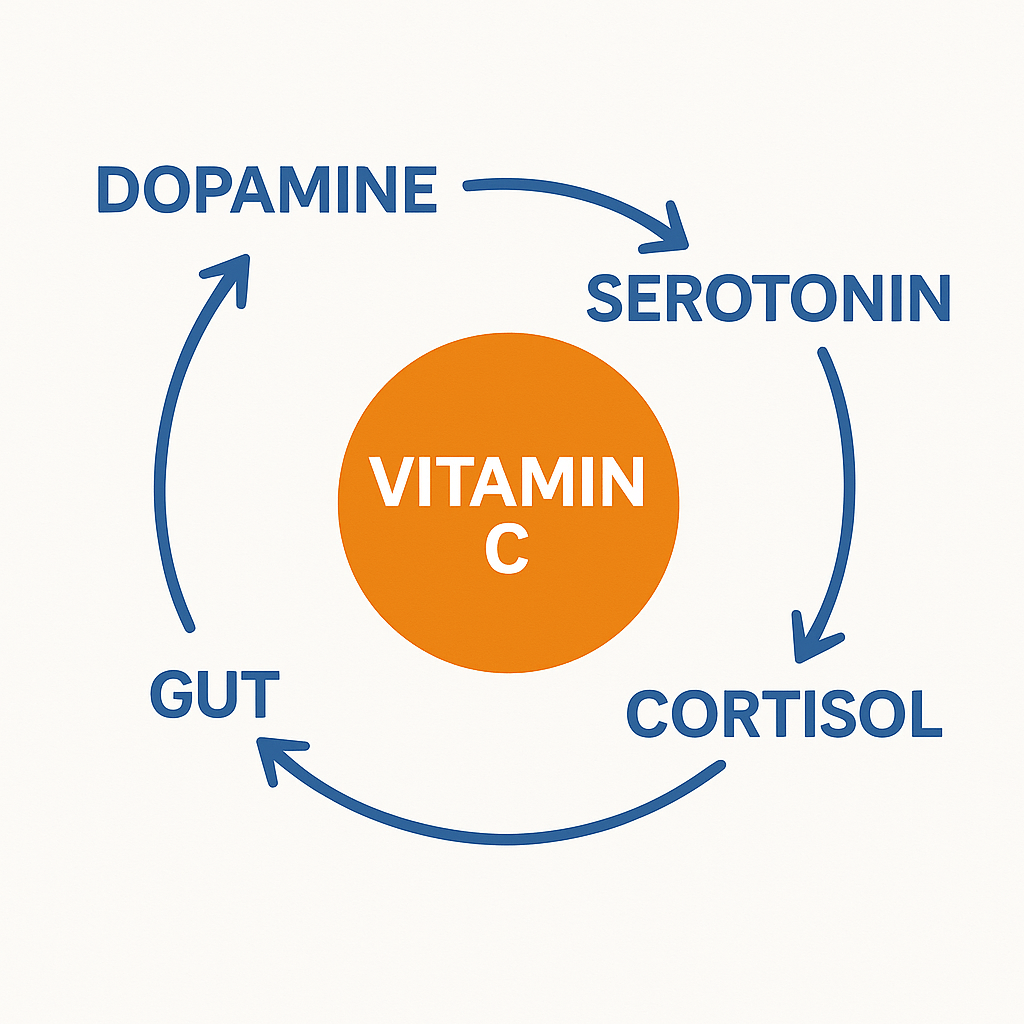
Series context: previous article focused on Omega-3: Mirea, D. (2025) TED Series, Part III: Omega-3 and Mental Health. NeuroAffective-CBTยฎ. Available at: https://neuroaffectivecbt.com/2025/10/18/ted-series-part-iii-omega-3-and-mental-health/ – next article highlights Vitamin C and its role in mental health: TED Series, Part V: Vitamin C and Mental Health: Neurotransmitters, Stress, and Emotional Resilience

References

Abbasi, B., Kimiagar, M., Sadeghniiat, K., Shirazi, M.M., Hedayati, M. & Rashidkhani, B. (2012). The effect of magnesium supplementation on primary insomnia in elderly subjects: A double-blind placebo-controlled clinical trial. Journal of Research in Medical Sciences, 17(12), 1161โ€“1169.

Derom, M.-L. et al. (2019). Magnesium and depression: A systematic review and meta-analysis. Nutrients, 11(11), 2473.

Freeman, M.P. et al. (2006). Omega-3 fatty acids: Evidence basis for treatment and future research in psychiatry. Journal of Clinical Psychiatry, 67(12), 1954โ€“1967.

Jacka, F.N. et al. (2009). Association between magnesium intake and depression in adults. Australian and New Zealand Journal of Psychiatry, 43(1), 45โ€“52.

Kirkland, A.E., Sarlo, G.L. & Holton, K.F. (2018). The role of magnesium in neurological disorders. Nutrients, 10(6), 730.

Maguire, M. C. (2018) Challenges in the Diagnosis of Magnesium Status. International Journal of Trace Elements in Medicine and Biology, 50, pp. 7-13. Available at: https://pubmed.ncbi.nlm.nih.gov/30200431/ [Accessed 21 Oct 2025].

Mirea, D. (2023) Tired, Exercise and Diet Your Way Out of Trouble (TED Model). NeuroAffective-CBTยฎ. Available at: https://neuroaffectivecbt.com [Accessed 21 October 2025].

Mirea, D. (2025) TED Series, Part III: Omega-3 and Mental Health. NeuroAffective-CBTยฎ. Available at: https://neuroaffectivecbt.com/2025/10/18/ted-series-part-iii-omega-3-and-mental-health/ [Accessed 21 October 2025].

Slutsky, I. et al. (2010). Enhancement of learning and memory by elevating brain magnesium. Neuron, 65(2), 165โ€“177.

Takase, B. et al. (2004). Influence of chronic stress and magnesium status on cardiovascular function and blood flow. Clinical Cardiology, 27(12), 671โ€“677.

White, J.R. et al. (1992) โ€˜Adrenaline infusion reduces plasma magnesium concentrations in humansโ€™, Clinical Science, 82(3), pp. 299โ€“303.

Yary, T. et al. (2016) โ€˜Dietary magnesium intake and the risk of dementia: A longitudinal cohort studyโ€™, European Journal of Nutrition, 55(6), pp. 2143โ€“2151.

TED Series, Part III: “Omega-3 Fatty Acids and Emotional Stabilisation”

Daniel Mirea (October, 2025)
NeuroAffective-CBTยฎ |ย https://neuroaffectivecbt.com

Abstract

Omega-3 fatty acids, particularly eicosapentaenoic acid (EPA) and docosahexaenoic acid (DHA), have attracted growing attention as biologically plausible adjuncts in the treatment of mood and affective disorders. Beyond their cardiovascular benefits, omega-3s play a central role in neuronal membrane structure, inflammatory modulation, neurotransmission, and neuroplasticityโ€”processes directly relevant to emotional regulation, cognitive flexibility, and psychotherapeutic change.

Within the NeuroAffective-CBTยฎ framework, the TED (Tiredโ€“Exerciseโ€“Diet) model conceptualises lifestyle-related biological states as foundational regulators of the Bodyโ€“Brainโ€“Affect triangle. This third instalment of the TED series presents a narrative, theory-integrative review of omega-3 fatty acids as a psychometabolic factor influencing mood stability, cognitive performance, and affective resilience. Drawing on evidence from nutritional psychiatry, neuroscience, and clinical trials, the article examines differential roles of EPA and DHA in inflammation regulation, monoaminergic signalling, membrane fluidity, and stress responsivity.

Rather than proposing omega-3 supplementation as a stand-alone intervention, the article situates dietary fats within an ethically integrated, lifestyle-informed adjunct to psychotherapy. Practical TED-aligned strategies are discussed, including dosage considerations, omega-6 to omega-3 balance, habit integration, and synergy with sleep and exercise. It is argued that improving neuronal membrane health and reducing inflammatory load may stabilise the neurobiological conditions necessary for emotional learning, therapeutic engagement, and sustained neuroplastic change.

The paper concludes by outlining clinical implications for assessment and treatment planning within NeuroAffective-CBTยฎ, and highlights directions for future research examining how omega-3โ€“driven metabolic support may enhance psychotherapeutic outcomes.


Keywords: NeuroAffective-CBT, TED model, omega-3, fatty acids, EPA, DHA, emotional regulation, depression, neuroplasticity, psychometabolic health, lifestyle psychiatry, psychotherapy augmentation


New Research Findings and NeuroAffective-CBTยฎ Implications

In this third instalment of the TED (Tiredโ€“Exerciseโ€“Diet) Series, we explore how omega-3 fatty acids, particularly EPA and DHA, influence mood, cognition, and emotional regulation. Drawing from neuroscience, nutritional psychiatry, and the NeuroAffective-CBTยฎ framework, this article examines the growing evidence that dietary fats do more than protect the heart, they also nourish the mind. Blending practical TED applications with current clinical research, it offers clinicians and readers accessible strategies for integrating omega-3s into a new lifestyle-based approach to mental health.

Introducing TED in the NeuroAffective-CBTยฎ Framework

The TED (Tiredโ€“Exerciseโ€“Diet) model brings neuroscience, nutritional psychiatry, psychophysiology, and behavioural science into an integrated framework for emotional regulation and mental health. Within the broader NeuroAffective-CBTยฎ (NA-CBT) programme, TED is introduced early to support self-regulation and biological stability, the โ€œBodyโ€“Brainโ€“Affectโ€ triangle that underpins shame-based and affective disorders (Mirea, 2023; Mirea, 2025).

Earlier parts of this series explored the roles of creatine and insulin regulation in mood and cognition. This third instalment turns to omega-3 fatty acids, essential nutrients that play a central role in brain health, mood regulation, and anti-inflammatory balance.


Why Omega-3s Matter: The Brainโ€™s Structural Fat

When people hear the word โ€œfat,โ€ they often think of storage fat the kind that accumulates around the waist or organs. But the brain depends on an entirely different type: structural fat, which makes up the cell membranes of neurons. These membranes control how signals and chemicals move between brain cells, and their flexibility directly affects how efficiently neurons communicate (Huberman, 2023).

Omega-3 fatty acids, primarily EPA (eicosapentaenoic acid) and DHA (docosahexaenoic acid) are the building blocks of these membranes. DHA maintains the structure of neurons, while EPA modulates inflammation and neurotransmission, influencing serotonin and dopamine signalling (Freeman et al., 2006; Mocking et al., 2020).

From a TED perspective, this is where Diet meets Affect: better membrane health and lower inflammation translate into improved emotional regulation, resilience to stress, and more stable mood patterns.

What Are EPA and DHA? (In Simple Terms)

When we talk about omega-3 fatty acids, weโ€™re mostly referring to two main types that the body uses for brain and heart health:

  • EPA (Eicosapentaenoic Acid): Think of EPA as the firefighter in your system. It helps reduce inflammation, calm overactive stress responses, and balance the brainโ€™s chemical messengers that affect mood. Studies show that getting enough EPA can help lift low mood and reduce symptoms of depression.
  • DHA (Docosahexaenoic Acid): DHA is more like the architect of your brain. It builds and maintains the structure of your brain cells, especially in areas responsible for memory, focus, and emotional stability. Itโ€™s crucial for brain development, but also for keeping adult brains flexible and resilient under stress.

Both EPA and DHA work together , EPA helps your brain feel better, and DHA helps it work better. You can get them from oily fish like salmon, sardines, and mackerel, or from algal oil if you follow a plant-based diet.

TED summary:
EPA supports the Diet part of TED by reducing emotional inflammation, those biochemical โ€œstormsโ€ that make you feel tense or flat. DHA supports the Tired part, helping your brain stay sharp and recover faster when youโ€™re mentally drained. Together, they strengthen the brainโ€“body connection that TED and NeuroAffective-CBTยฎ aim to restore. It is important to note that these supplements do not cure mental health conditions but can operate as adjuncts to therapy and medication, supporting recovery and prevention.


Evidence from Research: Depression, Focus, and Emotional Health

EPA and Depression – What Research Shows

A growing number of studies show that omega-3 supplements rich in EPA (about 1 gram per day) can noticeably reduce symptoms of depression. In some cases, the improvements are similar to those seen with common antidepressant medications in people with mild to moderate depression (Peet & Horrobin, 2002; Martins, 2009; Mocking et al., 2020).

One major study compared 1 gram of EPA to fluoxetine (Prozac), a widely used SSRI antidepressant and found that both worked equally well in improving mood. The group that combined EPA and fluoxetine together did even better, suggesting that omega-3s may enhance the effects of antidepressant treatment (Nemets et al., 2006).

Scientists believe EPA helps mood in several ways. It reduces inflammation in the body and brain (which can interfere with mood-regulating chemicals like serotonin) and keeps brain cell membranes flexible, allowing signals to travel more efficiently between neurons (Su et al., 2018).

TED perspective:
In TED terms, EPA acts like a โ€œmood stabiliserโ€ for the bodyโ€“brain system, calming internal inflammation, improving brain energy flow, and helping emotions move more smoothly through the day.

DHA and Cognition – The Brainโ€™s Structural Support

While EPA helps regulate mood and inflammation, DHA focuses more on the structure and performance of brain cells. Itโ€™s especially concentrated in brain areas responsible for memory, focus, and emotional balance, such as the prefrontal cortex and hippocampus.

Research shows that people who get enough DHA perform better on memory and attention tasks, particularly older adults or those who normally eat little fish or other omega-3 sources (Yurko-Mauro et al., 2010). DHA helps brain cells maintain flexible outer membranes, allowing them to communicate efficiently and adapt to new information, a process linked to learning and resilience.

When DHA levels are low, brain signalling can become sluggish, affecting concentration, motivation, and even emotional stability. Regular intake through food (like oily fish) or supplements can help restore this โ€œneural flexibility.โ€

TED summary:
In TED language, DHA supports the Tired and Diet domains, it helps the brain stay sharp, focused, and emotionally steady, especially under mental fatigue or stress. Think of it as giving your neurons the healthy fat insulation they need to keep your thoughts and emotions running smoothly.


โš–๏ธ Dosage, Ratios, and Practical Guidance

Most research suggests that taking between 1,000 and 2,000 mg per day of omega-3 fatty acids, especially formulations higher in EPA, can noticeably improve mood, focus, and general wellbeing (Martins, 2009; Mocking et al., 2020). For depression and emotional balance, experts often recommend that EPA make up at least 60% of the total omega-3 blend.

You can get these healthy fats from both food and supplements:

  • Natural sources: oily fish such as salmon, sardines, mackerel, and anchovies.
  • Plant-based options: chia seeds, flaxseed, walnuts, and algal oil (a vegan source rich in DHA).
  • Supplements: choose products that are molecularly distilled or third-party tested for purity and heavy-metal safety.

Because omega-3s are fat-soluble, they are best absorbed when taken with meals that include some healthy fat, such as avocado, eggs, or olive oil.

TED summary:
Omega-3s are like the high-quality oil in your brainโ€™s engine, helping neurons glide, communicate, and self-repair. For best results, pair consistent intake with the other TED elements: regular sleep (Tired), sports (Exercise), and nutrient-dense meals (Diet).


TED Practical Layer: Combining Nutrition with Behaviour

The TED approach is about how we live, not just what we take. Omega-3s work best when integrated into daily habits that support absorption, brain function, and emotional balance.

Here are a few practical ways to make that happen:

  1. Take omega-3s with meals that contain healthy fats.
    These fats, like those from eggs, olive oil, or avocado, help your body absorb EPA and DHA more efficiently.
  2. Pair with regular movement.
    Exercise increases enzymes that help omega-3s get into brain cells (Dyall, 2014). Even short daily walks or light strength training enhance this process.
  3. Balance omega-6 intake.
    Many modern diets contain too much omega-6 (from seed oils and processed foods), which can block omega-3 benefits. Aim for a lower omega-6 to omega-3 ratio (around 3:1) to reduce inflammation and support mood regulation (Simopoulos, 2016).
  4. Track mood and focus.
    Keep a brief weekly log of your energy, sleep, and emotional stability. Over a month or two, most people notice more mental clarity and steadier mood.

TED Translation:
Small, consistent actions matter. Taking omega-3s in the morning, walking regularly, and eating real, unprocessed foods all work together to open up the bodyโ€“brainโ€“affect loop, the very system TED aims to strengthen.

TED and NeuroAffective-CBTยฎ Integration

In the NeuroAffective-CBTยฎ (NA-CBT) framework, the TED model (Tired, Exercise, Diet) bridges the gap between the mind and body. Omega-3 supplementation fits naturally within the Diet domain, but its effects ripple across all three.

Low omega-3 levels have been linked to mood dysregulation, impulsivity, and emotional reactivity โ€” all central features of the bodyโ€“brainโ€“affect triangle that NA-CBT helps regulate (Mirea, 2025). Supporting neuronal health through dietary means therefore complements core CBT processes such as emotional awareness, behavioural activation, and self-compassion.

For clinicians, this integration can be structured through a few evidence-informed steps:

  1. Screen for dietary insufficiency or inflammation markers (e.g., high omega-6 intake, poor diet quality).
  2. Psychoeducate clients on the bodyโ€“mind connection โ€” explain how stabilising the bodyโ€™s biochemistry supports cognitive flexibility.
  3. Encourage gradual habit stacking, introducing omega-3s alongside TED routines (sleep hygiene, consistent exercise).
  4. Monitor outcomes, tracking not just mood changes, but energy, focus, and emotional resilience.

TED translation:
Think of omega-3s as emotional lubricants, subtle but powerful agents that help the brainโ€™s communication systems run smoothly, making it easier for CBT tools to โ€œclick.โ€ Combined with good sleep and movement, they form part of a whole-person therapy that builds physiological and psychological balance from the inside out.


Summary & Outlook

The evidence around omega-3 fatty acids, particularly EPA and DHA, continues to grow, positioning them as safe, low-cost, and biologically plausible adjuncts for improving mood, cognition, and emotional regulation. In depression, EPA-dominant formulations (~1 g/day) have demonstrated antidepressant effects comparable to SSRIs in mild-to-moderate cases (Nemets et al., 2006; Mocking et al., 2020). DHA, on the other hand, plays a structural and neuroprotective role, supporting long-term cognitive resilience.

From the TED viewpoint, omega-3s bridge physiology and psychology. They not only support neuronal efficiency but also improve the emotional flexibility required for therapeutic change, embodying TEDโ€™s principle that lifestyle science and psychotherapy are most effective when integrated.

Within the TED (Tiredโ€“Exerciseโ€“Diet) framework, omega-3s exemplify how dietary micro-interventions can amplify psychotherapeutic outcomes. Combined with good sleep, consistent exercise, and emotional processing, the three TED pillars, they help restore the physiological stability necessary for deeper psychological change.

For clinicians, the takeaway is practical:

  • Screen for dietary quality and omega-3 intake early in assessment.
  • Encourage balanced omega-3 to omega-6 ratios.
  • Integrate nutritional strategies alongside CBT interventions.
  • Track progress using both subjective (mood, focus) and objective (diet logs) measures.

Final thought from TED:
Omega-3s donโ€™t just feed the body, they fuel the brain. When woven into the TED lifestyle and NeuroAffective-CBTยฎ framework, they help restore energy, sharpen thinking, and smooth the emotional landscape, supporting the long-term goal of mindโ€“body regulation.


โš ๏ธ Disclaimer

These articles do not replace medical or psychological assessment. Regular health checks, including blood lipid and inflammatory markers, are recommended. Always consult your GP or prescribing clinician before starting supplementation, particularly if taking psychiatric medication or anticoagulants.

Series context:ย next article will focus on the the highest risk factor for mental illness, poor sleep: TED Series, Part VI: Sleep and Mental Health โ€“ The Neuroscience of Restoration and Affective Regulation


References

Allen, P.J., Dโ€™Anci, K.E. & Kanarek, R.B. (2024) โ€˜Creatine supplementation in depression: bioenergetic mechanisms and clinical prospectsโ€™, Neuroscience & Biobehavioral Reviews, 158, 105308.
Dyall, S.C. (2014) โ€˜Long-chain omega-3 fatty acids and the brain: A review of the independent and shared effects of EPA, DHA and ALAโ€™, Frontiers in Aging Neuroscience, 6, 52.
Freeman, M.P. et al. (2006) โ€˜Omega-3 fatty acids: Evidence basis for treatment and future research in psychiatryโ€™, Journal of Clinical Psychiatry, 67(12), pp. 1954โ€“1967.
Huberman, A. (2023) Food and Supplements for Mental Health. The Huberman Lab Podcast, Stanford University.
Martins, J.G. (2009) โ€˜EPA but not DHA appears to be responsible for the efficacy of omega-3 supplementation in depressionโ€™, Journal of Affective Disorders, 116(1โ€“2), pp. 137โ€“143.
Mirea, D. (2023) Tired, Exercise and Diet Your Way Out of Trouble (TED Model). NeuroAffective-CBTยฎ. ResearchGate.
Mirea, D. (2025) TED Series, Part III: Omega-3 and Mental Health. NeuroAffective-CBTยฎ. Available at: https://neuroaffectivecbt.com/2025/10/18/ted-series-part-iii-omega-3-and-mental-health/ [Accessed 18 October 2025].
Mocking, R.J.T. et al. (2020) โ€˜Meta-analysis and meta-regression of omega-3 polyunsaturated fatty acid supplementation for major depressive disorderโ€™, Translational Psychiatry, 10, 190.
Nemets, B., Stahl, Z. & Belmaker, R.H. (2006) โ€˜Addition of omega-3 fatty acid to maintenance medication treatment for recurrent unipolar depressive disorderโ€™, American Journal of Psychiatry, 163(6), pp. 1098โ€“1100.
Simopoulos, A.P. (2016) โ€˜An increase in the omega-6/omega-3 fatty acid ratio increases the risk for obesity and metabolic syndromeโ€™, Nutrients, 8(3), 128.
Su, K.P. et al. (2018) โ€˜Omega-3 fatty acids in major depressive disorder: A preliminary double-blind, placebo-controlled trialโ€™, European Neuropsychopharmacology, 28(4), pp. 502โ€“510.
Yurko-Mauro, K. et al. (2010) โ€˜Beneficial effects of docosahexaenoic acid on cognition in age-related cognitive declineโ€™, Alzheimerโ€™s & Dementia, 6(6), pp. 456โ€“464.

TED Series, Part I: “Could Creatine Play an Important Role to Mental Health?”

Daniel Mirea (October, 2025)
NeuroAffective-CBTยฎ |ย https://neuroaffectivecbt.com

Abstract

Creatine, long associated with skeletal muscle performance, has attracted growing interest within neuroscience and psychiatry due to its role in cerebral energy metabolism, mitochondrial function, and stress resilience. Evidence from animal models, neuroimaging studies, and early-stage human trials suggests that creatine supplementation may enhance brain bioenergetics, buffer cognitive and emotional functioning under metabolic stress, and augment established treatments for depression when used adjunctively. Preliminary randomised controlled data indicate greater reductions in depressive symptoms when creatine supplementation is combined with cognitive-behavioural therapy compared to psychotherapy alone.

Although findings remain heterogeneous and exploratory, they support a neuroaffective perspective in which cellular energy availability may enable, or constrain, emotional regulation, learning, and psychotherapeutic change. This first instalment of the TED (Tiredโ€“Exerciseโ€“Diet) series examines creatine as a foundational metabolic substrate within a broader lifestyle neuroscience framework relevant to affect regulation, fatigue, and motivation. The article reviews what creatine is, why it may matter for the emotional brain, and what the current evidence does, and does not, support, while underscoring the need for larger, well-controlled clinical trials prior to routine clinical implementation.

More broadly, this article aims to bridge psychotherapy and lifestyle neuroscience in a grounded, theory-integrative manner, offering relevance to mental health clinicians, researchers, and advanced readers interested in biologically informed approaches to emotional regulation.


Keywords

NeuroAffective-CBT, TED model, creatine supplementation, lifestyle interventions, affect regulation, shame-based disorders, depression, psychotherapy augmentation, brain energy metabolism, mitochondrial function, fatigue, affect dysregulation


The TED Series: Rationale, Order, and Structure

This article opens the TED (Tiredโ€“Exerciseโ€“Diet) series, an eight-part examination of how lifestyle-related variables shape emotional regulation, cognitive performance, and mental health. The series addresses not only supplements, but also behavioural and physiological regulators that operate largely outside conscious awareness while exerting significant influence over mood, motivation, self-control, and learning capacity.

TED is organised around three interdependent pillars:

  • T โ€“ Tired: sleep, fatigue, circadian rhythm, and recovery
  • E โ€“ Exercise: movement, strength, metabolic resilience, and stress adaptation
  • D โ€“ Diet: nutrition, hydration, and gutโ€“brain biochemical signalling

Although conceptually simple, each pillar encompasses multiple interacting neurobiological mechanisms. For this reason, the series both begins and ends with “Diet”. Nutrition supplies the molecular substrates required for neural energy production, neurotransmission, immune balance, and plasticity. Sleep restores and exercise activates; diet sustains the biochemical conditions upon which both depend.

Rather than opening with dietary patterns or prescriptive guidance, Part I focuses on a single, well-characterised nutritional compound central to cellular energy availability. This establishes a physiological foundation upon which subsequent instalments progressively address broader metabolic, neurochemical, behavioural, and restorative processes.

The sequence of the TED series is as follows:


Introducing TED within the NeuroAffective-CBT Framework

Within NeuroAffective-CBT (NA-CBT), TED functions as a biologically grounded scaffold of self-regulation that supports emotional learning, affect tolerance, and therapeutic engagement. Rather than serving as an adjunctive wellness strategy, TED is embedded as a core regulatory module designed to stabilise the physiological conditions upon which affective and cognitive interventions depend.

A central clinical observation underpinning the TED model is that shame-based and affect-dysregulated presentations, characterised by self-loathing, entrenched self-criticism, fatigue, and motivational collapse, frequently co-occur with sleep disruption, metabolic strain, low physical activity, and dysregulated eating. These states are associated with reduced neural flexibility, impaired stress tolerance, and diminished capacity for emotional integration. When such physiological constraints remain unaddressed, engagement with psychotherapy may be limited regardless of insight or motivation.

TED targets three interdependent domains that operate largely outside conscious awareness yet exert powerful influence over mood, motivation, self-control, and learning capacity. Its aim is not optimisation or performance enhancement, but regulation: establishing sufficient physiological stability to widen the window for emotional regulation and psychotherapeutic change.

In NA-CBTยฎ, TED is introduced early in treatment, following assessment and case conceptualisation. Addressing sleep, movement, and nutritional regulation at this stage helps establish the metabolic and neurophysiological conditions necessary for deeper affective and cognitive work. Lifestyle variables are therefore treated as modifiable neuro-behavioural levers capable of influencing dopamine signalling, serotonin synthesis, immune activity, circadian rhythm, and vagus-mediated gutโ€“brain communication.

Daniel Mirea (2023 and 2025) articulated the TED model as โ€œTired, Exercise, and Diet Your Way Out of Trouble,โ€ positioning it as a bridge between neuroscience, nutritional psychiatry, psychophysiology, and behavioural science. Within this framework, psychological change is constrained, but not determined, by metabolic capacity. TED thus supports, rather than replaces, affect-focused psychotherapy.

In this context, it is important to distinguish the TED framework from performance-first lifestyle or โ€œbiohackingโ€ models that prioritise optimisation, productivity, or symptom elimination. Whereas performance-oriented approaches often aim to push cognitive, emotional, or physical output beyond baseline, TED is explicitly regulatory rather than augmentative. Its goal is not to enhance performance, resilience, or motivation per se (although these could be byproducts) but to stabilise the physiological conditions required for emotional tolerance, learning, and self-regulation. Within TED, sleep, movement, and nutrition are not leveraged to maximise efficiency or willpower, but to reduce background physiological noise that constrains affective processing and psychotherapeutic change. In this sense, TED operates as a constraint-reducing framework rather than a performance-enhancing one, supporting psychological work without reframing distress as a failure of optimisation or effort.


What Does the Evidence Suggest.. and What Doesnโ€™t

Creatine has traditionally been viewed as a sports supplement valued for muscular performance. More recently, neuroscience research has examined creatine as a neurometabolic compound relevant under conditions of cerebral stress. Although the liver and brain synthesise small endogenous amounts, supplementation appears most relevant during periods of elevated cognitive demand, sleep deprivation, depression, or neurodegenerative vulnerability, states characterised by energetic strain, inflammation, and oxidative stress.

Animal models, neuroimaging studies, and early-stage human trials suggest that creatine supplementation may enhance brain bioenergetics, buffer cognitive performance under metabolic stress, and support emotional functioning. However, the evidence base remains emergent and heterogeneous, with effects varying by population, dose, and context. Current findings therefore support cautious optimism rather than clinical certainty.

From a NeuroAffective-CBTยฎ perspective, these findings raise the possibility that cellular energy availability may function as a permissive factor for emotional regulation and psychotherapeutic learning, rather than as a direct treatment mechanism.


The Rationale: Bioenergetics, Oxidative Stress, and Brain Demand

Creatine functions as a rapid energy-buffering system, maintaining cellular ATP availability during periods of high demand via the phosphocreatine system. Although commonly associated with muscle tissue, the brain consumes approximately 20% of the bodyโ€™s resting energy expenditure.

In depression, anxiety, and chronic stress, mitochondrial inefficiency and elevated oxidative stress are frequently observed. These processes are associated with impaired neural signalling, reduced synaptic efficiency, and diminished capacity for affect regulation. By supporting mitochondrial efficiency and stabilising cellular energy availability, creatine supplementation may mitigate some of these constraints.

Animal models demonstrate reduced stress markers and depression-like behaviours following creatine administration, while early human findings remain cautiously promising. Together, these mechanisms suggest a plausible link between bioenergetic support and emotional regulation, although causal pathways remain under investigation.

TED summary: Creatine may help stabilise cerebral energy supply under stress, reducing metabolic interference with emotional regulation and learning.


Human Evidence: Mood, Cognition, and Stress Conditions

Mood and Depression

Controlled trials indicate that creatine may accelerate and potentiate antidepressant effects when used adjunctively. Studies combining creatine with selective serotonin reuptake inhibitors, as well as a recent randomised pilot trial combining creatine with cognitive-behavioural therapy, report greater reductions in depressive symptoms compared to treatment alone, without increased adverse events.

Neuroimaging studies demonstrate increased cerebral phosphocreatine following supplementation, potentially addressing reduced brain-energy states observed in mood disorders. Reviews consistently conclude that creatine shows greatest promise as an adjunct rather than a stand-alone intervention.

TED perspective: By supporting metabolic stability, creatine may enhance engagement with psychotherapy and emotional learning.


Cognition, Memory, and Sleep Deprivation

Systematic reviews suggest that creatine can improve memory, processing speed, and cognitive endurance under conditions of metabolic stress, including sleep deprivation and sustained mental effort. Benefits are most consistently observed in older adults or individuals with compromised energy regulation, while effects in young, well-rested populations are minimal.

Experimental sleep-deprivation models indicate that acute high-dose creatine can reverse cognitive deficits and, in some paradigms, restore performance to near baseline levels. These findings point to relatively rapid effects on cerebral energy metabolism rather than slow structural adaptation.

TED perspective: Creatine may support cognitively and emotionally tired brains under pressure, bridging the Tired and Diet domains.


Key Questions and Practical Considerations

Dose and Brain Uptake

While low-dose creatine (3โ€“5 g/day) effectively supports muscular performance, evidence suggests higher doses may be required to meaningfully elevate brain creatine levels once muscular stores are saturated. Brain uptake appears slower and more variable, which may explain why cognitive and mood effects often emerge gradually. These observations are mechanistic rather than prescriptive.

Electrolytes and Hydration

Creatine transport relies on sodium- and chloride-dependent transporters. Adequate hydration and electrolyte intake may facilitate cellular uptake, although brain-specific effects remain under investigation.

Safety

Extensive evidence supports the safety of creatine monohydrate at standard doses. Rare reports of manic switching underscore the need for monitoring in vulnerable populations, particularly individuals with bipolar spectrum conditions.


Implications for TED and NeuroAffective-CBTยฎ

Creatine should be understood as a supportive metabolic adjunct rather than a substitute for psychotherapy or pharmacotherapy. Its potential value lies in stabilising bioenergetic foundations that may enhance emotional learning, affect regulation, and therapeutic engagement.

From a NeuroAffective-CBTยฎ perspective, insufficient bioenergetic capacity may constrain the brainโ€™s ability to tolerate affect, regulate emotion, and engage in self-reflection. Addressing such constraints may widen the therapeutic window within which affect-focused and cognitive interventions can operate. When integrated within the TED frameworkโ€”alongside sleep optimisation, structured movement, and nutrient-dense nutritionโ€”creatine may contribute to synergistic effects that support psychological change.


Summary and Outlook

Taken together, current evidence suggests that creatine could play a limited but meaningful role in mental health, not as a stand-alone intervention, but as a metabolic support that may enhance emotional regulation and psychotherapeutic change under conditions of fatigue and stress. Within the TED model, this reflects a broader principle: psychological change is constrained by metabolic capacity. When bioenergetic resources are insufficient, the brainโ€™s ability to tolerate affect, sustain motivation, and engage in emotional learning may be reduced.

By examining creatine in the first instalment of the TED series, this article establishes a physiological foundation for understanding how lifestyle-related variables shape mental health outcomes. Creatine emerges as a scientifically plausible example of how targeted metabolic support may stabilise cerebral energy availability, thereby widening the window within which affect-focused and cognitive interventions can operate. Its value lies in facilitation rather than substitution.

Subsequent instalments examine insulin sensitivity, fatty acid composition, micronutrient sufficiency, sleep architecture, and movement, progressively outlining how lifestyle regulation can support emotional regulation, cognitive flexibility, and neuroplastic change. The final instalment returns to Diet as a whole, reframing nutrition not merely as fuel but as informationโ€”a continuous stream of biochemical signals shaping emotional states, cognition, and behaviour. Within this framework, creatine is best understood not as a cure, but as a metabolic ally supporting tired brains so psychotherapy can work more effectively.

โš ๏ธ Disclaimer

This article is not intended to replace professional medical or psychological assessment or treatment. Lifestyle or supplement changes should always be discussed with qualified health professionals, including a GP, psychiatrist, registered nutritionist, particularly when managing mental health or metabolic conditions.

Series context:ย next article will focus on insulin resistance and explore beyond the obvious connection with diabetes: TED Series, Part II: โ€œInsulin Resistance and Mental Health .. โ€œ


References:

Allen, P.J., Dโ€™Anci, K.E. & Kanarek, R.B., 2024. Creatine supplementation in depression: bioenergetic mechanisms and clinical prospects. Neuroscience & Biobehavioral Reviews, 158, 105308. https://doi.org/10.1016/j.neubiorev.2024.105308

Antonio, J. et al., 2021. Common questions and misconceptions about creatine supplementation: what does the scientific evidence really show? Journal of the International Society of Sports Nutrition, 18(1), 13โ€“27. https://doi.org/10.1186/s12970-021-00412-z

Avgerinos, K.I., Spyrou, N., Bougioukas, K.I. & Kapogiannis, D., 2018. Effects of creatine supplementation on cognitive function of healthy individuals: a systematic review of randomized controlled trials. Experimental Gerontology, 108, 166โ€“173. https://doi.org/10.1016/j.exger.2018.04.014

Braissant, O., 2012. Creatine and guanidinoacetate transport at the bloodโ€“brain and bloodโ€“cerebrospinal-fluid barriers. Journal of Inherited Metabolic Disease, 35(4), 655โ€“664. https://doi.org/10.1007/s10545-011-9415-6

Candow, D.G., Forbes, S.C., Chiang, E., Farthing, J.P. & Johnson, P., 2022. Creatine supplementation and aging: physiological responses, safety, and potential benefits. Nutrients, 14(6), 1218. https://doi.org/10.3390/nu14061218

Dechent, P., Pouwels, P.J.W., Wilken, B., Hanefeld, F. & Frahm, J., 1999. Increase of total creatine in human brain after oral supplementation of creatine monohydrate. American Journal of Physiology โ€“ Regulatory, Integrative and Comparative Physiology, 277(3), R698โ€“R704. https://doi.org/10.1152/ajpregu.1999.277.3.R698

Dolan, E., Gualano, B., Rawson, E.S. & Phillips, S.M., 2018. Creatine supplementation and brain function: a systematic review. Psychopharmacology, 235, 2275โ€“2287. https://doi.org/10.1007/s00213-018-4956-2

Firth, J. et al., 2020. A meta-review of โ€œlifestyle psychiatryโ€: the role of exercise, smoking, diet and sleep in mental disorders. World Psychiatry, 19(3), 360โ€“380. https://doi.org/10.1002/wps.20773

Harvard Health Publishing, 2024. What is creatine? Harvard Medical School. Available at: https://www.health.harvard.edu/staying-healthy/what-is-creatine

Irwin, M.R., 2015. Why sleep is important for health: a psychoneuroimmunology perspective. Annual Review of Psychology, 66, 143โ€“172. https://doi.org/10.1146/annurev-psych-010213-115205

Kandola, A., Ashdown-Franks, G., Hendrikse, J., Sabiston, C.M. & Stubbs, B., 2019. Physical activity and depression: toward understanding the antidepressant mechanisms of physical activity. Neuroscience & Biobehavioral Reviews, 107, 525โ€“539. https://doi.org/10.1016/j.neubiorev.2019.09.040

Kreider, R.B. et al., 2017. ISSN position stand: safety and efficacy of creatine supplementation in exercise, sport, and medicine. Journal of the International Society of Sports Nutrition, 14, 18. https://doi.org/10.1186/s12970-017-0173-z

L-Kiaux, A., Brachet, P. & Gilloteaux, J., 2024. Creatine for the treatment of depression: preclinical and clinical evidence. Current Neuropharmacology, 22(4), 450โ€“466. https://doi.org/10.2174/1570159X22666230314101523

Lopresti, A.L., 2019. A review of lifestyle factors that contribute to important pathways in depression: diet, sleep and exercise. Journal of Affective Disorders, 256, 38โ€“44. https://doi.org/10.1016/j.jad.2019.05.066

Lyoo, I.K. et al., 2012. A randomized, double-blind clinical trial of creatine monohydrate augmentation for major depressive disorder in women. American

Journal of Psychiatry, 169(9), 937โ€“945. https://doi.org/10.1176/appi.ajp.2012.11081259

McMorris, T. et al., 2006. Creatine supplementation and cognitive performance during sleep deprivation. Psychopharmacology, 185(1), 93โ€“103. https://doi.org/10.1007/s00213-005-0269-8

McMorris, T., Harris, R.C., Howard, A. & Jones, M., 2017. Creatine, sleep deprivation, oxygen deprivation and cognition: a review. Journal of Sports Sciences, 35(1), 1โ€“8. https://doi.org/10.1080/02640414.2016.1156723

Mirea, D., 2023. Tired, Exercise and Diet Your Way Out of Trouble (T.E.D.) model. NeuroAffective-CBTยฎ Publication. Available at: https://www.researchgate.net/publication/382274002_Tired_Exercise_and_Diet_Your_Way_Out_of_Trouble_T_E_D_model_by_Mirea [Accessed 17 October 2025]

Mirea, D., 2025. Why your brain makes you crave certain foods (and how โ€œTEDโ€ can help you rewire itโ€ฆ). NeuroAffective-CBT, 17 September. [online] Available at: https://neuroaffectivecbt.com/2025/09/17/why-your-brain-makes-you-crave-certain-foods/ [Accessed 17 October 2025].

Morris, G., Berk, M., Carvalho, A.F. et al., 2017. The role of mitochondria in mood disorders: from pathophysiology to novel therapeutics. Bipolar Disorders, 19(7), 577โ€“596. https://doi.org/10.1111/bdi.12534

Rae, C. & Brรถer, S., 2015. Creatine as a booster for human brain function. Neurochemistry International, 89, 249โ€“259. https://doi.org/10.1016/j.neuint.2015.07.009

Silva, R. et al., 2013. Mania induced by creatine supplementation in bipolar disorder: case report. Journal of Clinical Psychopharmacology, 33(5), 719โ€“721. https://doi.org/10.1097/JCP.0b013e3182a60792

Simpson, E.J. & Rawson, E.S., 2021. Creatine supplementation and cognitive performance: a critical appraisal. Nutrients, 13(5), 1505. https://doi.org/10.3390/nu13051505

Sherpa, N.N., De Giorgi, R., Ostinelli, E.G. et al. (2025). Efficacy and safety profile of oral creatine monohydrate as an add-on to cognitive-behavioural therapy in depression: an 8-week pilot, double-blind, randomized, placebo-controlled feasibility and exploratory trial in an under-resourced area. European Neuropsychopharmacology, 90, pp. 28โ€“35.

Tachikawa, M., Fukaya, M., Terasaki, T. & Ohtsuki, S., 2013. Distinct cellular expression of creatine transporter (SLC6A8) in mouse brain. Journal of Cerebral Blood Flow & Metabolism, 33(5), 836โ€“845. https://doi.org/10.1038/jcbfm.2013.6

Zhang, Y., Li, X., Chen, S. & Wang, J., 2023. Creatine and brain health: mechanisms and therapeutic prospects. Frontiers in Neuroscience, 17, 1176542. https://doi.org/10.3389/fnins.2023.1176542