The Use of Lifestyle Interventions in Psychotherapy

Why Sleep, Movement, and Metabolic Stability Matter in NeuroAffective-CBTยฎ

Many clients enter psychotherapy believing their distress is โ€œall in the mindโ€. From a NeuroAffective-CBTยฎ (NA-CBTยฎ) perspective however, this assumption is incomplete. Mind and body form a single regulatory system, and emotional suffering often emerges from how physiological states interact with learned affective patterns.

NA-CBTยฎ is grounded in the idea that the brainโ€™s core function is prediction and protection. The nervous system constantly asks: Am I safe? What is about to happen? How bad could it be? These predictions are shaped not only by thoughts and beliefs, but by bodily signalsโ€”sleep, movement, metabolic stability, and neurochemical balance.

When physiology is unstable, prediction systems become more threat-sensitive. Neutral events are more easily experienced as dangerous, shame responses are triggered faster, and emotions escalate more quickly and last longer. This is why NA-CBTยฎ integrates TEDโ€”Tiredness (sleep/rest), Exercise (movement/fitness), and Diet (metabolism/nutrition)โ€”as a core stabilisation framework within psychotherapy.

TED is not a wellness add-on. It is often the foundation that allows cognitive, emotional, and relational work to become tolerable and effective.


NeuroAffective-CBTยฎ and the emerging โ€œfourth waveโ€

Within the broader CBT tradition, NA-CBTยฎ can be understood as part of an emerging, process-based fourth wave, integrating neuroscience, physiology, lifestyle science, and embodied experience into psychological treatment.

While earlier waves of CBT focused on behaviour, cognition, and acceptance, NA-CBTยฎ places affective underlayers such as shame, self-loathing, and internal threat, at the centre of formulation and intervention. Affect is treated as precognitive, fast, and survival-driven; cognition is the meaning-making layer built on top of it.

Central to this model is the Bodyโ€“Brainโ€“Affect triangle:

  • physiological states shape emotional and cognitive processes,
  • emotions influence thoughts and behaviour,
  • thoughts and behaviours, in turn, reshape physiology.

Within this system, TED functions as the physiological regulation arm of NA-CBTยฎ, reducing background volatility so deeper psychological learning can occur.

Therefore, the central aim of NA-CBTยฎ is helping clients distinguish between:

  • raw affect (the bodyโ€™s immediate threat or pain signal), and
  • interpretation (the meaning the mind assigns to that signal)

When these collapse into one another, clients experience emotions as overwhelming, self-defining, or dangerous. TED helps slow this process down by first asking: what is the body signalling right now, and is the reaction accurately calibrated?


Why lifestyle belongs inside psychotherapy

When sleep is poor, movement is minimal, or blood glucose is unstable, clients often experience:

  • heightened anxiety or irritability
  • emotional reactivity and rumination
  • intensified shame and self-criticism
  • reduced tolerance for exposure, uncertainty, or intimacy

From an NA-CBTยฎ perspective, these are not failures of willpower or insight. They are signs that the nervous system is operating under strain.

TED aims for sufficiency rather than optimisation. The goal is not perfect habits, but a stable internal environment that reduces threat sensitivity and supports emotional regulation as exemplied in the three case studies below.

Case examples (TED in action)

Case 1: Anxiety amplified by fatigue and metabolic instability

A client with panic-like anxiety noticed that their most intense fear spikes occurred late morning after poor sleep, skipped breakfast, and significantly increased caffeine and sugar intake. Using the TED self-check, they recognised that the fear was only partly warranted and heavily fuelled by tiredness and metabolic volatility. Addressing these factors firstโ€”reducing caffeine and sugar, introducing appropriate vitamins and minerals where indicated, and adding a daily morning walkโ€”made later exposure work possible rather than overwhelming.

Case 2: Shame-driven depression softened through movement

Another client with chronic self-loathing noticed that shame spikes reliably followed long sedentary days. Short โ€œexercise snacksโ€ were introduced not as fitness goals, but as identity repair behaviours (โ€œI am someone who cares for my nervous systemโ€). Tracking the relationship between movement, mood, and self-attacks led to reduced shame intensity before deeper cognitive restructuring was attempted.

Case 3: Relationship reactivity reduced through physiological regulation

A client experiencing explosive arguments discovered that intense reactions often followed long workdays, exhaustion, poor sleep, and minimal movement. The TED self-check helped distinguish warranted relational frustration from unwarranted threat amplification, enabling repair conversations instead of escalation.


Assessment and formulation: the Pendulum-Effect model in context

NA-CBTยฎ assessment extends beyond symptoms and surface cognitions to explore developmental affective learning.

A common pattern seen in clients with chronic shame, anxiety, or perfectionism involves early experiences such as: parents were hard to satisfy; poor school results or mistakes led to angry remarks, humiliation, withdrawal of warmth, or visible disappointment.

Over time, the child learns that performance determines safety and acceptance.

Core affect installed: shame

In this environment, a core affect of shame becomes installed. Shame functions as a predictive alarm: โ€œIf I fail, I will be exposed, rejected, or humiliated.โ€

This learning is not primarily cognitive. It is subcortical, embodied, and anticipatory. As adults, these individuals often experience shame spikes before anything has gone wrong. Situations involving evaluation, feedback, uncertainty, or rest activate the same prediction system.

Trigger pattern: most situations where failure is predicted (i.e., imaginal), not necessarily occurring, activate shame and internal threat.


The Pendulum-Effect: how shame maintains distress

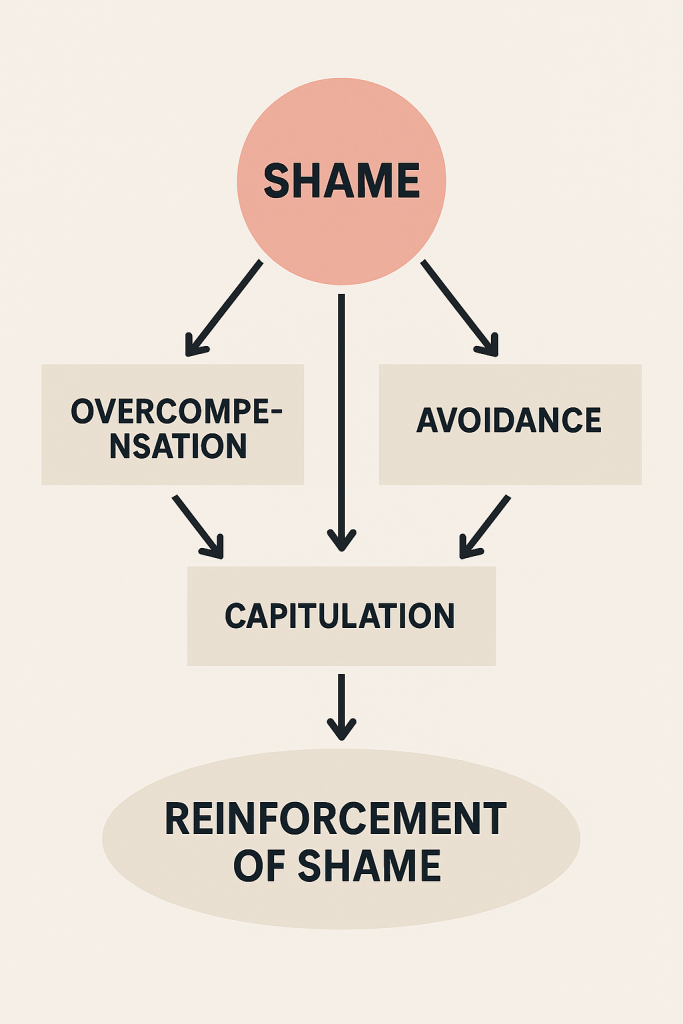
NA-CBTยฎ uses the Pendulum-Effect formulation to map how clients attempt to manage shame. Three poles typically emerge:

  • Overcompensation:
    Perfectionism, overworking, people-pleasing, hyper-preparation, harsh self-criticism as โ€œmotivationโ€.
  • Capitulation:
    Low mood, hopelessness, self-loathing, โ€œWhatโ€™s the point?โ€, giving up.
  • Avoidance:
    Social or professional withdrawal, procrastination, numbing behaviours, reassurance-seeking, distraction, emotional withdrawal.

Although these strategies look different, they share the same function: protecting against the felt experience of shame. Over time, however, they reinforce it.

Physiological vulnerabilitiesโ€”poor sleep, low movement, metabolic instabilityโ€”often increase the amplitude of the pendulum, making swings more intense and harder to interrupt. This is where TED becomes clinically central.


The TED Self-Check

A 30-second reset you can use anytime emotions start to spike

When you feel anxious, irritable, flat, overwhelmed, or stuck in self-criticism, pause. Before analysing yourself or the situation, gently run through these stepsโ€”without judgement.

1. What hurts right now โ€” and where?

What is the actual pain signal in this moment?

Name the felt experience, not the story:

  • tight chest
  • heat in the face
  • drop in the stomach
  • lump in the throat

This separates raw affect from interpretation.


2. Is this emotional reaction warranted, unwarranted, or warranted to a degree?

Given the situation, does this intensity fit the factsโ€”or is threat being amplified?

You are not asking โ€œIs this emotion bad?โ€
You are asking โ€œIs my nervous system accurately calibrated right now?โ€

Example:

  • Event: My boss says the presentation needs more work.
  • Interpretation: โ€œThis is terrible. I canโ€™t tolerate this. Iโ€™m being shamed.โ€
  • Affect: Sharp shame spike, threat response.
  • Warrant check:
    • Some discomfort is warranted (feedback can sting).
    • The intensity of shame is only partly warranted.
    • A shame underlayer is amplifying the reaction.

This step creates psychological space without invalidating emotion.


3. TED check: what might be fuelling the spike?

T โ€” Tiredness
How rested am I right now?

E โ€” Exercise
How much have I moved today?

D โ€” Diet
How steady is my energy and nourishment?

When the body is steadier, emotional calibration improves, and meaning-making becomes fairer!


Behavioural experiments and exposure work (with physiological support)

In NA-CBTยฎ, exposure is framed as updating predictions, not forcing fear away.

For shame-based threat systems, exposure often involves:

  • allowing imperfection,
  • tolerating feedback without immediate self-attack,
  • staying present while shame sensations rise and fall.

TED is crucial here. When physiology is unstable, exposure can feel overwhelming or retraumatising. When the system is steadier through regular exercise, improved diet and sleep, clients can remain succesfully within the window of tolerance, allowing corrective learning to occur.

Behavioural experiments might include:

  • submitting work that is โ€œgood enough,โ€
  • asking a question without over-preparing,
  • delaying reassurance-seeking,
  • allowing small mistakes without immediate repair.

Each experiment tests the old prediction: โ€œIf Iโ€™m not perfect, Iโ€™ll be shamed or rejected.โ€


Shame and self-loathing repair

Because shame is the core affect, NA-CBTยฎ does not rely on cognitive restructuring alone. Repair occurs across multiple levels:

  • Affective: staying with bodily shame sensations without collapse or attack
  • Narrative: identifying internalised parental voices and shame-based meanings
  • Relational: experiencing being seen without humiliation
  • Physiological: reducing baseline threat sensitivity through TED

Over time, clients develop a non-shaming internal regulatorโ€”an Integrated Self capable of noticing shame without obeying it.


Relapse prevention and self-regulation planning

Relapse prevention in NA-CBTยฎ focuses on recognising early signs of pendulum acceleration, not eliminating emotion.

Clients learn to notice:

  • rising perfectionism or avoidance,
  • faster shame activation,
  • disrupted sleep, reduced movement, irregular eating.

Here, the TED self-check becomes a long-term inner compass. Returning to TED (i.e., the fundamentals – better sleep, exercise, better diet) during periods of stress often prevents full relapse by stabilising physiology before old affective loops take over.

Setbacks are reframed as signals, not failures: โ€œMy nervous system is under strain; what support does it need right now?โ€


Conclusion

Within NeuroAffective-CBTยฎ, lifestyle regulation, affective formulation, exposure, and identity repair are not separate tracks. They are interlocking components of a single system aimed at recalibrating threat, softening shame dominance, and restoring psychological flexibility. TED does not replace depth work, in fact it makes deeper work possible. As such, the TED and Pendulum-Effect formulation modules in particular, can be used in conjunction with any school of psychotherapy, as illustrated in the case examples above. They offer a transdiagnostic framework for understanding how physiology, affect, and behaviour interact to maintain or reduce psychological distress.

NA-CBTยฎ, is not necessarily a short-term protocol but a lifelong self-regulation compass. When emotions surge, clients are encouraged to return to three simple questions:

  • How tired am I?
  • How much have I moved?
  • How steady is my nourishment?

By repeatedly stabilising physiology first, clients gain greater freedom in how they think, feel, and actโ€”supporting deeper emotional regulation, reduced shame, and more integrated identity over time.

Medical and Nutritional Disclaimer

The information on this page is provided for educational and therapeutic context only and is not intended as medical, nutritional, or prescribing advice. NeuroAffective-CBTยฎ practitioners do not diagnose medical conditions or prescribe supplements outside of a comprehensive assessment and only if individual core profession allows it. As such, any discussion of nutrition, micronutrients, or lifestyle factors is offered as part of a psychological assessmnet formulation and should not replace consultation with a qualified medical professional. Clients are encouraged to discuss supplements, medications, and health concerns with their GP or relevant healthcare provider.

TED Series, Part VI: Sleep and Mental Health – The Neuroscience of Restoration and Affective Regulation

Daniel Mirea (October 2025)
NeuroAffective-CBTยฎ | https://neuroaffectivecbt.com

Abstract

In this sixth instalment of the TED (Tiredโ€“Exerciseโ€“Diet) Series, we explore the neuroscience of sleep and its central role in emotional regulation, cognitive function, and mental health. Sleep is not a passive state but a dynamic neurobiological process that restores metabolic balance, consolidates memory, and recalibrates affective and cognitive circuitry. Drawing on advances in neuroscience, psychoneuroendocrinology, and affective regulation, this article outlines how sleep deprivation disrupts the amygdalaโ€“prefrontal network, alters neurotransmitter systems, and amplifies emotional reactivity.

Within the NeuroAffective-CBTยฎ (NA-CBT) framework, sleep represents the โ€œTโ€ in TED, the first pillar of biological stability upon which self-regulation and psychological flexibility depend. Practical guidance for integrating sleep education, circadian rhythm alignment, and behavioural sleep interventions into therapy is provided.


Introducing TED within the NA-CBT Framework

The TED model (Tiredโ€“Exerciseโ€“Diet) integrates neuroscience, psychophysiology, and behavioural science into a cohesive structure for promoting emotional regulation and biological stability. Within NeuroAffective-CBTยฎ, TED forms the foundation of the Bodyโ€“Brainโ€“Affect triangle, a conceptual map linking physiology, cognition, and emotion (Mirea, 2023; Mirea, 2025).

Earlier instalments explored five key nutritional and metabolic regulators of mood and cognition: Creatine (Part I), Insulin Resistance (Part II), Omega-3 Fatty Acids (Part III), Magnesium (Part IV), and Vitamin C (Part V). This chapter returns to the first pillar, Tired, through the lens of sleep neuroscience, affect regulation, and therapeutic practice.


The Science of Sleep and Emotion

Sleep is a biological necessity, not a luxury. Across more than three decades of research, no psychiatric disorder has been identified in which sleep patterns remain normal (Walker, 2017). Disturbed sleep is both a symptom and a cause of emotional dysregulation, stress vulnerability, and cognitive decline.

A landmark neuroimaging study at the University of California, Berkeley, demonstrated that a single night of sleep deprivation increased amygdala reactivity to negative stimuli by 60% (Yoo et al., 2007). Functional connectivity between the amygdala and the medial prefrontal cortex, the brainโ€™s emotional โ€œbrake systemโ€, was significantly weakened. Without restorative sleep, emotional responses become amplified and poorly regulated.

Figure 1. The Emotional Brake System
Healthy sleep strengthens communication between the prefrontal cortex (rational control) and the amygdala (emotional response hub). When sleep is lost, this link weakens, leading to impulsivity and emotional hypersensitivity.

The TED Connection

  • T โ€“ Tired: Adequate sleep keeps the emotional โ€œbrake systemโ€ intact, balancing reactivity with control.
  • E โ€“ Exercise: Physical activity enhances sleep quality and increases prefrontal resilience, improving mood regulation.
  • D โ€“ Diet: Nutrients like magnesium, omega-3s, and vitamin C support neurotransmission and reduce the stress load on emotional circuits.

Together, sleep, movement, and nourishment maintain the brainโ€™s emotional thermostat, preventing small frustrations from turning into major stress responses.


๐Ÿ’กTED Translation: Sleep loss disconnects the brainโ€™s emotional accelerator (the amygdala) from its brakes (the prefrontal cortex). When youโ€™re tired, everyday irritations feel bigger and harder to control. Rest, movement, and balanced nutrition keep your emotional โ€œengineโ€ cool and responsive instead of overheated.


The Circadian Code and Homeostasis

Sleep is governed by two intertwined biological systems that keep the brain and body in rhythmic balance:

  1. The homeostatic drive โ€“ the longer you stay awake, the greater the pressure to sleep.
  2. The circadian rhythm โ€“ a 24-hour internal clock, regulated by the suprachiasmatic nucleus (SCN), which aligns your sleepโ€“wake cycles with light and darkness.

When these systems are in sync, the brain functions like a finely tuned orchestra, hormones, temperature, energy, and mood all moving in harmony.
But when artificial light, screens, caffeine, or late-night work override these signals, the rhythm becomes distorted. This mismatch between the bodyโ€™s internal clock and external demands, known as social jet lag, contributes to fatigue, mood disorders, metabolic changes, and stress dysregulation (Wittmann et al., 2006).


The TED Connection

  • T โ€“ Tired: Regular sleep and wake times reinforce circadian rhythm and stabilise mood.
  • E โ€“ Exercise: Morning or daytime movement strengthens the bodyโ€™s clock by synchronising temperature, cortisol, and energy cycles.
  • D โ€“ Diet: Eating at consistent times and reducing caffeine or heavy meals in the evening helps align metabolic rhythms with the sleepโ€“wake cycle.

When the TED systems are synchronised, the brain maintains homeostasis, a steady state where energy, hormones, and emotions work together in balance.


๐Ÿ’กTED Translation: Your sleepโ€“wake system is like a perfectly timed orchestra. Late nights, bright lights, and random meal times throw the conductor off beat, leading to brain fog, irritability, and poor mood regulation. Keep your rhythm steady with consistent sleep, movement, and mealtimes, and your body will play in tune again.


Sleep and Neurotransmitters

Sleep is among the bodyโ€™s most powerful regulators of neurochemistry. When we lose sleep, the delicate balance of neurotransmitters that govern mood, motivation, and stress becomes disrupted.

  • Serotonin synthesis declines, reducing mood stability and impulse control.
  • Dopamine signalling becomes erratic, impairing motivation, pleasure, and focus.
  • Cortisol levels rise, keeping the body in a state of chronic alertness.
  • GABAergic tone drops, making it harder to relax and fall asleep.

Over time, this imbalance erodes emotional resilience and cognitive clarity. By contrast, adequate and regular sleep restores monoaminergic balance, recalibrates stress hormones, and strengthens the brainโ€™s emotional regulation systems (Goldstein & Walker, 2014).


The TED Connection

  • T โ€“ Tired: Consistent, restorative sleep keeps neurotransmitters like serotonin, dopamine, and GABA in harmony โ€” your brainโ€™s emotional โ€œchemistry set.โ€
  • E โ€“ Exercise: Regular movement boosts dopamine and endorphins, reinforcing motivation and supporting healthy sleepโ€“wake cycles.
  • D โ€“ Diet: Nutrient-rich foods (omega-3s, magnesium, tryptophan, and B-vitamins) provide the raw materials for neurotransmitter production and recovery.

Together, sleep, movement, and nutrition maintain the neurochemical rhythm that underlies focus, motivation, and mood stability.


๐Ÿ’ก TED Translation: When you skip sleep, your brainโ€™s chemistry falls out of tune, more stress, less calm, less focus. Rest, movement, and nourishment reset the brainโ€™s chemical harmony, helping you feel balanced, motivated, and emotionally steady again.


The Immuneโ€“Inflammatory Connection

Even partial sleep loss triggers the bodyโ€™s immune defences as if it were responding to infection. Levels of inflammatory molecules such as interleukin-6 (IL-6) and tumour necrosis factor-alpha (TNF-ฮฑ) rise, disrupting normal immune balance and leaving the system in a state of chronic, low-grade activation (Irwin & Opp, 2017).

This silent inflammation interferes with neurotransmitters like serotonin and dopamine, fuelling fatigue, irritability, anxiety, and low mood. Over time, a vicious cycle develops: poor sleep increases inflammation, and inflammation in turn further disrupts sleep and emotional regulation.

The TED Connection

  • T โ€“ Tired: Adequate sleep lowers inflammatory markers, restoring immune and emotional balance.
  • E โ€“ Exercise: Moderate physical activity reduces systemic inflammation and improves immune resilience.
  • D โ€“ Diet: Anti-inflammatory foods (omega-3s, magnesium, vitamin C) help counter the stress effects of sleep loss. Alcohol is a highly addictive sedative and a psychological trap, as it convincingly mimics a relaxed state while actually disrupting natural sleep cycles. In contrast, many carbonated (fizzy) drinks act as stimulants, high in glucose and caffeine, which inevitably interfere with restorative sleep.

Together, the TED trio regulates the immuneโ€“inflammatory loop, protecting the brain and body from the emotional โ€œwear and tearโ€ of chronic stress and exhaustion.

๐Ÿ’กTED Translation: When you donโ€™t sleep enough, your body behaves like itโ€™s under attack. This ongoing silent inflammation drains energy, darkens mood, and keeps your stress system switched on. Rest, movement, and nourishment are your bodyโ€™s built-in anti-inflammatory medicine.


Sleep, Memory, and Emotional Learning

During REM sleep (Rapid Eye Movement sleep), the brain processes emotional experiences and consolidates learning without reigniting stress responses (van der Helm et al., 2011). This stage of sleep acts as an internal form of overnight therapy, allowing emotional memories to be reactivated, reorganised, and integrated in a calmer physiological state.

Within NeuroAffective-CBTยฎ, this process is vital: therapeutic insights require offline consolidation to transform intellectual understanding into embodied, automatic regulation. In essence, sleep literally โ€œfiles awayโ€ the dayโ€™s therapy work, embedding emotional learning into long-term stability.

๐Ÿ’กTED Translation: Sleep is therapyโ€™s silent partner. It helps your brain store emotional lessons without reawakening the stress attached to them.
REM sleep is your brainโ€™s emotional reset stage, dream time when the mind replays feelings with the stress dialled down. Think of it as your overnight therapist, quietly helping you process the day, keep the wisdom, and release the worry so you wake up clearer and lighter.

Clinical and TED Practical Guidance

Improving sleep quality is less about effort and more about rhythm, aligning body, brain, and behaviour with the natural cycles that promote restoration. Within the TED framework, each pillar contributes to emotional stability and cognitive resilience through sleep regulation.

T โ€“ Tired: Sleep Hygiene and Restorative Rhythm

  • Aim for 7โ€“9 hours of sleep each night, ideally aligned with natural darkness (around 10 p.m.โ€“6 a.m.).
  • Keep a consistent sleepโ€“wake schedule, even on weekends, to stabilise your internal clock.
  • Create a sleep-supportive environment: cool, dark, and quiet spaces enhance deep sleep quality.
  • Practice digital hygiene: avoid screens, bright light, and stimulating activities 60โ€“90 minutes before bed to allow melatonin release.

E โ€“ Exercise: Movement as a Sleep Stabiliser

  • Engage in regular physical activity, ideally during daylight hours, to promote circadian alignment.
  • Gentle evening movement such as stretching, yoga or progressive muscle relaxation, can calm the nervous system.
  • Avoid vigorous exercise within two hours of bedtime, as it may elevate arousal and delay sleep onset.
  • Movement also improves slow-wave sleep, supporting memory consolidation and emotional regulation.

D โ€“ Diet: Nutritional Support for Rest and Recovery

  • Avoid heavy meals, caffeine, or alcohol within three to four hours of bedtime.
  • Prioritise nutrient-rich foods that support neurotransmitter balance: magnesium, tryptophan, omega-3 fatty acids, and vitamin C.
  • Maintain consistent meal timing, as irregular eating can disturb circadian rhythm and sleep quality.
  • Hydrate well during the day, but reduce fluid intake in the evening to prevent sleep disruption.

Therapeutic Integration

In clinical practice, these habits can be reinforced through cognitive and behavioural interventions for insomnia; techniques such as stimulus control, sleep scheduling, and relaxation training. Within NA-CBT, these methods are integrated with affect regulation, somatic grounding, psychoeducation, and personalised lifestyle adjustments that help clients synchronise biological and emotional rhythms.


๐Ÿ’กTED Translation: Good sleep isnโ€™t about trying harder, itโ€™s about working with your bodyโ€™s natural rhythm. Keep nights dark, meals early, and habits steady. Move during the day, rest at night, and eat in rhythm and your emotional brain will do the rest.


Summary and Outlook

Sleep represents the biological foundation of the TED model; the โ€œTโ€ in Tired, Exercise, Diet. It is the first and most essential pillar supporting affect regulation, learning, and resilience. Within NA-CBT, sleep is viewed as a biopsychological regulator shaping the efficiency of all subsequent therapeutic and behavioural change.

Future TED work should examine how sleep interacts with diet (glycaemic balance, magnesium, vitamin C) and exercise (circadian entrainment, fatigue management), integrating these findings into structured protocols for mood and stress disorders.


Glossary

Amygdalaโ€“Prefrontal Network
A key emotional regulation circuit linking the amygdala (the brainโ€™s emotional response centre) and the prefrontal cortex (responsible for rational control and decision-making). Healthy sleep strengthens communication within this network, promoting balanced emotional responses.

Circadian Rhythm
The bodyโ€™s internal 24-hour biological clock that regulates sleepโ€“wake cycles, hormone release, temperature, and energy levels. It is governed by the suprachiasmatic nucleus (SCN) and synchronised by environmental cues such as light, activity, and mealtimes.

Homeostatic Sleep Drive
The internal biological pressure to sleep that increases the longer one stays awake. Sleep dissipates this pressure, maintaining equilibrium between rest and wakefulness.

NeuroAffective-CBTยฎ (NA-CBT)
A therapeutic framework developed by Daniel Mirea that integrates neuroscience, affect regulation, and cognitiveโ€“behavioural methods. It emphasises aligning biological, cognitive, and emotional systems to enhance self-regulation and psychological flexibility.

Progressive Muscle Relaxation (PMR)
A structured relaxation technique that involves tensing and releasing muscle groups throughout the body to reduce physical tension and activate the parasympathetic nervous system. PMR is commonly used to ease anxiety and prepare the body for sleep.

Rapid Eye Movement (REM) Sleep
A distinct phase of the sleep cycle marked by vivid dreaming, rapid eye movements, and heightened brain activity. REM sleep supports emotional processing, memory consolidation, and the integration of affective experiences.

Relaxation Training
A collection of techniques such as, slow breathing, mindfulness, guided imagery, and PMR, designed to reduce physiological arousal and promote calm. Relaxation training activates the bodyโ€™s โ€œrest-and-digestโ€ system, improving stress recovery and sleep quality.

Sleep Hygiene
A set of behavioural and environmental practices that promote healthy sleep. Core principles include maintaining a consistent sleepโ€“wake schedule, creating a dark and quiet sleep environment, avoiding stimulants before bedtime, and limiting screen exposure in the evening.

Sleep Scheduling
A behavioural intervention for regulating circadian rhythm and improving sleep efficiency. It involves setting fixed bedtimes and wake times, aligning sleep duration with actual sleep need, and gradually adjusting these times to consolidate sleep.

Social Jet Lag
The misalignment between the bodyโ€™s internal clock and social or work schedules. It commonly arises from late nights, weekend sleep shifts, or irregular meal and activity times, leading to fatigue, mood changes, and metabolic disruption.

Stimulus Control
A behavioural therapy principle aimed at strengthening the association between bed and sleep. It includes going to bed only when sleepy, using the bed solely for sleep and intimacy, rising at the same time daily, and avoiding wakeful activities in bed.

T E D Model (Tiredโ€“Exerciseโ€“Diet)
An integrative framework within NeuroAffective-CBTยฎ (the third module out of six) linking biological stability with emotional regulation. The model emphasises three foundational pillars, sleep (Tired), movement (Exercise), and nutrition (Diet), as interdependent systems supporting mental health and resilience.

References

Baglioni C et al., 2011. Insomnia as a predictor of depression: A meta-analytic evaluation of longitudinal studies. Journal of Affective Disorders, 135(1โ€“3), pp.10โ€“19.

Goldstein A.N. & Walker M.P., 2014. The role of sleep in emotional brain function. Annual Review of Clinical Psychology, 10, pp.679โ€“708.

Ingram R.E. & Siegle G.J., 2009. Contemporary Issues in Cognitive Therapy. New York: Springer.

Irwin M.R. & Opp M.R., 2017. Sleep health: Reciprocal regulation of sleep and innate immunity. Neuropsychopharmacology, 42(1), pp.129โ€“155.

Mirea D., 2023. Tired, Exercise and Diet Your Way Out of Trouble (TED Model). NeuroAffective-CBTยฎ. Available at: https://neuroaffectivecbt.com [Accessed 27 October 2025].

Mirea D., 2025. TED Series, Part VI: Sleep and Mental Health โ€“ The Neuroscience of Restoration and Emotional Regulation. NeuroAffective-CBTยฎ. Available at: https://neuroaffectivecbt.com [Accessed 27 October 2025].

Segal Z.V., Teasdale J.D. & Williams J.M.G., 2018. Mindfulness-Based Cognitive Therapy for Depression. 2nd ed. New York: Guilford Press.

van der Helm E et al., 2011. REM sleep depotentiates amygdala activity to previous emotional experiences. Current Biology, 21(23), pp.2029โ€“2032.

Thayer, J.F. and Lane, R.D., 2000. A model of neurovisceral integration in emotion regulation and dysregulation. Journal of Affective Disorders, 61(3), pp.201โ€“216.

Walker M.P., 2017. Why We Sleep: Unlocking the Power of Sleep and Dreams. London: Penguin Press.

Wells A., 2009. Metacognitive Therapy for Anxiety and Depression. New York: Guilford Press.

Wittmann M et al., 2006. Social jetlag: Misalignment of biological and social time. Chronobiology International, 23(1โ€“2), pp.497โ€“509.

Yoo S.S. et al., 2007. The human emotional brain without sleep โ€“ a prefrontal amygdala disconnect. Current Biology, 17(20), pp.R877โ€“R878.


Disclaimer

This article is for educational purposes only and is not a substitute for medical or psychological assessment. Individuals experiencing chronic insomnia or mood disturbances should consult a GP, sleep specialist, or licensed psychotherapist before implementing new interventions.

Shame: The Central Mechanism in Chronic Low Self-Esteem, a NeuroAffective-CBTยฎ perspective

How Early Life Experiences Shape Our Sense of Self

From the moment we are born, our earliest interactions with caregivers begin shaping the lens through which we view ourselves and the world. While overt mistreatment, such as physical punishment, neglect, or abuse, is widely recognised, subtler forms of emotional harm can leave equally lasting psychological imprints. Persistent criticism, emotional invalidation, or unspoken parental expectations may quietly distort a childโ€™s emerging sense of self.

Donald Meichenbaumโ€™s early work on narrative-constructivism (Meichenbaum Free Publications, 2024) offers a powerful framework for understanding how early experiences form the foundation of identity. According to his model, children unconsciously develop internal narratives, or life scripts, based on the emotional messages they receive from caregivers. Behaviourist Daniel Mirea (2018) refers to these internalisations as โ€œnarrow lensesโ€ through which we learn to interpret ourselves and our world. These scripts often hinge on perceived conditions for acceptance: โ€œBe perfect,โ€ โ€œDonโ€™t disappoint,โ€ or โ€œAlways succeedโ€. They become internal blueprints for behaviour and identity.

When individuals deviate from these internalised rules, whether intentionally or not, it can evoke intense psychological distress. For instance, someone who grew up believing they must always please others may feel overwhelming shame and guilt when attempting to assert a boundary. Others might experience anxiety or self-sabotage when success feels incompatible with early messages that achievement would lead to rejection or disapproval. In these moments, the distress often doesnโ€™t arise from the external situation itself, but from the unconscious violation of internal survival strategies. Breaking the script can feel like a betrayal of self, evoking shame, guilt, confusion, or resurfaced emotional pain. Therapeutic work that brings these early narratives to light, and helps individuals examine and reframe them, is often essential for healing and for the development of a more authentic, self-compassionate identity.

Just as overt mistreatment leaves scars, subtle emotional neglect and persistent invalidation can be just as damaging. Environments that emphasise a childโ€™s flaws while ignoring their strengths, repeating phrases like โ€œYou couldโ€™ve done betterโ€, or comparing them to siblings or peers, can lead to internalised shame. Over time, such experiences may cultivate what is often referred to as core shame: a deep, embodied sense of being defective, unworthy, or inherently unacceptable (Mirea, 2018). This shame can become embedded within the self-concept, reinforced by experiences of ridicule, teasing, or belittlement.

As children grow, the role of peer relationships becomes increasingly central to their self-esteem. During late childhood and adolescence, physical appearance, popularity, and social belonging rise in importance. Children who feel different, due to body image, skin conditions, or social exclusion, are especially vulnerable to shame-based beliefs such as โ€œIโ€™m uglyโ€, โ€œIโ€™m weirdโ€ or โ€œNo one likes meโ€. These beliefs are often intensified by social media, which promotes narrow, unrealistic standards of attractiveness and worth.

Social identity also plays a critical role. How society views and treats the communities we belong to, our culture, class, or ethnicity, shapes how we come to view ourselves. If oneโ€™s cultural group is marginalised or discriminated against, societal messages of inferiority or invisibility can deeply seep into the personal identity, compounding feelings of shame or self-doubt.

Importantly, not all harm stems from overt abuse or criticism. Sometimes itโ€™s the absence of nurturing experiences, affection, praise, encouragement, or emotional presence that causes the most damage. Children with caregivers who are physically present but emotionally disengaged may grow up feeling unloved or unseen. Even when their material needs are met, the emotional void can lead to a persistent sense of being fundamentally flawed. Later in life, comparisons with peers who received emotional warmth can deepen this sense of inadequacy.

Such was the case with James. Throughout his childhood, he endured chronic emotional abuse, marked by relentless criticism, verbal attacks, and public humiliation, most often at the hands of his father during family gatherings or in front of peers. Over time, James internalised the belief that he could never measure up, that he would always fall short of his fatherโ€™s expectations. To cope, he began to rely heavily on external validation and constant reassurance, grasping for fleeting moments of feeling โ€œgood enoughโ€.

This emotional backdrop seeded a chronic sense of internalised shame, a deep โ€œfelt-senseโ€ that he was fundamentally flawed. To emotionally survive this environment, James developed a set of coping strategies, what we might call life strategies, to navigate social situations and relationships where he felt undeserving or defective. These strategies helped him appear functional and even successful on the outside, but internally, they were rooted in fear, shame, and emotional self-protection.

Even minor interpersonal situations could trigger his shame. For example, if a university acquaintance asked him for a loan, even someone he barely knew or trusted, James felt unable to say “no,” even when his financial situation was precarious. Embarrassed and afraid of being disliked, he would give away money he couldnโ€™t afford to lose. Despite sensing the relationship was one-sided or exploitative, he was unable to assert his needs.

After such encounters, James would spiral into self-criticism. He would replay the event, berating himself for not setting a boundary. In the days that followed, he felt guilt, sadness, and depression, compounded by the recognition that the money would likely never be returned. These episodes only reinforced his internal narrative of unworthiness and deepened his shame.

Jamesโ€™s patterns of behaviour reflected three common shame-based coping strategies: overcompensation, avoidance, and capitulation. He would overcompensate by being excessively generous and accommodating, often at the expense of his own wellbeing. He avoided assertiveness and confrontation, fearing rejection. And ultimately, he capitulated, silently accepting that betrayal of his own needs was the price of being liked. โ€œIf even my own father didnโ€™t accept meโ€, he often thought, โ€œwhy would anyone else?โ€

Over time, these strategies would become automatic, like an emotional autopilot. Through repeated use, they formed an internalised maintenance program, a hidden operating system, that reinforced his shame and shaped his sense of self across time. What began as a useful defence – a way to survive childhood, ended up as the foundation for chronic low self-esteem and shame, manifesting in symptoms that spanned both anxiety and depression.

Shame as a Core Mechanism

Shame often lies beneath overt symptoms of emotional distress. While clients frequently seek help for anxiety or depression, it is often shame that quietly drives much of their inner turmoil. In this light, chronic low self-esteem may be best understood as a shame-based condition.

Despite its central role, shame is often overlooked in psychotherapy, not out of neglect, but because it tends to remain hidden beneath more visible symptoms that feel immediate to the client. Clients typically tend to present symptoms of anxiety and depression, while the deeper, silent driver, shame, goes unaddressed. Yet neuroaffective research identifies shame as a core emotion, evolutionarily essential for social survival. Without the capacity for shame, early humans would have struggled to understand social hierarchies, maintain group cohesion, or follow communal norms. In this sense, shame originally served an adaptive purpose: to guide behaviour in socially acceptable ways (Matos, Pinto-Gouveia & Duarte, 2013).

Like all other core emotions, shame functions as a sudden “call to action“. It generates immediate internal distress, a state of hyper or hypo-arousal, which demands urgent behavioural regulation. People may respond with submission, withdrawal, compliance, or people-pleasing. These reactions serve as social survival mechanisms, especially for those raised in emotionally unsafe environments.

It is only natural that, when adaptive regulation is lacking, individuals revert to maladaptive strategies like lying, substance use, excessive niceness, or self-betrayal, often learned in childhood through repeated exposure to shame and invalidation.

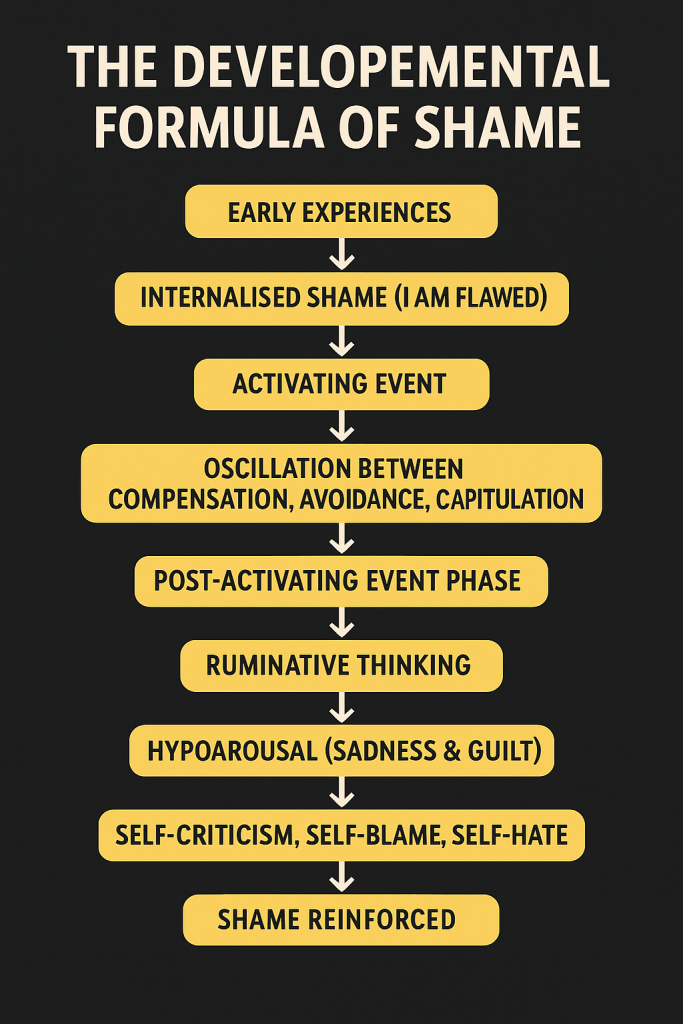
And so, in a perceived social crisis when emotionally overwhelmed (i.e., activating event), individuals often unconsciously revert to coping mechanisms such as overcompensation, avoidance, or capitulation (i.e., surrendering to shame). These strategies may feel protective in the moment, offering a temporary sense of control or relief. However, they are often subtle forms of self-sabotage and ironically, they end up reinforcing the very shame they were unconsciously trying to manage or escape.

For instance, overcompensation may manifest as clinging to abusive relationships, giving away money one cannot afford to lose, pretending to like people one inwardly distrusts, or engaging in overly self-sacrificing behaviour, all in a desperate effort to gain acceptance or avoid perceived rejection. These actions may appear altruistic or generous on the surface but are often driven by deep fears of abandonment or worthlessness.

Capitulation occurs when a person begins to behave in ways that conflict with their true self, often to fit in or fulfil internalised narratives of inadequacy. In some cases, this leads to acting out beliefs like: โ€œSince Iโ€™m already bad, I might as well be bad and show everyone just how bad I really amโ€. This distorted logic can result in self-destructive behaviours like compulsive gambling, excessive drinking, drug use, not necessarily driven by desire, but by hopelessness, self-punishment, or a deep yearning to belong. These behaviours serve as powerful, if maladaptive, emotional regulation tools. They may temporarily ease anxiety or internal chaos, but in the long term, they reinforce the painful identity narrative the person is trying to escape: the belief that they are defective, unworthy, or beyond help.

Avoidance strategies may involve a chronic inability to say “no”, withdrawing from social settings, procrastinating, or avoiding interactions that risk judgment or criticism. These behaviours offer immediate emotional relief but are rarely sustainable. Over time, their short-term success becomes neurologically reinforced, because they โ€œworkedโ€ once, the brain learns to default to them automatically, even when they are no longer adaptive or helpful.

After the triggering event passes and the individual is left alone and reflective, a second emotional wave often emerges. Long episodes of rumination characterised by intrusive thoughts such as โ€œWhy am I like this?โ€, โ€œIโ€™m useless,โ€, โ€œI always give money I donโ€™t have,โ€ or โ€œNo one ever helps me in returnโ€ begin to surface. This cascade of self-criticism and self-blame induces a temporary hypo-aroused state of guilt, thus reinforcing the shame cycle.

In this way, individuals can become trapped in recurring emotional loops, cycles of shame, anxiety, guilt, and depression, that are externally triggered, internally reinforced, and sustained by long-standing behavioural and neurobiological patterns. Over time, these behaviours cease to be mere reactions to isolated stressors; they evolve into a default operating system through which the individual interprets and navigates daily life. The underlying core shame remains unexamined, silently shaping emotional responses, relationship dynamics, and everyday decision-making.

Conclusion

Chronic low self-esteem is not merely a collection of negative thoughts or surface-level insecurities, it may be the visible tip of a deeper, shame-based emotional system. Often hidden beneath symptoms of anxiety or depression, shame fuels emotional dysregulation, self-sabotaging behaviours, and entrenched beliefs of unworthiness. Left unexamined, it becomes a silent architect of identity, shaping how one sees themselves, relates to others, and makes daily decisions.

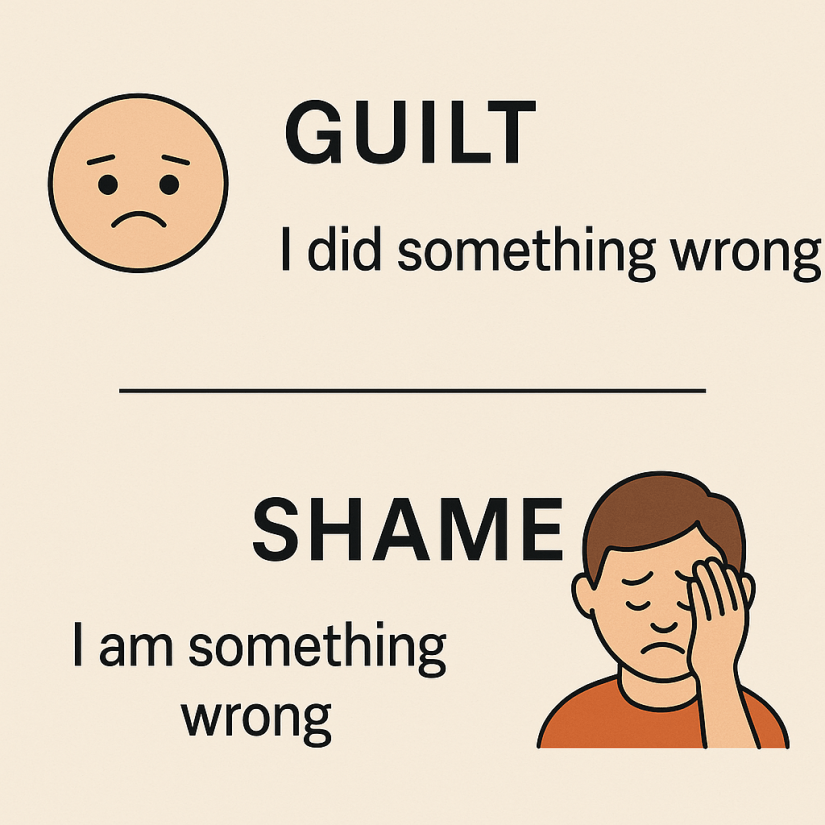
Bringing shame into therapeutic awareness is rarely straightforward, yet it is essential. One of the challenges lies in the confusion that surrounds this complex and often misunderstood emotion. Shame is frequently mistaken for guilt, though the two serve distinct psychological functions. Guilt is behaviour-focused, โ€œI did something wrongโ€, whereas shame is identity-based, โ€œI am something wrong.โ€ According to the NeuroAffective-CBT developmental model, guilt tends to emerge later in development, while shame takes root earlier, forming a foundational layer of the emotional system.


To loosen shameโ€™s grip, it must be called out and named, explored, and brought into conscious awareness. Only then can individuals begin to interrupt its influence and develop more compassionate, flexible ways of relating to themselves and others.

Crucially, shame should not be demonised. It is part of an adaptive emotional system that evolved over thousands of years, to promote social cohesion and survival. The problem arises when shame becomes chronic and dominant, distorting self-perception, shaping behaviour, and stalling emotional growth. Shame is only painful when it governs the internal world unchecked. The goal in therapy is not to eliminate shame, but to understand its origins, normalise its presence, and dismantle the reinforcing patterns that keep it active.

In doing so, individuals begin to reclaim agency, authenticity, and emotional resilience. Despite its power, shame is not immutable. Through compassionate therapeutic inquiry and reflective self-awareness, people can challenge the narratives that shaped their inner world. By uncovering the roots of shame and gradually rewriting these internal scripts, individuals like James can move from survival toward authenticity, from emotional self-protection to genuine self-acceptance.

Glossary:

Adaptive vs. Maladaptive Behaviours
Adaptive behaviours are healthy coping mechanisms that support resilience, the ability to adapt constructively to difficult or stressful situations. They promote long-term emotional growth and psychological flexibility. In contrast, maladaptive coping mechanisms may offer short-term relief but ultimately reinforce avoidance, overcompensation, or capitulation. These strategies are unproductive and often harmful, preventing individuals from developing more adaptive ways of relating to themselves and others.

Core Emotions
In this article, core emotions (or core affects) are defined as primary emotional systems essential to survival, shared by most mammals. According to neuroaffective research and the work of neuroscientist Jaak Panksepp (2012), these include SEEKING (expectancy/curiosity), FEAR (anxiety), RAGE (anger), LUST (sexual excitement), CARE (nurturance), PANIC/GRIEF (sadness/loss), and PLAY (social joy). Clinical theorist Mirea proposes that SHAME, while derivative of FEAR, also functions as a core affect in humans, distinct yet equally vital for social survival. For example, the behaviour of a shamed or embarrassed dog illustrates how shame functions as a primitive, embodied emotional state.

Deeply-Rooted Beliefs (DRBs)
DRBs first mentioned by Mirea (2018) when describing the fundamentals of NeuroAffective-CBT, refer to early internalised felt-senses accompanied by corresponding beliefs and affective responses. These experiences are typically nonverbal and rooted in emotionally charged moments, often occurring before the individual has the language to articulate them. Originating in childhood, DRBs shape a rigid sense of identity and self-perception. As language develops, these implicit emotional experiences may later be verbalised, often for the first time in adulthood, particularly within a therapeutic setting. DRBs are resistant to change without external support, as individuals frequently dismiss conflicting evidence through cognitive distortions such as mental filtering, a mechanism explored in detail in Mirea’s approach NeuroAffective-CBT.

Felt-Sense / Gut-Sense / Gut-Feelings
These terms are used interchangeably throughout the paper to describe internal sensory experiences that arise in response to perceived threats or rewards. A felt-sense serves as an embodied memory of prior emotional events, functioning as an internal alarm system. It can manifest as a subtle tension, discomfort, or intuitive knowing, guiding decisions and emotional reactions even before conscious thought occurs.

References:

Panksepp, J. & Biven, L. (2012).โ€ฏThe Archaeology of Mind: Neuroevolutionary Origins of Human Emotion. W. W. Norton & Company.

Matos, M., Pinto-Gouveia, J. and Duarte, C., 2013. Shame as a functional and adaptive emotion: A biopsychosocial perspective. Journal for the Theory of Social Behaviour, 43(3), pp.358-379. https://doi.org/10.1111/jtsb.12016

Meichenbaum D (2024). Don Meichenbaum Publications. URL: https://www.donaldmeichenbaum.com/publications (accessed 26.06.2025)

Mirea D (2024). If my gut could talk to me, what would it say? URL: https://www.researchgate.net/publication/382218761_If_My_Gut_Could_Talk_To_Me_What_Would_It_Say (accessed 26.06.2025)

Mirea D (2018). The underlayers of NeuroAffective-CBT. URL: https://neuroaffectivecbt.com/2018/10/19/the-underlayers-of-neuroaffective-cbt/ (accessed 26.06.2025)

Edited and supported by:

Dr Mark Paget URL: https://www.drmarkpaget.com/

Rejection Dysphoria: When ‘Feeling Rejected’ is more than what it seems…

Are you predisposed to self-doubt, low self-esteem, even long episodes of negative self-talk following perceived judgement or criticism in an ordinary discussion with your partner or in any other social situation? Are you highly sensitive to your partner’s opinions about you, even if not always entirely negative…? Do you often experience an intense emotional reaction in response to perceived criticism or rejection? Do you tend to put a negative spin on all positive feedback received from your partner (i.e., “Yes… But..”). Do you ever experience overwhelming anxiety or fear in anticipation of situations where a judgment or evaluation might occur? Have you noticed that your emotional responses to rejection or criticism are disproportionate to most situations? And last but not least, have you also been diagnosed with ADHD? And if not, do you normally struggle with poor focus, poor concentration, impulsivity or attention deficit in general?

If the answer to the above questions is overwhelmingly Yes’, then it is important to first of all know, that you are far from being alone. It is crucial to recognise that feelings of rejection are universal and not something to be ashamed of; feeling rejected is a human experience that transcends age, gender, and background. And secondly, according to some of the relating research, you might indeed be struggling with a condition known as Rejection Sensitive Dysphoria (or RSD on short) which, experts like Dr William Dodson would suggest is part of the ADHD spectrum. According to the NHS, adults with ADHD (Attention-Deficit/Hyperactivity Disorder) may find they have problems with keeping things organised, time management, following instructions and focusing on completing tasks, coping with stress, feeling restless or impatient, impulsiveness and risk taking. Due to impulsivity, difficulty following through, and a tendency to become distracted, adults with ADHD may experience challenges in relationships. They might forget important events, struggle to listen attentively, or have difficulty managing emotions, all of which can strain connections with others. The emotional aspects of ADHD, such as heightened sensitivity to criticism or rejection, would also contribute to interpersonal issues. Individuals may react strongly to perceived rejection or disapproval, leading to emotional outbursts or withdrawal.

Diagnosing ADHD is not as straight forward as it seems, not in the current clinical environment where ADHD specialists are few and far between in the UK and an assessment takes a significantly longer time to investigate. ADHD symptoms tend to be noticed at an earlier stage in life and are usually first pointed out by teachers during primary or even secondary school years. Some of the fortunate cases are diagnosed when children are under 12 years old and therefore would receive tailored support (medication + CBT via NHS) but much too often, ADHD would be diagnosed later in life. The assessment process is longer than usual, and ideally ought to include parental bio-psycho-social data which is not always available.

The increasing digitalisation of young adolescents’ lives presents yet another significant challenge when diagnosing ADHD. The growing integration of digital devices, social media, and online platforms into daily routines can have several effects on a young person’s bio-psycho-social development, potentially complicating the diagnostic process. The shift towards technology isn’t limited to entertainment; it’s pervasive in educational platforms, daily tasks, fitness routines, shopping, and even health services. These digital engagements place an enormous strain on the brain, particularly in adolescents whose brains are still developing, a process that continues until around the age of 24. Given the brain’s plasticity at this stage, it’s crucial to consider the impact of screen addiction, as it may lead to behavioural patterns that clash with real-world social interactions and cognitive demands. One of the core issues is that digital platforms provide instantaneous gratification, whether through swiping, liking, or receiving immediate feedback. This creates a mismatch with real-life interactions, where responses aren’t immediate, and social cues and conversations require patience and focus. In face-to-face interactions, we can’t hit “pause” or “swipe left” when we lose interest.

Young ambitious adults proudly advertise on their LinkedIn profiles, โ€˜I am an excellent multi-tasker and a doerโ€™, without fully understanding the consequences. And of course, prospectives employers love it, thus rewarding it and reinforcing it even more. Nonetheless, research is pointing in a completely different direction. It is evident that hours of daily use, would lead to an increased reliance on screens to meet our basic needs and over years, this could lead to an attention deficit, lack of impulse control, poor attention-orientation or in other words, irritability, impatience, poor concentration and of course, lack of interpersonal skills. All these are symptoms replicated on the ADHD spectrum and by default Rejection Dysphoria.

The digital world offers a form of cognitive and behavioural convenience, where tasks are often broken into smaller, easily digestible chunks. However, this constant stimulation requires significant mental energy, leading to faster depletion of resources like glucose, which in itself supports the neurobiological addiction to technology. Over time, this may contribute to longer-term health issues such as pre-diabetes, a condition that has been increasingly observed in younger populations, especially those who rely heavily on digital devices (Mirea, 2024). Thus, it is essential to recognise how the digital world reshapes adolescents’ brains often with resulting emotions and behaviours reminding of an ADHD condition.

Whether the digitalisation of our lives is changing the human brain to the point that an ADHD personality will be the new norm, and the actual diagnosis will be dropped one day, remains speculative. For now, this suggestion should be viewed more like the domain of a conspiracy theory and as such, we must direct attention to the current empirical evidence and facts we know and understand. There is indeed a notable increase in the ADHD population with a prevalence of up to 5% among both the young and adult population. There is also a questionable trend among the secondary schoolsโ€™ population in the UK, to request an ADHD investigation. It is equally evident that individuals that struggle with ADHD symptoms have significant interpersonal problems1 and therefore would fit the criteria for Rejection Dysphoria.

Rejection dysphoria could be summarised as a condition characterised by extreme emotional pain or discomfort in response to perceived or actual rejection, criticism, or failure. It is commonly associated with ADHD, where individuals may experience heightened sensitivity to negative feedback. However, although the data is lacking at the moment and, clinical experience shows that RSD symptoms can be common outside of the ADHD spectrum as well. Rejection dysphoria can lead to intense feelings of inadequacy, anxiety, and low self-esteem, and may cause individuals to avoid situations where they fear rejection.

Effective NeuroAffective-CBT strategies for Rejection Dysphoria

 Psychoeducation

Understanding rejection dysphoria and its maintenance formula2 is an important first step. When we encounter rejection, our mind often produces a surge of unpleasant thoughts, reels and narratives that lead to intensive rumination3, self-criticism and self-blame. This creates significant psychological pain, sadness and fear. And in fact, these latter emotions are often the reason why clients come to therapy in the first place, so psychotherapists often investigate the emotional experience presented rather than the rejection dysphoria underlying it all.

The complex maintenance cycle for RSD can be explained via a relatively simple formula:

  • phase 1: Activating Situation
  • phase 2: I am not good enough/ Nobody wants Me
  • phase 3: Fear of Rejection
  • phase 4: Hyperarousal
  • phase 5: Avoidance
  • phase 6: Self-Criticism (resulting from avoidant behaviour)
  • phase 7: Sadness
  • phase 8: The maintenance cycle is closed off with an escalation of sadness, self-blame and self-criticism which confirms the original deeply-rooted6 belief (phase 2) and the dominant fear of rejection (phase 3). It is important to mention that the maintenance program is not always linear (or circular), and sometimes avoidant behaviour (phase 5), can instantly create a feedback loop by reinforcing the โ€˜Not Good Enough-Nobody Wants Meโ€™ deeply-rooted belief.

This formula can enable the individual to identify triggering situations that would easily activate this maintenance cycle. It facilitates a โ€˜pauseโ€™, taking a moment, to breathe and observe oneโ€™s thoughts and feelings from a safe distance, without judgment. This is a good opportunity to engage in a more realistic and compassionate Self-to-Self dialogue between the Wise Mind and the Anxious Mind for example, โ€˜โ€ฆhere we go againโ€ฆ here comes my rejection script into playโ€ฆโ€™. This is often an empowering process that helps individuals understand the difference between a construct of the mind and a narrative or a script created as a maintenance program that favours the rejection dysphoria, rather than the actual reality.

Writing therapy – Journaling

Thinking should not necessarily lead to believing and impulsive acting !

CBT provides a useful framework for understanding the relationship between (triggering) situations, thoughts, emotions, and behaviours. By engaging in journaling, individuals can break down their experiences and assess them more objectively, especially when faced with challenging emotions such as those triggered by fear of rejection. Here’s how the process could work, using the example of rejection:

  1. Triggering Situation: The first step is to identify and write down the situation that triggered the emotion. For example, “I was not invited to my friend’s gathering.
  2. Automatic Thoughts and Images: This involves noting down the initial thoughts and mental images that arise in response to the triggering event. For example, “I must have done something wrong,” or “They don’t care about me anymore.” These thoughts are often automatic and not necessarily grounded in fact.
  3. Emotions and Intensity: Next, it’s helpful to note the emotions experienced and their intensity. Using a scale from 0 to 100, one might rate how intensely they feel emotions like sadness, anger, or anxiety. For instance, “I feel 80% sad and 50% angry.
  4. Evidence for and Against the Thought: This is where CBT helps distinguish between thoughts and beliefs. By writing down evidence for and against the automatic thought (e.g., “I must have done something wrong“), a person can begin to evaluate whether the thought is realistic or based on assumptions. For example:
    • Evidence for: “I havenโ€™t been in touch with my friend much recently.
    • Evidence against: “I havenโ€™t done anything to upset them. They might have simply forgotten.
  5. Reevaluation and Perspective: The goal is to challenge unrealistic thinking. This process involves considering alternative explanations and recognising that not all thoughts are facts. For instance, “Not being invited doesn’t mean they don’t care about me,” or “People forget things sometimes.
  6. Behavioural Response: The final step involves considering how the individual might behave differently if they fully accepted the more balanced thought. Perhaps instead of withdrawing or acting out of anger, they might reach out to the friend to express their feelings or simply move forward without assuming the worst.

The above process helps individuals become more aware of the patterns of their thinking, the validity of their assumptions, and the impact those thoughts have on their emotions and behaviours. Through journaling and reflection, they can foster greater emotional resilience, clearer thinking, and healthier responses to perceived rejection or other challenging situations (Rude S. et al., 2011)5 .

Compassionate-Acceptance

and Commitment to New Actions !

Compassionate-acceptance can also help navigate feelings of rejection more effectively, by dealing directly with the inevitable avoidance (phase 5). Avoidance is natural, when we fear something we tend to stay away. But in the case of fear of rejection, avoidance is a lot more subtle, for example not speaking out about the feelings experienced inside, procrastinating, putting things off, etc. Understanding the maintenance formula helps identifying such maladaptive avoidant strategies. Accepting without judgement that avoidance โ€˜feels rightโ€™ at times (i.e., it is understandable that I should feel like this..) but also accepting the need for a new direction – a committed action.

For example.. Avoidance (name the type of avoidance – “procrastination“) feels right in the moment but it is not always the best course of action in the long run, since it does not lead to creative, healthier or more adaptive alternatives, just as my formula suggest…. besides, I made a commitment to change and implement… (name the new coping strategy – “I am a go-getter and a doer, what’s the worst that can happen).

Compassionate-acceptance can be a challenging practice, especially during moments of emotional distress, rejection, or pain. The key to cultivating self-compassion is to recognise that emotions means being alive, part of the human experience, and that itโ€™s okay to feel difficult emotions without trying to immediately change them or suppress them. This accepting self-talk is foundational to healing and inner resilience. Using self-kindness or compassionate statements that resonate would help the process e.g., โ€˜this is a difficult moment; this is a painful experience; I hurt because I actually do care… Mistakes are part of being human, they do not need define me‘; etc.

Self-regulation methods for dearousal

What goes up, must come down…

An interesting tool recommended by NeuroAffective-CBT is Pausing and Observing – pausing with the curiosity of a scientist or even that a child, observing and labelling an unpleasant emotion experienced, rather than allowing it to worry you. Note the intensity of an emotion from 0-10 and once again, take a curious interest in the fact that the emotion experienced is not always felt as an extreme or an all-or-nothing phenomenon instead, it has different levels of intensity. Finally, locating it within the body allows for an isolation of the problem and an intentional reduction to its psychosomatic dimension. For example, a tightness in the chest muscle on a level of โ€˜5โ€™ sounds a lot better than – this thought must be true because it hurts so bad inside. This would enable the next step which is the progressive relaxation of the muscular distress identified in that region. Rejection sensitivity and anxiety in general, triggers a stress response in our bodies, known as the fight-flight or the threat system. This involves a range of physiological responses including muscle tightness and muscular contractions.

Engaging in emotional regulation techniques such as progressive muscle relaxation (or PMR), abdominal breathing, body scanning or comprehensive-distancing, can help gradually turn the threat system off which eventually leads to dearousal – the process that turns off the fight-flight system.

It is easier to achieve emotional-distancing from a position of โ€˜calmโ€™. Comprehensive-Distancing in NeuroAffective-CBT involves looking at the experience of rejection, rather than looking from, or through the lenses of rejection, almost as if one would look at a movie or an external script or a narrative unfolding before him or her, and accepting that, after all these are all normal products of a stressed mind. This external perspective can speed up the fading of negative emotions. Psychoeducation and understanding the basic maintenance formula helps with catching early the triggering narrative which prevents the activation of the whole maintenance cycle.  

If comprehensive-distancing helps gain a fresh perspective and creates distance from negative thoughts and unpleasant emotions, Distraction Techniques are slightly different and it may involve watching a favourite show, physical exercise, walking, running, a cold shower, or any other activity leads to a reduction in the emotional intensity.

Abdominal Breathing or diaphragmatic breathing is arguably the most important component of the relaxation process. It can be used in parallel with PMR or as a tool on its own. When we experience rejection, our bodies may perceive it as a threat to our safety. Once again, deep breathing can also signal to the parasympathetic nervous system that you are safe. As a rule, when breathing abdominally the abdomen expands and slowly relaxes in perfect synch with the exhalation process which must be twice as long as the inhalation part. The whole breathing inโ€“holding โ€“breathing out, process could last up to 10-16 seconds, the longer the better.

  1. Find a Comfortable Position: Sit or lie down in a quiet place where you feel at ease.
  2. Inhale Deeply: Through your nose, inhale slowly for a count of about 4 seconds, allowing your abdomen to rise.
  3. Hold the Breath: Hold your breath for a count of about 2 to 4 seconds.
  4. Exhale Slowly: Breathe out through your mouth for a count of about 8 seconds, ensuring the exhalation is longer than the inhalation.
  5. Repeat: Continue this cycle for several minutes while focusing on the sensation of your breath and your body relaxing.

Abdominal breathing is not the easiest style of breathing to master, and it feels a little unnatural, sounding and feeling more like an unconscious โ€˜sighโ€™. In fact, for all intents and purposes, it could well be a deep long sigh. The act of sighing often involves a deep inhalation followed by a longer exhalation, which mirrors the principles of abdominal breathing. Sighing is part of the circadian rhythm6 of calming the body down and rejuvenating the blood with oxygen. When we sigh, we often take a deep breath in, followed by a slow, extended exhale. This act serves as a natural way to release tension in the body and helps reset our respiratory system. In fact, sighing can be thought of as the body’s way of re-establishing a balance in our breathing, particularly when stress or shallow breathing has been lingering. Both sighing and abdominal breathing activate the diaphragm more fully than regular chest breathing, promoting a greater exchange of oxygen and carbon dioxide, which helps calm the nervous system.

Progressive Muscle Relaxation (PMR)

PMR refers to a gradual tensing up and relaxation of all muscle groups in a specific order; starting with the head and facial muscles and working downward through all major muscle groups. Body Scanning is a similar procedure where muscles are relaxed only with a focused-attention but no previous tensing is necessary in this case.  Visualising images that commonly induce a state of relaxation, the sun, a beach, a green field, trees etc., can add to the experience.

It can be equally useful to prepare a list of soothing activities or items in advance, for easier use during intense emotions. Engaging all five sensory modalities light-vision, taste, smell, sound and temperature can equally assist with attention-orientation and focus, grounding and feelings of safety. Being relaxed or in a state of โ€˜calmโ€™ means feeling safe. It is important to understand cultural differences, personal values, and preferences and to identify what specifically soothes an individual; taking a warm bath or enjoying lavender scents might work for some but not for others. These are all attention-training and relaxation exercises commonly known as mindfulness exercises, PMR or grounding, all developed within the field of CBT with a clear purpose – to increase one’s ability to focus on sensations without fear or judgement, to learn to redirect attention as needed to regulate the autonomous nervous system and to eventually reduce the impact of rejection sensitivity.

PMR was first introduced as a behavioural treatment by Edmund Jacobson in 1929 and has proven to be one of the most effective interventions for stress management to date. Jacobson was able to prove the connection between excessive muscular tension and different disorders of body and mind. He found out that tension and exertion was always accompanied by a shortening of the muscular fibres, that the reduction of the muscular tonus decreased the activity of the central nervous system, that relaxation was the contrary of states of excitement and well suited as a general remedy and prevention against inflammatory and psychosomatic disorders.


Conclusion

Rejection dysphoria, whether a significant part of ADHD or a condition on its own, it tags along significant emotional pain which eventually dents our inner resilience. The prospect of navigating through life under the fear of constant rejection, goes against our very own survival instinct. The possibility of losing someone becomes somatically, extremely painful. Hence, it is such painful events and the emotions resulting from rejection, we are trying to avoid at all costs. And this is only natural to us since, as a mammal species, we are neither designed, nor would we ever evolve to a level, where surviving alone is a desirable option.

The answer almost always is, cultivating inner resilience. Confidence and acceptance are essential aspects of building emotional resilience and nurturing hope. Emotional resilience is not about avoiding emotional pain but instead it is about learning how to navigate through it with greater ease. By acknowledging the impact of rejection and adopting a curious stance towards new opportunities and excitement about the future possibilities, we develop acceptance and willingness to invite whatever may come along – if one door closes, another one opens!

Practicing self-compassion, and developing strategies for emotional regulation and self-acceptance, can work toward cultivating both confidence and emotional resilience. Confidence and emotional resilience are in fact, intertwined. Resilience is not just about bouncing back, but about learning, evolving, and embracing our emotions with kindness and acceptance.

As we continue to navigate lifeโ€™s challenges and bounce back from setbacks, our confidence grows. Each experience of navigating emotional pain and emerging stronger, builds a foundation for the next challenge, reinforcing our sense of self-worth and ability to handle whatever comes our way. In essence, emotional resilience is a lifelong practice. It is ultimately, about embracing the full range of human emotions, staying open to new experiences, and treating ourselves with the same kindness and understanding that we would offer to others.

Foot Notes

1 Interpersonal problems, refers to difficulties and conflicts that arise in relationships between individuals. These issues can manifest in various forms, such as communication barriers, misunderstandings, disagreements, or emotional struggles. Interpersonal problems may occur in personal relationships, such as family and friendships, as well as in professional settings, including workplace dynamics. Common causes include differences in values, personalities, expectations, and communication styles. Addressing these problems typically involves improving communication, developing empathy, and finding common ground.

2 In CBT, the maintenance formulation refers to the concept that explains how certain thoughts, behaviours, and environmental factors contribute to the persistence of psychological problems. It typically includes the following components:

  1. Cognitive Factors: Negative thought patterns or cognitive distortions that individuals may hold about themselves, others, or their situation.
  2. Behavioural Factors: Specific behaviours that reinforce the problem, such as avoidance, substance use, or maladaptive coping strategies.
  3. Emotional Factors: Emotions that arise from cognitive and behavioural patterns, often contributing to distress.
  4. Environmental Factors: Contextual or situational elements that maintain or exacerbate the issue, such as social support or life stressors.

The maintenance formula helps therapists and clients understand how these elements interact to sustain a disorder, allowing for targeted interventions to break the cycle and promote positive change. By addressing each component, clients can develop healthier thought patterns, behaviours, and coping mechanisms.

3 Rumination, refers to intensive and counterproductive worry. The process of continuously thinking about the same problem, thoughts or feelings, often in a repetitive and counterproductive manner. It typically involves dwelling on negative experiences or distressing emotions rather than resolving them. Rumination can lead to an increase in anxiety, depression, and stress, as it focuses on past events and perceived failures, preventing constructive problem-solving. In a clinical context, it is often associated with various mental health disorders and can hinder recovery. Strategies to manage rumination include mindfulness practices, cognitive-behavioural techniques, and engaging in distracting or constructive activities.

4 Deeply-rooted beliefs (DRBs) have been described in detail by Mirea (2024) and refers to the lenses through which we see the world and ourselves. DRBs have been characterised in the psychotherapeutic literature as schemas by J Young or P Salkovskis. Dr Donald Meichenbaum suggests, DRBs are core organising principles, often sounding like a code of honour, which the individual cannot afford to break, the cost would be too high, and yet consciously unknown.

5 Rude S et al., 2011. Social Rejection: how best to think about it. This research supports the idea that expressing feelings and contemplating potential outcomes even after a rejection experience, can help individuals process their emotions more effectively. https://link.springer.com/article/10.1007/s10608-010-9296-0

6 Circadian rhythm is like a biological clock influenced by external cues, such as light and temperature, and plays a crucial role in determining sleep patterns, feeding behaviour, hormone release, and other bodily functions. https://www.sciencedirect.com/science/article/abs/pii/S1087079203900025