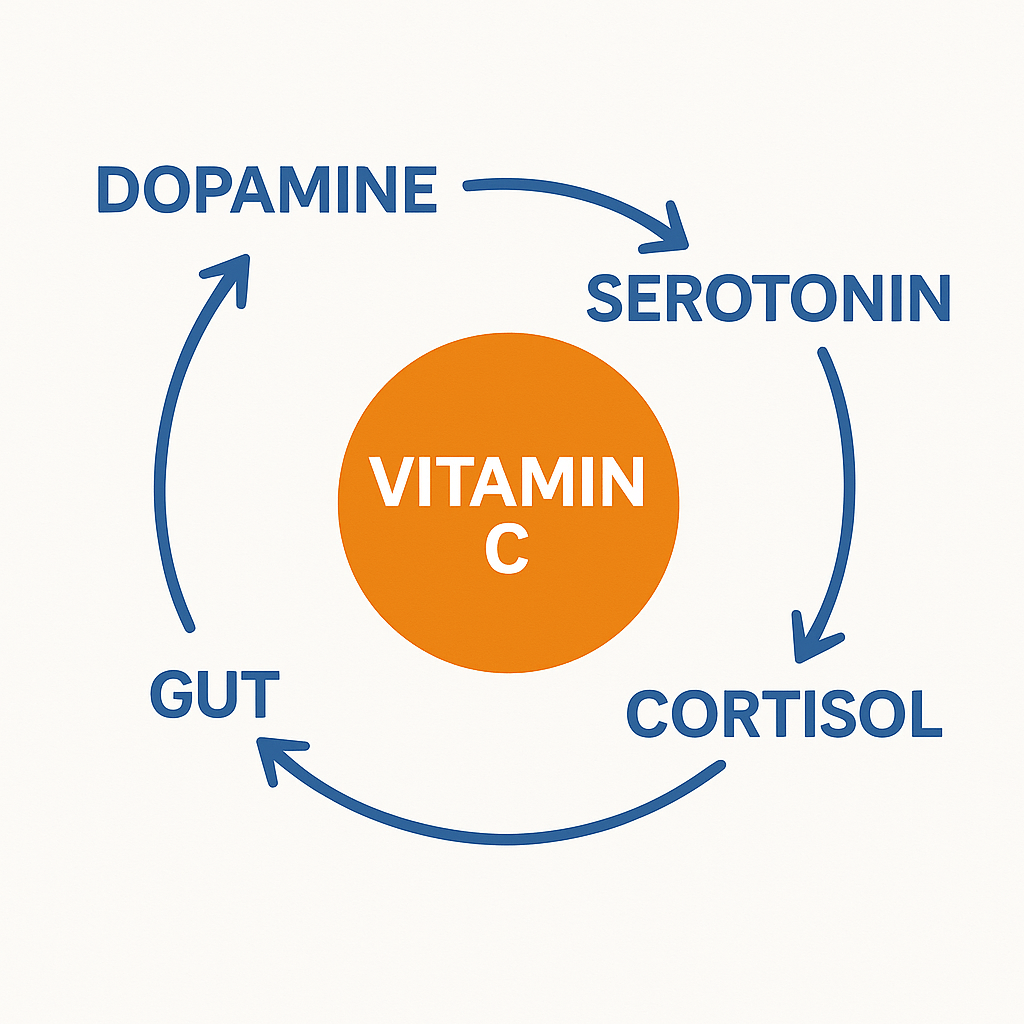
TED Series, Part II: Insulin Resistance and Mental Health

Introducing TED in the NeuroAffective-CBT® Framework

The TED (Tired-Exercise-Diet) model is more than just theory. Daniel Mirea first introduced TED in NeuroAffective-CBT® publications such as “Tired, Exercise and Diet Your Way Out of Trouble”, where it is presented as a core module within the NA-CBT schema linking body, brain, and affect (Mirea, 2023; Mirea, 2025).

Within the broader NeuroAffective-CBT® programme, comprising of six modules, TED is embedded early, supporting psychotherapeutic work targeting chronic internalised shame, self-loathing, self-regulation, and affective vulnerabilities (Mirea, 2023). The underlying principle is that lifestyle modification can enhance and stabilise psychotherapeutic gains (Firth et al., 2020; Lopresti, 2019).

TED integrates insights from neuroscience (e.g., gut–brain signalling, reward pathways), nutritional psychiatry, psychophysiology (e.g., sleep deprivation), and behavioural science (habit formation, conditioning). By framing these domains, sleep, movement, and diet, under one umbrella, TED provides clinicians and clients with a flexible, evidence-informed scaffold for lifestyle-oriented intervention.

If Part I of the TED series explored creatine’s interface with brain energetics and mood (Candow et al., 2022; Allen et al., 2024), Part II turns to a more widespread metabolic challenge: insulin resistance. What are its links to mental health, and how might TED’s lifestyle levers help?


Insulin Resistance & Mental Health: Why It Matters

Epidemiology & Hidden Burden

The World Health Organization estimates over one billion people globally live with diabetes or prediabetes, conditions rooted in chronic insulin resistance. Though early stages may lack dramatic physical symptoms, substantial evidence ties insulin resistance to mood disturbances: irritability, poor sleep, low motivation, brain fog, diminished self-confidence, depression, and anxiety.

Clinically, many mental health practitioners begin treatment for depression or anxiety without ordering metabolic labs, thereby potentially missing a root driver. Treating symptoms without addressing underlying insulin dysregulation may limit long-term efficacy.

Dietary Drivers & Dopamine Links

Modern diets, usually rich in refined sugars, starches, and processed carbohydrates, easily produce repeated glucose spikes. These not only tax metabolic systems but elicit strong dopamine responses, reinforcing cravings and behaviours analogous to substance addiction (Smith & Robbins, 2020). Sugar “addiction” is increasingly framed as a real phenomenon, with parallels to addictive substances in neurobiology and behaviour (Kempton et al., 2024).

Excess glucose that is not immediately utilised is stored as fat, contributing to chronic inflammation, glycation (a form of molecular “aging”), and metabolic stress. Over time, these processes damage organs, accelerate aging, and intersect with psychiatric vulnerability.

Mechanistic Cascade: From Glucose Spikes to Neural Dysregulation

When glucose surges, the pancreas secretes insulin to clear it from the bloodstream into liver, muscle, and fat tissue. In insulin resistance, muscle and liver cells become less responsive, so insulin must work harder. Over time, insulin’s compensatory drive fails, and fat accumulation accelerates—especially visceral adiposity. Because skeletal muscle has high metabolic demand, individuals who train or have greater lean mass may buffer this process somewhat, but they are not immune.

In insulin resistance, cells degrade signalling pathways. One key culprit is diacylglycerol (DAG): metabolic overflow in muscle and liver leads to DAG accumulation, which impairs insulin receptor signalling (Schulman et al., 2019). Imagine an insulin “key” (insulin molecule) trying to unlock a blocked “car door” (GLUT4 transporter) but the signal pathway is jammed by DAG sludge.

From a TED viewpoint, knowingly or unknowingly, many people live in this metabolic state: they feel fatigue or fogginess after meals, gain “stubborn” fat, crave sweets, and feel stuck. Their cells are refusing insulin’s “key,” causing chronic internal stress that can manifest in mood, cognition, and energy dysregulation.

Prevalence & Clinical Relevance

In a striking study of 18 to 44-year-olds, 44.8 % were estimated to have insulin resistance; notably, half of them were not obese, demonstrating the “thin-outside, fat-inside” phenotype. That means many lean individuals may silently carry metabolic dysfunction. Importantly, several studies suggest insulin resistance is a stronger predictor of cardiovascular disease than LDL cholesterol (Reaven, 2011; Wang et al., 2022).

As insulin resistance worsens, elevated glycation, oxidative stress, inflammatory markers, and microvascular dysfunction set in. In the brain, these intersect with neuroinflammation, microglial activation, and compromised mitochondrial function, pathways implicated in depression and cognitive decline (Morris et al., 2017; Louie et al., 2023).


Intervention Levers: What TED Can Do (and What the Research Suggests)

Below is a revised structure of actionable insights, rooted in emerging metabolic neuroscience, that align well with the TED domains.

1. Postprandial Movement: The Manual “Tesla Door” Activation

A 10 to 20 minute walk after meals activates AMPK signalling. Adenosine monophosphate-activated protein kinase – an enzyme that helps your body use energy more efficiently and draw sugar from the blood into muscles, thus allowing glucose to enter muscle cells independently of insulin. In this metaphor, walking acts as a manual opener of the automatic Tesla door, granting access when the remote control (or the insulin) fails. This simple, low-risk strategy is well supported by metabolic research (Hawley & Holloszy, 2009; Richter & Hargreaves, 2013).

2. Carbohydrate Timing & Contextual Use

Use fast-digesting carbohydrates selectively (e.g. white rice or ripe bananas) during periods of high energy demand, such as intra-workout or immediately post-exercise, when insulin sensitivity is highest. This ensures glucose is directed into active muscle tissue rather than exacerbating systemic dysregulation. In other words, this refers to rare, strategic use in small amounts, only when the body can efficiently utilise glucose for fuel.

Two good examples of fast-digesting carbohydrates, often called high-glycaemic index carbs, are:

  1. White rice – breaks down quickly into glucose, providing a rapid spike in blood sugar and energy.
  2. Bananas (ripe) – contain simple sugars like glucose and fructose that are quickly absorbed, making them ideal before or during exercise.

👉 Other common examples include white bread, honey, dextrose, sports drinks, or small amounts of fruit juice. This guidance, however, does not apply to individuals on a strict weight-loss programme. In such cases, the goal is to reduce overall glucose exposure and promote fat metabolism, meaning fast-digesting carbohydrates are best avoided.

👉Emerging evidence suggests that consuming a small amount of vinegar, around one teaspoon diluted in water, before a high-carbohydrate or sweet meal can help moderate postprandial (after-meal) glucose spikes by slowing gastric emptying and improving insulin sensitivity (Johnston et al., 2004; Mitrou et al., 2010). This simple intervention, often highlighted by metabolic educators such as “Jesse the Glucose Goddess”, aligns with the TED model’s focus on practical, low-cost strategies to stabilise energy and mood through metabolic regulation.

3. Rate-limiting Absorption: Protein + Soluble Fibre

By combining carbs with protein and soluble fibre (e.g. psyllium, chia, pectin), you slow the influx of glucose, turning a firehose into a gentle stream. This helps prevent peaks and DAG formation. This method is well supported in glycaemic control literature (Wolever et al., 2008; Jenkins et al., 2018).

🥣 Example: Oatmeal Power Bowl

Carbohydrate: Rolled oats (complex carbs that digest steadily)

Protein: Greek yoghurt or a scoop of whey protein mixed in

Soluble fibre: Chia seeds or ground flaxseeds (both rich in soluble fibre)

Healthy fats (optional): A few almonds or a teaspoon of nut butter

Extras: Add sliced banana or berries for natural sweetness

🥗 Alternative savoury example

  • Carbohydrate: Quinoa or sweet potato
  • Protein: Grilled salmon, chicken, or tofu
  • Soluble fibre: Steamed vegetables (broccoli, carrots) + half an avocado or lentils

💡 TED says: his combo reduces post-meal glucose peaks, supports satiety, and keeps insulin responses smooth, exactly what TED aims for.

4. Sludge Clearance & Mitochondrial Support

  • Trimethylglycine (TMG): May enhance methylation, support mitochondrial function, and assist in DAG clearance pathways (Ueland et al., 2019).
  • Cinnamon: Contains insulin mimetic compounds; small trials suggest improved glycaemic control and insulin sensitivity when used judiciously (Khan et al., 2003).
  • Carnosine: Serves as a buffer and antiglycation agent, intercepting reactive sugar moieties before they damage tissues (Hipkiss, 2009).

5. Master Reset: Intermittent Fasting / Time-Restricted Eating

Caloric restriction or “fasting” regimes although not always recommended if one suffers from high-blood pressure (e.g. 16:8, 24-h fasts) can however flip metabolic switches: lower insulin, upregulate autophagy (cellular cleanup), and reduce DAG accumulation. Animal and human studies show fasting improves insulin sensitivity, clears metabolic “sludge,” and supports mitochondrial health (Longo & Panda, 2016; de Cabo & Mattson, 2019).

6. Synergy of TED: Sleep, Exercise, Diet & Metabolic Hygiene

  • Sleep deprivation impairs insulin sensitivity and raises cortisol, further dysregulating glucose control (Spiegel et al., 1999).
  • Resistance and aerobic exercise enhance insulin receptivity and mitochondrial density (Hawley & Lessard, 2008).
  • Diet quality (minimally processed foods, low glycaemic load) is central to preventing glucose surges.

7. Gut–Brain Signalling & Cravings

Emerging research identifies neuropod cells in the gut lining that respond to nutrients (e.g. glucose, amino acids) and send electrical signals to the brain, influencing cravings, reward, and hedonic experience (Kaelberer et al., 2020). This offers a mechanistic bridge: diet choices influence not only metabolism but “what feels good” and how the brain interprets internal states.


Implications for Clinical Practice & Research

  • Incorporate full blood works and/or metabolic screening including fasting insulin, HbA1c, lipid profile, and inflammatory markers into the psychological assessment process to identify underlying metabolic dysfunctions that may contribute to fatigue, irritability, or mood instability. Recognise insulin resistance as a psychometabolic driver of fatigue, irritability, and depressive symptoms. Training implications for education providers.
  • Integrate TED-aligned behavioural tools post-meal walks, fibre pairing, fasting or other nutritional protocols early in therapy.
  • TED-based interventions (post-meal movement, dietary pacing, fibre, cyclical fasting) could be integrated early in therapy, personalised, and monitored.
  • Controlled clinical trials are needed:
    • Does metabolic correction improve mood/anxiety outcomes?
    • What is the interaction between metabolic change and CBT efficacy?
    • Can neuropod modulation mediate craving reduction?

Summary & Outlook

  • Insulin resistance is more than a metabolic disease, it likely contributes to mood dysregulation, fatigue, cravings, and cognitive dysfunction.
  • Within the TED lens, lifestyle levers (movement, meal pacing, fibre, fasting) offer promising adjuncts to psychotherapeutic work.
  • The gut–brain axis, cellular signalling (e.g. DAG accumulation), and mitochondrial health form mechanistic bridges between metabolism and mental health.
  • Future work should test TED-driven metabolic interventions in clinical populations, ideally with objective biomarker endpoints (insulin, inflammatory markers, MRS imaging).

💊Biochemical Terms with Plain-Language Clarifications

AMPK adenosine monophosphate-activated protein kinase (an enzyme that acts as the body’s “energy switch,” helping cells burn fuel efficiently and move sugar from the bloodstream into muscles)

GLUT4 glucose transporter type 4 – a “doorway” protein that opens to let glucose enter muscle and fat cells when activated by insulin or exercise

DAG diacylglycerol – a fat-like molecule that builds up inside cells and “jams” insulin signals, making it harder for the body to use glucose properly

Autophagy – a natural “cellular recycling” process where old or damaged cell parts are broken down and reused to keep cells healthy

Glycation – a chemical process where excess sugar sticks to proteins and tissues, accelerating ageing and inflammation)

Mitochondria – tiny “power stations” inside cells that turn food into usable energy and are essential for brain and muscle function)

Neuropod cells – specialised sensory cells in the gut lining that communicate directly with the brain via electrical signals, influencing hunger, cravings, and mood

Carnosine – a naturally occurring compound found in muscle and brain tissue that helps protect cells from sugar-related damage and oxidative stress

TMG (Trimethylglycine) – a compound derived from beets that supports liver and mitochondrial function, helping cells process fats and sugars more effectively

⚠️Disclaimer

Important: This article is not a substitute for professional medical or psychological assessment and care. Regular health checks and blood tests with your GP or family physician are essential, including from adolescence onward given rising rates of metabolic conditions (e.g., pre-diabetes, diabetes). Where appropriate, seek guidance from qualified professionals such as a GP, psychiatrist, registered nurse or nutritionist, or indeed a NeuroAffective-CBT® therapist, who can interpret your health data and support sustainable lifestyle changes. Supplements and behavioural strategies discussed here cannot and should not replace prescribed psychiatric or medical treatments; they function as potential adjuncts within a supervised care plan. Used responsibly, TED-aligned interventions may enhance wellbeing and resilience, but responses vary and should always be monitored by a healthcare professional.

🧾References

Allen, P.J., D’Anci, K.E. & Kanarek, R.B., 2024. Creatine supplementation in depression: bioenergetic mechanisms and clinical prospects. Neuroscience & Biobehavioral Reviews, 158, 105308. https://doi.org/10.1016/j.neubiorev.2024.105308

Candow, D.G., Forbes, S.C., Chiang, E., Farthing, J.P. & Johnson, P., 2022. Creatine supplementation and aging: physiological responses, safety, and potential benefits. Nutrients, 14(6), 1218. https://doi.org/10.3390/nu14061218

de Cabo, R. & Mattson, M.P., 2019. Effects of intermittent fasting on health, aging, and disease. New England Journal of Medicine, 381(26), 2541–2551. https://doi.org/10.1056/NEJMra1905136

Firth, J. et al., 2020. A meta-review of lifestyle psychiatry: the role of exercise, smoking, diet and sleep in mental disorders. World Psychiatry, 19(3), 360–380. https://doi.org/10.1002/wps.20773

Hawley, J.A. & Holloszy, J.O., 2009. Exercise: it’s the real thing! Nutrition Reviews, 67(Suppl 2), S172–S178. https://doi.org/10.1111/j.1753-4887.2009.00170.x

Hawley, J.A. & Lessard, S.J., 2008. Exercise training-induced improvements in insulin action. Acta Physiologica, 192(1), 127–135. https://doi.org/10.1111/j.1748-1716.2007.01783.x

Hipkiss, A.R., 2009. Carnosine and its possible roles in nutrition and health. Advances in Food and Nutrition Research, 57, 87–154. https://doi.org/10.1016/S1043-4526(09)57003-1

Jenkins, D.J.A. et al., 2018. Effects of high-fibre foods on glycaemic control. Lancet Diabetes & Endocrinology, 6(10), 794–807. https://doi.org/10.1016/S2213-8587(18)30135-0

Johnston, C.S., Kim, C.M. & Buller, A.J., 2004. Vinegar improves insulin sensitivity to a high-carbohydrate meal in subjects with insulin resistance or type 2 diabetes. Diabetes Care, 27(1), pp.281–282.

https://doi.org/10.2337/diacare.27.1.281Kaelberer, M.M. et al., 2020. Gut neuropod cells: sensory transducers that couple the gut to the brain. Cell, 182(4), 947–949. https://doi.org/10.1016/j.cell.2020.07.035

Khan, A. et al., 2003. Cinnamon improves glucose and lipids of people with type 2 diabetes. Diabetes Care, 26(12), 3215–3218. https://doi.org/10.2337/diacare.26.12.3215

Kempton, M.J., Fusar-Poli, P. & Allen, P., 2024. Neurobiology of food reward and addiction. Trends in Neurosciences, 47(2), 112–126. https://doi.org/10.1016/j.tins.2023.11.003

Longo, V.D. & Panda, S., 2016. Fasting, circadian rhythms, and time-restricted feeding in healthy lifespan. Cell Metabolism, 23(6), 1048–1059. https://doi.org/10.1016/j.cmet.2016.05.001

Lopresti, A.L., 2019. A review of lifestyle factors that contribute to important pathways in depression: diet, sleep and exercise. Journal of Affective Disorders, 256, 38–44. https://doi.org/10.1016/j.jad.2019.05.066

Louie, A.M., Ramos-Loyo, J. & Ketter, T.A., 2023. Insulin resistance and depression: shared pathways and implications. Frontiers in Psychiatry, 14, 1123657. https://doi.org/10.3389/fpsyt.2023.1123657

Mirea, D., 2023. Tired, Exercise and Diet Your Way Out of Trouble (T.E.D.) model. NeuroAffective-CBT®. Available at: https://www.researchgate.net/publication/382274002_Tired_Exercise_and_Diet_Your_Way_Out_of_Trouble_T_E_D_model_by_Mirea [Accessed 17 Oct 2025].

Mirea, D., 2025. Why your brain makes you crave certain foods (and how “TED” can help you rewire it…). NeuroAffective-CBT®, 17 September. Available at: https://neuroaffectivecbt.com/2025/09/17/why-your-brain-makes-you-crave-certain-foods/ [Accessed 17 Oct 2025].

Mitrou, P., Petsiou, E., Papakonstantinou, E., Maratou, E., Lambadiari, V., Dimitriadis, P. & Raptis, S.A., 2010. Vinegar consumption increases insulin-stimulated glucose uptake by the forearm muscle in humans with type 2 diabetes. European Journal of Clinical Nutrition, 64(8), pp.871–877. https://doi.org/10.1038/ejcn.2010.102

Morris, G., Berk, M., Carvalho, A.F. et al., 2017. The role of mitochondria in mood disorders. Bipolar Disorders, 19(7), 577–596. https://doi.org/10.1111/bdi.12534

Reaven, G.M., 2011. Insulin resistance: the link between obesity and cardiovascular disease. Medical Clinics of North America, 95(5), 875–892. https://doi.org/10.1016/j.mcna.2011.06.002

Richter, E.A. & Hargreaves, M., 2013. Exercise, GLUT4, and skeletal muscle glucose uptake. Physiological Reviews, 93(3), 993–1017. https://doi.org/10.1152/physrev.00038.2012

Schulman, G.I. et al., 2019. Diacylglycerol activation of PKCε mediates hepatic insulin resistance. Physiological Reviews, 99(2), 511–536. https://doi.org/10.1152/physrev.00061.2017

Smith, D.G. & Robbins, T.W., 2020. The neurobiological basis of obesity and binge eating. Physiology & Behavior, 222, 112978. https://doi.org/10.1016/j.physbeh.2020.112978

Spiegel, K., Leproult, R. & Van Cauter, E., 1999. Impact of sleep debt on metabolic and endocrine function. Lancet, 354(9188), 1435–1439. https://doi.org/10.1016/S0140-6736(99)01376-8

TED Series, Part I: Could Creatine Play an Important Role to Mental Health?

In this first instalment of the TED (Tired-Exercise-Diet) series, we will explore the intriguing possibility that creatine supplementation, long associated with sports performance, might also play a role in mental health, especially in disorders rooted in shame, self-hate, self-criticism, and general affect dysregulation.

Introducing TED in the NeuroAffective-CBT® Framework – Mirea’s Contribution

The TED model (Tired-Exercise-Diet) synthesises insights from neuroscience (e.g., gut–brain signalling, reward pathways), nutritional psychiatry, psychophysiology (e.g., sleep deprivation), and behavioural science (habit formation, conditioning). By organising these findings into three core domains, sleep, exercise, and diet, TED provides an accessible, flexible, and evidence-informed structure for lifestyle-oriented intervention.

But TED is not just theoretical: it is publicly presented and described by Daniel Mirea in the NeuroAffective-CBT® literature. Mirea’s “Tired, Exercise and Diet Your Way Out of Trouble” (TED model) is available via ResearchGate, Academia, and the NA-CBT site as a leaflet and white-paper introduction to emotional regulation through lifestyle (Mirea, 2023). In his description, the TED module is positioned centrally within the NA-CBT method, linking body, brain, and affect, the Body–Brain–Affect triangle (Mirea, 2025).

Within the larger NeuroAffective-CBT® programme (comprising six modules), TED is introduced early, immediately after assessment and conceptualisation. NA-CBT specifically targets shame-based disorders such as self-loathing, self-disgust, and low self-esteem, which often underpin psychopathologies like major depressive disorder and anorexia (Mirea, 2023). Addressing lifestyle factors may augment traditional CBT approaches (Firth et al., 2020; Lopresti, 2019).

Empirical evidence shows that improving sleep, increasing physical activity, and enhancing diet quality yield synergistic benefits for emotional regulation, reduction of maladaptive cravings, and improvement of self-esteem (Kandola et al., 2019; Irwin, 2015).

For clinicians, TED offers a concrete tool: integrate lifestyle domains early, personalise interventions, and use TED to amplify CBT. For researchers, it highlights testable mechanisms and opportunities for controlled trials.

This first part focuses on a lesser-known nutritional agent now attracting neuroscientific attention: creatine, a compound with emerging evidence linking it to neuroenergetics and mental health (Candow et al., 2022; Allen et al., 2024).

Why Creatine? What the Evidence Suggests (and Doesn’t..)

The Rationale: Bioenergetics, Oxidative Stress, and Brain Demand

Creatine helps the body make and recycle energy quickly. It acts like a backup battery for your cells, keeping them charged when energy demand is high. While we often think of creatine as something that helps muscles perform better, the brain also uses a huge amount of energy, about one-fifth of everything the body burns at rest.

In people experiencing depression or anxiety, studies suggest that the brain’s mitochondria (the cell’s “power stations” that turn food into usable energy) often don’t work as efficiently. This can lead to higher levels of oxidative stressa kind of cellular “wear and tear” caused by unstable oxygen molecules that damage cells over time (Morris et al., 2017).

Taking creatine as a supplement may help the brain’s mitochondria work more efficiently, reduce oxidative stress, and stabilise the brain’s energy balance (Allen et al., 2024). Animal studies show that creatine can reduce stress in brain cells and even decrease depression-like behaviours (Zhang et al., 2023). Research in humans is still early, but the results so far are promising.


💡 In simple TED terms:
Why Creatine Might Help the Brain: Energy and Stress Balance! Creatine may help the brain produce cleaner, steadier energy, while reducing the internal “rust” that builds up from stress and poor metabolism, both of which are key targets in emotional regulation.

Human Evidence: Mood, Cognition, and Stress Conditions

Mood and Depression

Early studies suggest that creatine may help boost the effects of antidepressant medication. In one carefully controlled trial, women who took 5 grams of creatine monohydrate per day alongside their usual SSRI antidepressant showed faster and stronger improvements in mood than those taking a placebo (Lyoo et al., 2012).

Several reviews of this research confirm that creatine seems most effective as an add-on rather than a stand-alone treatment (Allen et al., 2024; L-Kiaux et al., 2024). In other words, creatine may make existing treatments work better, but it is not yet proven to work on its own.

Although there have been no large human trials testing creatine by itself for depression or PTSD, brain-imaging studies show that creatine supplementation increases the brain’s phosphocreatine levels (the stored form of cellular energy). This may help restore low brain-energy levels often found in people with mood disorders (Dechent et al., 1999; Rae & Bröer, 2015).

💡 TED translation: Creatine may act like an energy booster for the brain, helping antidepressants “catch” faster and work more effectively. Within the TED framework, this fits the Diet domain, using nutrition to support energy stability and emotional regulation and, complements therapeutic work in the Affect domain.

Cognition, Memory, and Sleep Deprivation

Research also shows that creatine can help the brain think and react more effectively, especially when it is under pressure. Systematic reviews indicate that creatine can enhance memory, focus, and processing speed in conditions of metabolic stress, such as sleep deprivation, oxygen deprivation, or prolonged mental effort (Avgerinos et al., 2018; McMorris et al., 2017).

In one notable experiment, people who stayed awake all night performed better on reaction-time tasks and reported less mental fatigue after taking creatine (McMorris et al., 2006). These benefits appear strongest in older adults or individuals whose brains are already energy-challenged, for example, due to stress, ageing, or poor sleep (Dolan et al., 2018). In contrast, young, well-rested participants often show little or no change (Simpson & Rawson, 2021).

💡 TED translation: Creatine seems to protect the brain when energy is low during exhaustion, stress, or lack of sleep. This is what we call a reactive emtional state (reactive amygdala). It doesn’t make a healthy, rested brain “smarter,” but it helps a tired brain function more efficiently. In TED terms, it bridges the Tired and Diet domains: improving sleep quality indirectly and supporting cognitive endurance under pressure.

Key Questions & Considerations

Dose, Duration, and Uptake

A few muscle studies, led by Dr. Darren Candow, show that taking 3–5 grams of creatine monohydrate per day is enough to maintain muscle levels once stores are full. To load the system faster, some use about 20 grams per day for 5–7 days, which quickly saturates muscle tissue (Candow et al., 2022; Kreider et al., 2017).

However, the brain takes longer to absorb creatine. Imaging studies suggest that at least 10 grams per day for several weeks may be needed to raise brain levels meaningfully (Dechent et al., 1999; Rae & Bröer, 2015). Because around 95% of the body’s creatine is stored in muscle, the brain receives its share more slowly, which may explain why mood or cognitive effects sometimes take weeks to appear.

💡 TED translation: Creatine needs time to “charge the system”. Like building savings in a bank, the longer and more consistently you invest, the better the returns. Within TED, this reflects the Tired and Diet domains, combining steady supplementation with sleep and nutrition for sustained brain energy.

Sodium and Electrolyte Co-Ingestion

Creatine is carried into cells by a sodium-chloride transporter (called SLC6A8) (Tachikawa et al., 2013). This means that electrolytes, especially sodium, help creatine get where it needs to go. While not yet proven for brain outcomes, pairing creatine with a small amount of electrolyte water or a balanced meal containing sodium may improve absorption.

💡 TED translation: Think of sodium as a helper molecule, like a key that lets creatine into the cell. In TED language, this links Diet with Physiology: hydration, electrolytes, and nutrition work together to optimise energy flow.

Dietary Status

People who eat little or no animal protein, such as vegetarians or vegans, often start with lower creatine stores and therefore show a greater response to supplementation (Candow et al., 2022; Antonio et al., 2021). Interestingly, brain creatine levels appear to stay relatively stable across diet types, which suggests the brain has its own built-in regulation system (Rae & Bröer, 2015).

💡 TED translation: Your baseline diet changes how quickly you benefit from creatine. If you avoid animal foods, your muscles may “fill up” faster when you supplement but the brain keeps itself balanced. This reflects TED’s Diet principle: individualisation matters.

Safety and Misconceptions

Decades of studies confirm that creatine monohydrate is safe for healthy adults. No evidence links standard doses (3–5 g/day) to kidney or liver problems (Kreider et al., 2017; Harvard Health Publishing, 2024). Increases in serum creatinine after supplementation simply reflect higher turnover, not kidney damage.

The often-mentioned hair-loss claim remains unsupported (Antonio et al., 2021). However, clinicians should note that in rare cases, individuals with bipolar disorder have reported manic switching after starting creatine (Silva et al., 2013). These cases are very uncommon but worth monitoring in sensitive populations.

💡 TED translation: Creatine is one of the safest, best-studied supplements in both sport and health science. Still, as with all lifestyle tools, TED encourages personalisation and medical oversight, particularly in those with complex mental-health or metabolic conditions.

Implications for TED and NeuroAffective-CBT®

In clinical settings, creatine can and should be viewed as a supportive tool rather than a replacement for established therapies. The goal is to use it thoughtfully in context, and always alongside medical supervision.

Practical guidelines:

  • Screen and personalise: Assess kidney function, diet, and medication interactions before supplementation.
  • Adjunctive use: Creatine should complement, not replace, therapy or pharmacological treatment.
  • Dosing: A short “loading” phase of 20 g/day for 5–7 days, or a gradual increase of 10–20 g/day over four weeks, can be followed by 3–5 g/day for maintenance (Candow et al., 2022).
  • Timing: Best used during periods of sleep loss, cognitive strain, or emotional exhaustion, when the brain’s energy demands are high.
  • Integration: Combine with other TED domains, sleep hygiene, structured exercise, and nutrient-dense diet to amplify benefits (Firth et al., 2020).
  • Monitor and document: Track mood, focus, and physical function; adapt dosing empirically and contribute data to practice-based research.

💡 TED translation: Creatine fits naturally within the Tired–Exercise–Diet framework as a metabolic support for emotional regulation. TED encourages clinicians to see it not as a “pill for a problem,” but as part of a whole-lifestyle system, where sleep, movement, and nutrition all reinforce psychological recovery.


Summary & Outlook

  • The TED model (sleep, exercise, diet) offers a practical bridge between psychotherapy and lifestyle science, especially for conditions rooted in shame, self-criticism, and affect dysregulation (Firth et al., 2020; Lopresti, 2019).
  • Creatine demonstrates strong scientific plausibility and early clinical promise for improving mood, cognition, and resilience under metabolic stress (Allen et al., 2024; Candow et al., 2022).
  • The next step for researchers is to conduct large, placebo-controlled clinical trials testing creatine as an adjunct to CBT for depression and anxiety — ideally with neuroimaging to confirm its effects on brain energy metabolism.

💡 TED translation: Creatine may one day become a recognised “nutritional ally” for the brain, enhancing therapy outcomes by helping clients feel less tired, more focused, and more emotionally stable. For now, it serves as a valuable prototype of how lifestyle science can empower both clinicians and clients to target emotional health from the body upward.

⚠️ Disclaimer:
A final and important reminder: these articles are not intended to replace professional medical or psychological assessment and/or treatment. Regular blood tests and health check-ups with your GP or a private family doctor are essential throughout adult life, in fact increasingly relevant from adolescence onward, given the rising incidence of metabolic and endocrine conditions such as diabetes among young people. It is strongly recommended to seek guidance from qualified professionals, for example, a GP, clinical psychologist, a psychiatrist or depending on your personal goals and needs a registered nutritionist, indeed a NeuroAffective-CBT® therapist, who can interpret your health data (including blood work) and help you understand how your lifestyle, daily habits, and nutritional choices influence your mental and emotional wellbeing.

🧾References:

Allen, P.J., D’Anci, K.E. & Kanarek, R.B., 2024. Creatine supplementation in depression: bioenergetic mechanisms and clinical prospects. Neuroscience & Biobehavioral Reviews, 158, 105308. https://doi.org/10.1016/j.neubiorev.2024.105308

Antonio, J. et al., 2021. Common questions and misconceptions about creatine supplementation: what does the scientific evidence really show? Journal of the International Society of Sports Nutrition, 18(1), 13–27. https://doi.org/10.1186/s12970-021-00412-z

Avgerinos, K.I., Spyrou, N., Bougioukas, K.I. & Kapogiannis, D., 2018. Effects of creatine supplementation on cognitive function of healthy individuals: a systematic review of randomized controlled trials. Experimental Gerontology, 108, 166–173. https://doi.org/10.1016/j.exger.2018.04.014

Braissant, O., 2012. Creatine and guanidinoacetate transport at the blood–brain and blood–cerebrospinal-fluid barriers. Journal of Inherited Metabolic Disease, 35(4), 655–664. https://doi.org/10.1007/s10545-011-9415-6

Candow, D.G., Forbes, S.C., Chiang, E., Farthing, J.P. & Johnson, P., 2022. Creatine supplementation and aging: physiological responses, safety, and potential benefits. Nutrients, 14(6), 1218. https://doi.org/10.3390/nu14061218

Dechent, P., Pouwels, P.J.W., Wilken, B., Hanefeld, F. & Frahm, J., 1999. Increase of total creatine in human brain after oral supplementation of creatine monohydrate. American Journal of Physiology – Regulatory, Integrative and Comparative Physiology, 277(3), R698–R704. https://doi.org/10.1152/ajpregu.1999.277.3.R698

Dolan, E., Gualano, B., Rawson, E.S. & Phillips, S.M., 2018. Creatine supplementation and brain function: a systematic review. Psychopharmacology, 235, 2275–2287. https://doi.org/10.1007/s00213-018-4956-2

Firth, J. et al., 2020. A meta-review of “lifestyle psychiatry”: the role of exercise, smoking, diet and sleep in mental disorders. World Psychiatry, 19(3), 360–380. https://doi.org/10.1002/wps.20773

Harvard Health Publishing, 2024. What is creatine? Harvard Medical School. Available at: https://www.health.harvard.edu/staying-healthy/what-is-creatine

Irwin, M.R., 2015. Why sleep is important for health: a psychoneuroimmunology perspective. Annual Review of Psychology, 66, 143–172. https://doi.org/10.1146/annurev-psych-010213-115205

Kandola, A., Ashdown-Franks, G., Hendrikse, J., Sabiston, C.M. & Stubbs, B., 2019. Physical activity and depression: toward understanding the antidepressant mechanisms of physical activity. Neuroscience & Biobehavioral Reviews, 107, 525–539. https://doi.org/10.1016/j.neubiorev.2019.09.040

Kreider, R.B. et al., 2017. ISSN position stand: safety and efficacy of creatine supplementation in exercise, sport, and medicine. Journal of the International Society of Sports Nutrition, 14, 18. https://doi.org/10.1186/s12970-017-0173-z

L-Kiaux, A., Brachet, P. & Gilloteaux, J., 2024. Creatine for the treatment of depression: preclinical and clinical evidence. Current Neuropharmacology, 22(4), 450–466. https://doi.org/10.2174/1570159X22666230314101523

Lopresti, A.L., 2019. A review of lifestyle factors that contribute to important pathways in depression: diet, sleep and exercise. Journal of Affective Disorders, 256, 38–44. https://doi.org/10.1016/j.jad.2019.05.066

Lyoo, I.K. et al., 2012. A randomized, double-blind clinical trial of creatine monohydrate augmentation for major depressive disorder in women. American

Journal of Psychiatry, 169(9), 937–945. https://doi.org/10.1176/appi.ajp.2012.11081259

McMorris, T. et al., 2006. Creatine supplementation and cognitive performance during sleep deprivation. Psychopharmacology, 185(1), 93–103. https://doi.org/10.1007/s00213-005-0269-8

McMorris, T., Harris, R.C., Howard, A. & Jones, M., 2017. Creatine, sleep deprivation, oxygen deprivation and cognition: a review. Journal of Sports Sciences, 35(1), 1–8. https://doi.org/10.1080/02640414.2016.1156723

Mirea, D., 2023. Tired, Exercise and Diet Your Way Out of Trouble (T.E.D.) model. NeuroAffective-CBT® Publication. Available at: https://www.researchgate.net/publication/382274002_Tired_Exercise_and_Diet_Your_Way_Out_of_Trouble_T_E_D_model_by_Mirea [Accessed 17 October 2025]

Mirea, D., 2025. Why your brain makes you crave certain foods (and how “TED” can help you rewire it…). NeuroAffective-CBT, 17 September. [online] Available at: https://neuroaffectivecbt.com/2025/09/17/why-your-brain-makes-you-crave-certain-foods/ [Accessed 17 October 2025].

Morris, G., Berk, M., Carvalho, A.F. et al., 2017. The role of mitochondria in mood disorders: from pathophysiology to novel therapeutics. Bipolar Disorders, 19(7), 577–596. https://doi.org/10.1111/bdi.12534

Rae, C. & Bröer, S., 2015. Creatine as a booster for human brain function. Neurochemistry International, 89, 249–259. https://doi.org/10.1016/j.neuint.2015.07.009

Silva, R. et al., 2013. Mania induced by creatine supplementation in bipolar disorder: case report. Journal of Clinical Psychopharmacology, 33(5), 719–721. https://doi.org/10.1097/JCP.0b013e3182a60792

Simpson, E.J. & Rawson, E.S., 2021. Creatine supplementation and cognitive performance: a critical appraisal. Nutrients, 13(5), 1505. https://doi.org/10.3390/nu13051505

Tachikawa, M., Fukaya, M., Terasaki, T. & Ohtsuki, S., 2013. Distinct cellular expression of creatine transporter (SLC6A8) in mouse brain. Journal of Cerebral Blood Flow & Metabolism, 33(5), 836–845. https://doi.org/10.1038/jcbfm.2013.6

Zhang, Y., Li, X., Chen, S. & Wang, J., 2023. Creatine and brain health: mechanisms and therapeutic prospects. Frontiers in Neuroscience, 17, 1176542. https://doi.org/10.3389/fnins.2023.1176542

Why Your Brain Makes You Crave Certain Foods

and How ‘TED’ can Help You Rewire It…

Why do some foods feel irresistible, while others barely tempt you? It is tempting to think cravings are just about taste, sweet, salty, sour, bitter, but the truth runs much deeper. Your brain and gut are in constant conversation, sending signals that shape not only what you like to eat, but what you want to eat again and again. But here’s the twist: those preferences aren’t fixed! With the right strategies, you can actually retrain your brain to crave healthier foods. One of the most practical tools for doing this is ‘TED‘ short for Tired, Exercise, Diet. Within the NeuroAffective-CBT approach, TED is one of the most compelling self-regulation frameworks. It uses the idea of an ‘imaginal friend‘, a life-coach or inner guide that can help you stay focused on daily choices which support meaningful lifestyle changes. These changes strengthen both physical health and immunity while also building psychological resilience, self-appreciation, and self-love.

Each component of TED – Tiredness (sleep), Exercise, and Diet, has strong empirical links to emotional and cognitive wellbeing. First introduced to the psychotherapy world nearly 20 years ago by behaviourist Daniel Mirea (Mirea, 2023), TED has become a cornerstone of the NA-CBT approach. At its core, TED highlights the Body–Brain–Affect triangle, showing how rest, movement, and nutrition work together to regulate cravings, balance mood, and improve overall health.

So, let’s think of TED as your inner coach and personal trainer, totally on your side but tough and fair, a voice you can hear all the time:

  • Tired → how well you rest shapes hunger, hormones, and food choices.
  • Exercise → physical activity resets dopamine and balances stress.
  • Diet → what you eat trains your gut and brain to prefer certain foods.

And now… with TED in mind, let’s examine how cravings really work and how to rewire them.

The Three Layers of Food Preference

Scientists generally point to three systems that explain why we like certain foods:

1. Taste Buds (Diet in Action)

The tongue is the first gatekeeper of food preference. It detects sweet, salty, sour, bitter and, umami (savory, meaty flavour), behaviourally guiding us toward energy-rich or protein-rich foods. This happens because specialised neurons on the tongue can detect sweetness, saltiness, sourness, bitterness, and umami. They give us that instant “yum” or “yuck”. But taste alone isn’t the full story. What you repeatedly eat conditions your taste buds. A diet heavy in ultra-processed foods can dull sensitivity to natural flavors, while a shift to whole foods can make simple tastes more rewarding within 7–14 days (Wise, P. et al., 2016; Turner S et al., 2022).

👉 What does TED say? This is where D for Diet comes in: by choosing nourishing foods consistently, you retrain both your taste buds and your reward circuits. But also, E for Exercise: by changing habits and replacing eating with exercise rewiring occurs even faster and the brain is much more likely to ‘demand and accept’ protein-based products useful for muscle development.


2. Gut–Brain Signaling (The Sleep & Diet Link)

As food travels down the digestive tract, neurons detect its texture, temperature, and nutrients. Specialised “neuropod cells” are tuned to sense amino acids, sugars, and fats. These cells send electrical signals through the nodose ganglion straight into the brain, triggering dopamine, the neurotransmitter of motivation and reward Bohórquez et al., 2015. In other words, when sugar, fat, or amino acids hit the gut, they trigger dopamine release, shaping cravings at a subconscious level.

And here’s the worse news: poor sleep (The T from TED – Tired) makes these signals even stronger. Lack of rest ramps up ghrelin (the hunger hormone) and dampens leptin (the satiety hormone), pushing you toward high-calorie foods. At the same time, a diet rich in fiber, protein, and complex carbs strengthens gut–brain communication in healthier ways.

👉 TED takeaway: better sleep and diet quality work hand in hand to keep cravings in check.


3. Learned Associations (Exercise as a Reset Button)

The brain is able to link the flavour of food with its aftereffects, like blood sugar rise and dopamine rise after a sweet snack. Over time, these associations become powerful drivers of preference de Araujo et al., 2008.

As such, our brain learns fast to link specific flavours with specific metabolic outcomes. As in the earlier example, sweet taste plus a rise in blood glucose teaches the brain to crave sugar.

And even though artificial sweeteners and many fruits contain little or no glucose, when paired with high-carbohydrate foods (e.g., low-sugar jam with a croissant or fruit with cornflakes), the brain links their sweet taste to the subsequent glucose surge. Over time, this conditioning strengthens the craving pathway at both behavioural and neural levels.

However, regular and intensive Exercise (The E out of TED) helps break this loop. Movement not only burns energy but also improves insulin sensitivity and modulates dopamine pathways, making it easier to “reset” reward associations. People who exercise regularly often find it easier to shift away from addictive food patterns.

👉 TED takeaway: put together, these systems explain why food isn’t just fuel. It’s a constant feedback loop, where your body teaches your brain what to want. You can use movement to retrain your brain’s learned food-reward pathways.


Your Gut Is Training You

We tend to think of the gut as just a digestion machine. But in reality, it’s a sensory system. As food moves through the stomach and intestines, neurons are watching closely. They respond to stretch (how full your gut is), texture, spiciness, and even temperature.

The most fascinating players are those neuropod cells. They act like food sensors, tuned to the chemistry of whatever you eat. The moment they detect sugars, fats, or amino acids, they send electrical signals to the brain in milliseconds Kaelberer et al., 2018. The brain responds by releasing dopamine, making you feel motivated to seek out more of that food.

This whole process is subconscious. You don’t “decide” that chocolate cake is rewarding. Your gut tells your brain before you even realize it.


Sweetness and the Dopamine Trap

Sweet taste gives us the clearest example of how these systems interact. Humans are naturally wired to like sweet things — especially children. Sweetness signals calories, which the brain rewards with dopamine.

So what about artificial sweeteners? Why are those still problematic? As explained earlier, sugar reliably increases blood glucose and dopamine. Non-caloric sweeteners taste sweet but don’t raise blood glucose. And at first, dopamine doesn’t budge. But here is the twist: with repeated exposure, artificial sweeteners do start to trigger dopamine. Why? Because your brain learns to expect that sweet taste to mean “energy incoming” Tellez et al., 2016.

And as already mentioned things get even more complicated when you pair diet drinks (sweet but calorie-free) with a burger and fries (calorie-dense). Over time, your brain begins to link the sweet taste with a metabolic effect. Later, even diet fizzy drink alone can change your insulin response, as if it contained sugar Swithers, 2013.

👉 A practical tip from TED? If you enjoy a diet or low-calorie drink, it is probably better to drink it separately from high-carb meals. Otherwise, you may condition your body to release insulin in ways that throw off blood sugar control. But of course, it would be ideal to avoid sugar or sweetener rich drinks all together especially if your meal is equally rich in carbs and instead… simply replace it with water!


The Psychology of Belief

It’s not just biology at play. Your mindset about food can literally change how your body reacts. Stanford University professor Alia Crum ran a striking study: participants were given the exact same milkshake but told two different stories about it. Some were told it was “indulgent, high-calorie, rich and satisfying.” Others were told it was “light, low-calorie, and healthy”. The results? The “indulgent” shake produced bigger rises in insulin, ghrelin (a hunger hormone), and blood glucose. People also reported feeling more satisfied Crum et al., 2011. The same drink or shake but a totally different body response, based only on belief.

This is not the classic placebo effect. It is a belief effect: our expectations about food shape our physiology!


Rewiring Your Cravings

Here’s the good news: your food preferences aren’t set in stone. Scientists describe them as soft-wired, flexible and open to change. Studies show that if you consistently eat a food for 7–14 days, especially when paired with enjoyable or energizing foods, your brain starts to assign more value to it. Translation: it literally tastes better over time (Wise, P. et al., 2016; Turner S et al., 2022; Small et al., 2019).

This is why people in different dietary war-camps like keto, vegan, Mediterranean, etc. Often feel so passionate about their way of eating and fight each other in research facts. Their brains have been conditioned to find their chosen foods the most rewarding.

And you can use the same principle to your advantage. Want to enjoy more leafy greens? Pair them with foods that give you a metabolic boost. Over time, your brain will start rewarding you for those choices.


The Bigger Picture

At the deepest level, your brain isn’t chasing sweetness, salt, or even dopamine. What it really wants is energy for neurons. Food preference is just the surface expression of this survival mechanism.

The catch? In today’s food environment, ultra-processed and hyper-palatable foods hijack this system. They deliver intense dopamine spikes that make ordinary, healthier foods seem bland by comparison Johnson & Kenny, 2010.

But the opposite is also true: by gradually shifting your diet toward whole, nutrient-rich foods, your dopamine system adapts, and those foods become genuinely more rewarding.


Final Thoughts

Food is far more than fuel. It’s a dialogue between taste buds, gut neurons, brain chemistry, and even your beliefs. Together, these systems decide what you crave, what satisfies you, and what you keep reaching for.

Perhaps a useful analogy would be to view food preferences as being both hard-wired and soft-wired. Hard-wired circuits push us toward energy-rich foods. Soft-wired associations, however, can be reshaped through repeated exposure and lifestyle choices. And this is where TED truly shines:

  • Tired → Sleep enough to regulate hunger and strengthen decision-making.
  • Exercise → Move daily to reset dopamine and insulin sensitivity.
  • Diet → Feed your gut and brain with nutrient-rich foods that train cravings. Add products like vinegar, lemon, kefir to your diet in order to keep the glucose spike down.

Modern processed foods hijack dopamine pathways, but TED offers a counterweight. With small, consistent shifts, better rest, regular movement, and smarter eating, you can rewire your cravings and restore balance. In a well-known study, participants drank the same milkshake but were told it was either “indulgent” or “low-calorie”. The indulgent version triggered stronger hormonal and metabolic responses, showing that belief changes physiology – so the mindset matters.

This is where TED would demand from you a renewed and improved attitude and mindset:

Diet: Choosing whole foods builds a narrative of self-care that strengthens psychological reward.

Tired: A good sleep and regular rest bites improve emotional regulation, making you less vulnerable to comfort eating and in general emotions are more manageable due to a less reactive amygdala.

Exercise: This list is very long – builds muscle, burns fat, deals with insuline resistance and overall boosts confidence and reinforces positive self-beliefs about health.


In short: TED isn’t just a checklist; it is a neuroscience-backed guide for aligning your lifestyle with the way your brain and gut actually work. By honoring the ‘big three‘, sleep, exercise, and diet, you can gradually teach your brain to want specific activities and foods that fuel health and wellbeing.

Recommended Reading

If you’d like to explore the science behind food preference and reward systems in more depth, here are a few excellent resources: