

co-author: Iulia Popa – Strength and Nutrition Consultant

Abstract
Growing evidence indicates that resistance training influences not only muscular strength and morphology, but also neural, endocrine, and immune processes relevant to mental health. This narrative review synthesises mechanistic and clinical findings linking progressive resistance exercise to emotional regulation, neuroplasticity, and immune modulation. Resistance training induces central neural adaptations (e.g., enhanced motor unit recruitment and intermuscular coordination), supports neurotrophic signalling, including brain-derived neurotrophic factor (BDNF), and modulates inflammatory tone through exercise-induced myokine release and context-dependent cytokine responses such as interleukin-6 (IL-6). Collectively, these adaptations are associated with improved mood, cognitive function, and stress resilience across the lifespan (Deslandes, 2014; Salmon, 2001; Stonerock et al., 2015). Meta-analytic evidence further indicates that resistance exercise is associated with reductions in depressive and anxiety symptoms across diverse populations (Gordon et al., 2018; Gordon et al., 2017).
Consistent with these mechanisms, a practice-informed translation is outlined within the NeuroAffective-CBT® (NA-CBT) framework, conceptualising progressive strengthening alongside sleep, nutrition, and recovery as foundational supports for psychological flexibility and adaptive stress regulation (Mirea, 2025). The templates presented are not validated treatment protocols, but structured applications grounded in neurophysiological principles and existing evidence.
Keywords: NeuroAffective-CBT; resistance training; emotional regulation; stress; neuroplasticity; inflammation; lifestyle interventions
Reader Guide
This article has two parts:
(1) a narrative review of mechanisms linking resistance training to emotional regulation and mental health
(2) practice-informed templates translating these mechanisms into structured behavioural supports, consistent with NA-CBT’s TED model.
Readers seeking practical application may proceed directly to the practice templates:
- Practice Template 1: Structured Exercise-Supported Emotional Regulation (6-Week Starter Framework)
- Practice Template 2: Nervous-System–Informed Programming for High-Load Athletes (12-Week Rolling Framework)
Introduction: The Brain Is Not Separate From the Body
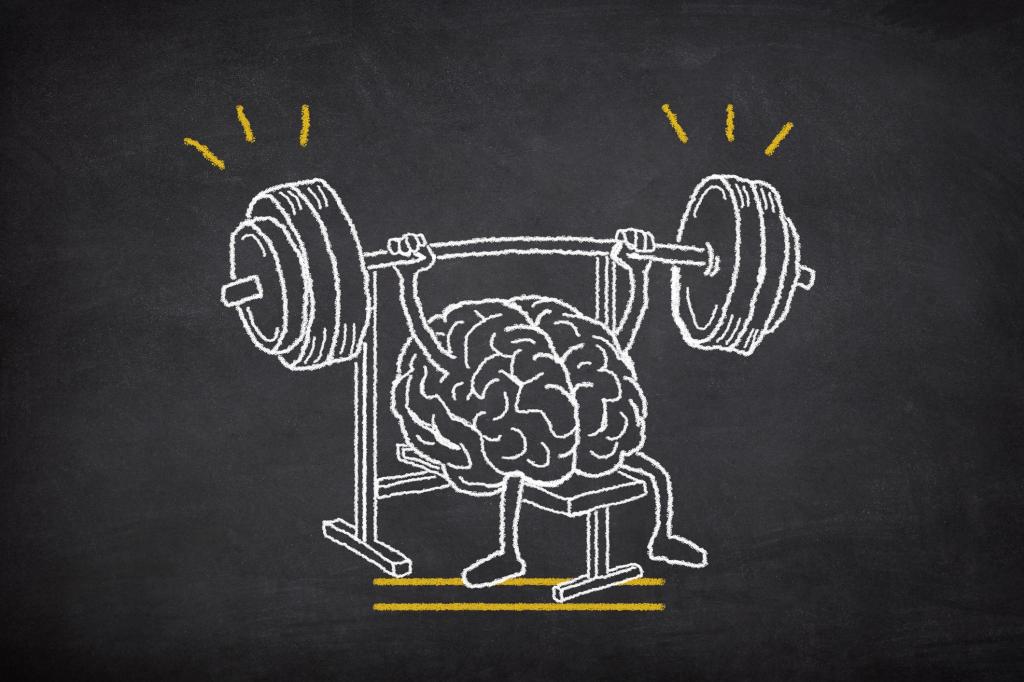
In popular discourse, the brain is sometimes imagined as an autonomous control centre, detached from the rest of the organism. Contemporary neuroscience supports a more integrated view: brain function is deeply embedded in bodily physiology, and substantial cortical and subcortical networks are devoted to movement, effort, and sensorimotor coordination (Ratey and Loehr, 2011; Strasser, 2015).
Metaphorically, the brain may be described as the organism’s central executive, coordinating the activity of trillions of cells through complex neural and hormonal signalling. This coordination, however, is not unidirectional. Brain–body communication unfolds through dynamic feedback loops in which peripheral tissues, including skeletal muscle, influence central processes. This perspective underscores a central premise of this review: mental health is inseparable from the physiological systems through which the brain and body continuously regulate one another.
Resistance training is therefore not solely a muscle event. Increasing load demands greater neural drive, reflected in enhanced motor unit recruitment, increased firing frequency, and coordinated activation across the motor cortex, spinal pathways, and skeletal muscle fibres. Repeated exposure to progressively challenging loads produces adaptations in neural efficiency and motor control that may generalise to broader domains relevant to mental health, including stress tolerance and affect regulation (Salmon, 2001; Stonerock et al., 2015).
Beyond mechanical contraction, skeletal muscle functions as an endocrine organ. Contracting muscle fibres release signalling molecules known as myokines, which enter systemic circulation and communicate with distant tissues, including the brain (Pedersen, 2007; Petersen and Pedersen, 2005). This muscle–brain cross-talk provides a biologically plausible pathway through which resistance training may influence neural plasticity, immune function, and psychological resilience.
Resistance Training and the Nervous System: Strength Is Neural Before It Is Muscular
A common misconception is that resistance training increases strength primarily through hypertrophy (muscle growth). In the early phases of training, particularly among untrained individuals, strength gains are driven largely by neural adaptation rather than hypertrophy. Improvements reflect enhanced motor unit recruitment, increased firing frequency, reduced antagonist co-activation, and improved coordination across cortical, spinal, and muscular systems (Galpin et al., 2012).
Heavier external loads require increased neural drive, necessitating more efficient recruitment and synchronisation of available motor units. As training progresses, the nervous system becomes more effective at generating and transmitting force-producing signals, thereby improving performance even before measurable changes in muscle cross-sectional area occur. In practical terms, the body is learning to recruit a greater proportion of available muscle fibres more efficiently. Early strength gains are therefore primarily neural in origin rather than structural.
With continued training, structural adaptations within skeletal muscle become more prominent. Mechanical tension and metabolic stress activate satellite cells, muscle-resident stem cells involved in repair, hypertrophy, and tissue remodelling. Although these processes are mediated through local and systemic signalling rather than direct cortical command, they arise from the physiological stress imposed by progressively challenging loads.
Over time, performance reflects the integrated contribution of neural efficiency and muscular adaptation. The relative balance depends on training status, programme duration, and stimulus characteristics, but progressive overload and sufficient effort remain central drivers of change (Weinberg and Gould, 2019).
Importantly, these adaptations extend beyond force production. Improved neuromuscular coordination and increased metabolic activity are associated with refinements in neural efficiency and synaptic plasticity. While the relationship is indirect, resistance training engages distributed networks that influence stress responsivity and behavioural regulation.
Conversely, physical inactivity is associated with reduced muscular capacity, impaired mood regulation, heightened stress sensitivity, and increased risk of anxiety and depression (Salmon, 2001; Stonerock et al., 2015). Reduced exposure to manageable physical stress may limit opportunities for adaptive autonomic recalibration and recovery learning, mechanisms proposed to support emotional flexibility (Mirea, 2025).
Neuroplasticity and Neurotrophic Signalling: The Role of BDNF
Both aerobic and resistance training are associated with increased circulating and central levels of brain-derived neurotrophic factor (BDNF), a key regulator of neuroplasticity. BDNF supports neuronal survival, synaptic strengthening, and learning-related plasticity, and is implicated in emotional regulation and cognitive flexibility (Szuhany, Bugatti and Otto, 2015; Deslandes, 2014).
Reduced BDNF signalling has been reported in depression, chronic stress, and neurodegenerative decline. While causality and directionality remain under investigation, diminished neurotrophic support is consistently associated with impaired mood regulation and cognitive performance (Szuhany, Bugatti and Otto, 2015). Exercise-related increases in neurotrophic signalling may therefore represent one mechanism through which resistance training supports resilience and cognitive health across the lifespan.
A key neural target is the hippocampus, central to memory consolidation, learning, and emotional regulation. The hippocampus is sensitive to chronic stress and has been reported to show volumetric reduction in depression and neurodegenerative disease. Structured exercise interventions have been associated with increased hippocampal volume and improved memory performance, including in older adults (Erickson et al., 2011).
Muscle–Brain Communication: Myokines and Plasticity
Myokines provide a mechanistic link between muscle contraction and brain function. Exercise-induced muscle activity stimulates the release of myokines, including irisin (via FNDC5-related pathways), which in animal and mechanistic models has been shown to upregulate BDNF expression (Wrann et al., 2013). These findings support the existence of a muscle–brain signalling pathway through which physical activity can influence neural plasticity.
Skeletal muscle therefore functions not only as mechanical tissue but as an endocrine organ capable of communicating with the central nervous system (Pedersen, 2007). Translational caution is warranted, mechanistic models do not always map directly onto clinical outcomes, but the convergence of neurotrophic, endocrine, and behavioural evidence supports resistance training as a biologically plausible contributor to emotional and cognitive resilience.
Immune Modulation and Inflammation: Context Matters
Exercise influences immune function in both acute (transient) and chronic (baseline) ways. Acute exercise increases circulation of immune cells, including natural killer (NK) cells, which contribute to immune surveillance. Over time, regular physical activity is associated with reductions in chronic low-grade inflammation and improved metabolic regulation, processes linked to physical disease risk and mood disorders (Gleeson et al., 2011; Nieman, 2018).
Interleukin-6 (IL-6) illustrates context-dependent immune signalling. In infection or chronic inflammatory states, IL-6 functions primarily as a pro-inflammatory cytokine. During acute exercise, however, transient IL-6 elevations can initiate anti-inflammatory cascades, including downstream regulation of inflammatory mediators (Gleeson et al., 2011; Pedersen, 2007).
Mental Health Outcomes: What the Clinical Evidence Suggests
Mechanistic pathways (neural adaptation, neurotrophic signalling, myokines, immune modulation) align with clinical findings linking exercise to improved mood, reduced anxiety, and enhanced cognitive functioning (Deslandes, 2014; Salmon, 2001; Stonerock et al., 2015). Resistance training specifically has growing evidence as a mental health intervention.
Beyond resistance training alone, broader physical activity research provides convergent support. Even a single session of moderate-to-vigorous physical activity has been associated with acute improvements in blood pressure, insulin sensitivity, sleep quality, anxiety symptoms, and aspects of cognitive functioning (U.S. Department of Health and Human Services, 2018). With regular participation over weeks, additional benefits emerge, including improved cardiorespiratory fitness, reductions in depressive symptoms, and enhanced psychological well-being (Schuch et al., 2018; Peluso and Guerra de Andrade, 2005).
Prospective cohort data further suggest that individuals with lower levels of physical activity are at significantly increased risk for developing depressive disorders compared to those who engage in regular activity (Schuch et al., 2018). Regular physical activity has also been associated with reductions in anxiety symptoms across adult and older adult populations and may contribute to both prevention and adjunctive treatment effects.
Meta-analytic evidence specific to resistance exercise indicates reductions in depressive symptoms (Gordon et al., 2018) and improvements in anxiety symptoms (Gordon et al., 2017), often independent of measurable strength gains.
These findings do not imply that resistance training replaces psychotherapy or pharmacotherapy when clinically indicated. Rather, they position structured strengthening as a biologically grounded adjunct capable of influencing multiple regulatory systems simultaneously.
Taken together, the clinical literature supports the view that repeated, structured physical loading, particularly when paired with recovery, can alter how individuals experience stress, mood fluctuation, and cognitive clarity in daily life. The following section translates these findings into practice-informed behavioural supports within the NA-CBT framework.
Plain-Language Summary
When you lift weights regularly, more happens than just muscle growth.
Your nervous system becomes better at producing controlled effort.
Your brain increases signals that support learning and adaptability.
Your muscles release chemical messengers that communicate with the brain.
Your immune system shifts toward a more balanced state.
These changes don’t stay in the gym.
Over time, people often experience:
• More stable mood
• Better stress tolerance
• Clearer thinking
• Improved energy regulation
Resistance training works like a structured stress rehearsal. You challenge your body, then recover. Repeating this cycle helps the nervous system learn that activation can rise and fall safely.
In simple terms: strength training can help the body and brain become more adaptable.
Resistance Training as Practice of Emotional Regulation
Effective emotional regulation is not the absence of arousal, but the capacity to enter activation and return to baseline reliably. Resistance training follows a comparable physiological sequence. Each set involves anticipatory activation, sympathetic arousal, muscular tension, metabolic stress, and subsequent recovery, paralleling core components of the emotional cycle: activation, coping effort, discharge, and return to regulation (Salmon, 2001; Linehan, 2014).
Repeated exposure to manageable physical stress leads to adaptive recalibration within the nervous system (Mirea, 2025). With progressive training, the brain becomes more efficient at interpreting load as tolerable rather than threatening. Effort that initially feels destabilising becomes metabolically organised and neurologically familiar.
This adaptive process depends on structured progression. Biological systems require calibrated challenge; when stimulus remains static, efficiency increases but adaptation plateaus. Periodisation therefore serves not only performance goals, but regulatory ones, ensuring continued stimulation without overwhelming the system.
Across cycles of activation and recovery, neural pathways supporting autonomic flexibility and recovery learning may be reinforced. At a physiological level, individuals rehearse entering high-effort states and exiting them safely. Within NA-CBT, structured strength training can thus function as a behavioural and biological rehearsal of adaptive stress regulation (Mirea and Cortez, 2026).
Sedentary Behaviour, Fitness, and Stress Systems
Modern lifestyles create a sedentary paradox: people may complete brief workouts yet remain sedentary for most of the day. Prolonged sedentary behaviour is independently associated with cardiometabolic risk, even among those meeting minimum exercise guidelines (Bull et al., 2020; World Health Organization, 2024).
Cardiorespiratory fitness is also associated with cognitive performance, emotional stability, and reduced neurodegenerative risk (Ratey and Loehr, 2011; Deslandes, 2014). Although this review focuses on resistance training, the broader evidence supports a combined model: strength training for neuromuscular and endocrine benefits alongside rhythmic aerobic movement for autonomic stability and recovery capacity.
Regular physical activity also influences hormonal systems involved in stress and recovery, including cortisol and anabolic signalling (Strasser, 2015; Mennitti et al., 2024). Adaptive change requires both adequate stimulus and adequate recovery; chronic overload without recovery may undermine mood stability, immune function, and performance.
Menopause as an Illustrative Case Example: Women’s Brain–Muscle–Immune Regulation
The following section uses menopause as a case example to illustrate multi-system recalibration. Strength and nutrition consultant Iulia Popa (2026) notes that the transition from the reproductive years to perimenopause and postmenopause involves a significant endocrine shift. Declining estrogen and progesterone levels influence multiple physiological systems, as estrogen receptors are widely distributed across the brain, cardiovascular tissue, skeletal muscle, bone, and immune structures. Rather than affecting a single domain, changes in estrogen signalling alter interconnected regulatory networks (Strasser, 2015; Mennitti et al., 2024).
The central nervous system is directly involved in this shift. Estrogen crosses the blood–brain barrier and modulates neural function through effects on receptor expression, synaptic plasticity, and neurotransmitter dynamics. In particular, estrogen interacts with serotonergic pathways by influencing serotonin synthesis, receptor sensitivity, and reuptake processes. Fluctuations or sustained reductions in estrogen during perimenopause and menopause have been associated with changes in mood stability, anxiety vulnerability, cognitive clarity, and subjective brain fog. These experiences are multifactorial; however, altered stress responsivity and neuroplastic processes are recognised contributors to emotional and cognitive change (Davidson and McEwen, 2012; Deslandes, 2014).
Serotonin regulation also extends beyond the brain. Approximately 90% of serotonin is synthesised in the gastrointestinal tract. Although peripheral serotonin does not cross the blood–brain barrier directly, the gut microbiome influences central function through immune signalling, vagal pathways, and metabolite production, a bidirectional system commonly described as the gut–brain axis.
Emerging research further suggests interaction between estrogen metabolism and the gut microbiome via the estrobolome, the collection of microbial genes capable of metabolising estrogens (Plottel and Blaser, 2011). After hepatic metabolism, conjugated estrogens enter the intestinal tract, where microbial enzymes can influence their reactivation and recirculation. Short-chain fatty acids (SCFAs), produced by specific bacterial populations, contribute to gut barrier integrity, immune modulation, and metabolic regulation. During menopause, changes in estrogen levels may coincide with shifts in microbiome composition, potentially influencing inflammatory tone and stress-related physiology (Gleeson et al., 2011; Nieman, 2018).
In practical terms, endocrine and microbial systems operate in ongoing dialogue. When estrogen signalling declines, the balance of bacteria involved in hormone metabolism and inflammatory regulation may shift, with downstream implications for metabolic health, mood stability, energy, and cognitive clarity.
Day-to-day implications are therefore physiological as well as psychological. During perimenopause and menopause, changes in sleep quality, stress tolerance, digestion, cravings, mood stability, and mental clarity may reflect measurable shifts in hormonal and gut–brain signalling. From a NeuroAffective-CBT perspective, this reinforces the importance of stabilising sleep patterns, maintaining resistance training, ensuring adequate protein and fibre intake, and supporting stress regulation during this transition not as quick fixes, but as strategies supporting a system undergoing biological recalibration (Mirea, 2025).
These interactions offer a biologically plausible framework for understanding why some women experience increased anxiety, depressive symptoms, or cognitive changes during menopausal transition. The mechanism is unlikely to be singular; rather, it reflects convergence across endocrine, neural, metabolic, immune, and behavioural processes.
Nutrition, Recovery, and Sex-Specific Adaptation
Adaptive recovery following resistance exercise requires adequate nutritional support. Exercise represents a physiological stressor that can be translated into positive adaptation only when sufficient macronutrients and restorative sleep are available. Energy and amino acids derived from dietary intake provide the substrate for muscle repair, neurotransmitter synthesis, and neuroplastic adaptation.
Sex-specific factors influence these adaptive processes. During the reproductive years, hormonal fluctuations across the menstrual cycle may alter substrate utilisation, perceived exertion, and caloric needs. Some evidence suggests energy expenditure can increase modestly during the luteal phase, potentially influencing appetite and recovery demands.
During perimenopause and post-menopause, reduced estrogen levels may contribute to anabolic resistance, the diminished efficiency of muscle protein synthesis in response to dietary protein. As a result, maintaining muscle mass and strength may require relatively higher protein intake distributed consistently across the day to ensure sufficient circulating amino acids.
Post-exercise nutrition supports muscle protein synthesis in both sexes. While older models emphasised a narrow anabolic window, contemporary evidence suggests total daily protein intake and appropriate distribution across meals are more important than strict timing within a short post-exercise interval. Nevertheless, consuming protein within a few hours after training remains a practical strategy to support recovery and adaptation.
Taken together, resistance training, adequate protein intake, sleep, and metabolic stability operate synergistically. In women navigating hormonal transitions, attention to nutritional adequacy and resistance exercise may play a particularly important role in preserving muscle mass, metabolic health, and mood regulation.
From Mechanisms to Practice: NeuroAffective-CBT and the TED Model as a Regulatory Framework
NeuroAffective-CBT is an integrative cognitive behavioural framework that explicitly incorporates state regulation (sleep, exercise, and nutrition) into case formulation and the sequencing of interventions (Mirea, 2018). In traditional Cognitive Behavioural Therapy (CBT), originally articulated by Beck (1976), affective distress is primarily conceptualised through cognition–behaviour links, including maladaptive appraisals, predictions, avoidance patterns, and safety behaviours. Exercise may be recommended within CBT as a form of behavioural activation, particularly in the treatment of depressive disorders, where increased engagement in reinforcing activity is associated with mood improvement.
NA-CBT adopts a different emphasis. Rather than prescribing exercise for its mood-enhancing effects alone, NA-CBT specifies the regulatory mechanisms through which physiological interventions exert influence and matches them to the function identified in formulation. Lifestyle variables are therefore treated as mechanism-level components of treatment rather than adjunctive wellness advice (Mirea, 2025).
Examples of function-based prescribing include:
- Resistance training as controlled activation followed by deliberate recovery rehearsal, strengthening autonomic flexibility and recovery learning.
- Rhythmic aerobic work as parasympathetic support, enhancing baseline stability and recovery kinetics.
- Protein and energy adequacy as substrate support for tissue repair, neurotransmitter synthesis, sleep architecture, and neuroplastic adaptation.
- Sleep stabilisation as threat-system attenuation, reducing irritability and improving inhibitory control.
Within this framework, the TED model (Tired – Exercise – Diet) functions as a treatment mechanism map rather than generic health guidance. Structured strengthening is not conceptualised as an isolated intervention but embedded within this broader regulatory platform:
- T — Sleep and fatigue regulation
- E — Exercise
- D — Diet and hydration
These domains are interdependent. Inadequate sleep alters hormonal and autonomic regulation; insufficient nutritional intake limits recovery and substrate availability; insufficient movement reduces metabolic flexibility and stress modulation (Strasser, 2015; Mennitti et al., 2024; Mirea 2023).
Crucially, NA-CBT integrates these domains into case formulation. Difficulties in emotional regulation are evaluated not only as cognitive distortions or behavioural avoidance patterns, but also as potential manifestations of dysregulated physiological load. This distinction enables clinicians to differentiate between skill deficits and state-dependent interference, thereby guiding intervention sequencing and treatment planning.
From an evolutionary perspective, human physiology developed under conditions of regular movement and fluctuating energy demand. Contemporary sedentary environments represent a regulatory mismatch (Ratey and Loehr, 2011; Mahindru, 2023). Within the TED model, exercise functions not only as a biological stabiliser but also as a behavioural regulator, training persistence, recovery, and stress tolerance simultaneously (Mirea, 2023; Mirea, 2025).
Important note on scope:
The templates that follow are practice-informed behavioural prescriptions grounded in the mechanisms reviewed and consistent with contemporary exercise and lifestyle medicine principles. They are not presented as validated NA-CBT treatment protocols and should be individualised according to age, sex, training history, health status, and clinical context.
Practice Template 1: Structured Exercise-Supported Emotional Regulation (6-Week Starter Framework)
Primary Aim: Increase the capacity to enter states of stress and return to baseline more quickly, more reliably, and with fewer secondary behaviours.
Clinical indications: Anxiety, irritability, low mood, overwhelm, panic physiology, dissociation/shutdown patterns, rumination, sleep disturbance, or the experience of “I know the skills, but my body won’t cooperate.”
Conceptual Basis: Emotional regulation strengthens through repeated cycles of activation followed by deliberate physiological recovery. Structured resistance and aerobic training create controlled sympathetic arousal paired with intentional downregulation, reinforcing autonomic flexibility and recovery learning.
Programme Structure:
Movement-Based Regulation (4–6 days per week)
• Resistance Training (3 days per week; 30–45 minutes)
- Emphasise compound patterns: push, pull, hinge, squat, carry.
- Train at moderate intensity (approximately 6–8/10 perceived exertion).
- Perform 2–4 sets of 6–10 repetitions per movement with controlled technique.
- Aim for local muscular fatigue without systemic exhaustion.
• Rhythmic Aerobic Activity (2–3 days per week; 20–40 minutes)
- Walking, cycling, or swimming at conversational pace (approximately 4–6/10 perceived exertion; Zone 2 equivalent).
- Steady breathing; effort is sustainable and speech remains comfortable.
- Objective: reinforce cardiovascular base fitness and recovery capacity — not maximise output.
Post-Session Downregulation
(After every session; 3–8 minutes)
Deliberate physiological downshift to consolidate recovery learning:
- Nasal breathing with extended exhalation (exhale longer than inhale)
- Low-intensity walking until heart rate visibly decreases
- Gentle mobility performed with slow, controlled breathing
The downregulation phase is a required component — not an optional add-on.
Daily Micro-Regulation
(Select two; consistency > intensity)
- Extended-exhale breathing or physiological sigh (1–3 minutes during activation)
- Brief Progressive Muscle Relaxation/ PMR (tense–release across 3–4 muscle groups)
- Paced breathing (e.g., 4–4–6–2 cadence)
- Brief cognitive labelling: identify current state + immediate need (one sentence each)
Behavioural Stabilisation Parameters
- Maintain consistent sleep timing; treat sleep as a therapeutic variable.
- Interrupt prolonged sitting at least hourly with 1–2 minutes of movement.
- Adjust caffeine timing and dose if anxiety or sleep disruption is present.
- Avoid alcohol as a primary regulation strategy (sleep and mood destabilisation accumulate).
- Pre-load regulation before predictable stress exposure (e.g., 5 minutes walking or breathing).
Monitoring
Daily brief self-report (0–10 scale):
- Arousal intensity
- Speed of recovery
- Sleep quality
Progress is not the absence of activation.
Progress is: Activation → Faster return to baseline → Fewer secondary behaviours (irritability, rumination, withdrawal).
Escalation Criteria
If presentation includes persistent panic, major depressive symptoms, suicidal ideation, trauma re-experiencing, disordered eating, substance dependence, or severe sleep disruption, this framework should function as adjunctive support alongside appropriate clinical intervention.
Why This Matters
The nervous system learns regulation through repetition, not insight alone. Structured resistance and aerobic training create controlled cycles of activation followed by deliberate recovery, teaching the body that arousal can rise and fall safely. Over time, this can strengthen autonomic flexibility, shorten recovery time, and reduce stress spillover into irritability, rumination, or shutdown.
Practice Template 2: Nervous-System–Informed Programming for High-Load Athletes (12-Week Rolling Framework)
Primary Aim: Optimise performance while protecting nervous system stability, recovery capacity, mood regulation, and immune resilience.
Clinical indications: High cumulative training loads, travel demands, sleep disruption, irritability or mood flattening, HRV suppression, recurrent illness, or plateaued performance.
Conceptual Basis: Adaptive performance depends on coordinated stress exposure and recovery. Repeated high-intensity loading without sufficient parasympathetic restoration may impair mood, immune function, and long-term adaptation.
Programme Structure:
Strength Training (2–3 sessions per week)
Primary Structure
Multi-joint compound lifts (squat or hinge pattern; horizontal or vertical push and pull), supplemented with unilateral stability and trunk control work.
Neural Exposure Sessions (1–2 per week)
• 3–5 repetitions per set at ~80–90% estimated 1RM
• Full rest intervals (2–4 minutes)
• Emphasis on force intent and motor unit recruitment, not metabolic fatigue
Tissue-Capacity Session (1 per week)
• 6–10 repetitions per set at ~65–75% estimated 1RM
• Controlled eccentric tempo (2–3 seconds lowering phase)
• Objective: maintain structural robustness and hypertrophic stimulus with moderated sympathetic load
Avoid simultaneous escalation of volume and intensity.
Aerobic Base (2 sessions per week)
30–60 minutes at low-to-moderate intensity (4–6/10 perceived exertion; Zone 2 equivalent).
Steady breathing, sustainable effort.
Objective: support cardiovascular efficiency, recovery kinetics, and autonomic balance.
High-Intensity Conditioning (0–1 session per week; often reduced in-season)
Short, targeted intervals or sport-specific repeat efforts.
Total weekly high-intensity minutes kept deliberate and constrained to avoid cumulative sympathetic overload.
Daily Movement Hygiene
10–15 minutes of mobility, tissue preparation, and positional variability — particularly following travel or prolonged sitting.
Progression Parameters
Increase only one variable at a time (load, volume, or frequency).
Do not escalate training load when:
• Sleep quality is reduced
• Resting heart rate is elevated above baseline
• HRV is suppressed
• Mood disturbance persists
Recovery Prescription
Sleep
Maintain a consistent sleep–wake window.
Target ≥8 hours time in bed during high-load phases.
Protect the final 60–90 minutes pre-sleep (low light, low stimulation).
During travel: anchor wake time, use light exposure strategically, incorporate short naps (20–30 minutes if needed).
Nutrition and Hydration
• Protein distributed across meals (~0.3–0.5 g/kg per meal)
• Protein-containing meal within several hours post-training
• Carbohydrate periodised around higher-intensity sessions
• Avoid chronic under-fuelling
• Hydration guided by body mass trends and urine colour; add electrolytes during high sweat loss
Structured Downregulation (3–6 sessions per week)
• 5 minutes extended-exhale nasal breathing
or
• Low-intensity spin/walk immediately following high-load sessions
Purpose: facilitate parasympathetic re-engagement and reinforce clean recovery transitions.
Monitoring
Track daily or near-daily:
• Sleep quality
• Resting heart rate and/or HRV
• Mood / irritability
• Perceived exertion
Action Threshold
If two or more markers decline for ≥3 consecutive days (e.g., poor sleep + irritability + HRV suppression):
• Reduce training volume by 20–40% for 3–5 days
• Temporarily remove high-intensity conditioning
• Prioritise aerobic base and sleep restoration
Psychological Integration
Weekly check-in: “What is my system doing under load?”
Watch for:
• Emotional blunting
• Aggression spikes
• Persistent rumination
• Appetite loss
• Recurrent minor injuries
• “I can’t switch off”
• Dread of training
These indicators are treated as regulatory signals, not motivational deficits.
Why This Matters
Performance is built through stress, but sustained through recovery. When sympathetic activation accumulates without adequate restoration, output, mood, and resilience decline. This template preserves adaptation by treating nervous system regulation as a performance variable, not an afterthought.
Limitations
This article is a narrative review, not a formal systematic review or meta-analysis. The mechanisms discussed are based on converging research from multiple disciplines, but studies vary in design, populations, and exercise protocols. As such, the relationships described should be understood as biologically plausible and clinically suggestive rather than definitive causal claims. Individual responses to training may differ, and structured exercise should be adapted to personal health status and professional guidance.
Conclusion
This review had two aims. First, to synthesise mechanistic and clinical evidence linking progressive resistance training to neural adaptation, neuroplasticity, immune modulation, and emotional regulation. Second, to translate these mechanisms into structured behavioural supports within the NeuroAffective-CBT (NA-CBT) framework.
The evidence reviewed suggests that resistance training is not solely a musculoskeletal intervention. Progressive loading engages neural systems, influences neurotrophic signalling, modulates inflammatory tone, and contributes to autonomic recalibration. These physiological adaptations converge with clinical findings indicating that resistance exercise is associated with reductions in depressive and anxiety symptoms across diverse populations (Gordon et al., 2018; Gordon et al., 2017).
While broader physical activity research reinforces the mental health relevance of movement more generally, resistance training offers a uniquely structured form of graded stress exposure paired with recovery. This repeated cycle of activation and downregulation provides a biologically plausible pathway through which emotional regulation capacity may be strengthened over time.
Within NA-CBT, these findings support the integration of progressive strengthening alongside sleep, nutrition, and recovery as mechanism-level components of care. Resistance training, appropriately dosed and contextualised, may function not as ancillary wellness advice but as a regulatory scaffold that supports psychological flexibility and adaptive stress responding.
Future research should continue to clarify dose–response relationships, population-specific adaptations, and optimal integration with psychotherapeutic approaches. Nevertheless, the convergence of mechanistic, clinical, and translational evidence supports progressive resistance training as a credible adjunct within resilience-oriented, systems-informed mental health practice.
Disclaimer: This article is intended for educational and professional discussion purposes only and does not constitute medical, psychological, or individualised treatment advice. Readers should consult a qualified healthcare professional before making changes to exercise, nutrition, or mental health care plans.
Glossary of Key Terms
Anabolic Resistance
A reduced efficiency of muscle protein synthesis in response to dietary protein or resistance exercise, commonly observed with ageing or hormonal transition.
Autonomic Flexibility
The capacity of the autonomic nervous system to adaptively shift between sympathetic activation and parasympathetic recovery in response to changing demands.
Brain–Muscle Axis
Bidirectional communication between skeletal muscle and the central nervous system mediated through neural signalling, endocrine pathways, and exercise-induced molecular messengers.
Brain-Derived Neurotrophic Factor (BDNF)
A neurotrophic protein involved in neuronal survival, synaptic plasticity, learning, and emotional regulation; exercise is associated with increased BDNF signalling.
Conversational Pace (Talk Test)
A practical method for estimating aerobic intensity. Exercise is performed at an intensity that allows comfortable conversation in full sentences without gasping for air, typically corresponding to low-to-moderate intensity (Zone 2; ~4–6/10 perceived exertion).
Heart Rate Variability (HRV)
The variation in time between consecutive heartbeats; commonly used as a non-invasive marker of autonomic nervous system balance and recovery status.
HRV Suppression
A noticeable drop in heart rate variability (HRV), often signalling that the nervous system is under strain and recovery may be insufficient. Persistent suppression can reflect accumulated stress from training, poor sleep, illness, or psychological load.
Interleukin-6 (IL-6)
A cytokine with context-dependent effects. During infection or chronic inflammation it may act pro-inflammatory; during acute exercise it can initiate anti-inflammatory cascades.
Motor Unit Recruitment
The activation of motor neurons and their associated muscle fibres to produce force; increased recruitment and firing frequency contribute to early strength gains.
Myokines
Signalling molecules released by contracting skeletal muscle that influence metabolic, immune, and neural processes throughout the body.
Neuroplasticity
The capacity of the nervous system to reorganise structure and function in response to experience, learning, or environmental demands.
Neurotrophic Signalling
Communication pathways involving neurotrophins (e.g., brain-derived neurotrophic factor, BDNF) that support neuronal survival, synaptic plasticity, and learning-related brain adaptation. Exercise is associated with modulation of neurotrophic signalling, which is relevant to mood regulation and cognitive function.
Perceived Exertion (RPE)
A subjective rating of effort during physical activity, commonly expressed on a 0–10 scale, used to guide training intensity.
Psychological Flexibility
The ability to adapt behaviour in accordance with values and situational demands, even in the presence of difficult thoughts or emotions.
Recovery Learning
The process by which repeated exposure to manageable stress followed by successful physiological downregulation reinforces the capacity to return to baseline efficiently.
Zone 2 Intensity
Low-to-moderate aerobic intensity characterised by sustainable effort, steady breathing, and the ability to speak comfortably in full sentences (often approximated as ~4–6/10 perceived exertion).
1RM (One-Repetition Maximum)
The maximum amount of weight an individual can lift for one complete repetition of a given exercise with proper technique. Often used as a reference point for prescribing training intensity (e.g., 80% of 1RM).
References
Beck, A.T. (1976) Cognitive therapy and the emotional disorders. New York: International Universities Press.
Biddle, S.J.H. and Asare, M. (2011) ‘Physical activity and mental health in children and adolescents: a review of reviews’, British Journal of Sports Medicine, 45(11), pp. 886–895.
Blumenthal, J.A. et al. (2012) ‘Exercise and mental health: integrating behavioural medicine into clinical psychology’, Annual Review of Clinical Psychology, 8, pp. 545–569.
Bull, F.C. et al. (2020) ‘World Health Organization 2020 guidelines on physical activity and sedentary behaviour’, British Journal of Sports Medicine, 54(24), pp. 1451–1462.
Chadwick, P., Birchwood, M. and Trower, P. (1996) Cognitive therapy for delusions, voices and paranoia. Chichester: Wiley.
Cornelissen, V.A. and Smart, N.A. (2013) ‘Exercise training for blood pressure: a systematic review and meta-analysis’, Journal of the American Heart Association, 2(1), e004473.
Damasio, A. (1999) The feeling of what happens: body and emotion in the making of consciousness. London: Heinemann.
Davidson, R.J. and McEwen, B.S. (2012) ‘Social influences on neuroplasticity: stress and interventions to promote well-being’, Nature Neuroscience, 15(5), pp. 689–695.
Deci, E.L. and Ryan, R.M. (2000) ‘The “what” and “why” of goal pursuits: human needs and the self-determination of behaviour’, Psychological Inquiry, 11(4), pp. 227–268.
Deslandes, A.C. (2014) ‘Exercise and mental health: what did we learn?’, Frontiers in Psychiatry, 5, Article 66.
Engelkamp, J. (1998) ‘Memory for actions’, Psychology of Learning and Motivation, 38, pp. 1–40.
Erickson, K.I. et al. (2011) ‘Exercise training increases size of hippocampus and improves memory’, Proceedings of the National Academy of Sciences, 108(7), pp. 3017–3022.
Erten, M.M. et al. (2018) ‘Memory Specificity Training for Depression and Posttraumatic Stress Disorder’, European Journal of Psychotraumatology, 9(1), 1432007.
Galpin, A.J., Raue, U., Perissiou, M., Trappe, T.A. and Trappe, S. (2012) ‘Single-fiber contractile properties in young and older men following different resistance training programs’, Journal of Applied Physiology, 113(8), pp. 1237–1245.
Gordon, B.R. et al. (2017) ‘The Effects of Resistance Exercise Training on Anxiety: A Meta-Analysis and Meta-Regression Analysis of Randomized Controlled Trials’, Sports Medicine, 47, pp. 2521–2532.
Gordon, B.R. et al. (2018) ‘Association of Efficacy of Resistance Exercise Training With Depressive Symptoms: Meta-analysis and Meta-regression Analysis of Randomized Clinical Trials’, JAMA Psychiatry, 75(6), pp. 566–576.
Jacobson, E. (1938) Progressive relaxation. Chicago: University of Chicago Press.
Kashdan, T.B. and Rottenberg, J. (2010) ‘Psychological flexibility as a fundamental aspect of health’, Clinical Psychology Review, 30(7), pp. 865–878.
Linehan, M.M. (2014) DBT skills training manual. 2nd edn. New York: Guilford Press.
Mahindru, A. (2023) ‘Role of physical activity on mental health and well-being’, Frontiers in Psychiatry.
Mennitti, C. et al. (2024) ‘How does physical activity modulate hormone responses?’, Biomolecules, 14(11), p. 1418.
Mirea, D. (2018) ‘The underlayers of NeuroAffective-CBT®’, NeuroAffective-CBT® [Online]. Available at: https://neuroaffectivecbt.com/2018/10/19/the-underlayers-of-neuroaffective-cbt/ (Accessed: 19 January 2026).
Mirea, D. (2023) ‘Tired, exercise and diet your way out of trouble: TED’s your best friend’, NeuroAffective-CBT® [Online]. Available at: https://neuroaffectivecbt.com/2023/07/18/teds-your-best-friend/ (Accessed: 19 January 2026).
Mirea, D. (2025) NeuroAffective-CBT®: Advancing the frontiers of cognitive-behavioural therapy. London: NeuroAffective-CBT®.
Mirea, D. (2025) ‘TED in NeuroAffective-CBT®: an applied self-regulation framework for enhancing emotional well-being through sleep, movement, and nutrition’, NeuroAffective-CBT® [Online]. Available at: https://neuroaffectivecbt.com/2025/12/10/ted-in-neuroaffective-cbt-an-applied-self-regulation-framework-for-enhancing-emotional-well-being-through-sleep-movement-and-nutrition/ (Accessed: 19 January 2026).
Mirea, D. (2025) ‘The use of lifestyle interventions in psychotherapy’, NeuroAffective-CBT® [Online]. Available at: https://neuroaffectivecbt.com/2025/12/17/the-use-of-lifestyle-interventions-in-psychotherapy/ (Accessed: 19 January 2026).
Mirea D. and Cortez M., (2026) Transdiagnostic application of NeuroAffective-CBT to chronic stress and burnout. ResearchGate. Available at: https://www.researchgate.net/publication/400093435_Transdiagnostic_Application_of_NA-CBT_Chronic_Stress_by_Mirea_and_Cortez (Accessed: 11 February 2026).
Mumba, M.N., Nacarrow, A.F., Cody, S., Key, B.A., Wang, H., Roberson, C., Temple, N. and Nyamathi, A. (2020) ‘Intensity and type of physical activity predicts depression in older adults’, Aging & Mental Health, 25(4), pp. 664–671.
Popa, I. and Mirea, D. (2026) Physical Strength, Muscle Growth and Mental Health: Mechanisms linking resistance training to emotional regulation, neuroplasticity and immune function [Online]. Academia.edu. Available at: https://www.academia.edu/164833161/Physical_Strength_Muscle_Growth_and_Mental_Health_Mechanisms_linking_resistance_training_to_emotional_regulation_neuroplasticity_and_immune_function (Accessed: 24 February 2026)
Nieman, D.C. (2018) ‘The compelling link between physical activity and the body’s defence system’, British Journal of Sports Medicine, 52(13), pp. 789–790.
Pedersen, B.K. (2007) ‘Role of myokines in exercise and metabolism’, Journal of Applied Physiology, 103(3), pp. 1093–1098.
Peluso, M.A.M. and Guerra de Andrade, L.H.S. (2005) ‘Physical activity and mental health: the association between exercise and mood’, Clinics, 60(1), pp. 61–70.
Petersen, A.M.W. and Pedersen, B.K. (2005) ‘The anti-inflammatory effect of exercise’, Journal of Applied Physiology, 98(4), pp. 1154–1162.
Plottel, C.S. and Blaser, M.J. (2011) ‘Microbiome and malignancy: the estrogen connection’, Cell Host & Microbe, 10(4), pp. 324–335.
Porges, S.W. (2011) The polyvagal theory: neurophysiological foundations of emotions, attachment, communication, and self-regulation. New York: W.W. Norton.
Ratey, J.J. and Loehr, J.E. (2011) ‘The positive impact of physical activity on cognition and brain function’, Journal of Applied Sport Psychology, 23(4), pp. 373–394.
Safran, J.D. et al. (1993) ‘Assessing patient suitability for cognitive therapy’, Journal of Cognitive Psychotherapy, 7(1), pp. 11–23.
Salmon, P. (2001) ‘Effects of physical exercise on anxiety, depression, and sensitivity to stress’, Clinical Psychology Review, 21(1), pp. 33–61.
Schuch, F.B., Vancampfort, D., Firth, J., Rosenbaum, S., Ward, P.B., Silva, E.S., Hallgren, M., Ponce De Leon, A., Dunn, A.L., Deslandes, A.C., Fleck, M.P. and Stubbs, B. (2018) ‘Physical activity and incident depression: a meta-analysis of prospective cohort studies’, American Journal of Psychiatry, 175(7), pp. 631–648.
Stonerock, G.L. et al. (2015) ‘Exercise as treatment for anxiety’, Annals of Behavioral Medicine, 49(4), pp. 542–556.
Strasser, B. (2015) ‘Role of physical activity and diet on mood, behaviour, and cognition’, Neuroscience & Biobehavioral Reviews, 57, pp. 107–123.
Szuhany, K.L., Bugatti, M. and Otto, M.W. (2015) ‘Effects of exercise on BDNF’, Journal of Psychiatric Research, 60, pp. 56–64.
U.S. Department of Health and Human Services (2018) Physical Activity Guidelines for Americans. 2nd edn. Washington, DC: U.S. Department of Health and Human Services.
Weinberg, R.S. and Gould, D. (2019) Foundations of sport and exercise psychology. 8th edn. Champaign, IL: Human Kinetics.
World Health Organization (2020) WHO guidelines on physical activity and sedentary behaviour. Geneva: World Health Organization.
World Health Organization (2024) Physical activity (Fact sheet). Available at: https://www.who.int/news-room/fact-sheets/detail/physical-activity (Accessed: 19 January 2026).
Wrann, C.D. et al. (2013) ‘Exercise induces hippocampal BDNF through a PGC-1α/FNDC5 pathway’, Cell Metabolism, 18(5), pp. 649–659.


 neuroaffectivecbt.com