NeuroAffective-CBT® is a cutting-edge evolution in psychotherapy, integrating the structured methods of traditional behaviourism with a deeper understanding of human physiology and emotional processing. The brain, working with the mind, constantly predicts and strategises with one core purpose: keeping the body alive. By recognising the intricate interplay between thought, emotion and neurobiology, NA-CBT® offers a nuanced and effective framework for addressing deep-seated emotional difficulties.
Author: NeuroAffective-CBT
Daniel Mirea is a CBT consultant and founder of NeuroAffective-CBT, with over 35 years of clinical experience. His work focuses on the interaction between physiology, cognition, and emotional regulation, particularly in trauma, shame, and resilience. NeuroAffective-CBT integrates behavioural science with state regulation and performance psychology. Through this platform, he shares clinical insights and research-informed reflections.
A clinical story about how panic, shame, and physiological dysregulation interact and why stabilising physiological regulation can be the first step toward recovery.
When Jenna, a 26-year-old married woman, first arrived for therapy after the sudden onset of panic attacks, she dreaded that the conversation would revolve around her anxiety symptoms.
Naturally, she thought there would be questions about panic, about the frightening episode that had sent her to the emergency department, about what she had been thinking and feeling when the dizziness first appeared. In fact, she later admitted that she even anticipated she might throw up again.
What Jenna did not anticipate was that the assessment would begin somewhere more fundamental: examining the biological foundations that shape how the body responds to stress.
Sleep. Daily routines. Caffeine intake. Hydration. Movement. Even blood tests.
Like many people seeking help for panic attacks, Jenna assumed therapy would focus mainly on her thoughts, behaviours, and fears. Many people now research treatment options online before beginning therapy, and when they do, cognitive-behavioural methods such as interoceptive exposure are often presented as key evidence-based interventions, though they can also appear challenging at first.
What Jenna did not expect was that we would begin somewhere safer and more stabilising.
In the early sessions, rather than immediately exploring painful memories or emotional narratives, the work focused on regulation, restoring physiological balance through better sleep, movement, and nutritional habits.
The deeper personal stories would come later. Timing in NA-CBT is everything.
This approach reflects a core principle of NeuroAffective-CBT: when physiological arousal remains chronically elevated, emotional processing becomes far more difficult. Stabilising the body first often creates the conditions necessary for deeper psychological work to emerge safely.
Jenna had self-referred for therapy after a sudden episode of dizziness that appeared without warning two months earlier. The sensation was intense and frightening, accompanied by nausea, weakness in her knees, and a powerful fear that she might collapse or lose control. She went to the emergency department, where a full medical assessment was carried out. Neurological and vestibular causes were investigated, but no medical explanation was found.
Although the doctors reassured her that nothing serious had been detected, Jenna did not feel reassured. If anything, the uncertainty intensified her distress.
In the weeks that followed, panic attacks began to occur repeatedly. She developed a growing mistrust of her own body. Ordinary sensations—dizziness, nausea, shifts in breathing—began to feel unpredictable and dangerous. Her attention became increasingly focused inward, scanning constantly for signs that another episode might occur.
Soon the panic spread into daily life. Jenna began avoiding leaving the house alone. Shopping trips felt unsafe unless her husband accompanied her. Her world gradually narrowed as the fear of bodily sensations expanded.
Vomiting episodes also began to appear, usually during periods of intense anticipatory anxiety. These episodes seemed to provide temporary relief from the overwhelming sensations in her body, but they reinforced her belief that something was fundamentally wrong internally.
At the same time, sleep became disrupted. Fatigue increased. The body’s resilience decreased. The more exhausted she became, the more reactive her internal regulation felt.
During one of the early sessions, Jenna used a phrase that captured the essence of her distress:
“My body doesn’t feel safe anymore”.
At first glance, this presentation might seem like a relatively typical panic disorder with agoraphobic avoidance. But as the assessment unfolded, a deeper pattern began to emerge.
Jenna had been raised by a single mother together with three siblings. One memory stood out vividly. She was eight years old when her father left to work abroad and never returned. From that point forward, the emotional and practical responsibilities within the family shifted dramatically. Her mother, struggling with depression, found it difficult to maintain stability at home.
Jenna stepped in.
Even as a child, she assumed responsibilities that extended far beyond ordinary expectations. Helping her siblings became part of daily life, preparing lunches, supporting routines like cleaning and cooking and managing various responsibilities within the household.
Failure was not an option.
Getting things wrong felt dangerous. Someone might suffer if she did.
Looking back, Jenna described that period not as a conscious decision but as something she simply had to do. Over time, a quiet internal rule formed: if she remained alert enough, responsible enough, and careful enough, she could prevent things from going wrong.
The NeuroAffective-CBT formulation known as the Pendulum-Effect helps explain how such internal rules can shape coping patterns across many years.
At the centre of this pendulum system typically lies a powerful core affect—often shame, guilt, or the fear of failing others. Around this core experience, a set of self-protective strategies gradually develops in an attempt to manage the internal threat it creates.
In Jenna’s case, these strategies took three familiar forms. What once began as adaptive coping gradually evolved into self-sabotaging patterns that maintained the very distress they were originally designed to regulate.
One was overcompensation. She became highly vigilant, attentive to details, and constantly alert to potential problems. Missing something important felt unacceptable. Remaining on guard all the time seemed like the safest option.
Another strategy was avoidance. Situations that might create additional stress or draw attention toward her own needs were often postponed or abandoned. Investing time in herself, hobbies, rest, or personal interests, rarely felt justified.
Eventually, these cycles led to capitulation, moments when exhaustion and self-criticism took over. When she could not meet the impossible standards she had set for herself, the internal response was harsh: self-blame, guilt, and a sense that she was failing.
These strategies oscillated continuously—overcompensation, avoidance, and capitulation—like the movement of a pendulum. Each provided temporary relief from the underlying fear of getting things wrong, yet each also reinforced the deeper shame driving the system.
For many years, this pattern functioned quietly in the background of Jenna’s life.
Until her body interrupted it.
When panic attacks appeared, the same pendulum dynamics intensified. Hypervigilance shifted toward internal sensations. Avoidance expanded into everyday life. Exhaustion and self-criticism deepened when symptoms seemed uncontrollable.
This was one of the reasons the therapist introduced the TED framework (Tired–Exercise–Diet) early in the treatment process. Lifestyle interventions in NeuroAffective-CBT are not simply recommendations for general wellbeing. They function as direct interventions within the pendulum system itself.
For someone whose life has been dominated by overcompensation and self-neglect, improving sleep, eating regularly, or creating space for physical movement becomes more than self-care. It becomes a challenge to the internal rule that personal needs must always come last.
In Jenna’s case, stabilising her daily rhythms began to soften the relentless cycle of hypervigilance and exhaustion. Less fatigue meant less physiological reactivity. More predictable routines meant her internal regulation no longer had to remain constantly on guard.
Only once this stabilisation began did the deeper emotional narratives gradually come into view.
And only then did it become clear that Jenna’s panic attacks were not simply about panic.
They were about a system that had spent many years trying not to fail anyone, until eventually the pendulum could no longer keep swinging.
To understand why this happens, we need to look more closely at how panic attacks actually develop inside the body.
Why Panic Attacks Are Sometimes Not Just About Panic
When people experience their first panic attack, it often feels as though something in the body has suddenly gone wrong.
The heart races. Breathing changes. The body may tremble or feel weak. Dizziness appears without warning. Nausea, heat, or a sense of losing control can follow within seconds. Because these sensations are so intense and unfamiliar, many people understandably assume they are experiencing a serious medical emergency.
Jenna’s experience began in exactly this way.
The sudden dizziness that sent her to the emergency department felt like something catastrophic was happening inside her body. Even after medical tests ruled out neurological or vestibular causes, the feeling of danger did not disappear. The absence of a medical explanation did not bring relief, it created uncertainty.
And uncertainty is something the body’s regulatory system does not tolerate well.
From the outside, panic attacks can appear sudden and unpredictable. Yet when we look more closely, they often emerge from an internal system that has been under pressure for a long time.
NeuroAffective-CBT approaches panic from the understanding that emotional distress rarely originates in thoughts alone. Instead, it arises from the interaction between three continuously communicating systems: the body, the brain, and affect, our emotional signalling system.
The body constantly sends signals about internal states, fatigue, hunger, hormonal shifts, blood sugar levels, sleep deprivation, muscle tension, and breathing patterns. The brain interprets these signals and attempts to predict whether the environment is safe or threatening. Affect provides the emotional tone that guides behaviour: fear, shame, anger, safety, and relief.
When these systems are balanced, signals move smoothly between them. The body senses changes, the brain interprets them accurately, and emotions guide appropriate responses.
But when the system becomes dysregulated, those signals can begin to amplify one another.
Fatigue may increase physiological sensitivity. Increased sensitivity can heighten attention toward bodily sensations. Heightened attention can make normal sensations feel unusual or threatening. Once the brain interprets those sensations as danger, the body responds with a rapid stress reaction.
At that point, the panic attack is already underway.
In Jenna’s case, the first episode of dizziness acted like a spark in a system that was already vulnerable. Her autonomic state had spent many years in heightened vigilance, trying to anticipate problems, trying not to miss anything important, trying not to fail the responsibilities she had carried since childhood.
Hypervigilance can be a powerful survival strategy. It helps people remain alert, organised, and prepared. But when the body remains in this state for too long, it becomes increasingly sensitive to internal signals.
Even small fluctuations in breathing, blood pressure, or balance can suddenly feel alarming.
The body begins sending signals of danger not because there is a real external threat, but because the regulatory system has become overly reactive.
Once that cycle begins, panic attacks can develop quickly. The body senses something unusual, the brain interprets it as threat, and the emotional system amplifies the response.
This is why panic attacks often persist even when people know intellectually that nothing medically dangerous is happening.
The mind may understand that the body is safe, but the body’s internal regulation has not yet learned that lesson.
And this is also why treatment that focuses only on thoughts may not always be sufficient.
If the body remains exhausted, overstimulated, sleep deprived, or metabolically unstable, it will continue sending signals that the brain interprets as danger. The emotional system then reacts accordingly.
In other words, the panic attack may be the final expression of a much larger regulatory imbalance.
This was the case for Jenna.
Her panic attacks were not simply the result of catastrophic thinking about bodily sensations. They were emerging from a system that had been operating under prolonged pressure, physiologically, emotionally, and psychologically.
Before the deeper emotional narratives could be explored, her body first needed something much more basic. It needed stabilisation.
And that is why, in the early sessions of therapy, the focus turned toward something Jenna had not expected to discuss at all, how she slept, how she ate, how she moved, and how her body had been carrying the weight of many years of responsibility.
The next step was learning something much harder: how to experience safety again inside her own body.
Learning to Trust the Body Again
Understanding the pendulum was an important step for Jenna.
But understanding alone was not enough.
Her mind could now see the pattern, how vigilance, avoidance, and self-criticism had reinforced one another for years, but her body was still reacting as if danger could appear at any moment. The dizziness, the nausea, the waves of anxiety still felt unpredictable.
And unpredictability is exactly what keeps the nervous system on guard. So the next phase of therapy focused on something very practical: helping Jenna experience safety again inside her own body. This required gently reversing several habits that had developed since the panic attacks began.
One of the most powerful of those habits was constant monitoring of internal sensations. Jenna had become extremely attentive to what was happening inside her body. Small changes in balance, breathing, or stomach sensations immediately triggered concern.
Ironically, this kind of monitoring often intensifies the very sensations people fear. The more attention we place on internal signals, the louder those signals can become.
Part of the work therefore involved gradually shifting Jenna’s attention outward again—toward activities, environments, and everyday experiences—rather than constantly scanning for signs of danger within her body.
At the same time, we began introducing graded exposure.
This did not mean forcing Jenna into overwhelming situations. Instead, it meant carefully testing the predictions her anxiety was making.
For example, one of Jenna’s fears was leaving the house alone. Her mind predicted that if she went out without her husband, she might experience dizziness, lose control, or be unable to cope with panic. Rather than arguing with those predictions, therapy focused on gently testing them.
The first step was simply stepping outside alone for a short walk. Then walking a little farther. Then entering a shop independently. Each step was small enough to remain manageable, but meaningful enough to challenge the belief that she could not cope.
Each successful experience quietly sent a new message to her nervous system:
The body can feel uncomfortable and still be safe.
Another important part of this process involved what psychologists call interoceptive exposure—learning to tolerate bodily sensations that had previously triggered panic.
For Jenna, sensations like dizziness or nausea had become signals of danger. The immediate instinct was to escape them as quickly as possible. In the past, vomiting had sometimes served as a way to relieve the sensation temporarily.
But the relief was short-lived. And each time the behaviour occurred, it reinforced the belief that the sensation itself was intolerable.
Instead, Jenna gradually practiced allowing these sensations to rise and fall without reacting to them. She noticed the dizziness, the changes in breathing, the slight waves of nausea, and remained with them long enough to observe that they eventually passed on their own.
This was not easy at first. But over time something important began to shift. The sensations that once felt catastrophic began to feel simply uncomfortable.
And uncomfortable is very different from dangerous.
The stabilising routines introduced earlier through the TED framework also played an important role during this phase. Better sleep meant her nervous system was less reactive. Regular meals and hydration helped prevent energy fluctuations that could mimic anxiety symptoms. Daily walking continued to strengthen her confidence in movement and balance.
Together, these changes created a more stable physiological foundation against which exposure could work effectively.
Little by little, Jenna began to experience something she had not felt in months. Moments of ordinary life. A walk outside without scanning for danger. A shopping trip completed alone. An evening of sleep without waking in panic.
These were small victories, but they carried enormous meaning. Each one helped recalibrate a system that had been locked in fear. Gradually, the pendulum that once swung wildly between vigilance, avoidance, and collapse began to slow.
And with that slowing came something else Jenna had not felt in a long time: the sense that her body might once again be a place she could trust.
But the most important change was not simply the disappearance of panic.
The Moment Therapy Almost Changed Direction
Recovery from anxiety rarely follows a straight line.
For Jenna, the first months of therapy had already brought meaningful changes. The panic attacks had stopped. Vomiting episodes had reduced significantly. She was sleeping better, moving more, and gradually testing situations that had once felt impossible.
From the outside, it might have looked as though the hardest part was over.
But around the fifteenth session, something shifted.
During that week Jenna arrived at therapy noticeably distressed. The anxiety had intensified again, and the familiar sensations, dizziness, internal tension, waves of fear, felt closer to the surface than they had for several weeks. Although the panic attacks themselves had not returned, the emotional pressure she was experiencing was unmistakable.
Moments like this can be unsettling in therapy.
When symptoms reappear after progress has been made, it is easy for both therapist and client to wonder whether the improvement was temporary. The mind quickly begins asking uncomfortable questions: Is this working? Should something else be tried?
During that session we discussed the possibility of returning to her psychiatrist for a medication review. Jenna had already been taking escitalopram, and adjusting the medication was a reasonable option to consider if her distress continued to increase.
At first, the suggestion seemed as though it might signal a setback.
But something unexpected happened.
Instead of experiencing the conversation as a sign that therapy was failing, Jenna responded differently. The possibility of adjusting medication appeared to sharpen her awareness of how much progress she had already made. She realised that she did not want to retreat from the work she had been doing.
In that moment, something subtle but important shifted.
Rather than relying solely on external solutions, medication, reassurance, or avoidance, Jenna began to recognise her own role in the recovery process. The exposure exercises, the lifestyle changes, the effort to tolerate difficult sensations: these were not things being done to her. They were actions she had been taking herself.
Paradoxically, the conversation about medication strengthened her sense of responsibility and commitment.
In the sessions that followed, her engagement with the therapeutic work deepened noticeably. Exposure exercises became more consistent. She approached situations with greater confidence, even when anxiety appeared.
Instead of interpreting discomfort as a signal that something had gone wrong, she began to see it as part of the process of retraining her nervous system.
This is an important moment in many therapeutic journeys.
Recovery often accelerates when people move from seeing themselves as passive recipients of treatment to active participants in change. The focus shifts from “How do I make the anxiety disappear?” to “How do I respond differently when anxiety appears?”
For Jenna, this shift marked the beginning of a more stable phase of recovery.
The pendulum that had once swung violently between vigilance, avoidance, and collapse was slowing. The sensations that once felt catastrophic were becoming manageable.
And perhaps most importantly, the sense that her body had betrayed her was gradually being replaced by something new: a quiet but growing confidence that she could handle what her body was feeling.
Closing Reflection
Jenna’s story is not unusual. Many people who experience panic attacks assume the problem lies entirely in anxiety itself. They focus on the frightening sensations in the moment, the racing heart, the dizziness, and the feeling that something is about to go terribly wrong.
But panic often emerges at the intersection of several interacting systems: a body that has become physiologically over-reactive, an emotional system shaped by years of responsibility or vulnerability, and a mind that tries to make sense of sensations that suddenly feel unfamiliar.
When these systems fall out of balance, panic can become the language through which the nervous system signals distress. What Jenna’s journey reminds us is that recovery does not always begin where people expect. Sometimes it begins with sleep, with nourishment, and with learning to move again without fear. Sometimes it begins with understanding the patterns that quietly shaped our responses to stress long before anxiety appeared.
And sometimes, as the pendulum slows, people discover something they had not realised they had lost: the ability to trust their own body again.
For clinicians, Jenna’s case also illustrates an important point. Panic disorder can rarely be understood purely as a cognitive problem. When physiological instability, shame-based self-evaluation, and behavioural avoidance interact, treatment may need to address all three systems simultaneously.
For those experiencing panic themselves, the message is equally important.
The sensations may feel overwhelming. They may feel unpredictable. They may even feel dangerous.
But very often, they are the nervous system’s attempt to adapt.
And with the right support, the same system that once generated panic can learn something new: how to settle, how to rebalance, and how to move forward again.
This article does not aim to redefine the established understanding of panic disorder. Instead, it suggests that in some cases panic attacks may represent the final expression of earlier experiences marked by emotional neglect, which can contribute to broader regulatory imbalances involving physiological arousal, emotional signalling, and cognitive interpretation.
Traditional CBT offers well-established and effective models for the treatment of panic disorder. However, Jenna’s story illustrates how panic symptoms can sometimes emerge from earlier life experiences marked by prolonged stress, hypervigilance, and role reversal within the family. Standard CBT approaches typically focus on the maintenance of panic symptoms in the present and may explore early experiences only when they are directly linked to current beliefs or behaviours.
Contemporary CBT protocols for panic disorder commonly incorporate excellent techniques such as cognitive restructuring and interoceptive exposure, originally developed within the Panic Control Treatment model of David H. Barlow and colleagues, alongside cognitive approaches such as the catastrophic misinterpretation model proposed by David M. Clark.
Over time, however, prolonged patterns of stress and self-regulation can contribute to dysregulation across physiological, affective, and cognitive systems. Restoring balance within this body–brain–affect network can gradually transform how anxiety is experienced and regulated.
In this sense, treating panic may sometimes require more than addressing fear itself, it may require accepting a painful history and helping the body, the mind, and the emotional system learn how to work together again.
Further reading:
Barlow, D.H. (2002) Anxiety and its disorders: The nature and treatment of anxiety and panic. 2nd edn. New York: Guilford Press.
Barlow, D.H., Craske, M.G. and Meadows, E.A. (2000) ‘Mastery of your anxiety and panic: Therapist guide’, 3rd edn. New York: Oxford University Press.
Barlow, D.H., Gorman, J.M., Shear, M.K. and Woods, S.W. (2000) ‘Cognitive-behavioral therapy, imipramine, or their combination for panic disorder: A randomized controlled trial’, Journal of the American Medical Association, 283(19), pp. 2529–2536.
Barrett, L.F. (2017) ‘The theory of constructed emotion: An active inference account of interoception and categorization’, Social Cognitive and Affective Neuroscience, 12(1), pp. 1–23.
Clark, D.M. (1986) ‘A cognitive approach to panic’, Behaviour Research and Therapy, 24(4), pp. 461–470.
Clark, D.M. (1997) ‘Panic disorder and social phobia’, in Clark, D.M. and Fairburn, C.G. (eds.) Science and practice of cognitive behaviour therapy. Oxford: Oxford University Press, pp. 121–153.
Craske, M.G. and Barlow, D.H. (2007) ‘Mastery of your anxiety and panic: Therapist guide’, 4th edn. New York: Oxford University Press.
Hirsch, C.R. and Mathews, A. (2019) ‘Approaching cognitive behaviour therapy for generalized anxiety disorder from a cognitive process perspective’, Frontiers in Psychiatry, 10, p. 796.
McEwen, B.S. (2007) ‘Physiology and neurobiology of stress and adaptation: Central role of the brain’, Physiological Reviews, 87(3), pp. 873–904.
Mirea, D. (2025) The transdiagnostic application of NeuroAffective-CBT®: A case study of chronic stress and burnout. Available at: https://neuroaffectivecbt.com (Accessed: March 2026).
National Institute for Health and Care Excellence (2020) Generalised anxiety disorder and panic disorder in adults: Management (CG113). London: NICE.
Confidentiality note: Jenna is a composite clinical vignette based on several cases. Identifying details have been altered to protect confidentiality.
NeuroAffective Narrative Reconsolidation (NNR) is a trauma-processing method developed within the NeuroAffective-CBT (NA-CBT) framework. The approach integrates principles from trauma-focused cognitive behavioural therapy, affective neuroscience, and dual-attention trauma processing to enable clients to revisit traumatic memories while maintaining physiological regulation and present-moment awareness.
Unlike interventions that focus primarily on cognitive restructuring, NNR emphasises the coordinated engagement of physiological regulation, affective processing, and narrative meaning-making. The model assumes that traumatic memories often persist because they remain encoded as ongoing threat experiences rather than integrated autobiographical events.
The central therapeutic objective of NNR is the development of what NA-CBT conceptualises as the Integrated-Self, a state in which traumatic experiences can be recalled without triggering overwhelming emotional or physiological responses. Through structured cycles of narrative activation, somatic tracking, distress modulation, and identity integration, the intervention aims to facilitate memory reconsolidation and transform trauma memories into coherent elements of personal narrative.
This article outlines the theoretical foundations of NNR and situates the method within the broader NA-CBT treatment framework. A detailed clinical case illustration then demonstrates how trauma memories may gradually shift from overwhelming threat experiences toward integrated life events, supporting the emergence of a more stable and resilient sense of self. The clinical implications of this approach and its relevance for future research on trauma integration and memory reconsolidation are also discussed.
Cognitive-Behavioural Therapy (CBT) remains one of the most empirically supported psychological treatments across a wide range of mental health disorders. Its strength lies in its structured, transparent, and collaborative focus on the relationships between thoughts, behaviours, and emotional responses. Yet over the past two decades, developments in neuroscience and trauma psychology have increasingly highlighted something clinicians have long observed in practice: emotional suffering cannot be fully explained, or resolved, through cognition alone.
Trauma illustrates this limitation particularly clearly. Clients frequently report that they intellectually understand that the event is over, yet their bodies continue to react as if the threat were still present. Their heart rate accelerates, their stomach tightens, breathing becomes shallow, and muscles brace defensively, sometimes before a conscious thought has formed. Insight may be present, yet the nervous system remains unconvinced.
NeuroAffective-CBT was developed in response to this clinical reality. The model represents an integrative therapeutic framework that combines insights from affective neuroscience, physiological regulation, and cognitive-behavioural therapy into a unified approach to emotional distress. Within NA-CBT, psychological suffering is conceptualised as emerging from dysregulation within a body–brain–affect system, in which physiological arousal, emotional experience, and cognitive interpretation continuously interact.
From this perspective, the brain functions fundamentally as a predictive organ. Its primary task is not abstract reasoning but survival. It constantly evaluates whether the organism is safe. When physiological signals, such as increased heart rate, muscle tension, pain, or breathlessness, indicate possible danger, the brain rapidly amplifies threat interpretations. These interpretations reinforce anxiety, avoidance, hypervigilance, and negative beliefs about the self or the world. Over time, this cycle may become self-perpetuating.
Therapeutic change therefore cannot rely solely on cognitive restructuring. If the body continues to generate threat signals, cognition is placed in a reactive position, attempting to reason with an alarm that has already been activated. Sustainable recovery requires coordinated regulation of physiology, affect, and cognition. It involves helping the nervous system experience safety while traumatic memories are revisited.
Integration Within NA-CBT
NeuroAffective-CBT synthesises several theoretical influences into a coherent clinical framework. Rather than treating cognition, emotion, and physiology as separate domains, the model conceptualises them as interacting components of a single regulatory system. This perspective is captured in what NA-CBT describes as the Body–Brain–Affect model (Figure 1), a central conceptual element that illustrates how emotional experience emerges through the continuous interaction between physiological signals, emotional states, and cognitive interpretation.
Within this framework, physiological signals from the body influence emotional states, which in turn shape cognitive interpretations of threat and safety. When the body signals danger through pain, tension, or heightened arousal, the brain rapidly generates emotional responses that influence perception and thought. Conversely, cognitive interpretations may amplify or soothe emotional responses, which subsequently feed back into physiological regulation.
From a therapeutic perspective, this triangle highlights an essential principle: effective treatment must address all three domains simultaneously. Improvements in physiological regulation often reduce emotional reactivity, making cognitive updating more accessible. Changes in cognitive interpretation may soften emotional responses and allow the body to relax. Likewise, emotional processing occurring within a safe relational context may enable both physiological and cognitive systems to reorganise.
Within NA-CBT, this integrated understanding forms the conceptual foundation upon which later treatment modules, including trauma processing through the NeuroAffective Narrative Reconsolidation (NNR) protocol, are built.
Treatment Structure of NeuroAffective-CBT
NA-CBT is delivered through six sequential treatment modules designed to progressively stabilise physiological regulation, before processing traumatic experiences, in order to consolidate long-term psychological resilience. Each module builds upon the previous phase, moving from assessment and stabilisation toward trauma integration and relapse prevention (Figure 2).
Module 1: Assessment and the Pendulum-Effect Formulation Comprehensive clinical assessment focusing on predisposing, precipitating, perpetuating, and protective factors. Development of the NA-CBT pendulum formulation mapping oscillations between three main self-sabotaging strategies: avoidance, overcompensation, and capitulation (in no particular order).
Module 2: Psychoeducation and Motivation Introduction to the Body–Brain–Affect model and the pendulum-effect framework. Psychoeducation about physiological regulation, trauma responses, and the interaction between cognition, affect, and bodily states.
Module 3: Physiological Strengthening (TED Model) Stabilisation of biological rhythms through the TED (Tired-exercise-Diet) model and in the case of traumatic exposure TED 2.0 (Train–Eat–Dream), emphasising sleep regulation, physical activity, and nutritional stability as foundations for emotional regulation. TED can be expanded to work with various conditions.
Module 4: Developing the Integrated-Self Trauma processing through the NeuroAffective Narrative Reconsolidation (NNR) protocol, integrating narrative activation, somatic tracking, distress modulation, and identity reconstruction.
Module 5: Coping Skills Development and generalisation of adaptive coping strategies and cognitive-behavioural skills to support resilience in everyday situations.
Module 6: Consolidation and Relapse Prevention Integration of therapeutic gains, future-oriented planning, and relapse prevention strategies to maintain long-term emotional stability.
NeuroAffective-CBT: Theoretical Foundations
The theoretical foundations of NeuroAffective-CBT draw upon several complementary areas of psychological and neuroscientific research. Rather than positioning itself as a replacement for cognitive-behavioural therapy, NA-CBT extends the traditional model by integrating insights from attachment theory, affective neuroscience, trauma memory research, and identity psychology.
These perspectives converge around a central clinical observation: emotional suffering rarely arises from cognition alone. Instead, it emerges through the interaction between biological regulation, emotional processing, and personal meaning.
Trauma may be understood, at its most fundamental level, as an adaptive alert system. When an individual experiences or witnesses a life-threatening situation, the brain, whose primary function is survival, encodes the event in ways that allow future detection of similar danger. From that point onward, the nervous system becomes sensitised to cues associated with the original threat, generating anticipatory anxiety and protective vigilance aimed at preventing further harm.
Under most circumstances, this mechanism serves an adaptive purpose. However, post-traumatic stress symptoms may develop when autobiographical memory becomes disorganised and the individual’s interpretation of the event shifts toward a pervasive sense of vulnerability or incapacity (e.g., I cannot cope with similar threats). In such cases, the trauma narrative may contribute to a destabilised sense of identity, often expressed as a feeling that “I am no longer the person I used to be”.
Importantly, not every individual exposed to a frightening event develops trauma-related symptoms. Vulnerability to post-traumatic stress is influenced by multiple factors, including early developmental experiences, pre-existing cognitive schemas, attachment patterns, and available social support. Nevertheless, the capacity to generate fear responses to predicted danger is deeply embedded within mammalian neurobiology. The difference between adaptive fear and persistent trauma lies in how the experience becomes encoded, interpreted, and integrated within the individual’s broader autobiographical narrative.
Within this broader framework, specific therapeutic procedures are required to translate these principles into clinical practice. It is within this theoretical context that the NeuroAffective Narrative Reconsolidation (NNR) protocol emerges as a clinical method for trauma processing.
Attachment, Development, and Coping Patterns
From the perspective of NA-CBT, the brain’s primary survival functions begin long before conscious reasoning develops. Early relational experiences shape how the nervous system learns to detect safety and danger. Attachment theory has long helped psychotherapists understand patterns of emotional regulation, dependency, avoidance, and relational security.
Within NA-CBT, attachment styles are understood as patterns emerging from the interaction between the child’s developing neurobiology and the caregiving environment. Early experiences of emotional attunement, neglect, predictability, or threat become encoded not only as autobiographical memories but also as physiological patterns of emotional regulation.
Children raised in predictable and responsive environments typically develop nervous systems that expect safety and connection. Conversely, environments characterised by emotional neglect, inconsistent care, or exposure to threat may shape nervous systems that become chronically vigilant, avoidant, or defensive.
For this reason, developmental history plays a meaningful role in the assessment phase of NA-CBT. Childhood narratives are explored not for their own sake, but because they often illuminate how individuals learned to regulate emotion, seek support, or defend themselves psychologically.
In clinical practice, assessment therefore becomes a collaborative process of guided discovery rather than a mechanical checklist. Therapists listen for several interacting domains that help organise the client’s story: predisposing factors, precipitating events, perpetuating mechanisms, and protective factors. Understanding these domains allows clinicians to appreciate not only what has contributed to distress but also what strengths remain available within the client’s life narrative.
Affective Neuroscience
Insights from affective neuroscience further clarify why cognitive insight alone is often insufficient to resolve trauma-related distress. Emotional responses frequently originate in subcortical threat-detection systems that operate rapidly and automatically, often before conscious cognitive appraisal occurs (LeDoux, 2015). These neural systems evolved to prioritise survival and are therefore highly sensitive to signals of danger.
As a result, trauma memories are rarely encoded as purely verbal or conceptual experiences. Instead, they are often stored as multisensory experiences involving bodily sensations, emotional states, and perceptual fragments. A racing heart, tightening stomach, or sudden surge of fear may therefore occur even when the individual rationally understands that the present moment is safe.
Recognising this helps explain why therapeutic approaches that incorporate physiological awareness and regulation often prove more effective in trauma work than those relying solely on cognitive dialogue.
Trauma Memory Models
The cognitive model of post-traumatic stress disorder proposed by Ehlers and Clark (2000) provides another important theoretical foundation for NA-CBT. According to this model, trauma symptoms persist when memories of the event remain insufficiently integrated within autobiographical memory.
Rather than being recognised as events that occurred in the past, trauma memories are experienced as ongoing threats in the present.
In practice, this means that reminders of the trauma, sounds, bodily sensations, environments, or thoughts, can reactivate the original threat response. Individuals may experience intrusive recollections, flashbacks, or intense emotional reactions that feel immediate and overwhelming.
From a NeuroAffective perspective, these responses reflect the nervous system’s difficulty distinguishing between memory and present danger.
Shame and Self-Identity
Traumatic experiences frequently influence identity as much as emotional regulation. Research on shame and vulnerability demonstrates how adverse experiences can reshape the narratives individuals hold about themselves (Brown, 2012). Traumatic events are not only remembered as external occurrences but are often internalised as reflections of personal inadequacy or vulnerability.
A traumatic event may give rise to beliefs such as I am weak, I am permanently damaged, I am ashamed of what happened, or I cannot trust the world. These identity-based interpretations may become deeply embedded, shaping behaviour, expectations, and interpersonal relationships long after the original event has passed.
Within the NA-CBT framework, attention to identity narratives therefore becomes an essential component of trauma recovery. Therapeutic work involves not only reducing fear responses but also helping clients reconstruct a coherent and compassionate understanding of themselves.
Addressing internalised shame is particularly important in this process. Shame can be understood as a socially mediated form of threat response, involving fears of rejection, exclusion, or negative evaluation by others. It is frequently associated with beliefs about being fundamentally flawed, socially rejected, or unworthy of acceptance. When such beliefs remain unexamined, they may perpetuate avoidance, withdrawal, and emotional dysregulation. Bringing these shame-based narratives into conscious awareness within the safety of a supportive therapeutic context, allows them to be re-evaluated and integrated, thereby supporting both emotional regulation and identity reconstruction.
Memory Reconsolidation
Neuroscience research on memory reconsolidation provides an additional explanatory framework for therapeutic change. Traumatic experiences are often encoded under conditions of intense emotional arousal, which can disrupt the normal integration of sensory, emotional, and contextual information. As a result, trauma memories may be stored in fragmented or poorly integrated forms, contributing to disorganised recollection and intrusive re-experiencing.
Research suggests that when emotional memories are reactivated under conditions of relative safety, they temporarily enter a labile state in which they can be modified before being stored again, a process referred to as memory reconsolidation (Lane et al., 2015; Nader and Hardt, 2009). During this window, new emotional or contextual information may become incorporated into the existing memory trace.
Within therapy, revisiting traumatic memories in a regulated and supportive context may therefore allow the nervous system to encode new emotional associations alongside the original experience. The event remains remembered, but its emotional intensity and subjective meaning may gradually change.
Dual-Attention Processing
Traumatic experiences are frequently encoded under conditions of extreme threat, during which heightened physiological arousal and stress hormones can narrow attentional focus toward the perceived source of danger. As a result, individuals often recall highly salient threat-related details while other contextual information remains poorly encoded. For example, victims of violent assault may vividly remember the weapon involved while recalling relatively few details about the surrounding environment.
Trauma therapies such as Eye Movement Desensitisation and Reprocessing (EMDR) emphasise the importance of maintaining simultaneous awareness of the traumatic memory and present-moment safety. This process, often described as dual-attention, allows individuals to revisit distressing memories while remaining oriented to the current environment and the therapeutic relationship (Shapiro, 2018).
Maintaining this broader attentional field may help prevent full re-immersion in the traumatic experience. Instead, the memory is held within a wider context that includes bodily regulation, environmental orientation, and cognitive reflection. This expanded awareness may support the integration of previously inaccessible contextual information, allowing fragmented memories to be reorganised into a more coherent autobiographical narrative.
Core Principles of NeuroAffective Narrative Reconsolidation (NNR)
NeuroAffective Narrative Reconsolidation (NNR) is guided by several core therapeutic principles derived from cognitive-behavioural trauma models, affective neuroscience, and memory reconsolidation research. First, traumatic memories must be sufficiently activated for the underlying memory network to become accessible for modification. Second, this activation must occur under conditions of physiological regulation and interpersonal safety, allowing the nervous system to remain within a tolerable window of emotional engagement. Third, therapeutic change occurs when new contextual, emotional, and cognitive information becomes integrated into the reactivated memory trace.
Within NA-CBT, this process is supported through the coordinated engagement of narrative activation, somatic awareness, distress modulation, and identity reconstruction. Rather than focusing exclusively on cognitive reinterpretation, the NNR protocol emphasises the simultaneous regulation of physiological arousal, emotional processing, and autobiographical meaning. Through repeated cycles of regulated memory activation and updating, traumatic experiences can gradually shift from present-tense threat states toward integrated autobiographical memories.
NeuroAffective Narrative Reconsolidation and the Integrated-Self
It is within this theoretical context that the NeuroAffective Narrative Reconsolidation (NNR) protocol was developed. NNR represents the primary trauma-processing intervention used in Module 4 (out of 6) of NA-CBT, the module referred to as Developing the Integrated-Self.
The aim of NNR extends beyond simple symptom reduction. Its deeper objective is integration. Within NA-CBT, the Integrated-Self refers to a psychological state in which traumatic experiences are incorporated into autobiographical narrative rather than experienced as ongoing threats. The memory remains accessible, but it no longer carries the same physiological urgency or identity-disrupting meaning. The individual can look back without being pulled back into the emotional state of the original event.
NNR draws upon several established therapeutic mechanisms. From trauma-focused CBT it incorporates imaginal reliving, hotspot identification, and cognitive updating. From EMDR-informed approaches it adopts the principle of targeted memory activation combined with dual attention, maintaining awareness of both the traumatic memory and present-moment safety. From affective neuroscience it integrates interoceptive awareness and autonomic regulation.
What distinguishes NNR is the deliberate sequencing and simultaneous engagement of these processes within a coherent and relationally grounded therapeutic framework.
This article presents NNR through a clinical case illustration. Rather than outlining the protocol in purely procedural terms, the case demonstrates how the method unfolds in practice: how physiological stabilisation prepares the ground for memory activation, how distress modulation creates the conditions for reconsolidation, and how identity integration transforms the meaning of trauma without denying its reality.
The case illustration presented later in the article demonstrates how the Integrated-Self may emerge through a carefully guided reconnection between body, affect, and autobiographical narrative.
Why the Integrated-Self Matters
Following trauma, many individuals report not only fear-related symptoms but also a disruption in their sense of identity continuity. They often describe an internal division between the person I was before and the person I am now. Even when external functioning appears intact, the trauma may persist internally as an unintegrated chapter that intrudes into the present through physiological surges, intrusive imagery, avoidance patterns, and shifts in self-appraisal.
From an NA-CBT perspective, this represents not merely a problem of memory content but of memory status. A trauma memory that remains “threat-coded” functions like an alarm in the present rather than a narrative of the past. The individual may be able to describe the event factually, yet the nervous system responds as though the danger is occurring again. This disrupts meaning-making, reduces agency, and often reshapes identity through interpretations such as I am unsafe, I am weak, or I cannot trust my body.
Within NA-CBT, the Integrated-Self refers to the stage at which traumatic experiences can be recalled without triggering a present-tense threat response. The event is neither erased nor minimised. Instead, it becomes located appropriately in time and meaning, an autobiographical memory rather than a re-lived danger state. The individual can look back without being pulled back into the emotional state of the original event.
Accordingly, the therapeutic aim is not to eliminatememory but to achieve integration: restoring continuity of self, updating meaning, and enabling the nervous system to learn, through experience rather than instruction, that the present is no longer the past.
A NNR Protocol for Trauma Processing
When clinicians and clients speak about “processing trauma”, it is often imagined as a primarily cognitive task: challenging beliefs, reframing interpretations, or practising coping statements. In clinical reality, however, trauma is rarely represented only in language. It is frequently expressed first through physiology, tightness in the chest, visceral constriction, trembling, heat surges, bracing muscles, and rapid shifts in breathing, often occurring before explicit meaning is consciously formed. Cognition then attempts to make sense of a state the nervous system has already entered: “I am not safe”.
NeuroAffective-CBT was developed with this premise at its core. The model assumes that post-traumatic distress is not a single-system phenomenon but an ongoing interaction between social context, physiology, affect, and cognition, each shaping the others in real time. Humans are fundamentally social organisms, and the relational environment in which trauma is revisited therefore plays a crucial therapeutic role. Particular attention is given to the authenticity and safety of the relationship between therapist and client. Clinical experience and psychotherapy research suggest that outcomes are strengthened when clients experience the therapist as both professionally competent and interpersonally safe, particularly in trauma work where shame and threat sensitivity may be elevated. Within a safe therapeutic relationship, clients are often better able to confront painful memories while reducing the shame and self-judgement that frequently accompany traumatic experiences.
If trauma is encoded and maintained across social, physiological, affective, and cognitive systems, recovery must engage these systems together, coordinating bodily regulation, affect tolerance, and narrative meaning-making within a single therapeutic process.
Within Module 4 of NA-CBT (Developing the Integrated-Self), this coordinated process is operationalised through NeuroAffective Narrative Reconsolidation. NNR is not a simple combination of CBT and EMDR techniques, nor a rebranding of existing trauma protocols. Rather, it is a structured method for integrating traumatic memories into autobiographical narrative while maintaining sufficient regulation to allow updating and reconsolidation to occur without overwhelming the client.
The sections below clarify why the concept of the Integrated-Self is clinically relevant and outline the mechanistic logic that informs the NNR protocol.
The Rationale of NeuroAffective Narrative Reconsolidation
NNR is guided by a principle shared across cognitive and neurobiological trauma models: when a memory is reactivated under conditions of safety, it becomes available for updating. Trauma processing therefore requires more than recall; it requires recall paired with regulation and new information.
In cognitive-behavioural terms, this includes imaginal reliving, hotspot identification, cognitive updating, and meaning reconstruction. In EMDR-informed terms, it echoes the principle of dual attention: the capacity to keep one “foot” in the memory while maintaining connection to the present environment and the therapeutic relationship. In NA-CBT terms, it is a body–affect–meaning integration process: the therapist tracks how the body responds, supports affect tolerance, and facilitates narrative updating in ways that are congruent with physiological state.
The distinctive contribution of NNR is not any single element. It is the deliberate sequencing and simultaneous engagement of core mechanisms, narrative activation, somatic tracking, distress modulation, perspective shifting, identity reframing, and future orientation, within a coherent arc designed to support reconsolidation rather than retraumatisation.
NNR assumes that effective trauma processing requires three conditions:
Sufficient activation of the target memory (so the network is accessible for modification).
Sufficient regulation (so activation remains within a tolerable window and does not collapse into overwhelm or dissociation).
Sufficient updating information (so the memory can be re-encoded with new context, meaning, and embodied safety).
Within NA-CBT, Modules 1–3 (see treatment pathway above) function as preparation for this work by strengthening regulation capacity and stabilising the threat–safety pendulum. NNR is then introduced when the client can reliably engage regulation strategies and remain oriented to the present while recalling distressing material.
Overview of the NNR Clinical Sequence
Although adapted to individual presentation, NNR typically follows a replicable structure:
Narrative activation of the event in present-tense or vivid recall.
Somatic tracking of physiological shifts and localisation of distress.
Hot memory selection to target the most emotionally loaded moment.
Distress modulation using breathing, grounding, and imagery (e.g., dial/clock reduction) to bring arousal into a tolerable range.
Cognitive updating by incorporating new interpretations, information, or corrective emotional experience.
Identity reframing linking the event to resilience-based self-meaning (without denial of harm).
Values and meaning integration, where relevant, to stabilise new schemas.
Future orientation and relapse planning to consolidate learning and reduce avoidance.
This structure ensures that memory activation is not merely endured but actively transformed, experienced within a context of regulation, updated meaning, and a revised identity narrative consistent with psychological integration.
Rationale for the Case Illustration
The remainder of this article illustrates the NNR protocol through a clinical case example. Rather than presenting the method solely in procedural terms, the case demonstrates how the intervention unfolds moment-to-moment in practice. In particular, it illustrates how physiological stabilisation prepares the ground for memory activation, how distress modulation supports tolerable engagement with traumatic material, and how identity integration can transform the meaning of trauma without denying the reality of the event.
The case that follows illustrates how the Integrated-Self can emerge through a carefully guided reconnection between body, affect, and autobiographical narrative.
A case illustration: “Edward”
“Edward” (pseudonym) was a physically active 19-year-old man who presented with persistent trauma symptoms following a severe abdominal injury sustained during a boxing sparring session. The injury led to emergency hospital treatment and surgical removal of his spleen. In the months that followed he experienced intrusive recollections, anxiety around medical environments, avoidance of contact sport, reduced confidence, and a sense that his future had narrowed. His identity, previously anchored in physical competence and sport, felt disrupted, as though his body had become unfamiliar territory.
During the initial sessions of NA-CBT, the therapeutic focus was on preparation. This included developing a collaborative relationship, a shared formulation (the pendulum-effect), mapping maintenance patterns, strengthening physiological and emotional regulation capacities. Such preparatory work is essential; without it, trauma processing can lead to excessive activation without sufficient containment, potentially leaving the client more overwhelmed than before therapy began.
By the time we entered Module 4, Edward had established a trusting bond with the therapist and could already recognise how his vulnerability, the sense of being weaker, more exposed, less “himself”, was perpetuated by what NA-CBT calls the Pendulum-effect (formulation). He oscillated between three coping modes. There was overcompensation: keeping constantly busy so his mind didn’t return to the event, working hard and filling time to outrun memory. There was hypervigilant avoidance: scanning for danger, steering away from reminders, refusing situations where he might feel physically threatened, even avoiding looking at or touching the scar. And there was capitulation: collapsing into self-criticism and shame when he noticed he had withdrawn again, telling himself he was “weak” for struggling.
From a therapeutic perspective, the autobiographical split was immediately apparent: what I am now is not who I was. And while the self-sabotaging patterns were predictable, they did not feel chosen. They felt automatic, rather than a set of strategies he was consciously selecting.
This is precisely where Integrated-Self work begins: stabilising the pendulum enough that the client can look back without being pulled under.
Disclaimer: Details of individual cases have been modified to protect confidentiality while preserving the clinical process described.
The NNR session: opening the memory, keeping the body safe
When trauma processing began, Edward was invited to recount the event as if it were occurring in the present moment.
The use of present-tense narrative was intentional. Trauma memories are not typically stored as structured verbal narratives but rather as multisensory experiences involving bodily sensations, emotions, and perceptual fragments. Present-tense recall helps reactivate the memory network in a way that resembles its original encoding, thereby making it accessible for therapeutic updating.
As Edward narrated the event, attention was repeatedly redirected toward bodily sensations. He was asked to notice where distress appeared in his body, what sensations changed, and how his physiological state shifted as the memory unfolded. Where does he feel it? What changes? What tightens? What heats? What collapses? The distress was primarily located in the central body, where the surgery scar was also located, manifesting as strong tension at the front of the upper torso, concentrated around the scar area. Edward was asked to rate the distress on a 0–10 scale, in order to track the intensity of the physiological response and to also establish a shared language for tracking regulation and change, observing shifts in emotional activation throughout the session, rather than becoming lost inside them.
Two highly distressing “hot memories” emerged quickly. One was the moment he was punched in the abdomen. The other was later, in hospital, when he was told that his spleen would need to be surgically removed. Both were highly activating: the hospital memory reached 10/10, while the punching memory was rated slightly lower at 9.5/10.
At this point an important clinical step occurred. Edward was invited to choose which memory he wished to process first, the one that felt most pressing or manageable to approach in the current session. He selected the hospital moment.
This choice was clinically significant. Trauma frequently involves experiences of helplessness or loss of control; inviting the client to select the focus of processing helps restore a sense of agency precisely where trauma had removed it.
Dialling Down Distress: Clock Imagery and Physiological Regulation
Before further processing, the focus shifted toward physiological regulation. Grounding breathwork, progressive muscle relaxation, and body-scanning exercises were introduced, followed by an imagery technique commonly used within NA-CBT trauma work: clock-dial imagery (see Figure 3).
Distress modulation is normally facilitated through a guided imagery technique referred to in NA-CBT as NeuroAffective Distress Modulation, also described as the clock-dial regulation method. The technique invites clients to imagine gradually reducing physiological arousal by “turning down” an internal dial while synchronising the imagery with slow exhalation and bodily relaxation.
The idea is simple yet clinically effective. With each slow exhalation, the client imagines turning a dial downward, from 10 to 9, from 9 to 8, and progressively lower, until the level of distress reaches 5 or below. In early sessions, it may be unrealistic to expect distress to fall substantially below SUD 5, particularly when the target memory is highly activating. The reduction in distress is guided by the natural rhythm of breathing and gradual physiological settling.
Figure 3 describes the NeuroAffective Distress Modulation or Clock-Dial Technique: a guided imagery method in which clients synchronise slow exhalation with an imagined reduction in distress (e.g., from SUD 10 toward SUD 5). Gentle hand movements may be used to embody the “dialling down” action while maintaining relaxed posture and minimal muscular effort.
During this process, Edward was encouraged to imagine physically turning the dial with his hands and/or outbreath. In some cases, the imagery may be paired with gentle physical movement: clients raise their hands slightly during inhalation and, during exhalation, allow the hands to lower naturally as if turning the dial downward, gradually reducing the intensity of distress with each out-breath. If physical movement is introduced, it is important that it remains relaxed and free of muscular strain, and that it does not distract from the primary purpose of the exercise, facilitating physiological regulation and emotional settling.
This imagery serves a specific therapeutic function. It provides traumatised individuals with a felt sense of influence over emotional intensity. Clients sometimes describe this experience as gaining “control,” but the therapeutic aim is more accurately described as restoringagency rather than suppressing emotional responses. In this sense, the imagery functions as a bridge between cognitive intention and bodily regulation, an internal interface through which the client can actively modulate physiological arousal.
As Edward practised the technique, his distress gradually reduced to approximately SUD 5 (SUDS; 0-10). The decision to pause at this level was deliberate. The aim was not to eliminate emotional activation but to maintain it within a tolerable window of engagement, where emotional processing and cognitive updating could occur without overwhelming the client.
Importantly, subjective distress ratings do not always correspond precisely with observable physiological responses. For this reason, the therapist also monitored behavioural and physiological cues such as breathing patterns, muscular tension, and posture. At one point, for example, the therapist noted persistent tension in Edward’s shoulders and continued constriction in his breathing. Edward was therefore gently invited to re-evaluate his distress rating: “I notice your shoulders are still quite tense and your breathing appears somewhat restricted. Are you sure the level has come down to five? If not, that is completely normal… we can take another moment and continue the exercise”.
Such moments of collaborative checking help ensure that regulation reflects genuine physiological settling rather than a cognitive attempt to “perform well” in therapy.
At this stage, the NNR protocol shares certain conceptual similarities with trauma-processing principles used in EMDR. Rather than maintaining narrow attentional focus on the traumatic image, the intervention deliberately expands awareness. Edward remained connected to the memory while simultaneously anchoring his attention in his breathing, bodily sensations, and the present therapeutic environment.
This broader attentional field allowed the nervous system to begin learning a crucial distinction: the memory was being recalled, but the threat itself was no longer present.
The imagery used during this phase of processing serves two primary functions. First, it should help reduce physiological arousal by activating calming imagery that signals safety to the body–brain–affect system. Second, it should be meaningful to the individual client. Imagery is therefore tailored to the client’s personal preferences, cultural background, and sources of relaxation or comfort.
Research on mental imagery in psychotherapy suggests that individuals can generate vivid internal scenes that promote emotional regulation and self-soothing (Hackmann, Bennett-Levy and Holmes, 2011). These images often engage multiple sensory modalities and may involve colours, sounds, smells, bodily sensations, or environmental scenes associated with safety and calm. Activating such multisensory representations may facilitate parasympathetic regulation and the release of endogenous opioids such as endorphins, contributing to subjective feelings of relaxation.
Assessing protective factors early in therapy can therefore provide therapists with valuable cues for identifying imagery that may support regulation and resilience during trauma processing.
Shifting Perspective: Widening the Narrative Context
Once distress had reduced to a manageable level, Edward was invited to revisit the hospital scene from an observer perspective. To support this process, we briefly located the hospital using Google Street View. The purpose was not to intensify exposure, but to help the brain anchor the memory within a concrete, real-world context, a place that exists in the external world, rather than an internal space repeatedly reactivated by flashbacks.
This step is not intended as a distraction, nor as an attempt to impose forced positivity. Rather, it functions to widen attentional focus, allowing the brain to encode contextual information that may not have been accessible during the original traumatic experience. Under conditions of acute fear, perception tends to narrow significantly as attention becomes focused on the immediate source of threat. As emotional arousal decreases, cognitive and perceptual fields can expand, allowing previously unnoticed elements of the situation to be recalled.
Edward was therefore asked to consider whether additional details could be remembered from the scene. Were there moments of reassurance? Was there evidence of professional competence or supportive presence, perhaps a nurse, a doctor, or a brief interaction that conveyed safety or care?
What gradually emerged was not a denial of the frightening nature of the event but a broader contextual understanding. Alongside fear and vulnerability, the memory also contained elements of medical competence, support, and human presence. These details are clinically important because they function as corrective contextual information. They allow the meaning of the memory to shift from “I was powerless and alone” toward a more integrated narrative: “I was terrified, and I was also cared for, treated, and ultimately survived”.
This process represents cognitive updating, but it is not purely intellectual. As the narrative context expands, emotional responses often shift as well. Clients frequently report subtle changes in bodily tension, breathing, or overall affect as the story becomes less narrowly defined by threat and more integrated within a broader autobiographical framework.
The “Warrior Scar” and Tattoo Message: Symbols of Safety, Identity Integration, and Meaning
Edward carried shame about his scar and what the injury appeared to imply about him. Within the Integrated-Self module, this is precisely the type of meaning targeted for therapeutic updating: not only the memory of what occurred, but the narrative the client has come to attach to it.
We therefore explored an alternative narrative: the scar as a battle scar, a “warrior scar”, not a symbol of defectiveness, but evidence of survival. This was not introduced as a slogan, but as an invitation: if the scar could speak, what might it say? Knowing that Edward was a martial arts enthusiast, we used a culturally congruent metaphor: what might a Samurai warrior say about visible scars earned in battle? Within that frame, scars are often interpreted not as signs of weakness but as symbols of endurance, resilience, and continued capacity.
Edward was asked what he had learned or gained, however unwillingly, from the experience and what message he now carried forward. His response emerged with notable clarity: I survived. I’m wiser. I’m smarter now through this experience. I feel closer to my parents. Closer to God. I appreciate life more. This moment represented more than simple reframing. It reflected integration, trauma being woven into identity without being allowed to define identity.
Such shifts rarely emerge spontaneously. More often, they are quietly prepared during earlier stages of therapy, frequently during the assessment phase, long before formal trauma processing begins.
The NA-CBT assessment stage is sometimes misunderstood as merely structured information gathering. In practice, it resembles a compassionate journey of guided discovery through the client’s life narrative. The therapist listens not only for predisposing factors, precipitating triggers, and perpetuating maintenance loops, but also, crucially, for protective factors: aspects of the individual that continue to point toward safety, connection, meaning, and agency.
This process requires genuine curiosity, not intrusive curiosity, but a steady and respectful interest in the client as a whole person rather than a bundle of symptoms. Many clinicians naturally attend to the most visible protective factors: supportive parents, partners, or close friends. These are important. Yet some of the most powerful protective factors are quieter and more symbolic, and they may easily be overlooked unless the therapist is actively attentive to them. A hobby. A sport. A personal value system. A creative outlet. A spiritual anchor. A life motto. A piece of art. A tattoo.
A subtle protective factor emerged in Edward’s assessment in precisely this way. A tattoo became visible beneath his sleeve, and when I asked about it, he described the courage he drew from a personal quote inked on his arm:
“For God has not given us a spirit of fear, but of power and of love and of self-discipline and self-control.”
Within the NNR protocol, such values are treated as identity anchors, not as beliefs imposed by therapy, but as the client’s own language of resilience and agency. The quote was revisited during processing, not as religious counselling, but as a personal resource. It helped challenge the trauma-belief cluster often associated with shame, “I am useless, weak, and vulnerable”, and supported the development of a more coherent organising belief: fear is a state, not an identity. Fear may surge, the body may react, and intrusive memories may arise; yet none of these experiences need define the self.
From a clinical perspective, what is occurring here is not simply positive thinking. Rather, it involves the deliberate recruitment of protective factors into conscious awareness, enabling them to be accessed reliably under conditions of stress. When trauma pushes individuals into survival modes, avoidance, overcompensation, or collapse, protective factors may feel distant or irrelevant. The Integrated-Self module restores access to these resources by incorporating them directly into the reconsolidation process itself. In other words, therapists do not wait until trauma processing is complete to remind the client who they are. Instead, the self is brought into the processing so that the memory is updated in the presence of agency, meaning, and safety.
This principle extends beyond Edward’s case and becomes particularly evident in grief-related trauma. In one bereavement case (details anonymised), a client discovered that his fiancée had died from an overdose and found her body in their garden, seated on a swing. The shock of that moment became a recurring flashback and “hot memory”, not only visually distressing but also morally and existentially destabilising.
Over time, the client began to draw an image that captured his grief: a young woman seated on a swing, her posture heavy and resting, suspended within a quiet, dreamlike landscape (Figure 4 – a symbolic swing scene later modified by the addition of an eye representing continuing bond, hope, and future-oriented meaning). During assessment and subsequent therapeutic processing, the drawing was explored not only as an expression of sorrow but also as a doorway into meaning. The client later added an open eye symbol beneath the scene, his own symbolic gesture suggesting that she remained present in some form, watching over him, and that she would want him to continue living rather than disappearing into endless mourning.
The addition of the eye did not remove grief; rather, it altered the client’s relationship to grief by introducing a sense of continuing bond, care, and permission to move forward.
This example illustrates why NA-CBT places strong emphasis on protective factors, even subtle ones, during assessment and throughout Module 4. A tattoo, a drawing, a hobby, a sport, or a newly discovered passion during recovery should not be dismissed as peripheral elements. Such elements can function as NeuroAffective safety cues, anchoring attention and supporting identity integration precisely at the moment when trauma threatens to collapse the self into fear and shame.
When trauma processing achieves integration, the observable signs are often subtle rather than dramatic. Toward the end of an NNR session, a gentle clinical check question may be used: “If you look back now at the worst moment we discussed, how clear does it feel? Does it still feel as though it happened yesterday?” Clients are reassured that after successful processing, memories may feel somewhat foggier, more distant, or less emotionally vivid. This shift can initially provoke concern: “Am I forgetting?” Yet it often reflects precisely the outcome therapy aims to achieve. The memory remains accessible, but it no longer intrudes into the present with the same emotional urgency.
When Edward later reported that the hospital moment felt more distant and less vivid, accompanied by a substantial reduction in emotional intensity, the change did not represent erasure of the event. Rather, it reflected memory reconsolidation in lived form.
What Is Happening Beneath the Surface
If the NeuroAffective Narrative Reconsolidation (NNR) process is described purely in cognitive-behavioural terms, it can be understood as a structured blend of imaginal exposure, hotspot processing, somatic monitoring, cognitive updating, and meaning reconstruction. The client activates the trauma memory in a controlled therapeutic context, identifies moments of peak emotional intensity, and gradually revisits these moments while introducing new information and interpretations that modify the original meaning of the event.
If the same process is described using EMDR terminology, it resembles targeted memory activation combined with a broader or more distributed attentional stance. The client maintains contact with the trauma memory while simultaneously remaining anchored in the present through breathing, bodily awareness, imagery, and environmental orientation. This widening of attention allows the nervous system to process the memory without becoming overwhelmed. The individual is not absorbed entirely by the traumatic scene; instead, part of awareness remains grounded in present safety. This dual attentional stance, characterised by maintaining a wider field of attention rather than a narrow focus, allows the memory to be revisited while reducing the likelihood that the nervous system will interpret the experience as a current threat.
What NA-CBT adds to these traditions is an explicit emphasis on the simultaneous engagement of physiology, affect, and cognition. Trauma recovery rarely occurs through cognitive insight alone. The body is not a secondary participant in the process; it is often the first system to detect danger and the last to recognise that the danger has passed. When therapy focuses solely on thought content, the body may continue to generate threat signals that override rational understanding.
From a neurobiological perspective, trauma is encoded not only as narrative memory but also as patterns of physiological activation. Tightness in the chest, tension in the abdomen, sudden shifts in breathing or heart rate, and waves of fear or nausea can all become embedded within the memory network. When these bodily responses are triggered, they can reactivate the emotional meaning of the trauma even when the individual intellectually understands that the event is over. In such circumstances, cognitive restructuring alone may feel like attempting to reason with an alarm system that continues to sound.
For this reason, regulation within NNR is not simply preparation for processing; it is an integral component of the processing itself. When breathing slows, bodily tension decreases, and the client learns to modulate distress while recalling the memory, new physiological information becomes encoded alongside the original memory trace. The nervous system gradually learns that the event belongs to the past rather than the present.
In this sense, physiological regulation becomes the bridge that enables cognitive updating to occur.
Affect Regulation Before Processing: Why TED Matters, and How It Helped Edward
For trauma processing to be possible, clients require more than psychological insight. They require physiological capacity. This capacity partly emerges from emotional regulation skills such as grounding techniques, progressive muscle relaxation, and body scanning. However, NA-CBT also places considerable emphasis on biological regulation through lifestyle stabilisation.
In clinical practice it becomes clear that trauma frequently disrupts fundamental biological rhythms. Sleep becomes fragmented or shallow, physical activity decreases or becomes associated with threat, and dietary patterns become irregular. These disruptions amplify emotional vulnerability. A fatigued nervous system reacts more strongly to stress, struggles to regulate fear responses, and finds it more difficult to tolerate the emotional activation required for trauma processing.
This is where the TED model becomes particularly relevant. In its original formulation, TED focuses on three biological systems that often become destabilised under chronic stress: tiredness (sleep regulation), exercise, and diet (hydration). Rather than treating these as peripheral wellbeing recommendations, NA-CBT frames them as integral components of emotional regulation (Mirea, 2025a, 2025b).
In some contexts, the model is reframed and expanded, using more strength-based languagesuch as Train – Eat – Dream. This shift is not merely cosmetic; it reflects formulation findings and a therapeutic emphasis on rebuilding physiological resilience rather than simply managing symptoms.
For Edward, the TED model became an important turning point in therapy because it helped him gradually rebuild trust in his body. Trauma had taught his nervous system that the body itself was dangerous. The injury had arrived suddenly and without warning, transforming what had once been a source of strength, his physical competence, into a site of vulnerability.
Processing trauma under such conditions can be difficult. Asking a client to revisit traumatic memories while their biological systems remain unstable is comparable to asking someone to rebuild a house while the foundations are still shifting beneath it.
We therefore began by stabilising sleep patterns. The aim was not perfection but rhythm. Edward began noticing that nights of better sleep were followed by days in which intrusive images were less vivid and his concentration improved. Even small improvements in sleep produced noticeable changes in emotional tolerance, reinforcing the importance of physiological regulation.
Exercise required particularly careful handling. For Edward, physical activity had become intertwined with threat because the injury occurred during boxing training. The gym was no longer a neutral space; it represented the moment his life changed. Rather than pushing him back toward high-intensity training, movement was reframed as a way of retraining the nervous system.
Initially this involved non-contact physical activity,exercise that communicated safety rather than competition or performance. Gentle training allowed his body to experience movement again without triggering the fear network associated with the trauma. Over time, the nervous system began to relearn a simple but powerful message: my body can move and nothing terrible happens. In this sense, exercise functioned both as behavioural activation and graded exposure within a NeuroAffective framework.
Dietary stabilisation also played an important role. Fluctuations in blood sugar, irregular eating patterns, and nutritional depletion can create physiological states that mimic anxiety or emotional instability. As Edward began eating more regularly and nourishing his body consistently, he noticed feeling less reactive and less physically unsettled. His emotional responses became more predictable and manageable.
By the time we entered Module 4 and began formal trauma processing, these physiological foundations proved essential. When Edward activated the trauma memory, he had internal resources available to regulate the experience. He could slow his breathing and genuinely experience its calming effects. He could observe bodily sensations without immediately interpreting them as signs of danger. The imagery of turning the distress dial downward became effective partly because his nervous system had already practised lowering arousal in everyday life.
From the perspective of NA-CBT, this illustrates a central principle: trauma processing is not something done to a memory in isolation. It is something done with a nervous system. The TED model helps prepare that nervous system so it can participate in the reconsolidation process rather than being overwhelmed by it.
Closing Reflections
The Development of the Integrated-Self module is often the stage in therapy where a quiet but profound shift occurs. Many clients arrive feeling fragmented, as though their lives have been divided into two incompatible chapters: the person they were before the trauma and the person they became afterwards. Even when daily functioning resumes, the memory of the event can remain emotionally unfinished, intruding into the present through flashbacks and intense physiological reactions, accompanied by an unshakeable sense that danger still exists somewhere beneath the surface.
What clients often rediscover during this phase of therapy is not perfection or invulnerability, but continuity. They become able to look back at what happened without being pulled back into it. The event becomes part of their history rather than an ongoing threat. The nervous system no longer reacts as though the trauma is unfolding in the present moment.
In simple terms, the memory becomes exactly what it is meant to be: just one of the numerous memories once again, some are good memories, some are not so great…
The NeuroAffective Narrative Reconsolidation (NNR) protocol is one way of supporting that transition. It offers a structured framework that therapists can follow and refine while remaining flexible enough to meet each client’s nervous system where it currently is. Some individuals require more time in physiological stabilisation, while others move more quickly into narrative processing. What remains constant is the principle that trauma recovery requires cooperation between body, emotion, and cognition. Reliving the story alone is not sufficient, just as sensation alone is not sufficient. Healing often occurs when both are allowed to change together.
Within this process, trauma memories are not erased or suppressed; they are integrated. Clients learn that they can revisit the past while remaining anchored in the present. The memory gradually loses its power to dictate identity or future expectations. In many cases, it even becomes a source of meaning, strength, and personal insight, an experience that has been survived, understood, and woven into a broader narrative of the self.
One observation may resonate with many clinicians. It is not uncommon to meet clients who intellectually understand that their trauma is over yet continue to react to reminders with powerful bodily responses. They may say, “I know it’s over”, while still feeling their heart race, their stomach tighten, or their breath shorten when the memory arises.
From a neurobiological perspective, the explanation is straightforward: the body learns threat before the mind has time to interpret it.
And sometimes the body must learn safety before the mind can fully believe it. Integration is often the missing link. More often than not, it begins with helping the body learn what the mind already knows: it is over.
The therapeutic shifts described in NNR are consistent with emerging research on memory reconsolidation and emotional learning. When an emotionally significant memory is reactivated under conditions of relative safety and physiological regulation, the underlying memory trace may temporarily enter a labile state in which new contextual information can be incorporated before the memory is stored again (Nader and Hardt, 2009; Lane et al., 2015). During this reconsolidation window, previously threat-coded experiences can be updated through the integration of corrective emotional information, changes in autonomic regulation, and revised cognitive meaning.
From this perspective, the combination of narrative activation, physiological regulation, and cognitive updating used in NNR may facilitate conditions under which traumatic memories become re-encoded with reduced threat intensity and improved autobiographical integration. While further empirical research is required to directly test these mechanisms within the NA-CBT framework, current findings from affective neuroscience provide a plausible explanatory model for how integrated trauma processing may occur.
Clinical Implications and Future Research
The NeuroAffective Narrative Reconsolidation protocol illustrates how trauma processing can be approached through the coordinated engagement of physiological regulation, emotional processing, and cognitive updating. For clinicians, the model highlights the importance of preparing the nervous system for trauma work through stabilisation strategies, including affect regulation skills and biological rhythm restoration such as those described in the TED framework. The integration of somatic monitoring, narrative activation, and identity reconstruction offers a structured yet flexible approach that may help clients revisit traumatic memories while maintaining sufficient regulation to allow meaningful updating to occur. Importantly, the model emphasises that trauma processing is not solely a cognitive intervention but a whole-system process involving body, affect, and meaning.
Future research is required to examine the effectiveness of NA-CBT and the NNR protocol in controlled clinical settings. Empirical studies could explore treatment outcomes across different trauma populations and compare the model with established trauma therapies such as trauma-focused CBT and EMDR. Additional research may also investigate the neurobiological mechanisms underlying change, particularly the role of physiological regulation and memory reconsolidation processes in facilitating autobiographical integration. Such investigations would help clarify the therapeutic mechanisms involved and determine the potential contribution of NA-CBT within the broader landscape of evidence-based trauma interventions.
When such integration occurs, the trauma does not disappear from the person’s history, but it loses its power to dominate the present, becoming part of a life story that can be remembered, understood, and carried forward without fear.
Brown, B. (2012) Daring Greatly. New York: Gotham Books.
Ehlers, A. and Clark, D.M. (2000) ‘A cognitive model of post-traumatic stress disorder’, Behaviour Research and Therapy, 38(4), pp. 319–345.
Hackmann, A., Bennett-Levy, J. and Holmes, E.A. (eds.) (2011) The Oxford guide to imagery in cognitive therapy. Oxford: Oxford University Press.
Lane, R.D., Ryan, L., Nadel, L. and Greenberg, L. (2015) ‘Memory reconsolidation, emotional arousal, and the process of change in psychotherapy: new insights from brain science’, Behavioral and Brain Sciences, 38, e1.
LeDoux, J. (2015) Anxious: Using the Brain to Understand and Treat Fear and Anxiety. New York: Viking.
Nader, K. and Hardt, O. (2009) ‘A single standard for memory: the case for reconsolidation’, Nature Reviews Neuroscience, 10(3), pp. 224–234.
Shapiro, F. (2018) Eye Movement Desensitization and Reprocessing (EMDR) Therapy. 3rd edn. New York: Guilford Press.
Clinical Note The case illustration presented in this article is anonymised and partially modified for confidentiality. NeuroAffective Narrative Reconsolidation (NNR) is intended for use by trained mental health professionals within appropriate clinical settings.
co-author: Iulia Popa – Strength and Nutrition Consultant
Abstract
Growing evidence indicates that resistance training influences not only muscular strength and morphology, but also neural, endocrine, and immune processes relevant to mental health. This narrative review synthesises mechanistic and clinical findings linking progressive resistance exercise to emotional regulation, neuroplasticity, and immune modulation. Resistance training induces central neural adaptations (e.g., enhanced motor unit recruitment and intermuscular coordination), supports neurotrophic signalling, including brain-derived neurotrophic factor (BDNF), and modulates inflammatory tone through exercise-induced myokine release and context-dependent cytokine responses such as interleukin-6 (IL-6). Collectively, these adaptations are associated with improved mood, cognitive function, and stress resilience across the lifespan (Deslandes, 2014; Salmon, 2001; Stonerock et al., 2015). Meta-analytic evidence further indicates that resistance exercise is associated with reductions in depressive and anxiety symptoms across diverse populations (Gordon et al., 2018; Gordon et al., 2017).
Consistent with these mechanisms, a practice-informed translation is outlined within the NeuroAffective-CBT® (NA-CBT) framework, conceptualising progressive strengthening alongside sleep, nutrition, and recovery as foundational supports for psychological flexibility and adaptive stress regulation (Mirea, 2025). The templates presented are not validated treatment protocols, but structured applications grounded in neurophysiological principles and existing evidence.
(1) a narrative review of mechanisms linking resistance training to emotional regulation and mental health
(2) practice-informed templates translating these mechanisms into structured behavioural supports, consistent with NA-CBT’s TED model.
Readers seeking practical application may proceed directly to the practice templates:
Practice Template 1: Structured Exercise-Supported Emotional Regulation (6-Week Starter Framework)
Practice Template 2: Nervous-System–Informed Programming for High-Load Athletes (12-Week Rolling Framework)
Introduction: The Brain Is Not Separate From the Body
In popular discourse, the brain is sometimes imagined as an autonomous control centre, detached from the rest of the organism. Contemporary neuroscience supports a more integrated view: brain function is deeply embedded in bodily physiology, and substantial cortical and subcortical networks are devoted to movement, effort, and sensorimotor coordination (Ratey and Loehr, 2011; Strasser, 2015).
Metaphorically, the brain may be described as the organism’s central executive, coordinating the activity of trillions of cells through complex neural and hormonal signalling. This coordination, however, is not unidirectional. Brain–body communication unfolds through dynamic feedback loops in which peripheral tissues, including skeletal muscle, influence central processes. This perspective underscores a central premise of this review: mental health is inseparable from the physiological systems through which the brain and body continuously regulate one another.
Resistance training is therefore not solely a muscle event. Increasing load demands greater neural drive, reflected in enhanced motor unit recruitment, increased firing frequency, and coordinated activation across the motor cortex, spinal pathways, and skeletal muscle fibres. Repeated exposure to progressively challenging loads produces adaptations in neural efficiency and motor control that may generalise to broader domains relevant to mental health, including stress tolerance and affect regulation (Salmon, 2001; Stonerock et al., 2015).
Beyond mechanical contraction, skeletal muscle functions as an endocrine organ. Contracting muscle fibres release signalling molecules known as myokines, which enter systemic circulation and communicate with distant tissues, including the brain (Pedersen, 2007; Petersen and Pedersen, 2005). This muscle–brain cross-talk provides a biologically plausible pathway through which resistance training may influence neural plasticity, immune function, and psychological resilience.
Resistance Training and the Nervous System: Strength Is Neural Before It Is Muscular
A common misconception is that resistance training increases strength primarily through hypertrophy (muscle growth). In the early phases of training, particularly among untrained individuals, strength gains are driven largely by neural adaptation rather than hypertrophy. Improvements reflect enhanced motor unit recruitment, increased firing frequency, reduced antagonist co-activation, and improved coordination across cortical, spinal, and muscular systems (Galpin et al., 2012).
Heavier external loads require increased neural drive, necessitating more efficient recruitment and synchronisation of available motor units. As training progresses, the nervous system becomes more effective at generating and transmitting force-producing signals, thereby improving performance even before measurable changes in muscle cross-sectional area occur. In practical terms, the body is learning to recruit a greater proportion of available muscle fibres more efficiently. Early strength gains are therefore primarily neural in origin rather than structural.
With continued training, structural adaptations within skeletal muscle become more prominent. Mechanical tension and metabolic stress activate satellite cells, muscle-resident stem cells involved in repair, hypertrophy, and tissue remodelling. Although these processes are mediated through local and systemic signalling rather than direct cortical command, they arise from the physiological stress imposed by progressively challenging loads.
Over time, performance reflects the integrated contribution of neural efficiency and muscular adaptation. The relative balance depends on training status, programme duration, and stimulus characteristics, but progressive overload and sufficient effort remain central drivers of change (Weinberg and Gould, 2019).
Importantly, these adaptations extend beyond force production. Improved neuromuscular coordination and increased metabolic activity are associated with refinements in neural efficiency and synaptic plasticity. While the relationship is indirect, resistance training engages distributed networks that influence stress responsivity and behavioural regulation.
Conversely, physical inactivity is associated with reduced muscular capacity, impaired mood regulation, heightened stress sensitivity, and increased risk of anxiety and depression (Salmon, 2001; Stonerock et al., 2015). Reduced exposure to manageable physical stress may limit opportunities for adaptive autonomic recalibration and recovery learning, mechanisms proposed to support emotional flexibility (Mirea, 2025).
Neuroplasticity and Neurotrophic Signalling: The Role of BDNF
Both aerobic and resistance training are associated with increased circulating and central levels of brain-derived neurotrophic factor (BDNF), a key regulator of neuroplasticity. BDNF supports neuronal survival, synaptic strengthening, and learning-related plasticity, and is implicated in emotional regulation and cognitive flexibility (Szuhany, Bugatti and Otto, 2015; Deslandes, 2014).
Reduced BDNF signalling has been reported in depression, chronic stress, and neurodegenerative decline. While causality and directionality remain under investigation, diminished neurotrophic support is consistently associated with impaired mood regulation and cognitive performance (Szuhany, Bugatti and Otto, 2015). Exercise-related increases in neurotrophic signalling may therefore represent one mechanism through which resistance training supports resilience and cognitive health across the lifespan.
A key neural target is the hippocampus, central to memory consolidation, learning, and emotional regulation. The hippocampus is sensitive to chronic stress and has been reported to show volumetric reduction in depression and neurodegenerative disease. Structured exercise interventions have been associated with increased hippocampal volume and improved memory performance, including in older adults (Erickson et al., 2011).
Muscle–Brain Communication: Myokines and Plasticity
Myokines provide a mechanistic link between muscle contraction and brain function. Exercise-induced muscle activity stimulates the release of myokines, including irisin (via FNDC5-related pathways), which in animal and mechanistic models has been shown to upregulate BDNF expression (Wrann et al., 2013). These findings support the existence of a muscle–brain signalling pathway through which physical activity can influence neural plasticity.
Skeletal muscle therefore functions not only as mechanical tissue but as an endocrine organ capable of communicating with the central nervous system (Pedersen, 2007). Translational caution is warranted, mechanistic models do not always map directly onto clinical outcomes, but the convergence of neurotrophic, endocrine, and behavioural evidence supports resistance training as a biologically plausible contributor to emotional and cognitive resilience.
Immune Modulation and Inflammation: Context Matters
Exercise influences immune function in both acute (transient) and chronic (baseline) ways. Acute exercise increases circulation of immune cells, including natural killer (NK) cells, which contribute to immune surveillance. Over time, regular physical activity is associated with reductions in chronic low-grade inflammation and improved metabolic regulation, processes linked to physical disease risk and mood disorders (Gleeson et al., 2011; Nieman, 2018).
Interleukin-6 (IL-6) illustrates context-dependent immune signalling. In infection or chronic inflammatory states, IL-6 functions primarily as a pro-inflammatory cytokine. During acute exercise, however, transient IL-6 elevations can initiate anti-inflammatory cascades, including downstream regulation of inflammatory mediators (Gleeson et al., 2011; Pedersen, 2007).
Mental Health Outcomes: What the Clinical Evidence Suggests
Mechanistic pathways (neural adaptation, neurotrophic signalling, myokines, immune modulation) align with clinical findings linking exercise to improved mood, reduced anxiety, and enhanced cognitive functioning (Deslandes, 2014; Salmon, 2001; Stonerock et al., 2015). Resistance training specifically has growing evidence as a mental health intervention.
Beyond resistance training alone, broader physical activity research provides convergent support. Even a single session of moderate-to-vigorous physical activity has been associated with acute improvements in blood pressure, insulin sensitivity, sleep quality, anxiety symptoms, and aspects of cognitive functioning (U.S. Department of Health and Human Services, 2018). With regular participation over weeks, additional benefits emerge, including improved cardiorespiratory fitness, reductions in depressive symptoms, and enhanced psychological well-being (Schuch et al., 2018; Peluso and Guerra de Andrade, 2005).
Prospective cohort data further suggest that individuals with lower levels of physical activity are at significantly increased risk for developing depressive disorders compared to those who engage in regular activity (Schuch et al., 2018). Regular physical activity has also been associated with reductions in anxiety symptoms across adult and older adult populations and may contribute to both prevention and adjunctive treatment effects.
Meta-analytic evidence specific to resistance exercise indicates reductions in depressive symptoms (Gordon et al., 2018) and improvements in anxiety symptoms (Gordon et al., 2017), often independent of measurable strength gains.
These findings do not imply that resistance training replaces psychotherapy or pharmacotherapy when clinically indicated. Rather, they position structured strengthening as a biologically grounded adjunct capable of influencing multiple regulatory systems simultaneously.
Taken together, the clinical literature supports the view that repeated, structured physical loading, particularly when paired with recovery, can alter how individuals experience stress, mood fluctuation, and cognitive clarity in daily life. The following section translates these findings into practice-informed behavioural supports within the NA-CBT framework.
Plain-Language Summary
When you lift weights regularly, more happens than just muscle growth.
Your nervous system becomes better at producing controlled effort. Your brain increases signals that support learning and adaptability. Your muscles release chemical messengers that communicate with the brain. Your immune system shifts toward a more balanced state.
These changes don’t stay in the gym.
Over time, people often experience:
• More stable mood • Better stress tolerance • Clearer thinking • Improved energy regulation
Resistance training works like a structured stress rehearsal. You challenge your body, then recover. Repeating this cycle helps the nervous system learn that activation can rise and fall safely.
In simple terms: strength training can help the body and brain become more adaptable.
Resistance Training as Practice of Emotional Regulation
Effective emotional regulation is not the absence of arousal, but the capacity to enter activation and return to baseline reliably. Resistance training follows a comparable physiological sequence. Each set involves anticipatory activation, sympathetic arousal, muscular tension, metabolic stress, and subsequent recovery, paralleling core components of the emotional cycle: activation, coping effort, discharge, and return to regulation (Salmon, 2001; Linehan, 2014).
Repeated exposure to manageable physical stress leads to adaptive recalibration within the nervous system (Mirea, 2025). With progressive training, the brain becomes more efficient at interpreting load as tolerable rather than threatening. Effort that initially feels destabilising becomes metabolically organised and neurologically familiar.
This adaptive process depends on structured progression. Biological systems require calibrated challenge; when stimulus remains static, efficiency increases but adaptation plateaus. Periodisation therefore serves not only performance goals, but regulatory ones, ensuring continued stimulation without overwhelming the system.
Across cycles of activation and recovery, neural pathways supporting autonomic flexibility and recovery learning may be reinforced. At a physiological level, individuals rehearse entering high-effort states and exiting them safely. Within NA-CBT, structured strength training can thus function as a behavioural and biological rehearsal of adaptive stress regulation (Mirea and Cortez, 2026).
Sedentary Behaviour, Fitness, and Stress Systems
Modern lifestyles create a sedentary paradox: people may complete brief workouts yet remain sedentary for most of the day. Prolonged sedentary behaviour is independently associated with cardiometabolic risk, even among those meeting minimum exercise guidelines (Bull et al., 2020; World Health Organization, 2024).
Cardiorespiratory fitness is also associated with cognitive performance, emotional stability, and reduced neurodegenerative risk (Ratey and Loehr, 2011; Deslandes, 2014). Although this review focuses on resistance training, the broader evidence supports a combined model: strength training for neuromuscular and endocrine benefits alongside rhythmic aerobic movement for autonomic stability and recovery capacity.
Regular physical activity also influences hormonal systems involved in stress and recovery, including cortisol and anabolic signalling (Strasser, 2015; Mennitti et al., 2024). Adaptive change requires both adequate stimulus and adequate recovery; chronic overload without recovery may undermine mood stability, immune function, and performance.
Menopause as an Illustrative Case Example: Women’s Brain–Muscle–Immune Regulation
The following section uses menopause as a case example to illustrate multi-system recalibration. Strength and nutrition consultant Iulia Popa (2026) notes that the transition from the reproductive years to perimenopause and postmenopause involves a significant endocrine shift. Declining estrogen and progesterone levels influence multiple physiological systems, as estrogen receptors are widely distributed across the brain, cardiovascular tissue, skeletal muscle, bone, and immune structures. Rather than affecting a single domain, changes in estrogen signalling alter interconnected regulatory networks (Strasser, 2015; Mennitti et al., 2024).
The central nervous system is directly involved in this shift. Estrogen crosses the blood–brain barrier and modulates neural function through effects on receptor expression, synaptic plasticity, and neurotransmitter dynamics. In particular, estrogen interacts with serotonergic pathways by influencing serotonin synthesis, receptor sensitivity, and reuptake processes. Fluctuations or sustained reductions in estrogen during perimenopause and menopause have been associated with changes in mood stability, anxiety vulnerability, cognitive clarity, and subjective brain fog. These experiences are multifactorial; however, altered stress responsivity and neuroplastic processes are recognised contributors to emotional and cognitive change (Davidson and McEwen, 2012; Deslandes, 2014).
Serotonin regulation also extends beyond the brain. Approximately 90% of serotonin is synthesised in the gastrointestinal tract. Although peripheral serotonin does not cross the blood–brain barrier directly, the gut microbiome influences central function through immune signalling, vagal pathways, and metabolite production, a bidirectional system commonly described as the gut–brain axis.
Emerging research further suggests interaction between estrogen metabolism and the gut microbiome via the estrobolome, the collection of microbial genes capable of metabolising estrogens (Plottel and Blaser, 2011). After hepatic metabolism, conjugated estrogens enter the intestinal tract, where microbial enzymes can influence their reactivation and recirculation. Short-chain fatty acids (SCFAs), produced by specific bacterial populations, contribute to gut barrier integrity, immune modulation, and metabolic regulation. During menopause, changes in estrogen levels may coincide with shifts in microbiome composition, potentially influencing inflammatory tone and stress-related physiology (Gleeson et al., 2011; Nieman, 2018).
In practical terms, endocrine and microbial systems operate in ongoing dialogue. When estrogen signalling declines, the balance of bacteria involved in hormone metabolism and inflammatory regulation may shift, with downstream implications for metabolic health, mood stability, energy, and cognitive clarity.
Day-to-day implications are therefore physiological as well as psychological. During perimenopause and menopause, changes in sleep quality, stress tolerance, digestion, cravings, mood stability, and mental clarity may reflect measurable shifts in hormonal and gut–brain signalling. From a NeuroAffective-CBT perspective, this reinforces the importance of stabilising sleep patterns, maintaining resistance training, ensuring adequate protein and fibre intake, and supporting stress regulation during this transition not as quick fixes, but as strategies supporting a system undergoing biological recalibration (Mirea, 2025).
These interactions offer a biologically plausible framework for understanding why some women experience increased anxiety, depressive symptoms, or cognitive changes during menopausal transition. The mechanism is unlikely to be singular; rather, it reflects convergence across endocrine, neural, metabolic, immune, and behavioural processes.
Nutrition, Recovery, and Sex-Specific Adaptation
Adaptive recovery following resistance exercise requires adequate nutritional support. Exercise represents a physiological stressor that can be translated into positive adaptation only when sufficient macronutrients and restorative sleep are available. Energy and amino acids derived from dietary intake provide the substrate for muscle repair, neurotransmitter synthesis, and neuroplastic adaptation.
Sex-specific factors influence these adaptive processes. During the reproductive years, hormonal fluctuations across the menstrual cycle may alter substrate utilisation, perceived exertion, and caloric needs. Some evidence suggests energy expenditure can increase modestly during the luteal phase, potentially influencing appetite and recovery demands.
During perimenopause and post-menopause, reduced estrogen levels may contribute to anabolic resistance, the diminished efficiency of muscle protein synthesis in response to dietary protein. As a result, maintaining muscle mass and strength may require relatively higher protein intake distributed consistently across the day to ensure sufficient circulating amino acids.
Post-exercise nutrition supports muscle protein synthesis in both sexes. While older models emphasised a narrow anabolic window, contemporary evidence suggests total daily protein intake and appropriate distribution across meals are more important than strict timing within a short post-exercise interval. Nevertheless, consuming protein within a few hours after training remains a practical strategy to support recovery and adaptation.
Taken together, resistance training, adequate protein intake, sleep, and metabolic stability operate synergistically. In women navigating hormonal transitions, attention to nutritional adequacy and resistance exercise may play a particularly important role in preserving muscle mass, metabolic health, and mood regulation.
From Mechanisms to Practice: NeuroAffective-CBT and the TED Model as a Regulatory Framework
NeuroAffective-CBT is an integrative cognitive behavioural framework that explicitly incorporates state regulation (sleep, exercise, and nutrition) into case formulation and the sequencing of interventions (Mirea, 2018). In traditional Cognitive Behavioural Therapy (CBT), originally articulated by Beck (1976), affective distress is primarily conceptualised through cognition–behaviour links, including maladaptive appraisals, predictions, avoidance patterns, and safety behaviours. Exercise may be recommended within CBT as a form of behavioural activation, particularly in the treatment of depressive disorders, where increased engagement in reinforcing activity is associated with mood improvement.
NA-CBT adopts a different emphasis. Rather than prescribing exercise for its mood-enhancing effects alone, NA-CBT specifies the regulatory mechanisms through which physiological interventions exert influence and matches them to the function identified in formulation. Lifestyle variables are therefore treated as mechanism-level components of treatment rather than adjunctive wellness advice (Mirea, 2025).
Examples of function-based prescribing include:
Resistance training as controlled activation followed by deliberate recovery rehearsal, strengthening autonomic flexibility and recovery learning.
Rhythmic aerobic work as parasympathetic support, enhancing baseline stability and recovery kinetics.
Protein and energy adequacy as substrate support for tissue repair, neurotransmitter synthesis, sleep architecture, and neuroplastic adaptation.
Sleep stabilisation as threat-system attenuation, reducing irritability and improving inhibitory control.
Within this framework, the TED model (Tired – Exercise – Diet) functions as a treatment mechanism map rather than generic health guidance. Structured strengthening is not conceptualised as an isolated intervention but embedded within this broader regulatory platform:
T — Sleep and fatigue regulation
E — Exercise
D — Diet and hydration
These domains are interdependent. Inadequate sleep alters hormonal and autonomic regulation; insufficient nutritional intake limits recovery and substrate availability; insufficient movement reduces metabolic flexibility and stress modulation (Strasser, 2015; Mennitti et al., 2024; Mirea 2023).
Crucially, NA-CBT integrates these domains into case formulation. Difficulties in emotional regulation are evaluated not only as cognitive distortions or behavioural avoidance patterns, but also as potential manifestations of dysregulated physiological load. This distinction enables clinicians to differentiate between skill deficits and state-dependent interference, thereby guiding intervention sequencing and treatment planning.
From an evolutionary perspective, human physiology developed under conditions of regular movement and fluctuating energy demand. Contemporary sedentary environments represent a regulatory mismatch (Ratey and Loehr, 2011; Mahindru, 2023). Within the TED model, exercise functions not only as a biological stabiliser but also as a behavioural regulator, training persistence, recovery, and stress tolerance simultaneously (Mirea, 2023; Mirea, 2025).
Important note on scope:
The templates that follow are practice-informed behavioural prescriptions grounded in the mechanisms reviewed and consistent with contemporary exercise and lifestyle medicine principles. They are not presented as validated NA-CBT treatment protocols and should be individualised according to age, sex, training history, health status, and clinical context.
Practice Template 1: Structured Exercise-Supported Emotional Regulation (6-Week Starter Framework)
Primary Aim: Increase the capacity to enter states of stress and return to baseline more quickly, more reliably, and with fewer secondary behaviours.
Clinical indications: Anxiety, irritability, low mood, overwhelm, panic physiology, dissociation/shutdown patterns, rumination, sleep disturbance, or the experience of “I know the skills, but my body won’t cooperate.”
Conceptual Basis: Emotional regulation strengthens through repeated cycles of activation followed by deliberate physiological recovery. Structured resistance and aerobic training create controlled sympathetic arousal paired with intentional downregulation, reinforcing autonomic flexibility and recovery learning.
Programme Structure:
Movement-Based Regulation (4–6 days per week)
• Resistance Training (3 days per week; 30–45 minutes)
Train at moderate intensity (approximately 6–8/10 perceived exertion).
Perform 2–4 sets of 6–10 repetitions per movement with controlled technique.
Aim for local muscular fatigue without systemic exhaustion.
• Rhythmic Aerobic Activity (2–3 days per week; 20–40 minutes)
Walking, cycling, or swimming at conversational pace (approximately 4–6/10 perceived exertion; Zone 2 equivalent).
Steady breathing; effort is sustainable and speech remains comfortable.
Objective: reinforce cardiovascular base fitness and recovery capacity — not maximise output.
Post-Session Downregulation
(After every session; 3–8 minutes)
Deliberate physiological downshift to consolidate recovery learning:
Nasal breathing with extended exhalation (exhale longer than inhale)
Low-intensity walking until heart rate visibly decreases
Gentle mobility performed with slow, controlled breathing
The downregulation phase is a required component — not an optional add-on.
Daily Micro-Regulation
(Select two; consistency > intensity)
Extended-exhale breathing or physiological sigh (1–3 minutes during activation)
Brief Progressive Muscle Relaxation/ PMR (tense–release across 3–4 muscle groups)
Paced breathing (e.g., 4–4–6–2 cadence)
Brief cognitive labelling: identify current state + immediate need (one sentence each)
Behavioural Stabilisation Parameters
Maintain consistent sleep timing; treat sleep as a therapeutic variable.
Interrupt prolonged sitting at least hourly with 1–2 minutes of movement.
Adjust caffeine timing and dose if anxiety or sleep disruption is present.
Avoid alcohol as a primary regulation strategy (sleep and mood destabilisation accumulate).
Pre-load regulation before predictable stress exposure (e.g., 5 minutes walking or breathing).
Monitoring
Daily brief self-report (0–10 scale):
Arousal intensity
Speed of recovery
Sleep quality
Progress is not the absence of activation.
Progress is: Activation → Faster return to baseline → Fewer secondary behaviours (irritability, rumination, withdrawal).
Escalation Criteria
If presentation includes persistent panic, major depressive symptoms, suicidal ideation, trauma re-experiencing, disordered eating, substance dependence, or severe sleep disruption, this framework should function as adjunctive support alongside appropriate clinical intervention.
Why This Matters
The nervous system learns regulation through repetition, not insight alone. Structured resistance and aerobic training create controlled cycles of activation followed by deliberate recovery, teaching the body that arousal can rise and fall safely. Over time, this can strengthen autonomic flexibility, shorten recovery time, and reduce stress spillover into irritability, rumination, or shutdown.
Practice Template 2: Nervous-System–Informed Programming for High-Load Athletes (12-Week Rolling Framework)
Primary Aim: Optimise performance while protecting nervous system stability, recovery capacity, mood regulation, and immune resilience.
Clinical indications: High cumulative training loads, travel demands, sleep disruption, irritability or mood flattening, HRV suppression, recurrent illness, or plateaued performance.
Conceptual Basis: Adaptive performance depends on coordinated stress exposure and recovery. Repeated high-intensity loading without sufficient parasympathetic restoration may impair mood, immune function, and long-term adaptation.
Programme Structure:
Strength Training (2–3 sessions per week)
Primary Structure Multi-joint compound lifts (squat or hinge pattern; horizontal or vertical push and pull), supplemented with unilateral stability and trunk control work.
Neural Exposure Sessions (1–2 per week) • 3–5 repetitions per set at ~80–90% estimated 1RM • Full rest intervals (2–4 minutes) • Emphasis on force intent and motor unit recruitment, not metabolic fatigue
Tissue-Capacity Session (1 per week) • 6–10 repetitions per set at ~65–75% estimated 1RM • Controlled eccentric tempo (2–3 seconds lowering phase) • Objective: maintain structural robustness and hypertrophic stimulus with moderated sympathetic load
Avoid simultaneous escalation of volume and intensity.
Aerobic Base (2 sessions per week)
30–60 minutes at low-to-moderate intensity (4–6/10 perceived exertion; Zone 2 equivalent). Steady breathing, sustainable effort.
Objective: support cardiovascular efficiency, recovery kinetics, and autonomic balance.
High-Intensity Conditioning (0–1 session per week; often reduced in-season)
Short, targeted intervals or sport-specific repeat efforts. Total weekly high-intensity minutes kept deliberate and constrained to avoid cumulative sympathetic overload.
Daily Movement Hygiene
10–15 minutes of mobility, tissue preparation, and positional variability — particularly following travel or prolonged sitting.
Progression Parameters
Increase only one variable at a time (load, volume, or frequency).
Do not escalate training load when: • Sleep quality is reduced • Resting heart rate is elevated above baseline • HRV is suppressed • Mood disturbance persists
Recovery Prescription
Sleep
Maintain a consistent sleep–wake window. Target ≥8 hours time in bed during high-load phases. Protect the final 60–90 minutes pre-sleep (low light, low stimulation).
During travel: anchor wake time, use light exposure strategically, incorporate short naps (20–30 minutes if needed).
Nutrition and Hydration
• Protein distributed across meals (~0.3–0.5 g/kg per meal) • Protein-containing meal within several hours post-training • Carbohydrate periodised around higher-intensity sessions • Avoid chronic under-fuelling • Hydration guided by body mass trends and urine colour; add electrolytes during high sweat loss
Structured Downregulation (3–6 sessions per week)
• 5 minutes extended-exhale nasal breathing or • Low-intensity spin/walk immediately following high-load sessions
Purpose: facilitate parasympathetic re-engagement and reinforce clean recovery transitions.
If two or more markers decline for ≥3 consecutive days (e.g., poor sleep + irritability + HRV suppression):
• Reduce training volume by 20–40% for 3–5 days • Temporarily remove high-intensity conditioning • Prioritise aerobic base and sleep restoration
Psychological Integration
Weekly check-in: “What is my system doing under load?”
Watch for:
• Emotional blunting • Aggression spikes • Persistent rumination • Appetite loss • Recurrent minor injuries • “I can’t switch off” • Dread of training
These indicators are treated as regulatory signals, not motivational deficits.
Why This Matters
Performance is built through stress, but sustained through recovery. When sympathetic activation accumulates without adequate restoration, output, mood, and resilience decline. This template preserves adaptation by treating nervous system regulation as a performance variable, not an afterthought.
Limitations
This article is a narrative review, not a formal systematic review or meta-analysis. The mechanisms discussed are based on converging research from multiple disciplines, but studies vary in design, populations, and exercise protocols. As such, the relationships described should be understood as biologically plausible and clinically suggestive rather than definitive causal claims. Individual responses to training may differ, and structured exercise should be adapted to personal health status and professional guidance.
Conclusion
This review had two aims. First, to synthesise mechanistic and clinical evidence linking progressive resistance training to neural adaptation, neuroplasticity, immune modulation, and emotional regulation. Second, to translate these mechanisms into structured behavioural supports within the NeuroAffective-CBT (NA-CBT) framework.
The evidence reviewed suggests that resistance training is not solely a musculoskeletal intervention. Progressive loading engages neural systems, influences neurotrophic signalling, modulates inflammatory tone, and contributes to autonomic recalibration. These physiological adaptations converge with clinical findings indicating that resistance exercise is associated with reductions in depressive and anxiety symptoms across diverse populations (Gordon et al., 2018; Gordon et al., 2017).
While broader physical activity research reinforces the mental health relevance of movement more generally, resistance training offers a uniquely structured form of graded stress exposure paired with recovery. This repeated cycle of activation and downregulation provides a biologically plausible pathway through which emotional regulation capacity may be strengthened over time.
Within NA-CBT, these findings support the integration of progressive strengthening alongside sleep, nutrition, and recovery as mechanism-level components of care. Resistance training, appropriately dosed and contextualised, may function not as ancillary wellness advice but as a regulatory scaffold that supports psychological flexibility and adaptive stress responding.
Future research should continue to clarify dose–response relationships, population-specific adaptations, and optimal integration with psychotherapeutic approaches. Nevertheless, the convergence of mechanistic, clinical, and translational evidence supports progressive resistance training as a credible adjunct within resilience-oriented, systems-informed mental health practice.
Disclaimer: This article is intended for educational and professional discussion purposes only and does not constitute medical, psychological, or individualised treatment advice. Readers should consult a qualified healthcare professional before making changes to exercise, nutrition, or mental health care plans.
Glossary of Key Terms
Anabolic Resistance A reduced efficiency of muscle protein synthesis in response to dietary protein or resistance exercise, commonly observed with ageing or hormonal transition.
Autonomic Flexibility The capacity of the autonomic nervous system to adaptively shift between sympathetic activation and parasympathetic recovery in response to changing demands.
Brain–Muscle Axis Bidirectional communication between skeletal muscle and the central nervous system mediated through neural signalling, endocrine pathways, and exercise-induced molecular messengers.
Brain-Derived Neurotrophic Factor (BDNF) A neurotrophic protein involved in neuronal survival, synaptic plasticity, learning, and emotional regulation; exercise is associated with increased BDNF signalling.
Conversational Pace (Talk Test) A practical method for estimating aerobic intensity. Exercise is performed at an intensity that allows comfortable conversation in full sentences without gasping for air, typically corresponding to low-to-moderate intensity (Zone 2; ~4–6/10 perceived exertion).
Heart Rate Variability (HRV) The variation in time between consecutive heartbeats; commonly used as a non-invasive marker of autonomic nervous system balance and recovery status.
HRV Suppression A noticeable drop in heart rate variability (HRV), often signalling that the nervous system is under strain and recovery may be insufficient. Persistent suppression can reflect accumulated stress from training, poor sleep, illness, or psychological load.
Interleukin-6 (IL-6) A cytokine with context-dependent effects. During infection or chronic inflammation it may act pro-inflammatory; during acute exercise it can initiate anti-inflammatory cascades.
Motor Unit Recruitment The activation of motor neurons and their associated muscle fibres to produce force; increased recruitment and firing frequency contribute to early strength gains.
Myokines Signalling molecules released by contracting skeletal muscle that influence metabolic, immune, and neural processes throughout the body.
Neuroplasticity The capacity of the nervous system to reorganise structure and function in response to experience, learning, or environmental demands.
Neurotrophic Signalling Communication pathways involving neurotrophins (e.g., brain-derived neurotrophic factor, BDNF) that support neuronal survival, synaptic plasticity, and learning-related brain adaptation. Exercise is associated with modulation of neurotrophic signalling, which is relevant to mood regulation and cognitive function.
Perceived Exertion (RPE) A subjective rating of effort during physical activity, commonly expressed on a 0–10 scale, used to guide training intensity.
Psychological Flexibility The ability to adapt behaviour in accordance with values and situational demands, even in the presence of difficult thoughts or emotions.
Recovery Learning The process by which repeated exposure to manageable stress followed by successful physiological downregulation reinforces the capacity to return to baseline efficiently.
Zone 2 Intensity Low-to-moderate aerobic intensity characterised by sustainable effort, steady breathing, and the ability to speak comfortably in full sentences (often approximated as ~4–6/10 perceived exertion).
1RM (One-Repetition Maximum) The maximum amount of weight an individual can lift for one complete repetition of a given exercise with proper technique. Often used as a reference point for prescribing training intensity (e.g., 80% of 1RM).
References
Beck, A.T. (1976) Cognitive therapy and the emotional disorders. New York: International Universities Press.
Biddle, S.J.H. and Asare, M. (2011) ‘Physical activity and mental health in children and adolescents: a review of reviews’, British Journal of Sports Medicine, 45(11), pp. 886–895.
Blumenthal, J.A. et al. (2012) ‘Exercise and mental health: integrating behavioural medicine into clinical psychology’, Annual Review of Clinical Psychology, 8, pp. 545–569.
Bull, F.C. et al. (2020) ‘World Health Organization 2020 guidelines on physical activity and sedentary behaviour’, British Journal of Sports Medicine, 54(24), pp. 1451–1462.
Chadwick, P., Birchwood, M. and Trower, P. (1996) Cognitive therapy for delusions, voices and paranoia. Chichester: Wiley.
Cornelissen, V.A. and Smart, N.A. (2013) ‘Exercise training for blood pressure: a systematic review and meta-analysis’, Journal of the American Heart Association, 2(1), e004473.
Damasio, A. (1999) The feeling of what happens: body and emotion in the making of consciousness. London: Heinemann.
Davidson, R.J. and McEwen, B.S. (2012) ‘Social influences on neuroplasticity: stress and interventions to promote well-being’, Nature Neuroscience, 15(5), pp. 689–695.
Deci, E.L. and Ryan, R.M. (2000) ‘The “what” and “why” of goal pursuits: human needs and the self-determination of behaviour’, Psychological Inquiry, 11(4), pp. 227–268.
Deslandes, A.C. (2014) ‘Exercise and mental health: what did we learn?’, Frontiers in Psychiatry, 5, Article 66.
Engelkamp, J. (1998) ‘Memory for actions’, Psychology of Learning and Motivation, 38, pp. 1–40.
Erickson, K.I. et al. (2011) ‘Exercise training increases size of hippocampus and improves memory’, Proceedings of the National Academy of Sciences, 108(7), pp. 3017–3022.
Erten, M.M. et al. (2018) ‘Memory Specificity Training for Depression and Posttraumatic Stress Disorder’, European Journal of Psychotraumatology, 9(1), 1432007.
Galpin, A.J., Raue, U., Perissiou, M., Trappe, T.A. and Trappe, S. (2012) ‘Single-fiber contractile properties in young and older men following different resistance training programs’, Journal of Applied Physiology, 113(8), pp. 1237–1245.
Gordon, B.R. et al. (2017) ‘The Effects of Resistance Exercise Training on Anxiety: A Meta-Analysis and Meta-Regression Analysis of Randomized Controlled Trials’, Sports Medicine, 47, pp. 2521–2532.
Gordon, B.R. et al. (2018) ‘Association of Efficacy of Resistance Exercise Training With Depressive Symptoms: Meta-analysis and Meta-regression Analysis of Randomized Clinical Trials’, JAMA Psychiatry, 75(6), pp. 566–576.
Jacobson, E. (1938) Progressive relaxation. Chicago: University of Chicago Press. Kashdan, T.B. and Rottenberg, J. (2010) ‘Psychological flexibility as a fundamental aspect of health’, Clinical Psychology Review, 30(7), pp. 865–878.
Linehan, M.M. (2014) DBT skills training manual. 2nd edn. New York: Guilford Press. Mahindru, A. (2023) ‘Role of physical activity on mental health and well-being’, Frontiers in Psychiatry.
Mennitti, C. et al. (2024) ‘How does physical activity modulate hormone responses?’, Biomolecules, 14(11), p. 1418.
Mumba, M.N., Nacarrow, A.F., Cody, S., Key, B.A., Wang, H., Roberson, C., Temple, N. and Nyamathi, A. (2020) ‘Intensity and type of physical activity predicts depression in older adults’, Aging & Mental Health, 25(4), pp. 664–671.
Nieman, D.C. (2018) ‘The compelling link between physical activity and the body’s defence system’, British Journal of Sports Medicine, 52(13), pp. 789–790.
Pedersen, B.K. (2007) ‘Role of myokines in exercise and metabolism’, Journal of Applied Physiology, 103(3), pp. 1093–1098.
Peluso, M.A.M. and Guerra de Andrade, L.H.S. (2005) ‘Physical activity and mental health: the association between exercise and mood’, Clinics, 60(1), pp. 61–70.
Petersen, A.M.W. and Pedersen, B.K. (2005) ‘The anti-inflammatory effect of exercise’, Journal of Applied Physiology, 98(4), pp. 1154–1162.
Plottel, C.S. and Blaser, M.J. (2011) ‘Microbiome and malignancy: the estrogen connection’, Cell Host & Microbe, 10(4), pp. 324–335.
Porges, S.W. (2011) The polyvagal theory: neurophysiological foundations of emotions, attachment, communication, and self-regulation. New York: W.W. Norton.
Ratey, J.J. and Loehr, J.E. (2011) ‘The positive impact of physical activity on cognition and brain function’, Journal of Applied Sport Psychology, 23(4), pp. 373–394.
Safran, J.D. et al. (1993) ‘Assessing patient suitability for cognitive therapy’, Journal of Cognitive Psychotherapy, 7(1), pp. 11–23.
Salmon, P. (2001) ‘Effects of physical exercise on anxiety, depression, and sensitivity to stress’, Clinical Psychology Review, 21(1), pp. 33–61.
Schuch, F.B., Vancampfort, D., Firth, J., Rosenbaum, S., Ward, P.B., Silva, E.S., Hallgren, M., Ponce De Leon, A., Dunn, A.L., Deslandes, A.C., Fleck, M.P. and Stubbs, B. (2018) ‘Physical activity and incident depression: a meta-analysis of prospective cohort studies’, American Journal of Psychiatry, 175(7), pp. 631–648.
Stonerock, G.L. et al. (2015) ‘Exercise as treatment for anxiety’, Annals of Behavioral Medicine, 49(4), pp. 542–556.
Strasser, B. (2015) ‘Role of physical activity and diet on mood, behaviour, and cognition’, Neuroscience & Biobehavioral Reviews, 57, pp. 107–123.
Szuhany, K.L., Bugatti, M. and Otto, M.W. (2015) ‘Effects of exercise on BDNF’, Journal of Psychiatric Research, 60, pp. 56–64.
U.S. Department of Health and Human Services (2018) Physical Activity Guidelines for Americans. 2nd edn. Washington, DC: U.S. Department of Health and Human Services.
Weinberg, R.S. and Gould, D. (2019) Foundations of sport and exercise psychology. 8th edn. Champaign, IL: Human Kinetics.
World Health Organization (2020) WHO guidelines on physical activity and sedentary behaviour. Geneva: World Health Organization.



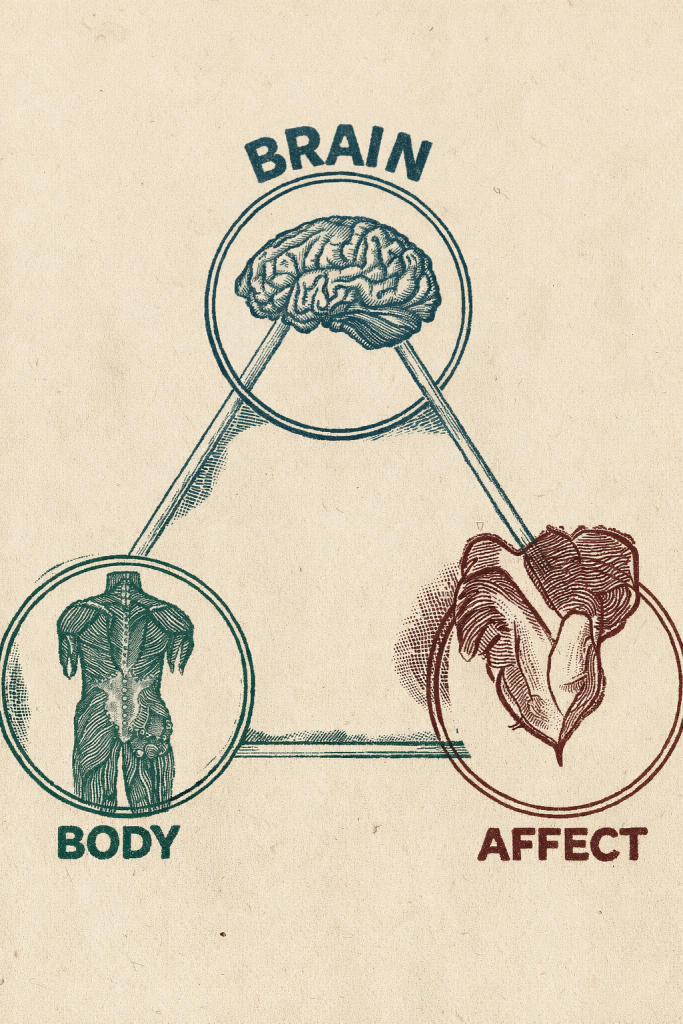
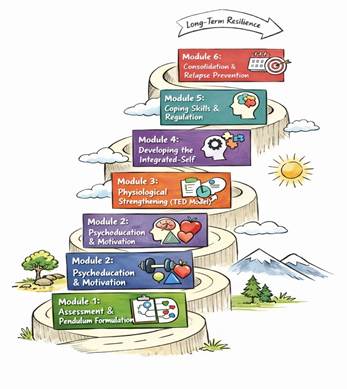


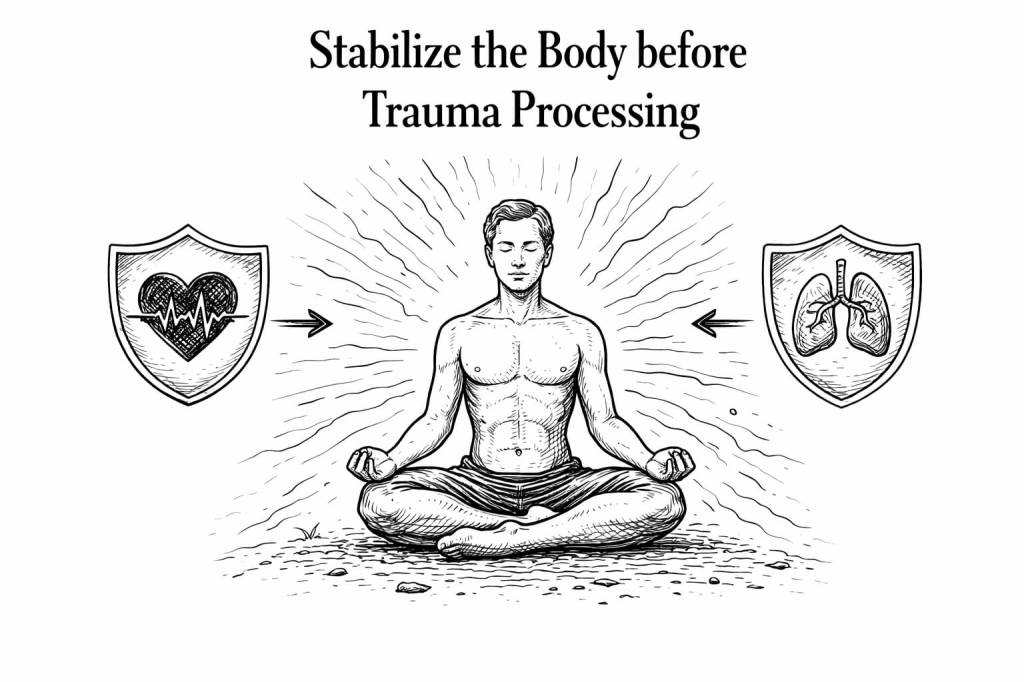

 neuroaffectivecbt.com