NeuroAffective-CBT® is a cutting-edge evolution in psychotherapy, integrating the structured methods of traditional behaviourism with a deeper understanding of human physiology and emotional processing. The brain, working with the mind, constantly predicts and strategises with one core purpose: keeping the body alive. By recognising the intricate interplay between thought, emotion and neurobiology, NA-CBT® offers a nuanced and effective framework for addressing deep-seated emotional difficulties.
One of the problems we encounter in the field of evidence-based, applied psychology, is the firm and long-established reliance on the medical-disease model. In a nutshell, this means that we must diagnose first, and then treat. This is both a blessing and a curse, since indeed we have excellent disorder-focused approaches and CBT protocols, which treat specific psychiatric disorders with some predictable outcomes. On the other hand, not everything we observe in our clinics is diagnosable. Certain emotional problems or psychological conditions do not fall within the strict remit of a psychiatric disorder, as listed under DSM- 5 or ICD- 11. In fact, if we look at the history of such diagnostic manuals, those were firstly published in the 1950’s and subsequently suffered several changes and revisions, every single version introducing new psychiatric conditions and assessment processes.
This might suggest that our understanding of certain psychiatric manifestations has evolved. Or perhaps the reliability of research methods has improved, or maybe clinicians are better aided by better scales and measures. Or is it simply the fact that humans’ needs evolve all the time and cultural values and lifestyles are constantly shifting? Perhaps it is, more than likely, a combination of all of the above. Whatever the case may be, I personally subscribe to the concept that we understand much better than ever, that emotional and mental health conditions are a lot more complex than what we currently find summarised in one or two diagnostic manuals. On the contrary, we are able to identify and clinically observe a lot more ‘variants’ to existing conditions, variants that ultimately fall in-between the cracks.
Within this context, indeed Relationship-OCD or R-OCD is ‘a thing’, a psychopathology without a category, much like clinical perfectionism, or the emotional problems resulting from attachment-disorders or shame-based disorders and so on, the only commonality within these syndromes is the sharing of characteristics from both the anxiety and mood disorders spectrum.
Sounds complicated? It doesn’t need to be… R-OCD could be understood as a type of anxiety, a close relative to obsessive-compulsive disorder where people experience intrusive thoughts and co-respondent compulsive behaviours related to their relationship with their partner. Such condition can create long ruminative episodes and repetitive thoughts that centre on doubts or fears about the relationship. The R-OCD vicitm may experience uncertainty about whether their partner really loves them, or whether the relationship will last. These thoughts can then lead to hypervigilance and reassurance-seeking or behaviours that are designed to obtain reassurance.
In NA-CBT, the pendulum formulation suggests that this intensively felt core-affect, experienced as guilt or shame (or another similar emotion we don’t yet have a label for), leads to specific behavioural and thinking patterns (in no particular order), that could be organised in three types of reinforcing trends, as indicated in the examples further below. These patterns can create a great deal of anxiety for the person experiencing R-OCD symptoms, and of course it would place a considerable amount of stress on the relationship itself. Behavioural strategies are compulsive and paired with justifying beliefs, for example ‘I deserve to suffer, I am a terrible person’.
As such, R-OCD is successfully maintained over years by several vicious traps. An early red flag, could be not succeeding to deal with compliments in a boundaried and appropriate manner. If, for example a young lady already in a loving relationship, comes across someone kind and complimentary, with or without desirable attributes, she may find herself obsessing over the unwanted thought that, ‘I should leave my partner’. This leads to more obsessive thoughts such as ‘Oh my God, I’m interested in this guy when I am already in a relationship’, and this leads to a lot of feelings of fear, shame, and guilt and inevitably a lot of uncertainty about the future of the relationship. As already explained this emotional state, further leads to specific urges, actions or compulsions like hypervigilance, safety-seeking, and constant reassurance, for example doing a lot of research on the topic or asking Google how others are coping. A series of unsuccessful neutralising, or suppressing unwanted thoughts about the new person, or wanting to leave the partner, thoughts about dishonesty, and needing to share these feelings (which are in fact thoughts) with the partner. Should such action take place of course it would very likely lead to a range of difficulties and discussions, which in a way confirms the initial intrusions that one should leave her partner and maybe his best friend is a better option after all, because he is not as difficult and as jealous. This leads to more feelings of distress, more thoughts, more compulsions, and more arguments, perpetuating a problem that seems to have no end in sight.
The Pendulum-Formulation in NA-CBT, can be particularly helpful because it makes the anxious person aware of embedded and automated habits that are often deeply buried underneath layers of thoughts, justifications, excuses, and co-respondent behaviours. This type of formula proposes that R-OCD individuals are driven to extreme overcompensation, avoidance, and other covert self-sabotaging strategies by an inexplicable core-affect of shame and guilt, what we sometimes call a ‘gut feeling’ or an instinct.
Asking boyfriend for reassurance that the relationships is going well, and they are still in love.
Checking pictures to make sure one feels the same, observing how the body reacts (positive or negative arousal).
Speaking to medical and/or mental health professionals.
Being very early at work, always on time, not to be seen as useless or bad. This action happens because the anxious individual is often seeking external validation since internal validation is not accepted or acceptable (e.g., I cannot trust my thoughts and feelings since I am bad person but at least at work, I can do a decent job.. sometimes.. at least according to my colleagues.. in any case, this is something I can control)
Working very hard at work or revising, or for a school test after a period of procrastination (this is an example of a pendulum – the relationship between overcompensation and procrastination).
Weighing myself or measuring my waist – am I good enough, am I attractive enough, almost always the answer is ‘No’ (this is yet another example of a pendulum – the relationship between overcompensation and surrendering).
Constant body and mind scanning for symptoms, signs of things going wrong with the mind or body.
Increased listening to podcasts / YouTube videos about similar issues – trying to convince oneself that either there is or there is not a problem (depending on the context).
Obsessively watching TV-programmes or YouTube videos about relationship problems.
Over-reading medical and scientific documents, even when/if most of the research does not make sense.
Writing manifestations, desires, or things one wants over and over again (often filling pages).
Obsessing over thoughts of shame and guilt and trying to reassure oneself.
Making mental lists and mental notes about the reasons they actually love their partners.
Over-analysing and constant reviewing of the content of thoughts and past memories.
Examples of Avoidance:
Isolating, staying away from the possibility of meeting the other person.
Staying away from partner because of feelings of guilt.
Pretending one feels unwell to the point of believing that one is unwell and to support that, one might even take several screening tests, like covid tests, etc.
Avoiding people, not getting back to them.
Avoiding using spare time more productively.
Avoiding TV or movies that might trigger fear, shame, guilt, or self-disgust. Also avoiding movies about breakups and illness.
Examples of Surrendering:
Surrendering into the core-emotion that suggests ‘I am fundamentally really bad’. Surrendering strategies may be understood as self-sabotaging since they appear well intended but in fact, such behaviours are often subconscious admissions of guilt and being a bad person. Depending on the context, those are over-exercised and therefore over-compensatory in nature, once again highlighting the pendulum effect of these strategies.
Examples:
Praying to God or praying on angel numbers – for a list of things that I want to happen (list grows, but things get taken off, if they come true).
Taking pictures of oneself – either where one looks skinny or checking the skin to track acne or chalazion. Emailing everything to oneself to make sure it doesn’t get lost.
When one is upset or sad or angry (i.e., after a fight) – not eating. Again, emailing everything to oneself to make sure it doesn’t get lost.
Self-talk: Since I am so bad let me show you how bad you really are… I deserve to be ill and/or alone… I deserve to be sad and depressed… I deserve the worst… writing a message in my head during landing on a plane to send to family in case plane crashes.
Urges to tell partner about the so-called ‘infidelity’ or about the thoughts of ‘infidelity’.
Screenshotting, taking and saving pictures to confirm and remember things that prove how bad the individual, yet another subconscious admission of ‘guilt’.
Neutralising and suppression of thoughts to the point of exhaustion… Scrolling on phone watching reels or TikTok’s to numb racing thoughts and ‘stop’ the brain from working so hard.
Keeping a diary/ calendar of being bad, or crazy or mental (in victim’s language).
Writing symptoms into calendar – to convince oneself of being mad or ill.
Surrender into a depressive state, where one is completely convinced about their level of guilt and responsibility for the break up. Characterised by low motivation and low mood.
In conclusion…
NeuroAffective-CBT proposes that just like the pendulum of a traditional clock, people oscillate or swing between maladaptive coping mechanisms without being aware of these complex behaviours and in doing so, they reinforce deeply rooted negative views about themselves.
SHAME & GUILT (Core-Affect)
Overcompensating – Surrendering – Avoiding
Visualise for a moment, how the core-affect of shame or guilt is positioned at the centre of the clock’s face, and it represents the very central mechanism behind it. This centre mechanism would not turn the clock if it wasn’t for the oscillating movements – in other words the affect of shame or guilt is reinforced by compensatory, avoidant and surrendering strategies that are very well rehearsed over the years. The relationship that such self-sabotaging mechanisms have with each other, through the swinging-effect action or the oscillating-effect, also perpetuate the psychologically painful and hidden affect of shame or guilt.
In the case of R-OCD, the pendulum’s consistent oscillating-effect is like a chain-reaction exercised time and time again which can be exemplified in how the person often overcompensates in order to surrender in order to avoid. For instance, spending too much time online researching, leads to taking screenshots and making notes about the newly discovered evidence of ‘being bad or guilty’; only to then finally surrender into a depressive state, where one is completely convinced about their level of guilt and responsibility. This becomes the perfect excuse for procrastinating from essential tasks that could demonstrate the exact opposite.
Such dynamics have to be sensitively explored over time with compassion, no judgement but a clear intention to change. A supportive behavioural plan usually involves modifying or eliminating completely these reinforcing mechanisms from a victim’s repertoire. Working toward an authentic living which involves meeting one’s true needs and values is the new agenda.
Disclaimer: this site and article are not intended as a self-help manual; the intention with all NA-CBT articles is to help and to develop knowledge. All case studies described are a combination of facts and very little fiction from different sources including personal clinical experiences. More similar work and great resources for inspiration, can be found on TedX -Treating Perfectionism, Brene Brown, Roz Shafran, Christine Padesky, Donald Meichenbaum’s notes on resilience, and others.
This particular article follows anonymised cases who received NeuroAffective-CBT for R-OCD… this is part of a series of free handouts offered to students on doctoral or advanced training programs in Integrative-CBT; certain details have been changed in order to maintain anonymity; the article includes specific questions at various crucial points ‘[in square brackets]’ raised by the author which are meant to trigger further enquiry and insights into the treatment.
In the adult comedy TED, a handsome, strong alpha male specimen, becomes emotionally attached to an unusual character, a much smaller in size but cute teddy bear, wise beyond his apparent years, in spite of relying a bit too much at times, on a rather ‘colourful’ vocabulary to make his point. The unlikeliest friendship is starting to evolve where our main character, the ideal alpha male, learns to rely on his best friend TED, during episodes of crisis and more.
Before understanding where and how TED comes in, it is important to explore the context and the current clinical climate. The standard approach to the treatment of psychopathology is rooted in the medical-disease model (MDM) which is essentially a causal model. In the case of depression and anxiety, the most common pathologies, those disorders occur (according to the MDM), as a result of a chemical imbalance or insufficient amounts of neurotransmitters like serotonin, norepinephrine and/or dopamine. As such, depression and anxiety are treated by replenishing these neurotransmitters with SSRI medication that helps specific brain cells or neurons either produce more of the chemicals or stop the chemicals from being broken down after they are produced, so that they remain in the system a little longer. This is the concept behind SSRI medication treatments – which is short for Selective Serotonin Reuptake Inhibitors. SSRIs are by far, the most appropriate medication for depression and/or anxiety to date, according to data.
However, recent research also points towards the limitations of the traditional medical-disease model. It appears that 95% of body’s serotonin, aka the ‘joy’ chemical, is produced in our gut, which is an extremely sophisticated system responsible for more than just straight forward digestion. The human gut is populated by microbiome, which is among other things, producing GABA (gamma-aminobutyric acid), a neurotransmitter that helps us feel calm and relaxed. And this is why our gut health is closely linked to our mental health. It suddenly becomes clearer why certain diets are more effective than others and, have a positive impact on mental health. An individual can support the gut diverse microbiome by eating foods which contain live bacteria, for example natural sources of pre & probiotics like Greek yoghurt, kefir, garlic, green bananas or sauerkraut.
Diving deeper into the area of affect regulation – emotional regulationor self-regulation, refers to our ability to exert control over our own emotional state. It may involve cognitive-behavioural, attention-training or imagery-based methods for example, self-hypnosis, self-to-self dialogue, rethinking a challenging situation to reduce anger or anxiety, hiding visible signs of shame, sadness or fear, or focusing on images that create a sense of joy or peace.
‘TED’ was introduced to the therapy scene more than 15 years ago as a self-regulation tool that brings attention to theBody-Brain-Affecttrianglewhich significantly impacts on the quality of our lives and health overall according to the most recent research.
TED is like a personal guide, an imaginary trusted friend or simply a checklist with a series of specific reminders and actions which may be summarised in one statement: ‘Tired – Exercise – (and) Diet your way out of trouble!’
The “T”
“T” or ‘Tired‘ is the character symbol that represents being physically tired and exhausted which ought to remind us of the need for some basic sleep hygiene. It is perhaps, also symbolic of a new beginning by saying to yourself, ‘ aren’t you tired of it all ? Well then let’s sleep, exercise and diet your way out of this pickle…’
It is extremely well evidenced by now, that sleep deprivation is the number one risk factor for a range of mental health problems. In 20 to 30 years of research, we have not been able to discover a single psychiatric condition in which sleep is normal and this fact has taught me everything I need to know about this interesting relationship between healthy sleep and our mental health. I’m sure everyone has visited a friend who is also a parent on a bad day. Your friend looks up at you, holding their crying child, and they might explain to you that they all just didn’t sleep well the previous night. Parental knowledge that bad sleep the night before equals bad mood and emotional reactivity in regulation the next day is interesting. Sleep scientists became fascinated by this link years ago but could not really unearth the basic science that would help us explain what was going on. A team of experts at Berkley University conducted an initial study where they took two groups of healthy people with no signs of psychiatric illness or emotional instability. One group had the benefit of a healthy sleep, whilst the other group was sleep deprived. The following day, they had brain scans whilst being exposed to a whole range of emotional and unpleasant visual images. Scientists were looking at how the brain was reacting to those emotional experiences with sleep versus without sleep. The structure that they initially focused on, is called the amygdala a peanut size region situated closer to the spine for easier communication with the body. The amygdala seems to be one of the centre regions, though not the only one, for the generation of emotional reactions both positive and negative. And this fact is interesting in itself, since for many years, it was believed that this region is in charge of ‘fear’ and negative emotions only. So, people are being shown images with varying degrees of emotionality, including images that are known to evoke negative averse emotions, like fear, anger, disgust, revulsion and so on. It became almost immediately evident that, the sleep deprivation group increased the activity in the amygdala to such images by 60% – and this is relevant because we now have evidence that contexts or situations that previously do not feel particularly emotional would start to become rather emotional (leading instantly to states of negative arousal) when/if individuals are not getting sufficient sleep, because of a reactive amygdala and heightened sensitivity of the initial triggering of the emotional response. The reason for a reactive and uncontrolled amygdala during an episode of sleep deprivation lies within another structure – the medial prefrontal cortex, the frontal lobe, located between our eyes which, with a normal night of good sleep, remains strongly connected to the amygdala. It appears that, the human frontal lobe is very good at acting like a rational-control-mechanism on our deep emotional brain centres. But without sleep, the connection is severed and therefore without sleep individuals become emotionally sensitive and reactive with very little regulatory control.
To make matters worse, during a typical psychotherapy session, nobody seems to want to talk about sleeping patterns, although it is crucial for emotional regulation. It may be useful to not only identify the challenging aspects of sleeping well, but to also to identify some of the benefits that sleep can provide in the longer term.
Sleep training ought to be within the repertoire of every therapeutic plan. The basic rule of thumb is 8 hours of sleep during the night – and I mean during the night ! This is the time when metabolism switches off, the digestive system slows down, though different parts of the brain remain active, processing, re-organising data and memories and rebooting. The regulation of sleep is processed by the homeostatic physiology of the circadian rhythm, the sleep-wake cycle. Circadian rhythm is the 24-hour internal clock in our brain that regulates cycles of alertness and sleepiness by responding to light changes in our environment. As such, it is important to sleep during the dark hours, and this is easier said than done during the shorter summer nights. No strength training and definitely no food three to four hours (and even longer in some cases) before falling asleep would help improve the quality of the sleep with a direct impact on your bloodwork (blood test results).
Please consider following Dr Matt Walker’s research in this particular area; Dr Walker is a professor of Neuroscience and Psychology at the University of California, Berkeley, founder and director of the Center for Human Sleep Science, he delivers excellent presentations and workshops on a range of sleep relating topics.
The “E”
‘E‘ or ‘Exercise‘ is a symbol for physical strengthening and the need to exercise on a daily basis. Again, it has been shown time and time again that a daily regular routine does not only boosts the immunity but helps with hormonal regulation, protein synthesis (much like sleep does) and can help with a range of, if not all mental health conditions. In the following section ‘D’, we will explore the positive impact that muscle size and growth has on our glucose levels (and vice-versa), which brings further evidence that physical, in particular muscle-strengthening exercises, have indeed an impact on both our physical and mental health states.
This is in fact, in line with evolutionary theories since, it is clear that human bodies have not been built around static jobs and sugar-rich foods but on the contrary, humans evolved by being creatively active, often aggressive, which implies physical strenght, healthy and, thirsty for adventure and discovery. Humans used to be and, hopefully still are, the most ‘curious’ mammal species on earth. It is arguably this curiosity, alongside inner resilience and outer physical strength, that helped humans push boundaries and eventually ensured total domination of the world, as we know it.
Of course, it is important to remember that physical strengthening programmes ought to be individually tailored to age, sex and physical ability. And within the context of a (NA-CBT) therapy session at least, the advice must include not only muscle strengthening or ‘tensing’ exercises but also ‘muscle relaxation’ exercises. Because what tenses up has to also come down, in order to recover and, start again! This is usually achieved through a process called ‘Progressive-Muscle-Relaxation’ (PMR), consisting mainly of abdominal breathing and a focused attention. During this exercise, which was firstly introduced by Edmund Jacobson in the 1930’s, attention is gradually directed towards different muscle groups, tensing and relaxing different muscles and thus learning firsthand how feeling ‘tense’ versus feeling ‘relaxed’ actually feels. This would eventually train our mind and brain to recognise stress in the body, identify the exact location and de-stress the muscle by simply breathing the tension out of it. Certain types of Yoga and Mindfulness programmes are very useful in that regard and designed for this very purpose. And so, ideally and when physical health allows it, one should train daily and alternate between muscle strengthening exercises and relaxation or destressing-attention-training exercises like PMR, yoga or mindfulness.
It is equally appropriate to consider a condition-specific sport. For example, martial arts training would be particularly appropriate for someone who struggles with confidence, assertiveness or low self-esteem. Whereas social anxiety might be better aided by a team sport. At the other extreme, body building might not be appropriate for a male that suffers from BDD (or body dysmorphic disorder).
The “D”
‘D‘ or ‘diet‘ refers of course, to eating and drinking – the link between nutrition and mental health disorders is surprisingly straight forward and supported by a long list of studies and data, of course outside the field of psychology, where this field is largely ignored.
This is a significant oversight since evidently humans’ relationship with food is complex and integral to our survival. But humans relationship with food goes far beyond mere survival. Unlike other animals, we attach deep cultural, emotional, and even spiritual significance to what we eat. Fasting is a perfect example—it exists in many religious traditions, not just as a means of physical discipline but as a tool for spiritual growth, self-purification, or even social solidarity.
Food also plays a role in identity, social bonding, and rituals. Think about how different cultures celebrate major life events like weddings, funerals or holidays, all with very specific foods that carry particular meaning. Even our personal comfort foods often tie back to childhood memories and emotions. One could argue that cultural influence sometimes overrides nutritional logic. For instance, people might continue eating traditional diets even when they’re not the healthiest option.
There is a growing body of research showing an association between our diet, internal inflammation and depression, pointing in particular toward a Mediterranean style diet which can lead to a 30% reduction in symptoms of depression, alongside 40% improvement in cognitive flexibility. This is related to internal inflammation which contributes to the activation and maintainenance of mental health symptoms. Inflammation is dangerous and could lead to many health complications associated with chronic conditions such as insuline resistance, pre-diabetes, diabetes, large deposits of visceral fat, cardiac problems, etc. Healthy diets are anti-inflammatory and, are rich in B-vitamins and folate which is equally important for brain function. It has been demonstrated that a healthy diet helps improve neuroplasticity which in turn improves new learning and cognitive flexibility.
Let’s examine another area of particular relevance. According to WHO, at least one billion people in the world have diabetes or pre-diabetes, mainly characterised by unhealthy glucose levels (spikes) and insulin resistance. The interesting thing about diabetes is that it does not have many aggressive physical symptoms to begin with, but a lot of mental health symptoms such as worry, other types of negative thinking, sleeplessness, irritability, short temper, lack of motivation, lower libido, low confidence, in other words recurring episodes of depression and/or anxiety. So, this condition often goes under the radar, until eventually discovered by accident. At the same time, most mental health practitioners would not be inclined to request a blood test during the initial consultation. And yet, treating the patient for depression or anxiety without dealing with the underlying chronic condition, cannot possibly lead to long lasting positive outcomes.
Consuming large amounts of foods, rich in sugar or carbs (carbohydrates) or starches (white bread, rice, pasta, potatoes, etc.) is very easy these days, those are widely available, cheap and tasty and, even comforting, not least because all such products lead to the release of high levels of dopamine which translates affectively into ‘pleasure’ and eventually an addiction to specific glucose rich products. In fact, the neurobiological and behavioural process is not much different from an addiction to alcohol or cocaine.
Sugar addiction is indeed a ‘thing’ and probably the modern world’s number one enemy. Here is why… Glucose in excess is stored in the form of fat which leads to an array of chronic problems including faster aging of various organs, diabetes and cardiac complications alongside mental health symptoms from the depression and anxiety spectrum. Glucose is in fact useful, even essential to the human body since it ought to provide the right amount of energy in order for the organism to survive and thrive, but when you have too much of it, the body eventually collapses under the pressure, much like a plant that is watered too much and drowns. At some point, one continues to ‘need’ sugar since the organism is addicted to the glucose but ironically the individual feels weaker and less energised because after years of sugar-abuse, one becomes overweight, suffering with diabetes or cardiac problems or worse.
There are basically several processes that take place in the body when one experiences regular glucose spikes. Glucose is over-supplied and stored into fat cells for later use, this increases inflammation in the body and accelerates the process of glycation, which is an aging of the cartilage. This translates into the internal aging of various organs and externally, the aging of the skin and, this is just for starters.
In response to excessive glucose, the pancreas sends a hormone called insulin out in the body, to grab all the extra glucose molecules and store them away, so they do not cause any damage. The insulin therefore, stores glucose into the liver, and muscles and then, when those are fully stocked, the insulin starts storing glucose away into fat cells which is one of the ways that an individual builds a lot of visceral fat. Muscular people and those who practice sports regularly are at an advantage at this stage, because big muscles need more energy. But for everybody else, the insulin itself has consequences and is the main driver of type-2 diabetes and insulin resistance.
What happens inside the gut is equally fascinating and gives a whole new meaning to the saying ‘Trust Your Gut‘. Scientists, like Dr Maya Kaelberer and colleagues, have established clear links between our gut and the brain, not necessarily through an analysis of the diversity of the microbiome that exists within our gut, although this would be equally relevant but also by paying attention to the actual structure of the gut at a cellular level. Dr Kaelberer discovered a pathway from the gut directly to the brain that essentially allows sensing of what is happening in the gut in order to inform specific ‘feelings’ of pleasure or disgust or cravings, which is incredible, and it partly explains why regular practising of mindfulness or paying calm attention inwards, could lead to a shift in feelings and better emotional regulation. This process happens via neuropod cells with electrical sensors within the gut structure that are able to select and specialise in various chemicals like glucose or amino acids, they organise digestion and send information (electrical signals) to the brain which will make further ‘informed’ decisions and it would eventually provide an individual with the full experience of what it means to consume sugar, both the pleasure and increased energy. Experiments on mammals like mice, have shown a preference towards sugary-water over aspartame-water which suggests that even though both type of liquids are sweet, gut cells have adapted for the full experience of glucose resulting from proper sugar and therefore the proper sugar-water is chosen every time even in the absence of other conditioning stimuli, like prettier labels, packaging and so on. Some cell sensors have even adapted to detect the temperature of a hot cup of tea and adjust the temperature within two seconds in order to accommodate the liquid inside the gut and successfully extract necessary nutrients.
So, the secret has been out for some time… indeed, you are what you eat… and research clearly shows that how, when and what we eat and drink throughout the day makes a difference to our mental health. On apositive note, this seems to be an area of growing interest, and as such, the internet is simply overwhelmed with interviews, podcasts and articles on this topic. With the risk of sounding like a broken record, I would attempt to recount some fun facts from recent research studies that correlate wellbeing with nutrition and have clinical implications for therapists.
About the all-important “C“
In addition to considering the impact that a daily diet has on mental health, research has also started to focus on the role of specific vitamins and minerals. Vitamin C is one such micronutrient that has drawn significant attention in the diet and well-being landscape. Vitamin C is in fact one of the few hormones that humans do not naturally produce, hence our predisposition to fruits and vegetables. In fact, if one considers the human anatomy, we could easily notice that we are a particular type of mammal lacking in the department of adequate equipment for the consumption of tough or raw animal meat. Most of us, do not possess strong fangs or tough long nails, therefore historically, it has always been much easier to rely on a vegetarian or even vegan diet, evidently rich in vitamin C and fibers. Not only that, but this simple water-soluble micronutrient that humans, along with several other species, are unable to synthesize themselves, remains an absolute requirement for a range of important biological functions. This contradiction between an absolute requirement for vitamin C and our species’ loss of ability to synthesise it, has been explained earlier, as such our early ancestors relied on diets rich in vitamin C which led to the eventual pruning of genes involved in endogenous vitamin C synthesis. Therefore, vitamin C must be obtained exclusively from diet, principally through the consumption of fruits, vegetables or more recently supplements. Vitamin C acts as an antioxidant and free radical scavenger and is an essential cofactor in numerous enzymatic reactions including that of dopamine β-hydroxylase, an enzyme that is central to the synthesis of adrenaline from dopamine. Vitamin C also acts as an essential cofactor in the metabolism of tryptophan, a necessary requirement for the synthesis of serotonin. Altered dopamine β-hydroxylase activity has been described in a range of psychiatric conditions including mood and anxiety disorders and disorders of the digestive tract and acute tryptophan depletion has been associated with reduced serotonin levels and lowered mood states. Emerging work in the field of epigenetics indicates that vitamin C contributes to epigenetic modifications in early development which in turn may influence key psychological and physiological outcomes across the lifespan. Reinforcing its role in neurocognitive functioning, the highest concentrations of vitamin C in humans are found in the brain and cerebrospinal fluid and vitamin C is preferentially retained in these areas even when plasma and other organs in the body are depleted of vitamin C.
There are several other important supplements which impact on our mental health, that are currently being investigated including magnesium, zinc, also proteins, and of course links have been established between depressive states and our gut bacteria. Results are conclusive enough for general medicine to at least start paying more attention.
About the “Mg“
Both physical and emotional stress, a constant reality in our multi-tasking society, drain the body of magnesium. In fact, studies show inverse relationships between serum cortisol and magnesium, the higher the magnesium, the lower the cortisol. Stress robs the body of magnesium, but the body must have magnesium to respond effectively to stress. Magnesium deficiency afflicts 90% of all people with ADHD and triggers symptoms like restlessness, poor focus, irritability, sleep problems, and anxiety. These symptoms can lessen or vanish one month after supplementation starts. And furthermore, magnesium can also prevent or reverse ADHD drug side effects.
Chronic stress and sleep deprivation due to exam stress impairs the blood flow and reduces intracellular magnesium levels according to observational studies (Takase et al., 2004).
Clinicians found that 125 to 300 mg of magnesium glycinate at meal times and at bedtime produces clinically significant benefits in mood. This form of magnesium is gentle on the digestive tract. 200 to 300 mg of magnesium glycinate or citrate before bed supports sleep onset and duration through the night. We also know that sleep deprivation can deplete magnesium levels and this creates a cycle affecting sleep quality. Observation studies have shown that adults with higher dietary magnesium intake often report better sleep quality.
Magnesium in powder or liquid form could be effective alternatives to capsules, particularly for children with ADHD. Ways to increase the bioavailability of magnesium include supplementing with vitamin D3, which increases cellular uptake of the mineral. Vitamin B6 also helps magnesium accumulate in cells. Taking the mineral in divided doses instead of a single daily dose. Taking it with carbohydrates, with improves absorption from the intestine. And taking an organic form, such as glycinate or citrate, which improves absorption by protecting the mineral from antagonists in the digestive tract. It may be best to avoid giving magnesium in enteric-coated capsules, which decreases absorption in the intestine. Magnesium oxide is poorly absorbed and tends to cause loose bowels. Magnesium-l-threonate has been shown to readily cross the blood-brain barrier, and animal studies show that it supports learning ability, short and long-term memory and brain function.
It may be important to highlight, that the therapeutic response to magnesium normally takes several weeks, as levels gradually increase in the body.
Although a lot less research on this topic is carried out in the UK in the US there is a growing interest. A cross-sectional, population-based data set, the National Health and Nutrition Examination Survey, was used to explore the relationship of magnesium intake and depression in nearly 9,000 adults. Researchers found significant association between very low magnesium intake and depression, especially in younger adults. And in a recent meta-analysis of 11 studies on magnesium and depression, people with the lowest intake of magnesium were 81% more likely to be depressed than those with the highest intake.
About the fatty acids “Omega-3“
Significant research supports the consumtion of anywhere between 1000-2000mg daily of Omega-3 fatty acids, found in fish oil (supplements or natural sources). It has been shown to have significant effects on focus and concentration levels as well as levels of depression. EPA (eicosapentaenoic acid) and DHA (docosahexaenoic acid) found in Omega-3, are equally beneficial for heart health and help reduce internal inflammation.
Research specifically indicates that supplementation with around 1000 mg of EPA daily can provide relief from depressive symptoms comparable to some traditional antidepressants like SSRIs. In studies, 1000 mg of EPA was found to be as effective as fluoxetine in reducing symptoms of major depression 1. EPA is thought to exert its effects by influencing neurotransmitter systems and reducing inflammation in the body, which has been linked to mood regulation. Studies have shown that higher dietary ratios of omega-3 to omega-6 fatty acids can result in significant mood improvements, potentially lowering the risk of depression 1. It has been suggested that individuals consider taking 1000 mg to 2000 mg of EPA daily for optimal mood enhancement. Additionally, some individuals may find that combining EPA with lower doses of SSRIs could enhance the overall antidepressant effect and reduce side effects associated with higher SSRI doses 2. Overall, the inclusion of omega-3 fatty acids in one’s diet can be a valuable strategy for improving mood and managing depressive symptoms, suggesting a multifaceted approach to mental health that combines dietary, exercise, and therapeutic techniques.
And finally… “Creatine“, not just for athletes !
Creatine, a naturally occurring compound known for its role in energy metabolism, has long been used as a dietary supplement to boost physical performance. It plays a key role in producing adenosine triphosphate, the main energy source for cells, which is critical for maintaining optimal cellular function, especially during periods of high energy demand. Recent clinical studies have started to explore creatine’s antidepressant potential. Both animal and human trials have shown early evidence of creatine’s positive effects on mood. In animal models of depression, creatine has been found to reverse depression-like behaviors, improve brain plasticity, and modulate key areas of the brain involved in mood regulation, with some trials in particular, indicating that creatine can improve symptoms of major depressive disorder and bipolar depression, especially when used alongside standard antidepressant treatments such as SSRI’s (Juneah et al., 2024).
So what do we really know and what can we do about it…
One of the most compelling frameworks within NA‑CBT is the TED module, which uses an imaginal friend ora personal coach or a guide to help maintain focus on a daily basis on essentially what could only be described as significant lifestyle changes that aim to improve health and immunity overall as well as psychologically increase self-appreciation and self-love. Tiredness, Exercise, and Diet, each of these areas have strong empirical links to emotional and cognitive wellbeing.
Tiredness (lack of sleep): Poor sleep disrupts both emotion regulation and brain function. Insomnia is strongly linked to heightened emotional reactivity, reduced cognitive control, and increased risk for mood disorders (Baglioni et al., 2011; Goldstein & Walker, 2014). Research shows that high sleep quality is associated with more effective use of adaptive cognitive emotion regulation strategies, such as reappraisal, which are in turn linked to lower self-reported levels of depression and anxiety (Palmer & Alfano, 2017; Kalmbach et al., 2018). Conversely, sleep deprivation impairs top-down regulation mechanisms like distraction and reappraisal, leading to heightened emotional reactivity (Ben Simon et al., 2020; Mauss et al., 2013). NA‑CBT therefore prioritizes sleep tracking and the promotion of restorative sleep within its treatment model.
Exercise: Aerobic and regular physical activity produce significant benefits for emotional health. These include improved emotion regulation, reduced stress hormones, enhanced mood, and reductions in depression and anxiety comparable to psychotherapy or pharmacotherapy (Craft & Perna, 2004; Kandola et al., 2019). Exercise improves neurotransmitter balance (e.g., serotonin, endorphins), increases BDNF (brain-derived neurotrophic factor), and reduces cortisol levels, enhancing neuroplasticity and emotional resilience (Phillips, 2017). A large meta-analysis found that combining exercise with CBT improved depression outcomes more than CBT alone (Stathopoulou et al., 2006).
Diet: Diet quality, especially one rich in fruits, vegetables, whole grains, and omega-3 fatty acids, predicts better mood, reduced symptoms of anxiety and depression, and improved emotional resilience (Lassale et al., 2019; Jacka et al., 2010). Although the evidence base for diet as a standalone treatment is less extensive, it is increasingly recognized as a major contributor to mental wellbeing. For example, in a study of the “Big Three” predictors of mental health, sleep quality emerged as the most important, but both physical activity and healthy diet significantly contributed to lower depressive symptoms and greater overall flourishing (Conner et al., 2017). Nutritional psychiatry has also linked ultra-processed diets to increased systemic inflammation and poorer mental health, while whole-food diets support improved mood and cognition (Marx et al., 2021).
It may be equally important to understand that an increase in fibers, proteins and pre/probiotics in parallel with a significant decrease in glucose-based products, including carbs will bring a lot of benefits to mental health and reduce internal inflammation, improve immunity and decrease the chance of telomere degradation, associated with age-related diseases.
A recent cross-sectional study surveying university students found that poor sleep, suboptimal diet, and low physical activity were independently associated with worse cognitive function, emotional regulation, mood, and stress resilience (Schlitt et al., 2022).
Implications for Psychotherapy Practice
Lifestyle–mental health integration: The TED model (Tired, Exercise, Diet) highlights modifiable factors that strongly influence craving intensity. Therapists can incorporate sleep hygiene, physical activity, and mindful eating into treatment plans, reinforcing how daily habits affect emotional regulation and impulse control.
Craving as learned response: By framing cravings as conditioned associations between flavors, energy states, and reward pathways, therapists can apply established behavioral techniques (exposure, response prevention, habit reversal) to weaken these associations.
Psychoeducation tool: TED provides a simple language to explain to clients how body states drive cravings, reducing self-blame and empowering clients with self-regulation strategies.
Motivation and self-efficacy: A structured model allows therapists to set small, trackable goals (e.g., improving sleep regularity, reducing ultra-processed foods, introducing movement) that can strengthen self-efficacy and reinforce broader therapy progress.
Integration with Neuroscience: The TED model, integrated into NeuroAffective-CBT, represents a natural progression in psychotherapy’s dialogue with neuroscience. By explicitly linking lifestyle-driven neurobiological states (e.g., sleep-hormone regulation, dopaminergic modulation via exercise, gut–brain signaling through diet) with cognitive and behavioral processes, it enriches the therapeutic toolkit with embodied, brain-based leverage points.
This emphasis dovetails with third-wave approaches such as ACT and DBT, which already foreground acceptance, mindfulness, and values-based action. TED/NA-CBT add a physiological grounding to these practices, showing how shifts in bodily states can either amplify or hinder psychological flexibility, emotion regulation, and distress tolerance. In this way, TED and NA-CBT are not alternatives but extensions, providing therapists with a language and structure to operationalise lifestyle neuroscience within established third-wave paradigms. The broader implication is the emergence of what could be called a fourth wave of CBT:
First wave: Behavioural conditioning (observable learning).
Second wave: Cognitive restructuring (thought–emotion links).
Third wave: Contextual and acceptance-based models (ACT, DBT, mindfulness).
Fourth wave (emerging): Neuroscience-informed, embodied CBT, explicitly integrating brain, body, and lifestyle science into psychotherapeutic practice.
This “fourth wave” is not about replacing previous waves but synthesising them, using neuroscience as a unifying lens to explain why behavioural and cognitive interventions work and how therapists can amplify their effects by attending to bodily states.
Forth wave CBT ought to also evolve and include an understanding at both micro (interanal world) and macro level (external world). For instance what are the true implications of the recent digitalisation of life and the increase reliance on AI platforms, how can this be used effectively in therapy.
Final thoughts…
By embedding empirical findings into the TED framework, NA‑CBT demonstrates both depth and scientific integrity, bridging theory, neuroscience, and lifestyle-based interventions. This strengthens the model’s relevance to contemporary therapeutic challenges, indeed a worthy model belonging to the the latest wave of cognitive and behavioural therapies. Within the new field of NeuroAffective-CBT, TED is one of the most compelling self-regulation frameworks. It uses the idea of an ‘imaginal friend‘ or ‘inner guide‘ to help the client stay focused on daily choices that support meaningful lifestyle changes at a micro and macro level. These changes strengthen both physical health and immunity while also building psychological resilience, self-appreciation, and self-love preparing the individual for confident relationships in the future.
It has been evident for some time that a better sleep, a healthier diet and more physical activity can improve our health overall. We now know that, the big three – T, E & D (aka my good friend TED) can no longer be separated from our need to evolve and remain balanced. We still do not have a clear idea about all of the mechanisms involved, and what is worse, research is divided, confusing and split between different areas of interests within medicine. However, the good news is that we know enough already to make informed and correct decisions and new research, alongside non-intrusive technology offer incredible insights.
A final and very important reminder – these articles do not aim to substitute real professionals or live clinical assessments. Regular bloodworks and health-checks via GPs or family doctors are a must post-adolescence but not only, if we are to consider a consistent increase in the incident of diabetes reported within the adolescent population. It would be wise to use regularly a personal trainer, a qualified a nutritionist or even consider an assessment with your NeuroAffective-CBT therapist, who will no doubt look at your bloodwork and try to understand how your lifestyle, daily choices and habits, impact on your mental health. Supplements in general, cannot and should not, replace psychiatric medication they operate differently and at a completely different level. However, some of the supplements mentioned in this article would very likely improve your prospects and perhaps bring you closer to your goals and health aspirations.
References:
André RB, Lopes M, Fregni F. A systematic review and meta-analysis of clinical studies on major depression and BDNF levels: implications for the role of neuroplasticity in depression, Int. Journal of Neuropsychopharmacology (2008), 11, 1169–1180.
Baglioni, C., Battagliese, G., Feige, B., Spiegelhalder, K., Nissen, C., Voderholzer, U., … & Riemann, D. (2011). Insomnia as a predictor of depression: A meta-analytic evaluation of longitudinal epidemiological studies. Journal of Affective Disorders, 135(1–3), 10–19. https://doi.org/10.1016/j.jad.2011.01.011
Ben Simon, E., Oren, N., & Walker, M. P. (2020). Sleep loss and the waning of affective control. Current Opinion in Behavioral Sciences, 33, 1–6. https://doi.org/10.1016/j.cobeha.2019.12.003
Conner, T. S., Brookie, K. L., Richardson, A. C., & Polak, M. A. (2017). On carrots and curiosity: Eating fruit and vegetables is associated with greater flourishing in daily life. British Journal of Health Psychology, 22(2), 321–335. https://doi.org/10.1111/bjhp.12245
Craft, L. L., & Perna, F. M. (2004). The benefits of exercise for the clinically depressed. Primary Care Companion to The Journal of Clinical Psychiatry, 6(3), 104–111. https://doi.org/10.4088/PCC.v06n0301
Jacka, F. N., Pasco, J. A., Mykletun, A., Williams, L. J., Hodge, A. M., O’Reilly, S. L., … & Berk, M. (2010). Association of Western and traditional diets with depression and anxiety in women. American Journal of Psychiatry, 167(3), 305–311. https://doi.org/10.1176/appi.ajp.2009.09060881
Kalmbach, D. A., Pillai, V., Roth, T., & Drake, C. L. (2018). The interplay between daily affect and sleep: A 2-week study of young women. Journal of Sleep Research, 27(1), 36–45. https://doi.org/10.1111/jsr.12502
Kandola, A., Ashdown-Franks, G., Hendrikse, J., Sabiston, C. M., & Stubbs, B. (2019). Physical activity and depression: Towards understanding the antidepressant mechanisms of physical activity. Neuroscience & Biobehavioral Reviews, 107, 525–539. https://doi.org/10.1016/j.neubiorev.2019.09.040
Lassale, C., Batty, G. D., Baghdadli, A., Jacka, F., Sánchez-Villegas, A., Kivimäki, M., & Akbaraly, T. (2019). Healthy dietary indices and risk of depressive outcomes: A systematic review and meta-analysis of observational studies. Molecular Psychiatry, 24(7), 965–986. https://doi.org/10.1038/s41380-018-0237-8
Marx, W., Moseley, G., Berk, M., & Jacka, F. (2021). Nutritional psychiatry: The present state of the evidence. Proceedings of the Nutrition Society, 80(4), 427–436. https://doi.org/10.1017/S0029665121000150
Mauss, I. B., Troy, A. S., & LeBourgeois, M. K. (2013). Poorer sleep quality is associated with lower emotion-regulation ability in a laboratory paradigm. Cognition and Emotion, 27(3), 567–576. https://doi.org/10.1080/02699931.2012.727783
Palmer, C. A., & Alfano, C. A. (2017). Sleep and emotion regulation: An organizing, integrative review. Sleep Medicine Reviews, 31, 6–16. https://doi.org/10.1016/j.smrv.2015.12.006
Phillips, C. (2017). Physical activity modulates common neuroplasticity substrates in major depressive and bipolar disorder. Neural Plasticity, 2017, 1–19. https://doi.org/10.1155/2017/7014146
Jacka et al. A randomised controlled trial of dietary improvement for adults with major depression (the ‘SMILES’ trial). BMC Medicine (2017) 15:23
Kang HJ, Voleti B, Hajszan T, et al. Decreased expression of synapse-related genes and loss of synapses in major depressive disorder. Nat Med. 2012;18(9):1413-7.
Lai JS, Hiles S, Bisquera A, Hure AJ, McEvoy M, Attia J. A systematic review and meta-analysis of dietary patterns and depression in community- dwelling adults. Am J Clin Nutr. 2013;99:181–97. Marx W et al, Nutritional psychiatry: the present state of the evidence. Proceedings of the Nutrition Society 2017;76(4):427-436.
Rush AJ, et al. Acute and Longer-Term Outcomes in Depressed Outpatients Requiring One or Several Treatment Steps: A STAR*D Report Am J Psychiatry. 2006;163:1905-1917.
Rachelle S. Opie, Adrienne O’Neil, Felice N. Jacka, Josephine Pizzinga & Catherine Itsiopoulos (2018)A modified Mediterranean dietary intervention for adults with major depression: Dietary protocol and feasibility data from the SMILES trial, Nutritional Neuroscience, 21:7, 487-501
Schlitt, J. M., Downes, M., Young, A. I., & James, K. (2022). The “Big Three” health behaviors and mental health in university students. The Canadian Review of Social Studies, 9(1), 13–27. https://thecrsss.com/index.php/Journal/article/view/298
Stathopoulou, G., Powers, M. B., Berry, A. C., Smits, J. A. J., & Otto, M. W. (2006). Exercise interventions for mental health: A quantitative and qualitative review. Clinical Psychology: Science and Practice, 13(2), 179–193. https://doi.org/10.1111/j.1468-2850.2006.00021.x
Serafini G. Neuroplasticity and major depression, the role of modern antidepressant drugs. World J Psychiatry. 2012;2(3):49-57. Duman CH, Duman RS. Spine synapse remodeling in the pathophysiology and treatment of depression. Neurosci Lett. 2015;601:20-9.
Yang CC, Barrós-Loscertales A, Pinazo D, et al. State and training effects of mindfulness meditation on brain networks reflect neuronal mechanisms of its antidepressant effect. Neural Plast. 2016;2016:9504642.
Transference in therapy occurs when the patient unknowingly is transferring feelings about someone from their past onto the therapist. Freud described transference as the deep, intense, and unconscious feelings that develop during the therapeutic relationship with a patient. Over the years, the field of psychoanalysis, most likely influenced by attachment theories and early cognitive psychology, has adopted concepts such as templates or patterns of familiar feelings, implicit cognitions and habitual behaviours, which are manifested in the therapy relationship, evidently a common ground with the field of cognitive and behavioural therapy.
Psychologist and author Jonathan Shedler recently wrote in The Psychologist (2023) that “psychotherapy is a relationship and patients bring their templates and patterns into it. As psychotherapists, we enter the gravitational field of our patients’ problematic relationship patterns, experiencing and participating in them. Through recognizing our own unavoidable participation in these patterns, we help our patients understand and rework them.“ Dr Shedler feels this is the very heart of psychoanalysis and, he would be right.
But where does that leave the typical cognitive-behaviouraltherapy alliance? Could CBT approaches deal much more effectively with attachment issues when and if time allows it, and if true, then how is this so, and why? Because indeed, unlike with other psychotherapies, the expectation from the patient or referring agency would be that the presenting issues and health complaints ought to be addressed rapidly, within very few hours of CBT, as opposed to months or years. This presents the typical CBT therapist with unique challenges when collaboratively setting up realistic therapy goals. The therapy environment (the physical space), coupled with the need for flexible boundaries and challenging ‘working’ conditions (e.g., real life exposure) is precisely why the traditional therapy relationship had to evolve towards an empathic, yet dynamic and collaborative, relationship – the type that you might have with an inspirational but compassionate personal trainer or a motivational life coach. This brings a whole new meaning to the traditional therapeutic relationship that relies much more on transference and countertransference to explain patients’ relationship patterns over years of work. ‘Time’ is a privileged resource as far as the CBT therapist is concerned.
Cognitive-behavioural models (of which there are many), propose that, based on our early experiences, through various associations and learning processes, we develop emotional and cognitive templates, which call for specific behavioural actions or ‘defences’ in a crisis. For example, I know I am unlovable (this is a felt-sense, rather than a verbal expression, supported by historical evidence), however, I can manage a difficult situationif I act in very specific ways, without erroror exception (i.e., I must always be cheerful, available and helpful).
As such, we have at our disposal very specific and very well-rehearsed repertoires or responses to a variety of triggering social situations, which we keep repeating throughout our lives. Such patterns, shaped by early poor attachment problems, often coupled with our biological inheritance (Beck and Bredemeier, A unified model of depression, 2016) lead to long-term psychopathology which is maintained by very rigid and specific cognitive, affective and behavioural templates meant to support and sustain relationships with significant others, in spite of a deeply rooted felt-sense that one is being flawed and/or vulnerable.
NA-CBT investigates neuroaffective research, evolution theories, mammal behaviours and emotions studies, and suggests that ourbrain is the organ solely responsible for controlling the body, whose principle mission is to keep the whole organism alive. Ymmordina and Damasio’s 2009 study and research on emotions and learning, over the last thirty years, adds to the earlier research on social-learning by Albert Bandura, and points towards the neural basis of emotions, which play a central role in social cognition and decision-making. Given how incredibly social and interdependent our species is and since our biology is inherently a social one, we are directly dependent on other people for the translation and formulation of our own sense-of-self. And so, when we interact with one another, we construct a sense-of-self and assign meanings and roles to ourselves, in order to accommodate each other, both mentally and physically. This process of survival, or learning how to relate in order to improve our chances, begins at birth with the mother, and continues with the main care givers, whoever they may be.
In that respect, the latest generation of behavioural therapists, unlike in the beginnings of the last century, acknowledge that within the therapeutic space, besides the practical and dynamic component of the change process, the therapist also acts as a sounding board, often needed for more accurate reflections of TheSelf.
A brief parenthesis here, the development of the original school of behaviourism into so many different methods and approaches, from exposure, to cognitive psychology and attention training, imaginal rescripting or mindfulness and acceptance, is a testimony to its true nature, its ability to adapt, integrate new theories, and evolve. Relying on research and evidence from all domains of psychology and psychotherapy, physiology, or philosophy even, has always created an advantage for the typical CBT clinician, with very popular results over the years such as SIT, DBT, Compassion Therapy, Mindfulness and Acceptance.
Infants trust others’ observations more than their own. As they grow, they start to rely on their perspective more, indicating not only a unique learning process in infancy, but how much we rely on learning through experiencing and associations to produce emotions and filter actions. It is therefore natural to understand why our first relationships with our primary care givers are suddenly crucial in developing a safe and secure sense-of-self; relying on a safe and secure template will no doubt facilitate trusting and long-lasting relationships throughout life. On the other hand, when these early relationships are disrupted (with or without intention) a sense of insecurity and vulnerability will dominate the internal sense-of-self, and as such (and this is crucial), we have to create a series of cognitive, affective and behavioural templates that will help us navigate the complexities of life with our perceived vulnerability or weakness (i.e. I am unlovable.. I am useless.. or.. I am worthless, etc.). Once again, this would not only increase our chances of survival, but often ensure some degree of progress, and on a bigger scale is even facilitating evolution. Such neuroaffective templates are deeply rooted in our neural networks, where they can be activated with ease by triggering an autopilot system, when and if our brain, the survivalist expert, decides this is needed. An individual would not need to be aware of such embedded and well-rehearsed strategies and there is no need to make an effort to remember them. In that sense, emotions are nothing short of reactions the body has to specific stimuli – external(i.e., a large bear is chasing me) or internal(i.e., I imagine my friend broke his wrist).
An emotion may therefore be understood as a call for action. When we are afraid of something, our hearts begin to race and our muscles tense. This emotional reaction occurs automatically, and physical sensations known as feelings occur only after we become aware in our brain of such physical changes; only then we start experiencing the feeling of fear. So, our brain is constantly receiving signals from the body, registering what is going on inside of us. The brain will then process the signals in very well-designed neural maps, which it further organises into sensory centres. Feelings occur when the maps are read, and it becomes apparent that emotional changes have been recorded as snapshots of our physical state. All these processes happen at an incredible speed.
Without making it sound too complicated, CBT therapists excel at raising awareness by educating clients about the link between thoughts, behaviours, emotions, and our ‘inner templates’ also known as schemas, schema processes and schema maintenance.Dr Donald Meichenbaum calls such patterns or templates ‘tyrannical’. The tyranny of ‘shoulds’, ‘musts’ and ‘if–then rules’ maintains victimisation because of the relentless attacks that such rules unleash on individuals’ core needs, genuine desires or life values; for example, ‘I should always be perfect’ or ‘I must always prioritise Others over Me’… ‘If I let anyone down, then I am not a likeable person, and I will end up alone’.
I should… I must… I always have to…
Identifying the problematic patterns alone is only the beginning, because then an ample process of evidence gathering begins; new learning and new life experiences are collaboratively developed with the therapist, in order to challenge the original templates and create new ones that will serve victims’ needs and goals much better. And this would be the main difference between transference-based approaches and cognitive-behavioural approaches. A trusting and empathic therapeutic alliance is essential when explaining patients how these sets of patterns and templates (aka conceptualisations, formulations, or internal-working models) operate in the background all the time, and how it even impacts on the current therapist–client relationship. For instance, drawing attention to, how unnecessarily hard the patient is trying to be the ‘perfect client’, self-sabotaging the progress, procrastinating, filtering out successes, suppressing emotions, or telling the therapist, what the client thinks the therapist would want to hear. All such transferential processes would be exposed non-critically and empathically within the safety of the therapy alliance with a clear aim to learn and improve.
Once the true cost of early templates and patterns, defences, or rules for living, is exposed and evaluated, a shift towards new life strategies and coping would be negotiated. A lot of shoulder-to-shoulder teamwork, creativity and problem-solving skills are involved in designing new social experiences and real-life experiments that aim to undermine the inherited sense-of-self.
Clinical practice reflects time and time again, the need for adaptability and out-of-the-box thinking required to enhance learning and self-efficacy during the therapy process.
Young Jane was struggling with selective mutism, social anxiety and spells of depression when she came to therapy. She would not communicate her feelings, concerns, dreams or expectations until we changed the therapy location to her art studio. A very talented sketch artist, when she was asked to draw a self-portrait of how she feels right now and another of how she would like to feel in one year’s time, suddenly a new language and specific plans started to emerge.
Martin, a dedicated teacher, developed PTSD after suffering a homophobic attack at the hands of two of his students. This led to social isolation and withdrawal from a lot of activities that he used to enjoy in the past, as well as significant autobiographical alternations such as, a different sense-of-self, more vulnerable, less appreciated and so on. It took more than 10 hours of therapy for him to learn to trust his male therapist and the process began with baby steps, increasing the length of each session from 10 minutes to a full 60 minutes and gradually accepting to take his coat off during sessions and, then the hat, followed by the sunglasses and the headphones. Having a handshake at the beginning and the end of every session was one of the early therapy goals. Besides the usual trauma and memory processing, real-life experiments and new social experiences were agreed on, helping him reclaim some of his pre-trauma hobbies; several realistic role-plays involving new coping skills were rehearsed during sessions in preparation. Eventually going out for a meal at his favourite restaurant with a friend he missed and had not seen in over two years was a game changer, according to Mark’s feedback months later during one of the final follow up sessions.
The above stories are not attempting to show off the range of techniques and instruments available to the cognitive-behavioural therapist, but simply to emphasise the creativity employed, the thinking outside the box, the problem-solving skills, and not least the dynamic and organic nature of the therapeutic alliance which constantly evolves with clients’ needs and goals.
Specialist literature explains how mental disorders are precipitated and perpetuated by psychological rigidity and lack of ability to adapt to new situations. Rigidity impacts on the ability to learn new coping skills and achieve a shift from a narrative and global sense-of-self to a much more fluid sense-of-self.
It seems therefore important to agree early, on the overarching goals of any form of psychotherapy which more than likely would include, improving clients’ psychological resilience, undermining mental health symptoms, and essentially helping individuals move on from a victimising role, in no particular order. Research is very clear, in order to achieve that, a shift from psychological rigidity topsychological adaptability would be required through new learning and skills acquisition in particular.
As such, it seems logical that the therapeutic relationship, whatever label it might have, ought to facilitate all of the above. Over 30 years of clinical and teaching experience, as well as a significant body of research data drawn from clinical supervision studies, point towards a few interesting findings. Here is the list of the top ten things that could influence the therapy relationship:
1. What the therapist believes would work within the therapeutic space.
2. Therapist’s own values – influenced no doubt by early experiences, personal narratives or inner-working models.
3. Therapist’s school of thought or therapist’s preferred modality (usually are the same).
4. Therapist’s beliefs in regard to their preferred school of thought, which they often feel they must represent.
5. Therapist’s assessment skills and ability to diagnose or formulate a case or the ability to develop an internal working model or conceptualisation (here is an example).
6. Therapist’s psychopathology knowledge or lack thereof.
7. Therapist’s ability to consistently update their knowledge and skills in line with recent research.
8. Therapist’s ability to reflect back, ask for feedback and change therapy course in line with patient’s feedback (aka listening skills with a plus).
9. Ability to work collaboratively towards goals and teach new skills.
10. The quality of clinical supervision and the clinical supervision modality.
Internal-working models are cognitive-behavioural formulations that present an ideal platform for an open dialogue about relationships and the need to change. When early experiences or a disrupted attachment leads to a negative sense-of-self, I am a victim or I am weak, or unlovable or flawed, this embodied sentiment is experienced in all situations with all people. The victim of a negative sense-of-self is forced during earlier years (by the survivalist expert, our brain) to adapt or die of neglect. And thus, the child develops sophisticated strategies, life rules or defences meant to help him or her navigate through life with the knowledge the felt-sense provides (i.e., the knowledge that they are unlovable). This is the cognitive-behavioural translation of what analysis calls defences, patterns or templates from the past. Such deeply rooted defences become over time important life values, rules or guidelines with direct behavioural implications for example: ‘I have to act (implicit behaviour) in a specific way in order to overcome this situation.‘
Whilst helpful to the victimised individual at an earlier stage in life, and at different times even functioning as very useful surviving tools, these defences also encourage psychological rigidity. As they decrease the need for new learning and they are repeated time and time again, in various situations in the here-and-now, with only a minor degree of success (e.g., ‘I should always be available to all of my friends in spite of how exhausted I am’… ‘I must never say NO to anyone’… ‘I should always hide my true feelings’… ‘I should never show my true emotions’…).
Behavioural and cognitive approaches can deliver positive outcomes not only because interventions constantly evolve in line with new evidence and research, but also because therapists adapt and focus their attention on presenting complaints, maintenance and problem-solving, rather than constraining psychotherapy boundaries. The therapy relationship would not be authentic and responsive to patients’ immediate needs, if therapists would rigidly subscribe to a 50-minute session when going through reliving or imagery rescripting with a traumatised patient, for example. Not to mention real-life exposure programs that can last two or three hours outside of the boundaries of the clinic. The relationship adapts and adopts yet another tone, when the therapist shows willingness to swap roles with an OCD patient and touches unsanitised objects or goes on a spider ‘hunt’ in the garden shed with an arachnophobia patient.
Traditional psychotherapies on the other hand, seem to be less willing to redefine the therapy relationship boundaries and align it with their clients’ needs, in favour of clear and strict boundaries. However, there is no evidence to suggest that bonding, respectful and compassionate gestures such as offering a cup of tea, shaking a patient’s hand or gently touching someone’s shoulder in a reassuring manner, is likely to disrupt the therapy process or outcome. Equally so, there is no data to support the idea that silence gaps for prolonged periods of time during therapy, does anything else apart from increasing internal negative ruminations or worry, self-blame or self-critical thinking. Becoming a good object or a positive role model and even appropriate self-disclosure is acceptable and encouraged by the therapy alliance, just like displaying genuine sadness and empathy whilst hearing and ‘feeling’ a sad narrative; e.g., This is what it feels like to me, is this what is this what is going on with you? And… what would I remind you to do in this difficult situation?
If transference is nothing short of feelings triggered by associated thoughts, images or video reels, that can be traced back to early experiences and may result in questionable behaviours in the present-moment, I fail to see how this not exactly what CBT calls a contextual cognitive-behavioural conceptualisation, simply labelled differently in the psychoanalytic literature.
The cognitive-behavioural therapist relies on this type of conceptualisation, formula or indeed ‘inner working-model’ to help the victimised individual ‘verbalise’ their internal psychological pain and translate the untranslatable sense-of-self, thus exposing its true meaning and intention. In doing so, the therapist increases the victim’s ability to learn new coping skills and effectively proposes a way forward by ‘acting as if’; e.g., ‘What would my life look like if I was loved and appreciated by significant others – as opposed to holding on to a core idea that nobody accepts me no matter how hard I try’...
Within the safety of the therapeutic alliance, the CBT therapist will question the felt-sense and accompany the client on journey towards a new sense-of-self. This will often involve active and realistic short-term plans and essentially starting to live life as if the opposite of whatever the felt-sense is suggesting, is in fact the truth. And revealing that these defences bring more emotional pain, instead of opportunity and joy.
So, what about the question posed in the title? The answer simply does not matter, it seems that, what is needed is more cross-training and dialogue between different schools of thought, alongside a thorough review of data, in order to upgrade therapists’ views about what a therapeutic relationship ought to look like. Schools competing for supremacy does not seem to provide an answer, on the contrary.
All of the above therapy instruments would eventually lead to the best, healthiest and most independent version of the victimised client, irrespective of therapists’ personal beliefs about the intervention itself. Independence from the reliance on rigid defence mechanisms facilitates new learning, adaptability and not least psychological flexibility, which in itself, is one of the main ingredients for a pathology free life. If only, some therapists would also adopt more psychological flexibility themselves…
*****
According to my good friend and colleague Dr Donald Meichnebaum one of the founders of CBT, positive outcomes are further enhanced by developing resilience rooted in individuals’ culture, personal values and strengths. Meichenbaum has reminded us in his characteristic manner that we are not only homo-sapiens but also homo-narrans or story tellers or narrators, therefore the stories that individuals tell will determine if victimised individuals will fall into the 25% traumatised group or 75% symptoms-free group (Meichenbaum, lecture notes 2022).
CBT is synonymous with evidence-based psychological treatment. Best understood as an umbrella-term that includes a number of very-well researched therapeutic approaches developed over the last few decades and proven to work with a number of psychopathologies… dynamic talking therapies like Exposure Therapy, Schema Therapy, Stress Inoculation Training, Mindfulness (MBCT), Acceptance and Commitment Therapy (ACT), Hypno-CBT, NeuroAffective-CBT (NA-CBT) and a lot of other acronyms (i.e., MCT, DBT, CFT, FA, etc.) are all part of the CBT family. Although these therapies are designed to operate rather well within the medical model, they remain close to individual values, personal goals and desires…
Daniel Mirea goes into some depth on this topic with accredited psychotherapist Carla Vercruysse on Spotify !
Disclaimer: this site and article are not intended as a self-help manual; the intention with all NA-CBT articles is to help and to develop knowledge. All case studies described are a combination of facts and very little fiction from different sources including personal clinical experiences. More similar work and great resources for inspiration, can be found on TedX -Treating Perfectionism, Brene Brown, Roz Shafran, Christine Padesky, Donald Meichenbaum’s notes on resilience, and others.
This particular article contains an audio podcast and describes real life situations for learning and authenticity purposes, it may follow anonymised cases who received NeuroAffective-CBT … this is part of a series of free handouts offered to students on doctoral or advanced training programs in Integrative-CBT; as already explained certain details have been changed in order to maintain anonymity.

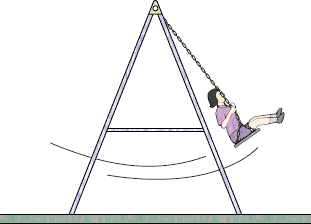



 neuroaffectivecbt.com